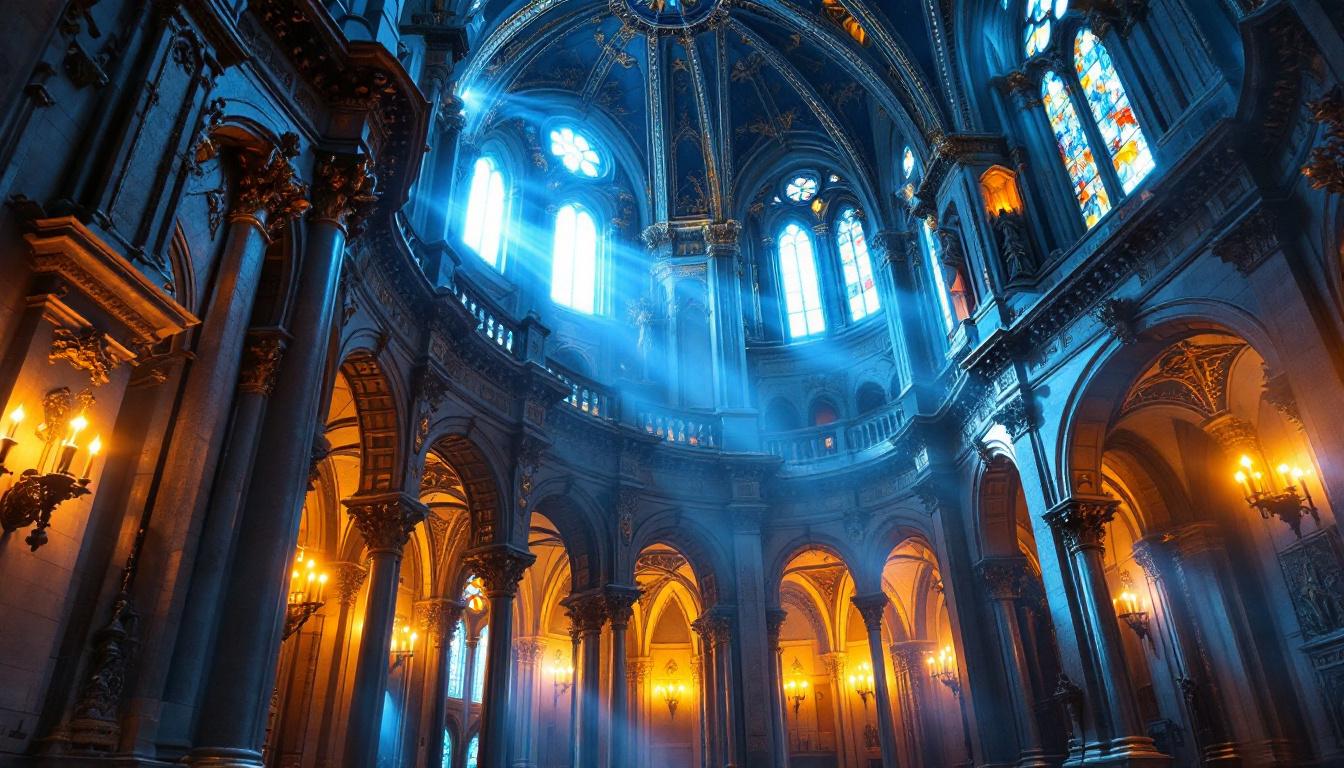
Lighting plays a pivotal role in enhancing the architectural beauty of cathedrals and other historical buildings. For lighting contractors, understanding the nuances of cathedral lighting can significantly elevate their work and the overall experience of the space. This article delves into proven methods and techniques that can help lighting contractors effectively illuminate these magnificent structures while respecting their historical integrity.
Understanding the Unique Challenges of Cathedral Lighting
Cathedrals present a unique set of challenges when it comes to lighting. Their vast spaces, intricate designs, and historical significance require careful consideration and expertise. Unlike typical commercial or residential projects, cathedral lighting must harmonize with the architectural features while providing adequate illumination.
One of the primary challenges is the sheer scale of these buildings. High ceilings and expansive naves can create difficulties in achieving uniform lighting. Additionally, the materials used in construction, such as stained glass, stone, and wood, can absorb and reflect light in unexpected ways, necessitating a tailored approach to lighting design.
Historical Preservation
When working on cathedral lighting, it is crucial to prioritize historical preservation. Many cathedrals are protected by heritage laws, which means that any alterations to their lighting must be done with care. This often involves working closely with preservationists and understanding the historical context of the building.
Lighting contractors should aim to enhance the existing features rather than overshadow them. This can be achieved by utilizing techniques that highlight architectural details, such as columns, arches, and altars, while ensuring that the overall ambiance remains respectful of the space’s history.
Lighting Design Principles
Effective lighting design for cathedrals involves several key principles. First and foremost is the concept of layering light. This technique combines ambient, task, and accent lighting to create a balanced and dynamic atmosphere. Ambient lighting provides general illumination, while task lighting focuses on specific areas, such as altars or chapels. Accent lighting, on the other hand, highlights architectural features and artwork.
Another important principle is the use of color temperature. Warmer light can evoke a sense of comfort and reverence, making it suitable for worship spaces. In contrast, cooler light may be used to highlight modern installations or specific areas that require attention. Understanding the psychological effects of light can help contractors make informed decisions about the lighting scheme.
Proven Techniques for Effective Cathedral Lighting
Implementing effective lighting techniques can significantly enhance the visual impact of a cathedral. Here are some proven methods that lighting contractors can adopt to achieve stunning results.
Utilizing Natural Light
One of the most effective ways to illuminate a cathedral is by harnessing natural light. Large windows, especially those adorned with stained glass, can create a breathtaking interplay of light and color. Lighting contractors should consider the position of the sun at different times of the year to maximize the benefits of natural light.
Strategically placing artificial lighting to complement natural light sources can create a harmonious balance. For instance, during the day, the focus can be on enhancing the natural light, while at night, artificial lighting can take center stage, ensuring that the beauty of the cathedral is preserved regardless of the time.
LED Technology
The advent of LED technology has revolutionized the lighting industry, and its application in cathedral lighting is no exception. LEDs offer numerous advantages, including energy efficiency, longevity, and versatility. They can be used in various fixtures, from recessed lights to decorative chandeliers.
Moreover, LEDs can be dimmed and color-tuned, allowing for greater control over the ambiance. This flexibility is particularly beneficial in a cathedral setting, where the lighting needs may change depending on the time of day or the nature of the event being held.
Highlighting Architectural Features
Cathedrals are often filled with intricate architectural details that deserve to be highlighted. Techniques such as wall washing, grazing, and spotlighting can be employed to draw attention to these features. Wall washing involves evenly distributing light across a surface, while grazing accentuates texture by placing lights close to the wall.
Spotlighting can be used to focus on specific elements, such as sculptures or altarpieces. By employing these techniques, lighting contractors can create a visual narrative that guides visitors through the space, enhancing their experience and appreciation of the architecture.
Creating an Inviting Atmosphere
In addition to illuminating architectural features, it is essential to create an inviting atmosphere within the cathedral. The lighting should evoke a sense of peace and reverence, encouraging visitors to reflect and engage with the space.
Adjustable Lighting Systems
Implementing adjustable lighting systems can significantly enhance the atmosphere of a cathedral. These systems allow for the lighting to be tailored to different events, such as services, concerts, or community gatherings. For instance, a more subdued lighting scheme may be appropriate for a contemplative service, while brighter, dynamic lighting could enhance a musical performance.
By incorporating control systems that allow for easy adjustments, lighting contractors can ensure that the cathedral remains a versatile space that meets the needs of its community.
Incorporating Color and Texture
Color and texture play a vital role in creating an inviting atmosphere. The use of colored lighting can evoke different emotions and set the tone for various events. For example, warm hues can create a cozy and welcoming environment, while cooler tones may convey a sense of tranquility.
Texture can also be highlighted through lighting. By casting light at different angles, contractors can reveal the intricate details of stonework or wood carvings, adding depth and dimension to the space. This interplay of color and texture can transform a cathedral into a captivating experience for visitors.
Case Studies: Successful Cathedral Lighting Projects
Examining successful cathedral lighting projects can provide valuable insights for lighting contractors. These case studies highlight innovative approaches and techniques that have been employed to enhance the beauty of these sacred spaces.
St. Patrick’s Cathedral, New York
St. Patrick’s Cathedral in New York City is a prime example of how lighting can enhance a historic space. The renovation project focused on restoring the cathedral’s original lighting scheme while incorporating modern technology. LED fixtures were installed to replace outdated incandescent bulbs, significantly reducing energy consumption while maintaining the warm ambiance of the space.
The project also included the installation of adjustable lighting systems, allowing for flexibility during different events. By highlighting architectural features such as the stunning stained glass windows and intricate altars, the lighting design has transformed the visitor experience, making the cathedral more inviting and engaging.
Chartres Cathedral, France
Chartres Cathedral is renowned for its stunning stained glass windows and Gothic architecture. A recent lighting project aimed to enhance the visibility of these features while preserving the historical integrity of the building. The use of subtle LED lighting allowed for the delicate colors of the stained glass to shine without overwhelming the space.
This project also focused on creating a dynamic lighting scheme that could adapt to different times of the day and seasonal events. By utilizing programmable lighting controls, the cathedral can now showcase its beauty in various ways, enhancing the overall experience for visitors and worshippers alike.
Best Practices for Lighting Contractors
To achieve successful outcomes in cathedral lighting projects, lighting contractors should adhere to several best practices. These guidelines can help ensure that the lighting design is effective, respectful, and sustainable.
Collaboration with Stakeholders
Collaboration is key when working on cathedral lighting projects. Lighting contractors should engage with architects, preservationists, and clergy to understand the specific needs and goals of the project. This collaborative approach ensures that the final design aligns with the vision of all stakeholders while respecting the historical significance of the building.
Regular communication throughout the project can also help address any concerns or challenges that may arise, leading to a more cohesive and successful outcome.
Conducting Thorough Assessments
Before embarking on a lighting project, conducting thorough assessments of the space is essential. This includes evaluating existing lighting conditions, understanding the architectural features, and identifying any potential challenges. By gathering this information, contractors can develop a tailored lighting design that meets the specific needs of the cathedral.
Additionally, considering the acoustics and functionality of the space can enhance the overall effectiveness of the lighting design. A comprehensive assessment lays the groundwork for a successful project.
Emphasizing Sustainability
Sustainability should be a priority in any lighting project. By selecting energy-efficient fixtures and implementing smart lighting controls, contractors can significantly reduce energy consumption and operational costs. This not only benefits the environment but also aligns with the values of many faith communities that prioritize stewardship of resources.
Furthermore, sustainable practices can enhance the longevity of the lighting installation, ensuring that the cathedral remains beautifully illuminated for years to come.
Conclusion
Cathedral lighting is a specialized field that requires a deep understanding of both technical and artistic principles. By employing proven methods and techniques, lighting contractors can create stunning lighting designs that enhance the beauty and functionality of these sacred spaces. Through collaboration, thorough assessments, and a commitment to sustainability, contractors can ensure that their projects are not only visually striking but also respectful of the historical significance of the buildings they illuminate.
As the role of lighting continues to evolve, staying informed about the latest technologies and design trends will be crucial for lighting contractors. By embracing innovation while honoring tradition, they can contribute to the ongoing legacy of these magnificent structures, ensuring that they remain vibrant and welcoming for generations to come.
Illuminate Your Cathedral Projects with LumenWholesale
Ready to bring your cathedral lighting projects to life with the highest quality fixtures at the best value? Look no further than LumenWholesale. Our spec-grade lighting products are designed to meet the unique challenges of cathedral lighting, ensuring durability, aesthetic appeal, and energy efficiency. With unbeatable wholesale prices and free shipping on bulk orders, LumenWholesale is your go-to source for lighting that respects both tradition and innovation. Elevate your lighting designs and discover the best wholesale lighting value today.