Introduction to Solar-Powered Outdoor Patio Lighting
As the demand for sustainable and energy-efficient solutions continues to grow, solar-powered outdoor patio lights have emerged as a popular choice among homeowners. These lights not only enhance the aesthetic appeal of outdoor spaces but also offer significant energy savings and environmental benefits. For lighting contractors, understanding the intricacies of solar-powered lighting systems is essential to meet client expectations and deliver exceptional results.
This article serves as a comprehensive checklist for lighting contractors looking to install solar-powered outdoor patio lights. By following this guide, contractors can ensure that they address all critical aspects of the installation process, from selecting the right products to ensuring proper placement and functionality.
One of the key advantages of solar-powered outdoor lighting is its versatility. These lights come in various styles, from sleek modern designs to vintage lanterns, allowing homeowners to choose options that complement their outdoor decor. Additionally, many solar lights now feature advanced technologies such as motion sensors and adjustable brightness settings, providing both security and convenience. This adaptability not only satisfies aesthetic preferences but also caters to different functional needs, making solar lighting a smart choice for any outdoor setting.
Moreover, the installation of solar-powered lights can significantly reduce the carbon footprint of a home. Unlike traditional lighting systems that rely on grid electricity, solar lights harness energy from the sun, which is renewable and abundant. This shift not only lowers electricity bills but also promotes a more sustainable lifestyle. For contractors, educating clients about these benefits can enhance their value proposition and encourage more homeowners to consider solar options. By emphasizing the long-term savings and environmental impact, contractors can position themselves as knowledgeable advocates for green technology in outdoor lighting.
Understanding Solar-Powered Lighting Systems
How Solar Lighting Works
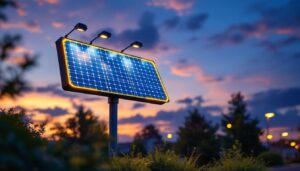
Solar-powered outdoor lights operate by harnessing sunlight through solar panels, which convert solar energy into electricity. This electricity is stored in rechargeable batteries, allowing the lights to function even when the sun isn’t shining. Understanding this basic principle is crucial for contractors, as it informs product selection and installation techniques.
Most solar lights come equipped with built-in sensors that automatically turn the lights on at dusk and off at dawn. This feature not only conserves battery life but also enhances user convenience. Familiarity with these components is essential for troubleshooting and maintenance in the future. Additionally, some advanced solar lighting systems incorporate motion sensors, which can detect movement and activate the lights only when necessary. This not only further conserves energy but also adds an extra layer of security to outdoor spaces, making them less inviting to potential intruders.
Benefits of Solar-Powered Outdoor Lighting
Solar-powered outdoor patio lights offer numerous advantages that make them an attractive option for homeowners. Firstly, they are energy-efficient, which translates to lower electricity bills. Secondly, they are environmentally friendly, reducing reliance on fossil fuels and minimizing carbon footprints.
Additionally, solar lights are typically easy to install, requiring no complex wiring or electrical work. This simplicity can save contractors time and effort, allowing for quicker project completion. Moreover, many solar lighting systems are designed to be weather-resistant, ensuring durability and longevity even in harsh outdoor conditions. This resilience means that homeowners can enjoy their lighting solutions without the worry of frequent replacements. Finally, the variety of styles and designs available means that contractors can cater to diverse aesthetic preferences, enhancing the overall appeal of outdoor spaces. From sleek modern designs to charming vintage lanterns, there is a solar lighting option to suit every taste and complement any landscape design.
Essential Considerations for Installation
Site Assessment
Before diving into the installation process, conducting a thorough site assessment is crucial. This involves evaluating the outdoor space to determine the best locations for solar lights. Key factors to consider include the amount of sunlight the area receives throughout the day, potential obstructions like trees or buildings, and the intended use of the space.
Contractors should also take note of any existing electrical systems or landscaping features that may impact the installation. By gathering this information upfront, contractors can make informed decisions about product selection and placement, ensuring optimal performance of the solar lights. Moreover, understanding the seasonal variations in sunlight exposure can help in selecting the most effective solar lights for year-round use. For instance, areas that receive less sunlight during winter months may benefit from solar lights with higher efficiency ratings or those equipped with advanced technology that allows for better energy storage.
Choosing the Right Solar Lights
With a plethora of solar lighting options available, selecting the right products can be daunting. Factors to consider include brightness levels, battery capacity, and design aesthetics. Brightness is typically measured in lumens, and contractors should choose lights that provide adequate illumination for the intended space.
Battery capacity is another critical aspect, as it determines how long the lights will operate after sundown. For patios that require extended lighting, opting for lights with larger batteries or those that can be easily replaced is advisable. Additionally, the design of the lights should complement the overall style of the outdoor space, enhancing its visual appeal. It’s also worth exploring smart solar lights that can be controlled via mobile apps, allowing users to adjust brightness levels or set timers for when the lights should turn on and off. This not only adds convenience but can also lead to energy savings, as users can optimize their lighting based on their specific needs and preferences.
Installation Process
Preparation and Tools
Before installation begins, contractors should gather all necessary tools and materials. Common tools include a shovel for digging holes, a level for ensuring proper alignment, and a tape measure for accurate spacing. Having everything on hand will streamline the installation process and minimize disruptions.
It’s also essential to review the manufacturer’s installation instructions for each product. These guidelines often contain valuable information regarding optimal placement, wiring (if applicable), and maintenance tips. Familiarizing oneself with these instructions can prevent common pitfalls during installation.
Placement and Positioning
Proper placement of solar lights is vital for maximizing their efficiency. Ideally, lights should be positioned in areas that receive direct sunlight for a significant portion of the day. This ensures that the solar panels can effectively charge the batteries, providing reliable illumination at night.
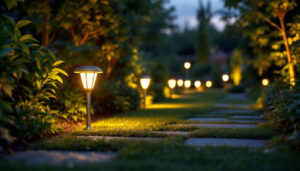
Contractors should also consider the height and angle of the lights. For example, pathway lights should be installed at a height that allows for adequate visibility without being obtrusive. Similarly, spotlights should be angled to highlight specific features, such as trees or architectural elements, enhancing the overall ambiance of the patio.
Maintenance and Troubleshooting
Regular Maintenance Practices
To ensure the longevity and performance of solar-powered outdoor lights, regular maintenance is essential. This includes cleaning the solar panels to remove dust and debris that can hinder their efficiency. A soft cloth and mild soap solution are typically sufficient for this task.
Additionally, contractors should advise clients to check the batteries periodically. Over time, batteries may lose their ability to hold a charge, necessitating replacement. By educating clients on these maintenance practices, contractors can help ensure that the lighting systems remain functional and effective for years to come.
Troubleshooting Common Issues
Even with proper installation and maintenance, issues may arise with solar-powered lights. Common problems include dim lighting, lights not turning on, or inconsistent performance. When troubleshooting, contractors should first check the solar panels for obstructions and ensure they are clean.
If the lights still do not function properly, it may be necessary to inspect the batteries. Replacing old or faulty batteries can often resolve performance issues. In cases where lights are still not operational, consulting the manufacturer’s guidelines or seeking professional assistance may be required.
Enhancing Outdoor Spaces with Solar Lighting
Creative Lighting Solutions
Solar-powered outdoor patio lights can be used in various creative ways to enhance outdoor spaces. For instance, string lights can create a cozy atmosphere, perfect for gatherings or intimate dinners. Similarly, solar spotlights can be strategically placed to highlight landscaping features or architectural elements, adding depth and interest to the space.
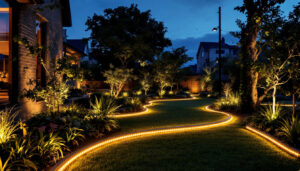
Incorporating solar lights into landscaping design can also create a seamless transition between indoor and outdoor areas. By using solar lights to illuminate pathways, gardens, or seating areas, contractors can create inviting spaces that encourage outdoor living.
Client Education and Engagement
Educating clients about the benefits and functionality of solar-powered outdoor lights is crucial for successful installations. Contractors should take the time to explain how the lights work, their maintenance requirements, and how to maximize their use. This engagement fosters trust and ensures clients feel confident in their investment.
Additionally, providing clients with design ideas and inspiration can help them envision the potential of their outdoor spaces. Sharing examples of previous projects or utilizing design software can make the possibilities more tangible, encouraging clients to embrace solar lighting solutions.
Conclusion
Solar-powered outdoor patio lights represent a sustainable and efficient lighting solution that enhances outdoor spaces while reducing energy costs. For lighting contractors, understanding the intricacies of solar lighting systems is essential to delivering high-quality installations that meet client expectations.
By following this comprehensive checklist, contractors can ensure they cover all critical aspects of the installation process, from site assessment and product selection to proper maintenance and troubleshooting. Ultimately, embracing solar-powered lighting solutions not only benefits clients but also contributes to a more sustainable future.
As the popularity of solar lighting continues to rise, contractors who stay informed and adaptable will be well-positioned to meet the evolving needs of their clients and the market. With the right knowledge and skills, solar-powered outdoor patio lights can transform outdoor spaces into beautifully illuminated retreats.
Illuminate with LumenWholesale
Ready to elevate your outdoor patio projects with solar-powered lighting solutions that promise sustainability, efficiency, and undeniable aesthetic appeal? Look no further than LumenWholesale, where we provide contractors with the finest spec-grade lighting products at unmatched wholesale prices. Our commitment to quality and affordability ensures that you can offer your clients the best value in solar lighting without the burden of inflated costs. Plus, with free shipping on bulk orders, you can stock up on all your lighting needs effortlessly. Transform your outdoor lighting installations into stunning retreats with the confidence that comes from partnering with LumenWholesale. Discover our extensive selection and take advantage of the best value in wholesale lighting by visiting Wholesale Lighting at the Best Value today.