Understanding the Basics of LED Bulbs
LED bulbs have transformed the lighting industry, offering efficiency and longevity that traditional bulbs simply cannot match. For lighting contractors, grasping the fundamentals of LED technology is crucial to delivering quality installations and advising clients effectively.
LED stands for Light Emitting Diode, a semiconductor device that emits light when an electric current passes through it. Unlike incandescent bulbs that rely on heating a filament, LEDs produce light through electroluminescence, which results in significantly less energy waste and heat generation. This not only enhances the safety of installations but also contributes to a more sustainable energy consumption model, making LEDs an ideal choice for eco-conscious consumers.
One of the key benefits for contractors is the extended lifespan of LED bulbs—often lasting tens of thousands of hours. This reduces maintenance frequency and replacement costs, making LEDs a popular choice for both residential and commercial projects. Additionally, the durability of LED technology means they are less prone to breakage compared to fragile incandescent or fluorescent bulbs, which can be a significant advantage in high-traffic areas or installations in challenging environments.
What Are the Different Types of LED Bulbs?
LED bulbs come in various shapes and sizes to fit diverse fixtures and applications. Common types include A-series (standard household bulbs), GU10 (spotlights), MR16 (low-voltage directional lighting), and tubular LEDs often used in commercial settings. Each type is designed to meet specific lighting needs, whether it’s general illumination, accent lighting, or task lighting.
Each bulb type has specific base types, voltage requirements, and beam angles. Understanding these distinctions helps contractors select the right bulb for the fixture and the intended lighting effect. Moreover, advancements in LED technology have led to the development of smart LED bulbs, which can be controlled via smartphone apps or voice commands, adding an extra layer of convenience and functionality for users looking to enhance their lighting experience.
How Do LED Bulbs Compare to Other Bulb Types?
Compared to incandescent and halogen bulbs, LEDs consume up to 80% less energy. Fluorescent bulbs, while more efficient than incandescents, contain mercury and have shorter lifespans than LEDs. For contractors, this means recommending LEDs not only supports energy savings but also aligns with environmental safety standards. Furthermore, the color rendering index (CRI) of LED bulbs is often superior, providing more accurate color representation, which is particularly important in settings like art galleries, retail spaces, and photography studios.
Additionally, the versatility of LED technology allows for a wide range of color temperatures, from warm whites that mimic traditional incandescent light to cool whites that enhance focus and productivity in work environments. This flexibility enables contractors to cater to the specific ambiance desired by their clients, ensuring that the lighting complements the overall design and functionality of the space. As the demand for energy-efficient lighting continues to rise, staying informed about the latest advancements in LED technology will be essential for contractors looking to remain competitive in the industry.
Common Installation and Compatibility Questions
Lighting contractors often face questions about LED bulb compatibility and installation challenges. Addressing these concerns upfront can prevent costly mistakes and improve client satisfaction.
Can LED Bulbs Work with Existing Fixtures?
Most LED bulbs are designed to fit standard fixtures, but compatibility depends on factors like socket type, voltage, and fixture design. For example, replacing an incandescent bulb with an LED in a dimmable fixture requires an LED rated for dimming; otherwise, flickering or damage can occur.
Moreover, some older fixtures may have transformers or ballasts designed for fluorescent or halogen bulbs. LEDs often require bypassing or replacing these components to function correctly. It’s essential to educate clients about these potential changes, as they may not realize that simply swapping bulbs can lead to issues. Providing a detailed explanation of the installation process can help clients feel more confident in their choices and the overall project.
What About Dimming and Controls?
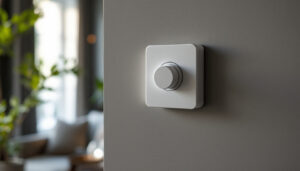
Dimming LED bulbs isn’t as straightforward as with traditional bulbs. Not all LEDs are dimmable, and those that are require compatible dimmer switches. Contractors should verify the bulb’s specifications and recommend dimmers designed for LED loads to avoid flickering or buzzing.
Smart LED bulbs introduce additional complexity, often integrating wireless controls and requiring network setup. While these offer advanced features, contractors need to be familiar with the technology to provide proper installation and troubleshooting. Additionally, educating clients about the benefits of smart lighting, such as energy savings and customizable settings, can enhance their experience and satisfaction with the installation. This knowledge empowers clients to make informed decisions about their lighting systems and encourages them to explore the full range of options available.
Are There Special Considerations for Outdoor LED Lighting?
Outdoor LED installations must account for weatherproofing, temperature extremes, and exposure to moisture. Bulbs and fixtures rated for outdoor use typically have IP (Ingress Protection) ratings indicating their resistance to dust and water.
Contractors should select LED bulbs and fixtures with appropriate IP ratings and ensure proper sealing and installation to prevent premature failure. Furthermore, it’s crucial to consider the placement of outdoor fixtures to maximize their effectiveness and longevity. For instance, positioning lights away from direct exposure to heavy rain or snow can significantly extend their lifespan. Additionally, educating clients on the importance of regular maintenance, such as cleaning fixtures and checking seals, can help maintain optimal performance and aesthetics over time. By addressing these considerations, contractors can ensure that their outdoor lighting installations not only meet client expectations but also withstand the test of time and environmental challenges.
Performance and Quality Factors Contractors Should Know
Not all LED bulbs are created equal. Performance varies widely based on manufacturer quality, design, and materials. Lighting contractors must be able to discern these differences to guarantee reliable, high-quality outcomes.
What Does Color Temperature Mean for LED Bulbs?
Color temperature, measured in Kelvins (K), describes the hue of the light emitted. Lower temperatures (2700K–3000K) produce warm, yellowish light ideal for residential spaces, while higher temperatures (4000K–5000K) emit cooler, bluish light suited for commercial or task lighting.
Contractors should advise clients based on the intended atmosphere and function of the space. Mixing color temperatures within a single area can cause visual discomfort or inconsistent aesthetics.
How Important Is Color Rendering Index (CRI)?
CRI measures how accurately a light source reveals colors compared to natural light. A CRI above 80 is generally acceptable for most applications, but higher values (90+) are preferred in retail, art galleries, or medical environments where color fidelity is critical.
Choosing LED bulbs with an appropriate CRI ensures that spaces look vibrant and true to life, enhancing both functionality and customer satisfaction.
What About Brightness and Wattage Equivalents?
LED bulbs use far less wattage than incandescent bulbs to produce the same brightness, measured in lumens. For example, a 10-watt LED bulb might replace a 60-watt incandescent. Contractors should focus on lumens rather than wattage when specifying bulbs to meet client expectations.
Understanding this equivalency helps avoid under- or over-lighting spaces, which can impact energy efficiency and occupant comfort.
Addressing Durability and Maintenance Concerns
Lighting contractors often get asked about the durability and upkeep of LED bulbs, especially in demanding environments.
How Resistant Are LED Bulbs to Environmental Factors?
LEDs are generally more robust than traditional bulbs, with solid-state components that resist shock and vibration. However, extreme temperatures can affect performance and lifespan. High heat can degrade LED chips, so proper heat dissipation through fixtures is essential.
Contractors should select bulbs with adequate thermal management features and ensure fixtures allow for airflow to maintain optimal operating temperatures.
What Maintenance Is Required for LED Lighting?
One of the biggest advantages of LEDs is minimal maintenance due to their long lifespan. Still, periodic cleaning of fixtures and lenses is necessary to maintain light output and appearance.
In commercial or industrial settings, contractors should recommend scheduled inspections to identify any early signs of failure or damage, ensuring uninterrupted lighting performance.
How to Handle LED Bulb Failures?
When LED bulbs fail prematurely, it’s often due to poor quality components, improper installation, or incompatible fixtures. Contractors should always source bulbs from reputable manufacturers and follow installation guidelines carefully.
Offering warranties and educating clients on proper use can help manage expectations and reduce service calls.
Energy Efficiency and Regulatory Considerations
Energy codes and regulations increasingly favor LED lighting due to its efficiency and environmental benefits. Contractors must stay informed to ensure compliance and maximize incentives.
What Are the Key Energy Standards for LED Lighting?
Many regions have minimum efficiency requirements for lighting products, often expressed through certifications like ENERGY STAR or compliance with local building codes. These standards ensure that LEDs meet baseline performance and energy-saving criteria.
Contractors should verify that the bulbs they install comply with applicable regulations to avoid penalties and qualify for rebates or tax incentives.
How Can Contractors Help Clients Maximize Energy Savings?
Beyond choosing efficient bulbs, contractors can recommend lighting controls such as occupancy sensors, daylight harvesting systems, and programmable timers. These technologies reduce energy waste by adjusting lighting based on actual need.
Integrating smart lighting solutions also offers long-term savings and enhanced user experience, making projects more attractive to clients focused on sustainability.
Are There Environmental Benefits to Using LED Bulbs?
LEDs consume less electricity, reducing greenhouse gas emissions associated with power generation. Additionally, they contain no hazardous materials like mercury found in fluorescent bulbs, simplifying disposal and recycling.
Contractors who emphasize these environmental advantages can position themselves as responsible professionals aligned with green building practices.
Final Thoughts for Lighting Contractors
Mastering the nuances of LED bulb types, performance characteristics, and installation considerations empowers lighting contractors to deliver superior results. Clients rely on expert guidance to navigate the complex world of LED lighting, from selecting the right bulb to ensuring compliance with energy codes.
Staying current with technological advancements and industry standards is essential. This knowledge not only enhances project quality but also builds trust and long-term client relationships.
Ultimately, LED lighting offers opportunities for innovation, efficiency, and sustainability-areas where skilled contractors can truly shine.
Get Your Premium LED Lighting Supplies at LumenWholesale
As a lighting contractor, you understand the importance of using high-quality LED bulbs to achieve energy efficiency, sustainability, and client satisfaction. At LumenWholesale, we’re committed to supporting your projects by providing spec-grade lighting products that meet the highest industry standards. Take advantage of our unbeatable wholesale prices and hassle-free bulk buying with free shipping. Elevate your lighting installations with the perfect blend of quality, affordability, and convenience. Wholesale Lighting at the Best Value is just a click away. Partner with us today and make every project shine with LumenWholesale.