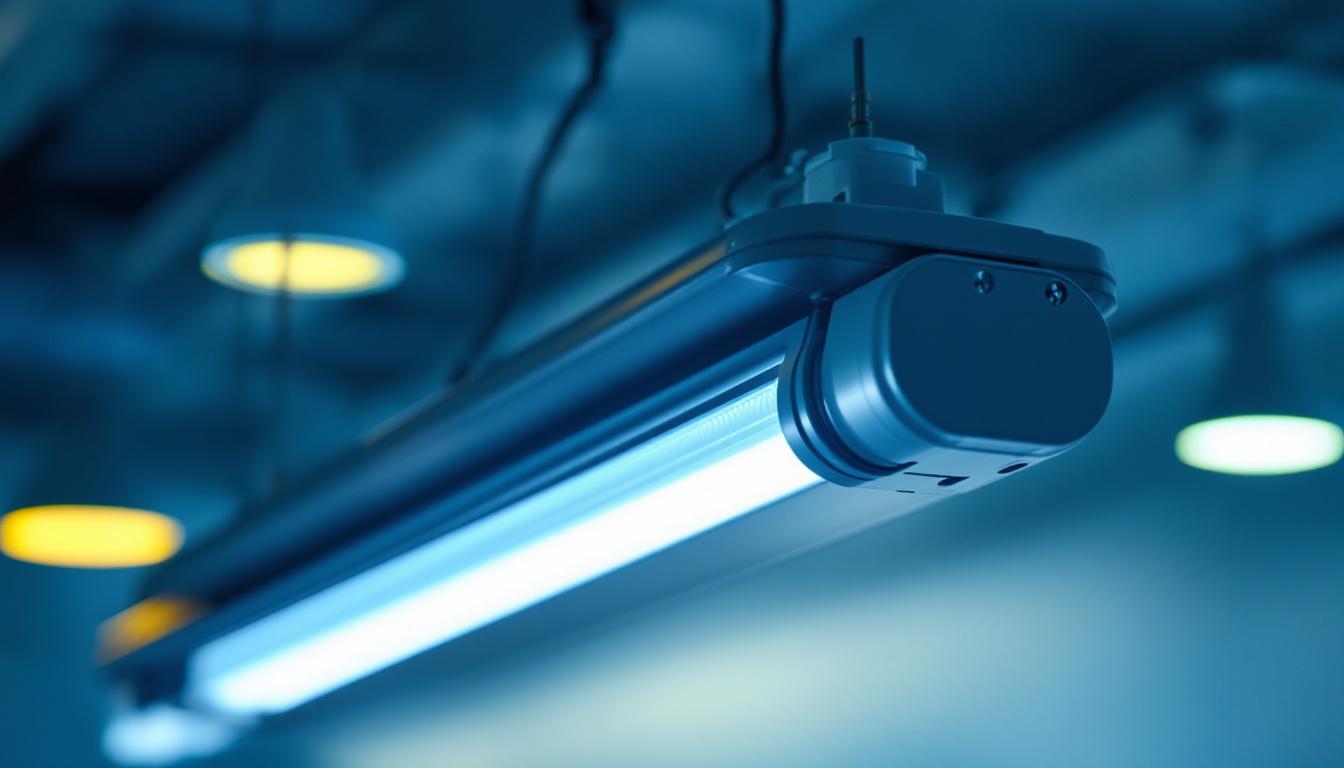
Understanding T8 Lighting and the Role of Ballasts
T8 fluorescent lighting has long been a staple in commercial, industrial, and institutional environments due to its energy efficiency and reliable performance. The “T8” designation refers to the tube’s diameter, which is 1 inch (or 8 eighths of an inch), and these lamps are widely favored for their balance of brightness and energy consumption. However, the operation of T8 lamps is not possible without an essential component: the ballast.
A ballast is an electrical device that regulates the current to the fluorescent lamp and provides sufficient voltage to start it. Without a ballast, a fluorescent lamp would draw excessive current and quickly burn out. The ballast ensures the lamp operates safely and efficiently, making it a critical element in any T8 lighting system.
For lighting contractors, understanding the nuances of ballasts—how they work, their types, and their impact on lighting performance—is crucial. This knowledge not only helps in selecting the right components but also in optimizing energy use, reducing maintenance costs, and enhancing overall lighting quality.
There are primarily two types of ballasts used with T8 fluorescent lamps: magnetic and electronic. Magnetic ballasts are the traditional option, known for their durability and reliability, but they tend to be less energy-efficient and can produce a flickering effect. On the other hand, electronic ballasts are more modern, offering higher energy efficiency and a flicker-free operation, which can significantly improve the quality of light in a workspace. They also allow for features like dimming and better control over the light output, making them a preferred choice for many new installations.
Moreover, the choice of ballast can also influence the overall lifespan of T8 lamps. An appropriate ballast can extend the life of the fluorescent tubes by providing a stable operating environment, while an incompatible or poor-quality ballast can lead to premature lamp failure. This consideration is particularly important in settings where lighting is critical for productivity and safety, such as in manufacturing plants or hospitals. Therefore, lighting professionals must stay informed about advancements in ballast technology and the latest energy efficiency standards to ensure optimal performance and compliance with regulations.
The Evolution of Ballasts: From Magnetic to Electronic
The Limitations of Magnetic Ballasts
Historically, magnetic ballasts were the standard for fluorescent lighting systems. These ballasts use electromagnetic induction to regulate current but come with several drawbacks. They are bulky, heavy, and generate noticeable heat and humming noise. Additionally, magnetic ballasts are less energy-efficient, often consuming more power than necessary and contributing to higher operational costs.
For contractors, installations using magnetic ballasts can be challenging due to their size and weight, especially in retrofit projects where space constraints are a concern. Moreover, the lifespan of magnetic ballasts tends to be shorter, leading to more frequent replacements and increased maintenance efforts.
The Rise of Electronic Ballasts
Electronic ballasts have revolutionized the lighting industry by addressing many of the shortcomings of magnetic ballasts. These devices use solid-state electronics to regulate the current, resulting in quieter operation, reduced heat output, and significantly improved energy efficiency—often reducing energy consumption by up to 30% compared to magnetic ballasts.
Electronic ballasts also improve lamp life by providing a more stable and controlled current. They enable instant or rapid start capabilities, which is particularly beneficial in environments where lighting needs to be switched on and off frequently. For lighting contractors, electronic ballasts offer easier installation due to their lighter weight and compact design, as well as enhanced compatibility with modern lighting controls.
Energy Efficiency and Environmental Impact
Meeting Increasing Energy Regulations
Energy efficiency has become a driving force in the lighting industry, influenced by stricter regulations and growing environmental awareness. Ballasts play a significant role in achieving compliance with energy standards such as those set by the U.S. Department of Energy (DOE) and other international bodies.
Electronic ballasts designed for T8 lamps often meet or exceed these energy efficiency requirements, enabling buildings to reduce their energy consumption and carbon footprint. For contractors, specifying compliant ballasts can be a key selling point when bidding on projects, especially in government or corporate sectors where sustainability is prioritized.
Reducing Environmental Footprint
Beyond energy savings, modern ballasts contribute to environmental sustainability by minimizing hazardous waste. Magnetic ballasts often contain materials such as PCBs (polychlorinated biphenyls), which are harmful to the environment. Contemporary electronic ballasts avoid these substances, making disposal safer and more environmentally responsible.
Additionally, the extended lifespan of electronic ballasts reduces the frequency of replacements, decreasing waste generation over time. Lighting contractors who promote these benefits can enhance their reputation as environmentally conscious professionals, aligning with the values of eco-aware clients.
Advancements in Ballast Technology and Their Benefits
Smart Ballasts and Integration with Lighting Controls
The lighting industry is increasingly embracing smart technologies, and ballasts are no exception. Modern electronic ballasts can integrate with advanced lighting control systems, including occupancy sensors, daylight harvesting, and dimming controls. This integration allows for dynamic lighting management, further optimizing energy use and enhancing occupant comfort.
For lighting contractors, installing smart ballasts opens opportunities to offer value-added services such as lighting automation and energy monitoring. These systems can lead to significant operational savings for end-users, making projects more attractive and competitive.
Improved Power Quality and Reduced Flicker
One of the challenges with fluorescent lighting has been flicker, which can cause discomfort and reduce productivity in workplaces. Advanced electronic ballasts minimize flicker by providing a stable current and operating at high frequencies, often above 20,000 Hz, which is imperceptible to the human eye.
Improved power quality also reduces electromagnetic interference with other devices, an important consideration in sensitive environments like hospitals and laboratories. Lighting contractors benefit from fewer service calls and enhanced client satisfaction by specifying ballasts that deliver superior performance.
Installation Considerations and Best Practices for Lighting Contractors
Selecting the Right Ballast for the Application
Choosing the appropriate ballast involves considering several factors, including lamp compatibility, voltage requirements, dimming capabilities, and environmental conditions. For T8 lighting systems, contractors should verify that the ballast matches the lamp type (e.g., rapid start, instant start, programmed start) to ensure optimal performance and longevity.
Environmental factors such as ambient temperature and humidity also influence ballast selection. Some electronic ballasts are rated for use in extreme conditions, making them suitable for industrial or outdoor applications. Understanding these specifications helps contractors avoid premature failures and costly callbacks.
Wiring and Safety Protocols
Proper installation practices are essential for the safe and efficient operation of ballasts. Contractors must follow manufacturer guidelines and local electrical codes, ensuring correct wiring polarity and secure connections. Using appropriate tools and testing equipment during installation can prevent common issues such as ballast overheating or lamp flickering.
Additionally, contractors should be aware of ballast disposal regulations, especially when replacing older magnetic ballasts that may contain hazardous materials. Responsible handling and recycling contribute to environmental stewardship and regulatory compliance.
Economic Implications: Cost vs. Long-Term Savings
Initial Investment Considerations
Electronic ballasts typically come at a higher upfront cost compared to magnetic ballasts. This initial investment can sometimes deter clients focused on immediate expenses rather than long-term benefits. However, lighting contractors play a crucial role in educating clients about the total cost of ownership, which includes energy savings, maintenance reduction, and improved lighting quality.
By presenting detailed cost-benefit analyses and case studies, contractors can demonstrate how electronic ballasts pay for themselves over time through lower utility bills and fewer replacements.
Maintenance and Operational Savings
Electronic ballasts require less maintenance due to their longer lifespan and more reliable operation. Reduced heat generation also lessens the strain on HVAC systems, indirectly lowering energy costs. For large facilities with extensive lighting systems, these savings can be substantial.
Contractors who emphasize these operational advantages can position themselves as trusted advisors, helping clients make informed decisions that align with their financial and sustainability goals.
Future Trends and the Growing Importance of Ballasts in Lighting
Transition to LED and the Role of Ballasts
While LED technology is rapidly gaining ground in the lighting market, fluorescent T8 lamps and ballasts remain prevalent in many applications due to cost and retrofit compatibility. Interestingly, some ballasts are now designed to support LED tube replacements, enabling contractors to upgrade lighting systems without extensive rewiring.
This hybrid approach offers a practical pathway for clients to transition toward LED lighting incrementally, preserving existing infrastructure while benefiting from LED efficiency. Contractors who stay informed about these hybrid ballast technologies can expand their service offerings and meet diverse client needs.
Continued Innovation and Market Demand
As energy codes become more stringent and building automation advances, the demand for intelligent, efficient ballasts will continue to grow. Innovations such as wireless ballast control, integration with IoT platforms, and enhanced diagnostics are shaping the future of lighting systems.
For lighting contractors, embracing these trends is essential to remain competitive and deliver cutting-edge solutions. Investing in training and staying current with ballast technologies will empower contractors to provide superior service and drive industry progress.
Conclusion
Ballasts for T8 lighting systems are more than just ancillary components; they are pivotal to the performance, efficiency, and sustainability of fluorescent lighting installations. The shift from magnetic to electronic ballasts has brought significant benefits in energy savings, operational reliability, and environmental impact.
For lighting contractors, a deep understanding of ballast technologies, installation best practices, and emerging trends is critical. This expertise not only enhances project outcomes but also positions contractors as valuable partners in the evolving lighting industry landscape. As lighting continues to advance, ballasts will remain a key element in delivering efficient, high-quality illumination solutions.
Illuminate Your Projects with LumenWholesale
Ready to enhance your lighting installations with the most efficient, reliable ballasts on the market? Look no further than LumenWholesale, where we specialize in providing lighting contractors with the highest quality T8 ballasts and more. Our commitment to excellence ensures that you receive spec-grade products at wholesale prices, directly cutting out unnecessary costs. With our vast selection that meets rigorous industry standards, you can trust that your projects will shine with superior performance and sustainability. Plus, with the convenience of free shipping on bulk orders, you can stock up on premium lighting solutions while keeping your budget in check. Don’t settle for less—choose LumenWholesale for the perfect fusion of quality, value, and service. Wholesale Lighting at the Best Value is just a click away.