In the ever-evolving landscape of lighting technology, auto motion sensors have emerged as a pivotal component for enhancing energy efficiency and security. For lighting contractors, understanding the intricacies of these devices is essential for delivering optimal solutions to clients. This guide delves into the various aspects of auto motion sensors, from their functionality to installation tips, ensuring that contractors are well-equipped to meet the demands of modern lighting projects.
Understanding Auto Motion Sensors
Auto motion sensors are devices designed to detect movement within a specified area, triggering lighting systems to turn on or off accordingly. These sensors are integral to both residential and commercial settings, providing convenience, safety, and energy savings. The technology behind motion sensors has advanced significantly, allowing for greater accuracy and versatility.
Types of Motion Sensors
There are several types of motion sensors available, each with its own unique characteristics and applications. The most common types include:
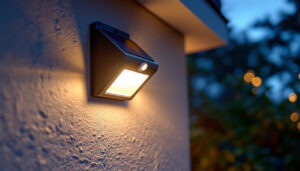
- PIR (Passive Infrared) Sensors: These sensors detect changes in infrared radiation, which is emitted by warm bodies. They are widely used in residential applications due to their effectiveness and affordability.
- Ultrasonic Sensors: Utilizing sound waves, these sensors can detect motion even through obstacles. They are ideal for larger areas and can be used in commercial settings where comprehensive coverage is required.
- Microwave Sensors: Similar to ultrasonic sensors, microwave sensors emit microwave pulses to detect movement. They are highly sensitive and can cover larger areas, making them suitable for various applications.
How Motion Sensors Work
The functionality of motion sensors relies on their ability to detect changes in the environment. PIR sensors, for instance, work by measuring the infrared radiation emitted by objects within their field of view. When a warm body, such as a person or animal, moves across the sensor’s detection zone, the change in infrared levels triggers the lighting system.
Ultrasonic and microwave sensors operate on different principles, using sound waves or electromagnetic waves, respectively. These sensors continuously emit waves and analyze the reflections to determine if there is movement. When a person enters the detection area, the reflected waves change, prompting the sensor to activate the lights.
Benefits of Using Auto Motion Sensors
Incorporating auto motion sensors into lighting systems offers numerous advantages for both contractors and clients. Understanding these benefits can help contractors make informed recommendations to their customers.
Energy Efficiency
One of the most significant benefits of motion sensors is their ability to enhance energy efficiency. By ensuring that lights are only on when needed, these sensors can lead to substantial energy savings. This is particularly important in commercial settings, where lighting costs can be a significant portion of the overall energy bill.
Moreover, many modern motion sensors are designed to work in conjunction with smart lighting systems, allowing for further optimization of energy usage. For instance, sensors can be programmed to adjust light levels based on the time of day or occupancy patterns, maximizing efficiency.
Improved Security
Auto motion sensors also play a crucial role in enhancing security. By automatically illuminating areas when motion is detected, they deter potential intruders and provide a sense of safety for occupants. This feature is particularly valuable in outdoor settings, such as parking lots or building entrances, where visibility is essential.
Additionally, integrating motion sensors with security systems can provide real-time alerts to property owners, ensuring that they are informed of any unusual activity. This proactive approach to security can significantly reduce the risk of theft or vandalism.
Convenience and Comfort
Beyond energy savings and security, motion sensors offer unparalleled convenience. Homeowners and businesses benefit from the automatic activation of lights, eliminating the need to fumble for switches in dark areas. This is especially useful in high-traffic zones such as hallways, staircases, and entryways.
Furthermore, motion sensors can be programmed to adjust lighting levels based on the time of day or specific activities. For example, lights can be dimmed during the evening or brightened during the day, creating a comfortable atmosphere tailored to the needs of the occupants.
Installation Considerations
For lighting contractors, proper installation of motion sensors is critical to ensure optimal performance. Several factors must be considered during the installation process to maximize the effectiveness of these devices.
Location and Coverage
Choosing the right location for motion sensors is paramount. Factors such as the sensor’s detection range, the layout of the area, and potential obstructions should all be taken into account. For instance, PIR sensors typically have a limited range and may not detect movement effectively if there are walls or furniture blocking their line of sight.
Contractors should also consider the coverage area required for the specific application. In larger spaces, multiple sensors may be necessary to ensure comprehensive coverage. Additionally, the height at which the sensor is mounted can impact its performance; mounting it too high may reduce sensitivity, while mounting it too low may lead to false triggers.
Wiring and Power Supply
Proper wiring is essential for the effective operation of motion sensors. Contractors should ensure that the sensors are wired to the appropriate power supply and that all connections are secure. In some cases, sensors may require a dedicated circuit, especially in high-demand applications.
Additionally, it is important to consider the type of lighting being used in conjunction with the motion sensor. Some sensors are compatible with specific types of bulbs, such as LED or fluorescent, while others may have limitations. Understanding these compatibility issues can prevent future operational problems.
Calibration and Testing
After installation, calibration and testing of motion sensors are crucial steps to ensure they function as intended. Most sensors come with adjustable settings that allow contractors to customize the sensitivity and duration of the light activation. Testing the sensor in various scenarios can help identify any necessary adjustments.
Contractors should also educate clients on how to use the sensors effectively, providing guidance on settings and maintenance. Regular testing and recalibration may be necessary to maintain optimal performance over time.
Common Challenges and Solutions
While auto motion sensors offer numerous benefits, they can also present challenges during installation and operation. Being aware of these challenges can help contractors address issues proactively.
False Triggers
One of the most common issues with motion sensors is false triggering, which can occur due to pets, passing vehicles, or even changes in temperature. To mitigate this problem, contractors should carefully assess the sensor’s placement and adjust its sensitivity settings as needed.
In some cases, using a combination of different sensor types can help reduce false triggers. For instance, pairing PIR sensors with ultrasonic sensors can provide a more reliable detection system, as each sensor type compensates for the other’s limitations.
Limited Detection Range
Another challenge is the limited detection range of certain sensors. Contractors should ensure that the selected sensor meets the specific needs of the application. If a sensor’s range is insufficient, it may be necessary to install additional units or choose a more suitable sensor type.
Regular maintenance and testing can also help identify any issues with detection range, allowing contractors to make adjustments before they become problematic for clients.
Integration with Smart Systems
As smart home technology continues to gain popularity, integrating motion sensors with existing smart systems can pose challenges. Contractors should be familiar with various smart home platforms and ensure that the motion sensors they recommend are compatible with these systems.
Providing clients with guidance on how to integrate motion sensors into their smart home setups can enhance the overall user experience and ensure that they are getting the most out of their investment.
Future Trends in Motion Sensor Technology
The landscape of motion sensor technology is continuously evolving, with new advancements on the horizon. Staying informed about these trends can help lighting contractors remain competitive and offer cutting-edge solutions to clients.
Smart Sensors and IoT Integration
As the Internet of Things (IoT) continues to expand, motion sensors are increasingly being integrated into smart home ecosystems. This allows for enhanced control and automation, enabling users to manage their lighting systems from anywhere using mobile devices.
Smart sensors can also learn user behavior, adjusting lighting patterns based on occupancy and preferences. This level of customization not only improves energy efficiency but also enhances the overall user experience.
Advanced Analytics and Data Utilization
Another emerging trend is the use of advanced analytics in motion sensor technology. By collecting and analyzing data on occupancy patterns, lighting contractors can provide valuable insights to clients, helping them optimize their lighting systems further.
This data-driven approach can lead to more informed decisions regarding energy usage, maintenance schedules, and system upgrades, ultimately resulting in greater client satisfaction.
Sustainability and Eco-Friendly Solutions
With an increasing emphasis on sustainability, the development of eco-friendly motion sensors is becoming more prevalent. These sensors are designed to minimize energy consumption and reduce environmental impact, aligning with the growing demand for green building practices.
Contractors who prioritize sustainability in their recommendations can appeal to environmentally conscious clients, positioning themselves as leaders in the industry.
Conclusion
Auto motion sensors represent a significant advancement in lighting technology, offering numerous benefits for both contractors and clients. By understanding the different types of sensors, their advantages, and installation best practices, lighting contractors can provide tailored solutions that meet the evolving needs of their customers.
As the industry continues to evolve, staying informed about the latest trends and technologies will be crucial for contractors looking to remain competitive. Embracing innovation and prioritizing customer satisfaction will ultimately lead to success in the dynamic world of lighting.
Get Your Premium Lighting Supplies at LumenWholesale
Ready to elevate your lighting projects with the latest auto motion sensors? Look no further than LumenWholesale for all your lighting needs. Our extensive selection of spec-grade lighting products ensures you have access to the highest quality options at wholesale prices that simply can’t be beaten. Say goodbye to local distributor markups and hello to superior performance and reliability for every installation. Plus, with free shipping on bulk orders, you can stock up on premium lighting solutions without worrying about hidden fees. Don’t compromise on quality or value—choose LumenWholesale for the perfect blend of affordability and convenience. Wholesale Lighting at the Best Value is just a click away.