Understanding Apartment Lighting: Challenges and Opportunities
Lighting contractors working in apartment buildings face a unique set of challenges and opportunities compared to other residential or commercial projects. Apartments often have compact spaces, shared walls, and diverse tenant needs, all of which influence lighting design and installation. Recognizing these factors is essential for delivering solutions that are both functional and aesthetically pleasing.
One of the primary challenges is balancing energy efficiency with tenant comfort. Apartments typically have multiple units, and lighting systems that consume excessive power can lead to high utility costs, which may be passed on to tenants or property owners. Conversely, insufficient lighting can affect tenant satisfaction and safety. Contractors must therefore prioritize fixtures and designs that optimize light output while minimizing energy consumption. This often involves selecting LED options that provide bright, warm light without the high energy draw of traditional incandescent bulbs, thereby enhancing the overall living experience while keeping costs manageable.
Another consideration is the complexity of wiring and fixture placement in multi-unit buildings. Older apartments may have outdated electrical systems that require upgrades or special accommodations. Additionally, noise and vibration from lighting fixtures can transfer between units, so sound-dampening installation techniques are often necessary. Understanding building codes and regulations specific to multi-family dwellings is also critical to ensure compliance and avoid costly delays. Furthermore, contractors must navigate the intricacies of tenant preferences, which can vary widely; some may prefer bright, focused lighting for workspaces, while others might opt for softer, ambient lighting for relaxation areas. This necessitates a flexible approach to design that accommodates a range of lighting needs within the same building.
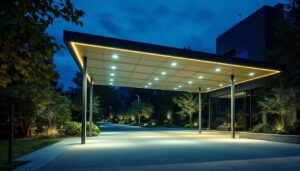
Moreover, the aesthetic aspect of lighting cannot be overlooked. In many apartment buildings, common areas such as hallways, lobbies, and recreational spaces serve as the first impression for potential tenants and guests. Thoughtful lighting design in these areas can enhance the overall ambiance and create a welcoming atmosphere. Using a combination of natural light, where possible, and strategically placed fixtures can highlight architectural features and improve the visual appeal of these shared spaces. Additionally, incorporating smart lighting solutions that allow tenants to control their environment can further enhance satisfaction, making it crucial for contractors to stay updated on the latest technology trends in lighting design.
Key Lighting Types and Their Applications in Apartments
Ambient Lighting: Setting the Foundation
Ambient lighting provides the general illumination needed for everyday activities. In apartments, this is usually achieved through ceiling-mounted fixtures such as flush mounts, semi-flush mounts, or recessed lights. Contractors should recommend LED fixtures with adjustable brightness levels to accommodate different tenant preferences and reduce energy use.
When selecting ambient lighting, consider the ceiling height and room size. For example, recessed lighting is ideal for low ceilings, offering a clean look without taking up visual space. In contrast, pendant lights or chandeliers can add character in apartments with higher ceilings or open-concept layouts. Additionally, the color temperature of ambient lighting can significantly influence the mood of a space; warmer tones create a cozy atmosphere, while cooler tones can make a room feel more spacious and energetic. It’s also worth noting that incorporating smart lighting systems can enhance the functionality of ambient lighting, allowing tenants to control brightness and color via mobile apps or voice commands, further personalizing their living experience.
Task Lighting: Enhancing Functionality
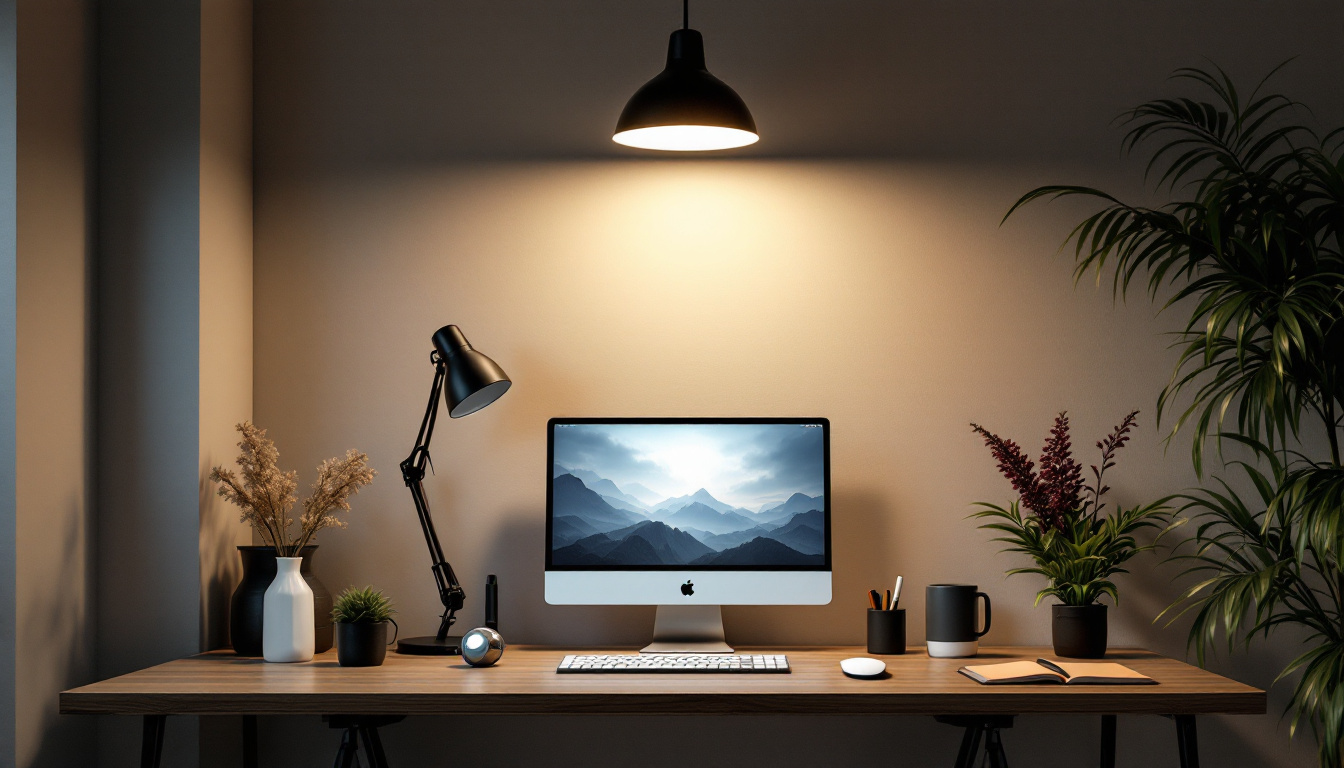
Task lighting targets specific areas where activities such as reading, cooking, or working occur. Common examples include under-cabinet lights in kitchens, desk lamps in home offices, and vanity lighting in bathrooms. Proper task lighting reduces eye strain and improves productivity, making it a valuable feature for tenants.
Lighting contractors should focus on installing fixtures that provide focused, shadow-free illumination. Adjustable fixtures, such as swing-arm lamps or track lighting, offer flexibility for tenants to customize their lighting environment. Additionally, incorporating energy-efficient bulbs like LEDs ensures long-lasting performance and lower operating costs. Beyond mere functionality, the design of task lighting can also contribute to the overall aesthetic of the apartment. For instance, a stylish desk lamp can serve as both a practical tool and a decorative piece, enhancing the workspace’s appeal. Furthermore, integrating smart technology in task lighting can allow tenants to program lighting schedules or adjust brightness levels depending on the time of day, creating an ideal environment for productivity.
Accent Lighting: Creating Ambiance and Style
Accent lighting adds depth and visual interest by highlighting architectural features, artwork, or decorative elements. In apartments, this might include wall sconces, LED strip lights under shelves, or spotlights directed at textured walls. Accent lighting can transform a space, making it feel more inviting and personalized.
Contractors should collaborate with interior designers or property managers to identify focal points worth emphasizing. Using dimmable fixtures and color temperature controls allows tenants to adjust the mood according to their preferences. This level of customization can be a strong selling point for rental units. Moreover, accent lighting can play a crucial role in defining different zones within an open-concept apartment. By strategically placing accent lights, such as illuminating a gallery wall or highlighting a unique architectural feature, tenants can create distinct atmospheres for relaxation, entertainment, or work. Additionally, incorporating smart accent lighting options that can change colors or be controlled remotely can further enhance the dynamic feel of the space, allowing tenants to adapt their environment for various occasions, from cozy movie nights to vibrant gatherings with friends.
Energy Efficiency and Sustainability in Apartment Lighting
Energy efficiency is not just a trend but a necessity in modern apartment lighting. With rising energy costs and increasing environmental awareness, property owners and tenants alike demand lighting solutions that minimize waste and reduce carbon footprints.
Lighting contractors should prioritize LED technology, which offers superior energy savings, longer lifespan, and lower heat output compared to traditional incandescent or fluorescent bulbs. Incorporating smart lighting controls such as occupancy sensors, daylight harvesting systems, and programmable timers can further optimize energy use by ensuring lights are only on when needed.
Many jurisdictions offer incentives or rebates for installing energy-efficient lighting systems in multi-family buildings. Staying informed about these programs can provide added value to clients and help justify upfront investments. Additionally, using sustainable materials and fixtures made from recyclable components aligns with broader green building initiatives.
Lighting Design Considerations for Different Apartment Spaces
Living Rooms and Common Areas
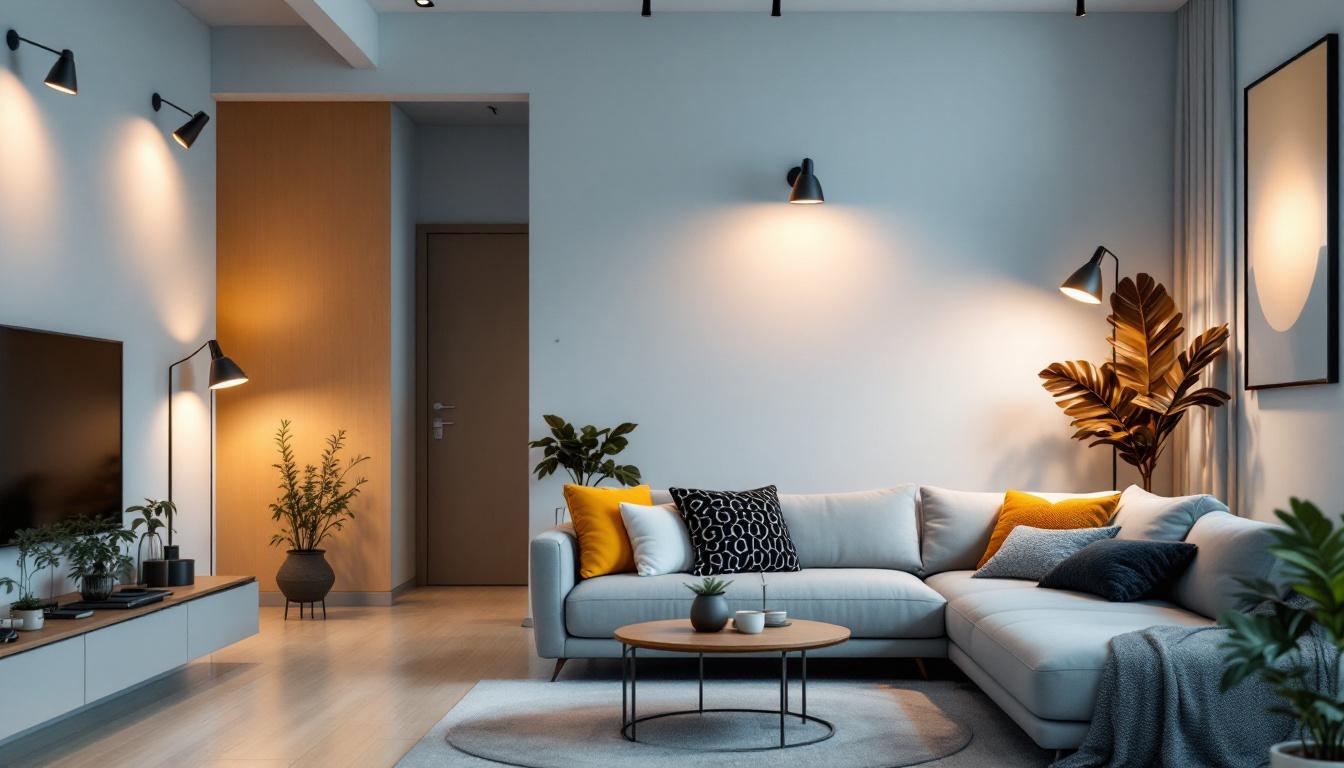
The living room is often the centerpiece of an apartment, requiring versatile lighting that supports a variety of activities from entertaining guests to relaxing. Layered lighting combining ambient, task, and accent sources is ideal. For example, recessed ceiling lights can provide general illumination, while floor lamps and wall sconces add warmth and flexibility.
Contractors should also consider the placement of dimmers and smart controls to allow tenants to easily adjust lighting levels. Using warm color temperatures (2700K to 3000K) creates a cozy atmosphere that appeals to most residents.
Kitchens and Dining Areas
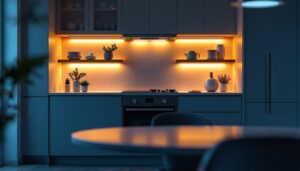
Kitchens demand bright, focused lighting to ensure safety and efficiency during food preparation. Under-cabinet LED strips or puck lights are excellent for illuminating countertops without casting shadows. Pendant lights over islands or dining tables add style and improve visibility during meals.
Given the high usage of kitchen lighting, energy-efficient fixtures and bulbs are especially important here. Contractors should also verify that lighting installations comply with local electrical codes and ventilation requirements to prevent hazards.
Bedrooms
Bedrooms require softer, more relaxing lighting to promote rest and comfort. Ambient lighting combined with bedside task lights such as reading lamps or wall-mounted fixtures offers flexibility. Installing dimmable switches enables tenants to create a calming environment conducive to sleep.
Color temperature plays a significant role in bedrooms; warmer tones help signal the body to wind down. Additionally, contractors should ensure that lighting controls are conveniently located near the bed for ease of use.
Bathrooms
Bathrooms benefit from bright, shadow-free lighting, particularly around mirrors for grooming tasks. Vanity lighting with fixtures on either side of the mirror or above it provides even illumination. Moisture-resistant and UL-listed fixtures are essential to withstand the humid environment.
Contractors should also consider installing exhaust fans with integrated lighting to save space and improve ventilation. Energy-efficient LED options with appropriate color rendering index (CRI) values ensure colors appear natural, enhancing the overall user experience.
Installation Best Practices and Safety Protocols
Successful apartment lighting projects depend not only on design but also on meticulous installation and adherence to safety standards. Lighting contractors must conduct thorough site assessments to identify potential obstacles such as limited access, existing wiring conditions, and tenant occupancy schedules.
Using modular and pre-wired lighting systems can streamline installation and reduce downtime, minimizing disruption to residents. Proper labeling of circuits and adherence to National Electrical Code (NEC) requirements are non-negotiable to ensure safety and facilitate future maintenance.
Contractors should also implement rigorous testing procedures post-installation, including verifying fixture operation, checking for flicker or glare, and confirming that dimmers and sensors function correctly. Providing tenants or property managers with clear instructions on using lighting controls enhances satisfaction and reduces service calls.
Emerging Trends and Technologies in Apartment Lighting
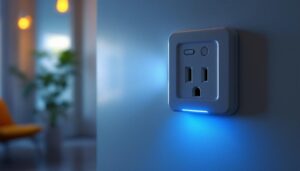
The lighting industry is evolving rapidly, with innovations that offer exciting possibilities for apartment buildings. Smart lighting systems integrated with home automation platforms allow tenants to control lighting via smartphones, voice commands, or preset schedules. These systems can also adapt lighting based on occupancy, time of day, or natural light levels.
Human-centric lighting, which adjusts color temperature and intensity to support circadian rhythms, is gaining traction in residential settings. This approach can improve tenant well-being by promoting better sleep patterns and mood regulation.
Additionally, advancements in wireless lighting controls reduce the need for invasive wiring, simplifying retrofits in existing apartments. Lighting contractors who stay abreast of these trends can position themselves as leaders in delivering cutting-edge, tenant-focused solutions.
Conclusion: Delivering Value Through Expert Apartment Lighting
For lighting contractors, mastering the complexities of apartment lighting opens doors to rewarding projects that enhance tenant satisfaction and contribute to sustainable living environments. By understanding the unique challenges, selecting appropriate lighting types, prioritizing energy efficiency, and embracing emerging technologies, contractors can deliver comprehensive solutions tailored to multi-family residences.
Attention to detail during installation and a commitment to safety ensure long-term performance and client trust. Ultimately, expert apartment lighting not only illuminates spaces but also elevates the quality of life for residents, making it a vital component of successful apartment management and development.
Illuminate Your Projects with LumenWholesale
Ready to elevate your apartment lighting projects to new heights? At LumenWholesale, we provide lighting contractors with the exceptional quality and value needed to meet the demands of any multi-family residence. Our spec-grade lighting products come at unbeatable wholesale prices, ensuring you can deliver on both brilliance and budget. Say goodbye to middleman markups and hello to a vast selection of reliable, high-performance lighting options. With the added convenience of free shipping on bulk orders, LumenWholesale is your go-to source for premium lighting solutions. Don’t compromise on quality or cost—Wholesale Lighting at the Best Value is just a click away.