Introduction to Porch Light Timers in Professional Lighting
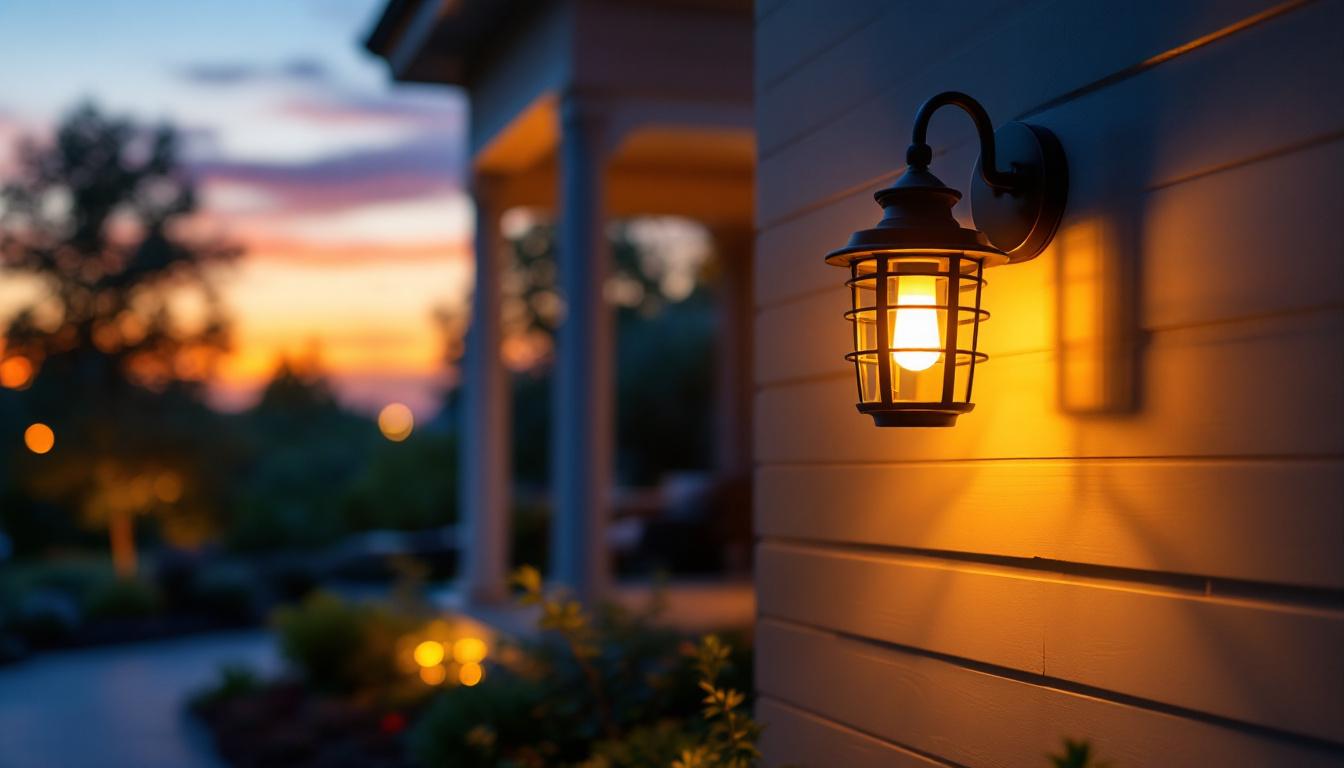
Porch lighting is more than just a welcoming feature for homes; it plays a critical role in security, energy efficiency, and aesthetic appeal. For lighting contractors, recommending and installing timers for porch lights is a standard practice that enhances the functionality and value of the lighting system. Timers automate the operation of porch lights, ensuring they illuminate at appropriate times without manual intervention. This article explores the best practices lighting contractors should follow when integrating timers into porch lighting installations, focusing on technical considerations, client needs, and industry standards.
Understanding the nuances of timer technology and client expectations can significantly improve project outcomes. From selecting the right timer type to ensuring proper installation and maintenance, contractors can optimize porch lighting systems to deliver safety, convenience, and energy savings.
One of the key aspects of integrating timers into porch lighting is the variety of timer options available on the market. Digital timers, for instance, offer programmable settings that allow homeowners to customize their lighting schedules down to the minute, accommodating seasonal changes in daylight. Meanwhile, smart timers can connect to home automation systems, enabling remote control via smartphones or voice-activated devices. This level of control not only enhances user convenience but also allows for integration with other energy-efficient practices, such as motion sensors that can further reduce unnecessary energy consumption.
Moreover, educating clients about the benefits of using timers can lead to more informed decisions and greater satisfaction with their lighting systems. Many homeowners may not realize that timers can help deter potential intruders by creating the illusion of occupancy, especially when combined with varying schedules. Additionally, contractors should discuss the importance of selecting timers that are compatible with the specific types of bulbs being used, as some timers may not work effectively with LED or CFL bulbs. By addressing these technical details, contractors can ensure a seamless installation process and a lighting system that meets both the practical needs and aesthetic desires of their clients.
Types of Timers Suitable for Porch Lights
Mechanical vs. Digital Timers
Lighting contractors often choose between mechanical and digital timers based on the project requirements and client preferences. Mechanical timers are the traditional choice, known for their simplicity and reliability. They operate through a dial mechanism that physically switches the light on and off at preset times. However, they offer limited precision and flexibility. For instance, homeowners may find that their mechanical timers do not account for changes in sunset times throughout the year, leading to lights that turn on too early or too late.
Digital timers, on the other hand, provide greater accuracy and programmability. They allow multiple on/off settings, countdown functions, and sometimes even integration with smart home systems. Digital timers are particularly useful in environments where lighting schedules need to adapt to seasonal changes or specific security needs. Some advanced models even feature smartphone connectivity, enabling users to adjust settings remotely, ensuring that their porch lights can be controlled from anywhere. This can be particularly beneficial for those who travel frequently or want to create the illusion of occupancy when away from home.
Photocell Timers and Motion Sensors
Another popular option is photocell timers, which automatically turn lights on at dusk and off at dawn. This type of timer is highly energy-efficient and user-friendly, as it adjusts to natural light conditions without manual programming. Photocell timers are ideal for clients seeking a “set and forget” solution. They are especially advantageous in areas where the amount of natural light varies significantly, such as regions with long summer days and short winter days. Additionally, these timers can help reduce energy costs by ensuring that lights are only used when necessary, contributing to a more sustainable lifestyle.
Motion sensor timers add an extra layer of security by activating porch lights only when movement is detected. This not only deters potential intruders but also conserves energy by limiting light usage to necessary periods. Many modern motion sensors come equipped with adjustable sensitivity settings and timers, allowing homeowners to customize how long the lights stay on after detecting movement. Combining motion sensors with timers can provide a hybrid solution that balances convenience, security, and efficiency. Furthermore, some systems can be integrated with home security alarms, creating a comprehensive safety network that enhances peace of mind for residents. This integration is particularly appealing for families or individuals living in high-crime areas, where every precaution counts in safeguarding their home and loved ones.
Key Considerations for Lighting Contractors When Installing Timers
Assessing Client Needs and Property Characteristics
Before selecting a timer, contractors must conduct a thorough assessment of the client’s lifestyle, security concerns, and property layout. For example, clients who are frequently away from home may benefit from programmable digital timers that simulate occupancy. In contrast, homeowners who prefer minimal maintenance might opt for photocell timers.
Additionally, the physical environment—such as exposure to weather, proximity to other light sources, and wiring accessibility—affects the choice and placement of timers. Contractors should evaluate these factors to ensure the timer’s longevity and optimal performance.
Compliance with Electrical Codes and Safety Standards
Lighting contractors must adhere to local electrical codes and safety regulations when installing porch light timers. This includes ensuring that all components are rated for outdoor use, properly grounded, and protected from moisture. Timers should be installed in weatherproof enclosures if mounted externally.
Moreover, contractors need to verify that the timer’s electrical load capacity matches the lighting fixtures to prevent overloading circuits. Using timers with built-in surge protection can further safeguard the system against electrical faults.
Integration with Existing Lighting Systems
Many homes have existing lighting setups that may include multiple fixtures or smart home devices. Contractors should consider how the new timer will integrate with these systems. For instance, some digital timers can be synchronized with home automation platforms, allowing clients to control porch lights remotely via smartphone apps.
When integrating with existing systems, it is essential to test compatibility and functionality thoroughly to avoid operational conflicts or user frustration. Providing clients with clear instructions on how to use the timer’s features enhances satisfaction and reduces service calls.
Installation Best Practices for Porch Light Timers
Pre-Installation Planning and Preparation
Successful timer installation begins with meticulous planning. Contractors should gather all necessary tools, verify the timer specifications, and review the client’s requirements before starting the job. Mapping out wiring routes and identifying power sources helps streamline the installation process.
It is advisable to inform clients about the installation steps and expected outcomes to set realistic expectations. This communication fosters trust and ensures that the client understands the benefits of the timer system.
Proper Wiring and Mounting Techniques
Correct wiring is crucial for timer functionality and safety. Contractors must follow manufacturer instructions precisely, ensuring that live, neutral, and ground wires are connected appropriately. Using wire nuts, electrical tape, and conduit as necessary protects connections from environmental damage.
Mounting the timer in an accessible yet secure location facilitates future adjustments and maintenance. For outdoor installations, weatherproof boxes and covers are essential to protect the timer from rain, dust, and temperature extremes.
Testing and Client Demonstration
After installation, contractors should perform comprehensive testing to verify that the timer operates as intended. This includes checking all programmed settings, sensor responsiveness, and manual override functions if available.
Demonstrating the timer’s features to the client ensures they are comfortable with its operation. Providing a user manual or quick reference guide can be helpful, especially for digital timers with advanced settings.
Maintenance and Troubleshooting Tips for Lighting Contractors
Routine Inspection and Cleaning
Regular maintenance extends the lifespan of porch light timers and prevents unexpected failures. Contractors should advise clients to inspect timers periodically for signs of wear, corrosion, or damage. Cleaning photocell sensors and motion detectors ensures accurate performance.
Scheduling annual or biannual maintenance visits can be a value-added service that strengthens client relationships and promotes safety.
Common Issues and Solutions
Lighting contractors frequently encounter issues such as timers failing to switch on/off, inconsistent sensor activation, or power surges damaging components. Troubleshooting begins with verifying power supply continuity and checking the timer’s programming settings.
Replacing batteries in battery-backed timers, resetting digital timers, or recalibrating sensors often resolves common problems. In cases of persistent malfunction, contractors should consider upgrading to more reliable or advanced timer models.
Energy Efficiency and Security Benefits of Timed Porch Lighting
Reducing Energy Consumption
Timed porch lighting significantly reduces unnecessary energy use by ensuring lights operate only when needed. According to energy efficiency studies, automated lighting controls can cut outdoor lighting energy consumption by up to 50%. This translates into lower utility bills and a smaller environmental footprint for homeowners.
Lighting contractors who emphasize these benefits can position themselves as advocates for sustainable building practices, appealing to environmentally conscious clients.
Enhancing Home Security
Properly timed porch lights deter criminal activity by eliminating dark areas around entry points. Lights that activate at dusk and remain on until dawn create a consistent security presence. Additionally, motion-activated timers add unpredictability, which can confuse potential intruders.
Contractors should educate clients on the security advantages of timers, highlighting how strategic lighting contributes to safer neighborhoods and peace of mind.
Conclusion: Elevating Porch Lighting with Expert Timer Integration
For lighting contractors, mastering the installation and maintenance of porch light timers is essential to delivering high-quality, functional lighting solutions. By selecting the appropriate timer type, adhering to safety standards, and tailoring installations to client needs, contractors enhance both the performance and value of porch lighting systems.
Incorporating timers not only improves energy efficiency and security but also elevates the overall user experience. Through ongoing education, careful planning, and professional execution, lighting contractors can establish themselves as trusted experts in outdoor lighting technology.
Get Your Premium Timers at LumenWholesale
Ready to elevate your porch lighting projects with the best timers on the market? Look no further than LumenWholesale. We offer a vast array of spec-grade lighting products, including a selection of timers that integrate seamlessly with any porch lighting system. Our commitment to quality and affordability ensures you receive the most reliable and high-performance lighting solutions at wholesale prices. Plus, with free shipping on bulk orders, you can stock up on all your lighting needs without worrying about extra costs. Enhance your lighting installations today and give your clients the perfect blend of efficiency, security, and convenience. Discover the value of shopping with LumenWholesale by visiting our website for Wholesale Lighting at the Best Value.