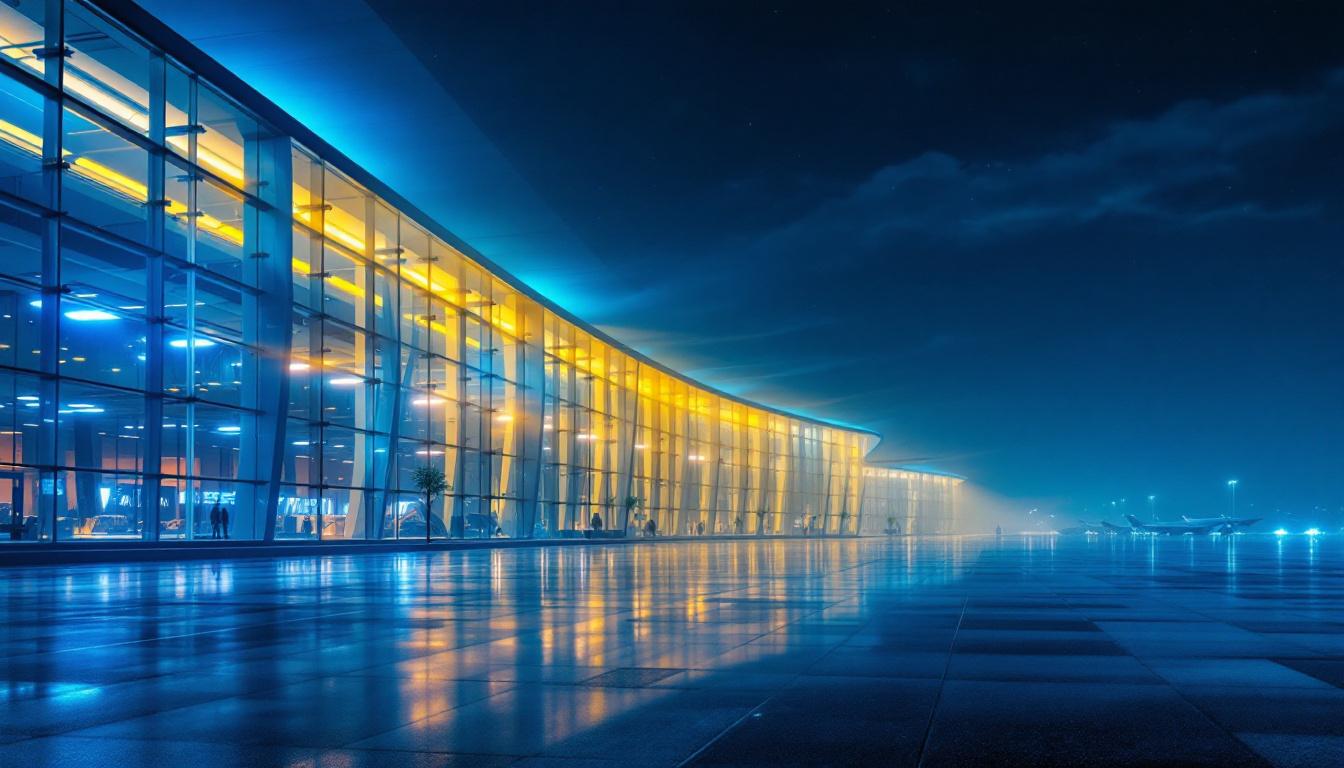
Introduction to Airport LED Lighting
Airports are complex environments that demand highly specialized lighting solutions to ensure safety, efficiency, and compliance with strict regulatory standards. For lighting contractors, understanding the unique requirements of airport LED lighting is essential to delivering projects that meet operational needs while optimizing energy consumption and maintenance costs.
LED technology has revolutionized airport lighting by offering superior performance compared to traditional lighting systems. From runway and taxiway illumination to terminal and parking lot lighting, LED fixtures provide enhanced visibility, durability, and flexibility. This article explores the critical aspects of airport LED lighting and highlights why lighting contractors must prioritize expertise in this field.
One of the primary advantages of LED lighting in airports is its energy efficiency. LED fixtures consume significantly less power than incandescent or fluorescent lights, which translates to lower energy bills and reduced carbon footprints. This is particularly crucial for airports, which operate 24/7 and require consistent lighting to maintain safety and security. Additionally, the long lifespan of LED lights—often exceeding 50,000 hours—means that maintenance crews spend less time replacing bulbs and more time focusing on other essential tasks, thus improving overall operational efficiency.
Moreover, the adaptability of LED technology allows for advanced lighting control systems that can be programmed to adjust brightness levels based on real-time conditions. This feature is particularly beneficial in areas like runways and taxiways, where lighting needs may vary depending on weather conditions, time of day, or specific flight operations. With smart lighting solutions, airports can enhance safety by ensuring optimal visibility during critical moments while also contributing to energy savings. As the aviation industry continues to evolve, embracing these innovative lighting solutions will be key to meeting future demands and enhancing the passenger experience.
Why LED Lighting is Essential in Airports
Energy Efficiency and Cost Savings
Airports operate around the clock, and lighting constitutes a significant portion of their energy consumption. LED lighting systems consume up to 70% less energy than conventional incandescent or halogen lamps, resulting in substantial cost savings. For lighting contractors, this means specifying and installing LED fixtures can dramatically reduce operational expenses for airport clients.
Moreover, the long lifespan of LEDs—often exceeding 50,000 hours—reduces the frequency of replacements and maintenance visits. This is particularly important in airports where downtime can disrupt operations and compromise safety. With the ability to withstand extreme conditions, including temperature fluctuations and vibrations from aircraft, LEDs are a reliable choice for the demanding airport environment. As a result, airports can allocate resources more efficiently, directing funds that would have gone to maintenance toward other critical areas of operation.
Improved Safety and Visibility
Safety is paramount in airports, and lighting plays a critical role in ensuring pilots, ground crew, and passengers can navigate safely. LED lighting provides superior color rendering and uniform illumination, which enhances visibility in various weather conditions and times of day.
Runway and taxiway LED lights are designed to meet stringent standards set by aviation authorities such as the Federal Aviation Administration (FAA) and the International Civil Aviation Organization (ICAO). These standards specify light intensity, color, and placement to ensure pilots can clearly identify runways, taxiways, and obstacles. Additionally, the instant-on capability of LED lights means that they reach full brightness immediately, which is crucial during low visibility conditions such as fog or heavy rain. This responsiveness not only aids pilots but also enhances the safety of ground operations, where visibility can be a challenge, especially during night shifts.
Environmental Impact and Sustainability
With increasing emphasis on sustainability, airports are adopting LED lighting to reduce their carbon footprint. LEDs contain no hazardous materials like mercury, unlike some traditional lighting options, making them more environmentally friendly. Additionally, their energy efficiency contributes to lower greenhouse gas emissions.
Lighting contractors who are knowledgeable about sustainable lighting solutions can help airports achieve their environmental goals while complying with green building certifications such as LEED (Leadership in Energy and Environmental Design). Furthermore, many airports are now integrating smart lighting systems that can adjust brightness based on occupancy or natural light levels, further enhancing energy savings. These advanced systems not only promote sustainability but also improve the overall passenger experience by creating a more comfortable and visually appealing environment. As airports strive to become more eco-conscious, the transition to LED lighting represents a significant step in their journey toward sustainability and operational excellence.
Key Applications of LED Lighting in Airports
Runway and Taxiway Lighting
Runway and taxiway lighting systems are among the most critical components of airport infrastructure. These lights guide pilots during takeoff, landing, and taxiing, often under challenging conditions such as fog, rain, or nighttime operations.
LED runway lights offer precise beam control and consistent intensity, reducing glare and improving pilot visibility. Their durability allows them to withstand harsh weather and the physical stresses of airport operations, including jet blasts and heavy equipment movement. Additionally, the low energy consumption of LED lights contributes to significant cost savings over time, making them an economically viable choice for airports looking to modernize their lighting systems. The longevity of LED technology also means reduced maintenance frequency, allowing airport staff to focus on other critical tasks rather than constantly replacing bulbs.
Apron and Ramp Lighting
The apron and ramp areas require bright, uniform lighting to support ground handling activities such as aircraft servicing, baggage handling, and refueling. LED floodlights and area lights provide high-quality illumination that enhances safety for ground personnel and equipment.
Lighting contractors must ensure that these fixtures are positioned to minimize shadows and glare, which can pose hazards during night operations. Additionally, LED lighting systems with dimming and control capabilities allow airports to adjust illumination levels based on activity, further optimizing energy use. The integration of smart lighting technology can also enhance operational efficiency; for instance, motion sensors can activate lights only when ground crew members are present, thereby conserving energy and extending the lifespan of the fixtures. Furthermore, the ability to customize lighting patterns and intensities can help in creating safer working environments, as it allows for better visibility in high-traffic areas.
Terminal and Parking Lot Lighting
Passenger terminals and parking facilities benefit from LED lighting that improves aesthetics and security. LED fixtures offer excellent color rendering, making spaces feel welcoming and safe for travelers.
In parking lots, LED lighting enhances visibility and deters crime, contributing to a better passenger experience. Lighting contractors should select fixtures with appropriate ingress protection (IP) ratings to withstand outdoor conditions and ensure longevity. The use of smart lighting solutions, such as solar-powered LED fixtures, can further enhance sustainability efforts within airport operations. These systems not only reduce dependency on grid electricity but also promote an eco-friendly image for airports, which is increasingly important to travelers today. Moreover, the implementation of lighting controls that adjust based on the time of day or occupancy can lead to significant energy savings, allowing airports to allocate resources more efficiently while maintaining a safe and inviting atmosphere for all passengers.
Technical Considerations for Lighting Contractors
Compliance with Aviation Lighting Standards
Airport lighting must adhere to rigorous standards established by regulatory bodies. Lighting contractors need to be familiar with FAA Advisory Circulars, ICAO Annex 14 specifications, and other relevant guidelines that dictate the photometric and chromatic characteristics of airport lighting.
Understanding these standards ensures that installations meet safety requirements and pass inspections, avoiding costly rework or operational delays.
Integration with Control Systems
Modern airport lighting systems often incorporate advanced control technologies such as centralized monitoring, dimming, and automatic fault detection. LED lighting’s compatibility with these smart systems enables airports to optimize energy use and maintenance scheduling.
Lighting contractors should be proficient in integrating LED fixtures with control platforms, including wireless communication protocols and networked lighting controls. This expertise adds value to projects by enhancing operational efficiency and reducing downtime.
Durability and Environmental Resistance
Airports expose lighting equipment to extreme environmental conditions, including temperature fluctuations, moisture, dust, and chemical exposure. LED fixtures designed for airport use must have robust enclosures and high ingress protection ratings to ensure reliable performance.
Contractors must select products tested for impact resistance and corrosion protection, especially for runway and apron lighting, where durability directly impacts safety and maintenance costs.
Challenges and Solutions in Airport LED Lighting Projects
Complex Project Coordination
Airport lighting projects often involve multiple stakeholders, including airport authorities, aviation regulators, electrical engineers, and construction teams. Lighting contractors must coordinate effectively to align project timelines, technical specifications, and safety protocols.
Effective communication and project management skills are essential to navigate these complexities and deliver successful outcomes.
Minimizing Operational Disruptions
Replacing or upgrading airport lighting systems requires careful planning to avoid disrupting airport operations. Lighting contractors must schedule work during off-peak hours or coordinate temporary lighting solutions to maintain safety and functionality.
Advanced LED retrofit solutions that allow for phased installation can help minimize downtime and reduce the impact on airport activities.
Ensuring Long-Term Maintenance and Support
Given the critical nature of airport lighting, ongoing maintenance and rapid response to faults are vital. Lighting contractors should provide comprehensive maintenance plans and training for airport personnel to manage LED systems effectively.
Offering warranties and support agreements enhances client confidence and ensures the longevity of lighting investments.
Conclusion: The Strategic Role of Lighting Contractors in Airport LED Projects
Airport LED lighting represents a specialized niche within the lighting industry that demands technical expertise, regulatory knowledge, and project management capabilities. For lighting contractors, mastering this domain opens opportunities to contribute to safer, more efficient, and sustainable airport operations.
By prioritizing energy-efficient LED solutions, adhering to aviation standards, and embracing smart control technologies, lighting contractors can deliver high-value projects that meet the evolving needs of airports worldwide. The importance of this expertise cannot be overstated, as lighting directly impacts the safety and experience of millions of travelers every day.
Ultimately, lighting contractors who invest in understanding the complexities and innovations of airport LED lighting position themselves as indispensable partners in the aviation sector’s ongoing modernization efforts.
Illuminate Your Next Airport Project with LumenWholesale
Ready to elevate airport lighting to new heights of efficiency and sustainability? At LumenWholesale, we specialize in providing lighting contractors with the highest quality LED solutions for the aviation industry. Our spec-grade products not only meet but exceed industry standards, ensuring your airport projects shine with reliability and performance. Say goodbye to inflated markups and hello to unbeatable wholesale prices, complemented by the convenience of free shipping on bulk orders. Don’t compromise on quality or value—choose LumenWholesale for your lighting needs and make every project a beacon of success. Discover our extensive selection and experience the best in lighting value by visiting Wholesale Lighting at the Best Value today.