Understanding the 2X4 Panel: Foundations for Lighting Contractors
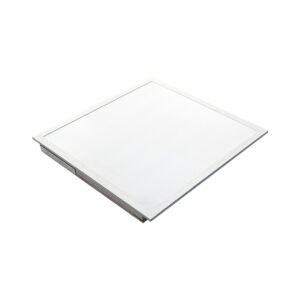
The 2X4 panel, commonly used in commercial and residential lighting installations, is a staple component that lighting contractors encounter regularly. Its standardized dimensions—approximately 2 feet by 4 feet—make it a versatile choice for housing lighting fixtures, electrical components, and wiring. However, despite its ubiquity, many contractors face challenges related to installation, compatibility, and safety when working with these panels.
Before diving into the common pitfalls, it’s crucial to understand the types of 2X4 panels available. These panels can be made from various materials such as metal, fiberglass, or composite plastics, each offering different benefits in terms of durability, weight, and electrical insulation. Selecting the right panel material based on the project environment—whether it’s a damp location, high-traffic area, or a space requiring fire resistance—is essential for long-term performance and compliance with electrical codes.
Moreover, the 2X4 panel often serves as the mounting base for LED troffers, recessed lighting, and other fixtures. Proper alignment and secure fastening are key to ensuring the lighting system functions optimally without causing undue strain on the panel or the electrical connections.
In addition to the material considerations, contractors must also be aware of the various mounting options available for 2X4 panels. For instance, some panels come with integrated clips or brackets that simplify the installation process, allowing for quick and efficient setup. Others may require additional hardware or support structures, especially in larger installations where weight distribution becomes a concern. Understanding these options can save time and reduce the risk of installation errors, ultimately leading to a more reliable lighting system.
Furthermore, it is important to consider the aesthetic aspects of 2X4 panels in lighting design. While functionality is paramount, the visual impact of lighting fixtures and their mounting panels can significantly influence the overall ambiance of a space. Many contractors now opt for panels that feature a clean, modern design or those that can be painted or finished to match the surrounding decor. This attention to detail not only enhances the appearance of the installation but also reflects the contractor’s commitment to quality and craftsmanship.
Common Pitfalls When Installing 2X4 Panels
1. Inadequate Load Assessment
One of the most frequent mistakes is underestimating the load that the 2X4 panel must support. Lighting contractors sometimes overlook the cumulative weight of fixtures, transformers, and wiring, leading to panels that sag, warp, or fail prematurely. This not only compromises the aesthetics of the installation but also poses safety hazards.
To avoid this, it’s vital to calculate the total load accurately before installation. Manufacturers typically provide load ratings for their panels, and these must be strictly adhered to. Overloading a panel can cause structural damage and increase the risk of electrical faults. Additionally, it is beneficial to consider future expansions or upgrades during the planning phase. By anticipating potential increases in load, contractors can select panels that not only meet current requirements but also accommodate future needs, thereby saving time and resources down the line.
2. Improper Wiring and Grounding Practices
Electrical safety is paramount, and improper wiring or grounding is a common pitfall that can lead to dangerous situations such as short circuits, electrical shocks, or fire hazards. The 2X4 panel often serves as a junction point, so ensuring that all connections are secure and compliant with the National Electrical Code (NEC) is non-negotiable.
Contractors should use appropriate wire gauges, connectors, and grounding techniques. Additionally, labeling circuits clearly within the panel can prevent confusion during maintenance or future upgrades. It is also advisable to conduct thorough inspections of all wiring before closing up the panel. This includes checking for any signs of wear or damage, as well as ensuring that all connections are tight. A proactive approach to wiring can significantly reduce the risk of issues arising post-installation, ensuring a safer and more reliable electrical system.
3. Ignoring Environmental Factors
Environmental conditions can significantly affect the performance and longevity of 2X4 panels. Exposure to moisture, dust, or corrosive substances can degrade materials and electrical components. For instance, installing a standard metal panel in a damp or outdoor environment without adequate protection can lead to rust and electrical failures.
Choosing panels with appropriate ratings, such as NEMA 4 or IP65, for wet or dusty environments is crucial. Furthermore, sealing openings and using weatherproof fixtures help maintain system integrity. It’s also important to consider the temperature fluctuations that may occur in certain environments. Extreme heat or cold can affect both the materials used in the panel and the performance of electrical components. Implementing insulation or thermal barriers can help protect against these variations, ensuring optimal functionality regardless of external conditions.
4. Overlooking Thermal Management
Lighting fixtures, especially those with high wattage or LED drivers, generate heat that must be managed effectively. The 2X4 panel can trap heat if not properly ventilated, leading to reduced fixture lifespan and potential safety risks.
Incorporating ventilation slots, heat sinks, or thermal barriers within or around the panel can mitigate overheating. Contractors should also consider the heat dissipation characteristics of the panel material itself when planning installations. Additionally, regular maintenance checks can help monitor temperature levels and identify any potential overheating issues before they escalate. By implementing a comprehensive thermal management strategy, contractors can enhance the performance and durability of the lighting system, ultimately leading to a more successful installation.
Best Practices for Installing and Maintaining 2X4 Panels
Conduct Thorough Pre-Installation Planning
Successful projects start with meticulous planning. Before installation, contractors should review architectural drawings, electrical schematics, and manufacturer specifications. This preparation ensures that the selected 2X4 panel meets the project’s mechanical and electrical requirements.
Site inspections are also valuable to identify potential obstacles such as uneven ceilings, obstructions, or existing infrastructure that may affect panel placement. Additionally, engaging with stakeholders during the planning phase can provide insights into specific needs or preferences that may not be captured in the initial documentation. This collaborative approach fosters a comprehensive understanding of the project scope and can lead to innovative solutions that enhance the overall design.
Use Quality Components and Tools
Investing in high-quality panels, fasteners, and wiring components reduces the likelihood of failures. Additionally, using precision tools for cutting, drilling, and fastening helps maintain panel integrity and alignment.
Lighting contractors should also stay updated on the latest product innovations, such as panels designed with integrated cable management or quick-mounting systems, which can streamline installation and improve safety. Furthermore, utilizing tools equipped with advanced features, such as laser guides or digital measuring devices, can significantly enhance accuracy during installation, reducing the risk of costly errors and ensuring a professional finish that meets client expectations.
Follow Code Compliance and Safety Standards
Adhering to local and national electrical codes is not only a legal requirement but also a critical safety measure. The NEC provides detailed guidelines on panel installation, grounding, and circuit protection that must be followed rigorously.
Regular training and certification updates for contractors ensure that they remain knowledgeable about evolving standards and best practices. Additionally, fostering a culture of safety within the team can lead to more vigilant practices on-site. Encouraging open discussions about safety concerns and sharing experiences can help identify potential hazards early, promoting a safer work environment for everyone involved.
Implement Routine Inspection and Maintenance
After installation, periodic inspections help identify wear, corrosion, or loose connections before they escalate into serious problems. Maintenance routines should include checking panel alignment, verifying grounding integrity, and cleaning dust or debris from ventilation areas.
Documenting maintenance activities and any modifications to the panel system supports accountability and facilitates troubleshooting in the future. Moreover, establishing a maintenance schedule based on the specific usage and environmental conditions of the installation site can further enhance the longevity and performance of the panels. For instance, panels installed in high-humidity areas may require more frequent inspections to prevent moisture-related issues, while those in dusty environments might need regular cleaning to ensure optimal functionality. This proactive approach not only safeguards the investment but also ensures that the panels continue to operate efficiently over time.
Case Studies: Lessons from Real-World Installations
Case Study 1: Commercial Office Retrofit
A lighting contractor was tasked with retrofitting a commercial office space using LED troffers mounted on 2X4 panels. Initially, the panels were installed without considering the weight of the new fixtures, which were heavier than the original fluorescent units. Within months, several panels exhibited sagging, causing misalignment of the fixtures and uneven lighting distribution.
Upon reassessment, the contractor replaced the panels with reinforced metal versions rated for higher loads and added additional support brackets. This adjustment restored structural integrity and improved lighting performance, highlighting the importance of load assessment.
Case Study 2: Industrial Facility with Harsh Environment
In an industrial plant with high humidity and exposure to chemical vapors, a lighting contractor installed standard metal 2X4 panels without environmental protection. Corrosion quickly compromised the panels and electrical connections, leading to frequent outages and costly repairs.
The solution involved switching to fiberglass panels with NEMA 4X ratings, designed for corrosive environments. The contractor also implemented sealed cable entries and used stainless steel fasteners, significantly extending the system’s lifespan and reliability.
Emerging Trends and Technologies in 2X4 Panel Installations
As lighting technology evolves, so do the requirements and capabilities of 2X4 panels. The rise of smart lighting systems, incorporating sensors and IoT connectivity, demands panels that can accommodate additional wiring and communication modules without compromising space or safety.
Innovations such as integrated LED driver compartments, modular panel designs, and enhanced thermal management features are becoming more prevalent. These advancements enable lighting contractors to deliver more efficient, reliable, and future-proof installations.
Moreover, sustainable materials and manufacturing processes are gaining traction, aligning with broader environmental goals. Panels made from recycled or low-impact materials offer contractors opportunities to contribute to green building initiatives.
Conclusion: Mastering the 2X4 Panel for Successful Lighting Projects
For lighting contractors, the 2X4 panel is more than just a mounting surface—it’s a critical component that influences the safety, functionality, and aesthetics of lighting installations. Avoiding common pitfalls such as improper load handling, poor wiring practices, and neglecting environmental factors can save time, reduce costs, and enhance client satisfaction.
By embracing best practices, staying informed about code requirements, and leveraging new technologies, contractors can ensure their 2X4 panel installations are robust, compliant, and adaptable to future needs. Ultimately, mastering the nuances of 2X4 panels empowers lighting professionals to deliver high-quality, reliable lighting solutions across diverse project environments.
Get Your Premium Lighting Panels at LumenWholesale
Ready to elevate your lighting projects with the highest quality 2X4 panels? Look no further than LumenWholesale, where we provide contractors with spec-grade lighting products at unbeatable wholesale prices. Say goodbye to local distributor markups and hello to superior lighting solutions that meet the highest industry standards. With our hassle-free bulk buying and free shipping, you can trust that you’re getting premium lighting at the best value — without hidden fees or compromises. Enhance your lighting installations today by visiting Wholesale Lighting at the Best Value and experience the LumenWholesale difference.