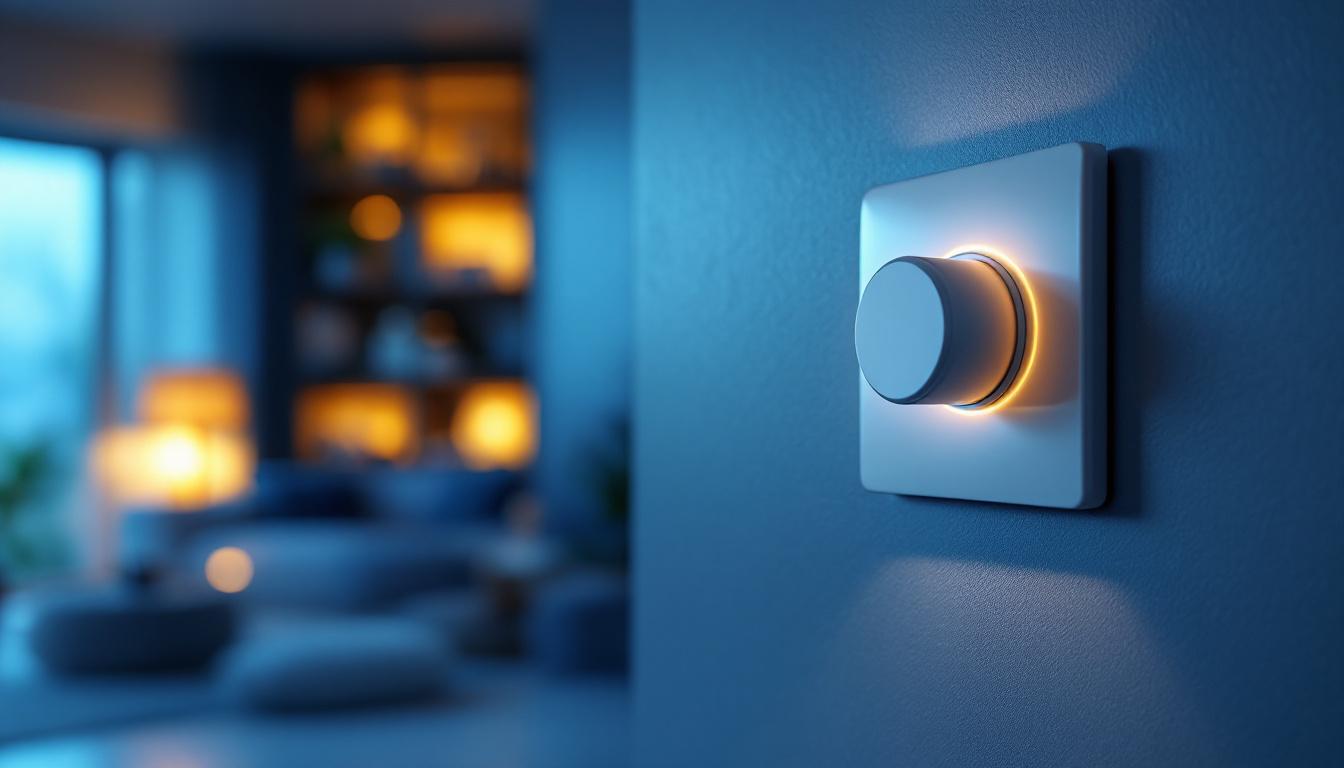
Understanding the 0-10V LED Dimming Standard
For lighting contractors, mastering the 0-10V dimming protocol is essential when working with LED installations. This dimming method has become a cornerstone in commercial and residential lighting control due to its simplicity and compatibility with a wide range of LED drivers and fixtures.
At its core, the 0-10V dimmer operates by sending a low-voltage control signal to the LED driver, which adjusts the light output accordingly. When the control voltage is at 10 volts, the light is at full brightness; when it drops to 0 volts, the light dims to its minimum level, often near complete darkness. This analog control method allows for smooth and continuous dimming, making it highly desirable for creating ambient environments.
One of the key advantages of 0-10V dimming is its universality. Many LED drivers and fixtures come with 0-10V dimming inputs, ensuring that contractors can integrate dimming controls without worrying about proprietary systems or complex programming. This standardization simplifies installation and maintenance, which is crucial for projects with tight timelines and budgets.
Moreover, the 0-10V dimming standard is not just about functionality; it also plays a significant role in energy efficiency. By allowing users to adjust lighting levels according to their needs, this system can significantly reduce energy consumption. For instance, in spaces such as conference rooms or theaters, where lighting requirements can vary greatly, the ability to dim lights can lead to substantial savings on electricity bills over time. Additionally, with the increasing emphasis on sustainability, adopting such energy-efficient technologies can enhance a contractor’s reputation and appeal to environmentally conscious clients.
Furthermore, the integration of 0-10V dimming with smart lighting systems is becoming increasingly prevalent. As the Internet of Things (IoT) continues to evolve, contractors are now able to offer clients more sophisticated lighting solutions that can be controlled remotely via smartphones or integrated with building management systems. This not only adds convenience but also allows for advanced features such as scheduling and automated adjustments based on occupancy or natural light levels. As a result, understanding the 0-10V dimming standard is becoming more critical than ever for contractors looking to stay competitive in a rapidly changing lighting landscape.
Choosing the Right 0-10V LED Dimmer for Your Projects
Evaluating Compatibility with LED Drivers
Not all 0-10V dimmers are created equal. The first step in selecting the right dimmer is verifying compatibility with the LED drivers in use. Some drivers support sinking dimming, while others require sourcing; understanding this distinction prevents flickering or erratic dimming behavior.
For example, a sourcing type dimmer provides the control voltage, while a sinking dimmer draws current to lower the voltage. Using a sinking dimmer with a sourcing driver—or vice versa—can cause issues. Lighting contractors should consult driver datasheets and manufacturer guidelines before installation. Additionally, it is beneficial to reach out to manufacturers directly for clarification on compatibility if any uncertainties arise, as this can save time and resources during the installation process.
Assessing Load Capacity and Wiring Requirements
Load capacity is another critical factor. 0-10V dimmers have maximum load ratings that must not be exceeded. Overloading a dimmer can lead to premature failure or inconsistent dimming performance. Contractors should calculate the total wattage of all connected fixtures and select a dimmer that comfortably supports that load. It’s also wise to consider future expansion; if additional fixtures may be added later, opting for a dimmer with a higher load capacity can be a prudent choice.
Wiring is straightforward but demands attention to detail. The dimmer’s control wires are typically low voltage and can run alongside standard line voltage wiring, but they must be kept separate to avoid interference. Proper shielding and grounding help maintain signal integrity, especially in long cable runs. Furthermore, using high-quality cables and connectors can mitigate potential issues related to voltage drop and ensure reliable performance over time. Regular inspections and maintenance of the wiring can also help prevent issues that may arise from wear and tear.
Considering Advanced Features for Smart Installations
Modern 0-10V dimmers often include features tailored for smart building applications. Some models offer programmable fade rates, multiple scene presets, or integration with building automation systems through gateways or converters. These capabilities enable contractors to deliver more sophisticated lighting solutions that enhance occupant comfort and energy efficiency. The ability to customize lighting scenes can significantly improve the user experience in various settings, from offices to hospitality venues, where ambiance plays a crucial role.
Additionally, some dimmers provide feedback or monitoring functions, allowing facility managers to track energy usage and system health remotely. Selecting dimmers with such features can add value to bids and future-proof installations. The integration of IoT technology further enhances these capabilities, enabling real-time data analysis and remote adjustments. This not only streamlines maintenance but also empowers building managers to optimize energy consumption, leading to substantial cost savings over time. As the demand for smart building solutions continues to grow, incorporating these advanced features into projects can set contractors apart in a competitive market.
Installation Best Practices for 0-10V LED Dimming Systems
Ensuring Proper Signal Wiring and Polarity
Correct wiring is vital for reliable dimming performance. The 0-10V control wires are polarity sensitive; reversing them can cause the dimmer to malfunction or the lights to remain at full brightness regardless of the control setting. Before powering up, double-check wiring connections with a multimeter or continuity tester.
Using color-coded cables and labeling wires during installation can prevent confusion during commissioning or future maintenance. Contractors should also follow local electrical codes and manufacturer instructions to ensure safety and compliance.
Minimizing Interference and Voltage Drop
Signal interference can degrade dimming quality, causing flickering or inconsistent light levels. To mitigate this, keep control wiring separate from high-voltage or data cables, and use twisted-pair or shielded cables when possible. This reduces electromagnetic interference, which is especially important in commercial environments with dense wiring.
Voltage drop along long control wire runs can also affect dimming performance. The 0-10V signal is low current and sensitive to resistance. For runs exceeding recommended lengths (often around 1000 feet), consider using thicker gauge wire or installing signal boosters to maintain voltage integrity.
Testing and Commissioning for Optimal Results
After installation, thorough testing is crucial. Verify that the dimmer responds smoothly across the entire 0-10V range and that all fixtures dim uniformly. Observe for any flickering, buzzing, or dead zones in the dimming curve. If issues arise, recheck wiring, driver compatibility, and load calculations.
Documenting test results and settings helps with future troubleshooting and client handover. Providing clients with clear instructions on dimmer operation and maintenance also enhances satisfaction and reduces service calls.
Integrating 0-10V Dimmers with Smart Building Systems
Bridging Analog Controls with Digital Automation
While 0-10V dimming is inherently analog, it can be integrated into digital smart building ecosystems. Lighting contractors often use 0-10V-to-DALI or 0-10V-to-DMX converters to bridge the gap between traditional dimming and modern control protocols.
This integration allows centralized control, scheduling, and remote management via building management systems (BMS) or smart home platforms. It also enables advanced features like occupancy sensing, daylight harvesting, and energy reporting, which are increasingly demanded in commercial projects.
Leveraging Wireless and Networked Controls
Wireless dimming controllers that output 0-10V signals provide flexibility during retrofit projects or in spaces where running new wiring is challenging. Contractors can deploy these devices to upgrade existing lighting without invasive construction.
Networked 0-10V dimmers connected via Ethernet or wireless protocols can be programmed and monitored remotely, reducing maintenance costs and improving system responsiveness. Selecting dimmers compatible with open standards ensures interoperability and future scalability.
Addressing Challenges in Mixed Lighting Environments
Many projects feature a mix of LED fixtures with different dimming requirements alongside legacy lighting. Managing these diverse systems requires careful planning. Contractors may need to segment control zones or use hybrid dimming solutions to ensure consistent user experience.
Documenting system architecture and control logic is essential to avoid confusion during commissioning and to facilitate future upgrades. Training end-users on the nuances of mixed dimming systems also helps prevent operational errors.
Energy Efficiency and Code Compliance Considerations
Meeting Energy Codes with 0-10V Dimming
Energy codes increasingly mandate lighting controls that reduce power consumption during unoccupied periods or when natural light is sufficient. 0-10V dimming systems can contribute significantly to compliance by enabling smooth dimming rather than simple on/off switching.
Contractors should ensure that dimmers and drivers used are listed for energy code compliance, such as meeting California Title 24 or ASHRAE 90.1 standards. Proper commissioning and documentation are often required to verify compliance during inspections.
Optimizing Lighting for Occupant Comfort and Productivity
Dimming not only saves energy but also enhances occupant well-being by allowing lighting levels to be tailored to tasks and preferences. Smooth dimming reduces glare and flicker, which can cause eye strain and headaches.
Lighting contractors can advise clients on best practices for dimming control placement and programming, such as incorporating manual overrides or preset scenes for different activities. This consultative approach adds value beyond simple installation.
Long-Term Maintenance and Reliability
Choosing high-quality 0-10V dimmers and drivers reduces maintenance costs over the lifetime of the installation. Components that handle load variations gracefully and resist environmental factors like temperature and humidity lead to fewer failures and callbacks.
Contractors should educate clients on routine maintenance tasks, such as checking wiring integrity and updating control software if applicable. Establishing service agreements can provide peace of mind and steady revenue streams.
Conclusion: Mastering 0-10V LED Dimming for Professional Success
For lighting contractors, proficiency with 0-10V LED dimming systems unlocks opportunities to deliver sophisticated, energy-efficient lighting solutions that meet modern demands. Understanding compatibility nuances, installation best practices, and integration strategies ensures projects run smoothly and satisfy clients.
By embracing the full potential of 0-10V dimming-paired with smart controls and thoughtful design-contractors position themselves as trusted experts capable of handling diverse and complex lighting challenges. This expertise not only improves project outcomes but also strengthens reputation and business growth in a competitive market.
Illuminate Your Projects with LumenWholesale
Ready to elevate your lighting projects with the most efficient 0-10V LED dimming solutions? At LumenWholesale, we provide you with the highest quality, spec-grade lighting products at prices that can’t be beaten. Say goodbye to local distributor markups and hello to our vast selection of reliable lighting options that meet rigorous industry standards. Plus, with free shipping on bulk orders, you can stock up on premium lighting without any hidden fees. Don’t compromise on quality or value—choose LumenWholesale for the perfect blend of affordability and convenience. Wholesale Lighting at the Best Value is just a click away.