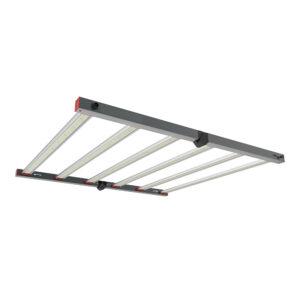
Understanding 0-10V Dimming Technology
When it comes to lighting control, 0-10V dimming has become a cornerstone for commercial and industrial installations. Unlike traditional dimmers that modulate power to the fixture, 0-10V dimmers operate by sending a low-voltage control signal to the driver or ballast, adjusting the light output smoothly and precisely.
This method offers a high degree of compatibility with LED fixtures, fluorescent lamps, and some HID lighting systems. The control voltage ranges from 0 to 10 volts DC, where 10 volts corresponds to full brightness and 0 volts typically means the light is at its minimum level or off, depending on the fixture’s design.
For contractors, understanding the nuances of this control system is essential. It’s not just about wiring a dimmer; it’s about ensuring compatibility, reliability, and optimal performance for the end user.
How 0-10V Dimming Works
At its core, the 0-10V dimming system uses a separate pair of low-voltage wires that run from the dimmer to the lighting fixture or driver. This control signal adjusts the current or voltage inside the driver, which in turn changes the light output.
The dimmer itself does not directly modulate the line voltage powering the fixture. Instead, it acts as a controller, sending a steady voltage signal that the driver interprets. This separation of control and power circuits reduces electrical noise and extends the lifespan of the lighting components.
Additionally, the ability to integrate 0-10V dimming technology into building automation systems enhances energy efficiency and user comfort. By allowing for centralized control of lighting levels, facilities can optimize energy consumption based on occupancy and natural light availability, leading to significant cost savings over time. This adaptability makes 0-10V dimming a preferred choice in modern smart building designs.
Types of 0-10V Dimmers
Not all 0-10V dimmers are created equal. There are two primary types: sinking and sourcing dimmers. Sinking dimmers pull the control voltage down to dim the lights, while sourcing dimmers provide the voltage to the fixture.
Most commercial LED drivers are designed to work with sinking dimmers, but it’s critical to verify the driver’s specifications before installation. Using an incompatible dimmer can cause flickering, inconsistent dimming, or even damage to the system.
Moreover, some advanced dimmers come equipped with features like programmable presets and remote control capabilities, allowing users to customize lighting scenes based on specific needs or activities. This level of control not only enhances the user experience but also promotes energy conservation by enabling users to easily adjust lighting based on real-time requirements. As technology continues to evolve, the integration of 0-10V dimming with IoT devices is paving the way for even smarter lighting solutions that can respond dynamically to changing environments.
Installation Best Practices for Lighting Contractors
Installing 0-10V dimmer switches requires attention to detail, especially in commercial environments where multiple fixtures and complex controls are common. Proper installation ensures system longevity and client satisfaction.
Wiring Considerations
0-10V dimming control wires are low voltage and typically use two conductors: one for the positive 10V signal and one for the neutral or ground reference. These wires should be run separately from line voltage cables to prevent interference.
Using shielded cable or twisted pair wiring can help reduce electromagnetic interference, which can cause flickering or erratic dimming behavior. Always follow the National Electrical Code (NEC) and local regulations when routing and securing control wiring. Additionally, it is advisable to label all wiring clearly to avoid confusion during maintenance or future upgrades. This practice not only aids in troubleshooting but also enhances safety by ensuring that anyone working on the system understands the configuration and purpose of each wire.
Compatibility Checks
Before installation, verify that the dimmer is compatible with the lighting fixtures and drivers. Check the manufacturer’s datasheets for voltage ranges, wiring diagrams, and recommended load capacities.
Some drivers have a minimum load requirement; if the connected fixtures draw less current than the minimum, the dimming performance may degrade. In such cases, adding a dummy load or selecting a different driver may be necessary. Furthermore, it’s beneficial to conduct a thorough compatibility test with a sample fixture before committing to a full installation. This can help identify any potential issues early on, ensuring that the entire system operates smoothly and efficiently from the outset.
Grounding and Safety
While 0-10V control circuits are low voltage, proper grounding is still essential for safety and performance. Grounding helps prevent electrical noise and protects against potential faults.
Ensure that all components, including dimmers, drivers, and fixtures, are grounded according to manufacturer instructions and electrical codes. This practice minimizes the risk of damage and ensures consistent operation. Additionally, consider implementing surge protection devices to safeguard the system against voltage spikes, which can be particularly damaging in commercial settings where equipment is often subjected to fluctuating power conditions. Regular inspection and maintenance of grounding connections can also help maintain system integrity over time, ensuring that your installations remain reliable and safe for years to come.
Advanced Features and Integration
Modern 0-10V dimmers often come with advanced features that enhance control flexibility and integration with building management systems.
Multi-Channel and Scene Control
Some dimmers support multiple channels, allowing contractors to control groups of fixtures independently or in preset scenes. This capability is especially valuable in conference rooms, auditoriums, and retail spaces where lighting needs vary throughout the day.
Scene control enables users to recall specific lighting levels with a single button press, improving user experience and energy efficiency.
Compatibility with Building Automation Systems
0-10V dimming interfaces easily with many building automation protocols. Lighting contractors can integrate dimmers with systems like BACnet or KNX using appropriate gateways or controllers.
This integration allows for centralized control, scheduling, and energy monitoring, which is increasingly demanded in commercial projects aiming for LEED certification or energy rebates.
Wireless and Smart Controls
While 0-10V is a wired standard, some manufacturers offer wireless adapters or smart dimmers that translate wireless signals into 0-10V control voltages. These solutions provide flexibility in retrofit projects or spaces where running new control wiring is challenging.
Troubleshooting Common Issues
Even experienced contractors encounter issues with 0-10V dimming systems. Understanding common problems and their solutions can save time and prevent callbacks.
Flickering Lights
Flickering is often caused by incompatible drivers, poor wiring connections, or interference. Double-check that the dimmer and driver are compatible and that wiring is secure and correctly routed.
Using shielded cables and maintaining proper separation from high-voltage lines can reduce interference. Sometimes, replacing the dimmer or driver with a higher-quality component resolves flickering.
Lights Not Dimming Properly
If lights remain at full brightness or do not dim smoothly, verify the wiring polarity of the 0-10V control wires. Reversing these wires can cause erratic behavior.
Also, confirm the dimmer’s sinking or sourcing type matches the driver’s requirements. Consult manufacturer support if unsure.
Minimum Light Level Issues
Some fixtures do not turn off completely at 0 volts but instead dim to a low level. This behavior is often by design, to prevent flicker or extend lamp life.
If true off functionality is required, check if the driver supports “off at zero” or consider adding a relay or contactor in the circuit.
Energy Efficiency and Code Compliance
Lighting contractors play a vital role in helping clients meet energy codes and sustainability goals. 0-10V dimming systems contribute significantly to these efforts.
Energy Savings Potential
Dimming lights reduces energy consumption and extends the life of fixtures. Studies show that dimming LED lighting by 50% can reduce energy use by nearly half, depending on the driver efficiency.
Implementing 0-10V dimming in commercial spaces can contribute to substantial utility savings over the lifetime of the installation.
Meeting Building Codes and Standards
Many building codes require lighting controls for occupant comfort and energy conservation. 0-10V dimming systems are often specified in standards like ASHRAE 90.1 and California Title 24.
Contractors should be familiar with these requirements and ensure that installations comply fully to avoid costly rework or penalties.
Incentives and Rebates
Utility companies and government programs frequently offer incentives for installing energy-efficient lighting controls. Proper documentation and system commissioning are essential to qualify for these rebates.
Contractors should advise clients on available programs and assist with paperwork to maximize project value.
Choosing the Right 0-10V Dimmer for Your Project
Selecting the appropriate dimmer switch is a critical step that impacts installation complexity, user experience, and system longevity.
Load Capacity and Fixture Compatibility
Calculate the total load of the fixtures connected to the dimmer. Ensure the dimmer’s rated load exceeds this value with some margin for safety and future expansion.
Check that the dimmer supports the type of lamps used-LED, fluorescent, or otherwise-as some dimmers are optimized for specific technologies.
User Interface and Control Options
Consider the end-user’s needs. Some projects benefit from simple rotary or slide dimmers, while others require digital touch panels or remote controls.
Ease of use, aesthetics, and integration with other systems should guide the choice.
Durability and Warranty
Commercial environments demand robust equipment. Choose dimmers from reputable manufacturers that offer solid warranties and technical support.
Quality components reduce maintenance costs and improve client satisfaction.
Final Thoughts for Lighting Contractors
Mastering 0-10V dimmer switches equips lighting contractors with a powerful tool for delivering high-quality, energy-efficient lighting solutions. Attention to detail-from wiring to compatibility checks-ensures installations perform flawlessly.
Staying informed about the latest products and standards keeps contractors competitive and capable of meeting diverse client needs. With the right knowledge and approach, 0-10V dimming can be a straightforward, reliable, and rewarding part of any lighting project.
Get Your Premium 0-10V Dimmer Switches at LumenWholesale
Ready to elevate your lighting projects with the most efficient 0-10V dimmer switches on the market? Look no further than LumenWholesale, where we provide contractors with the highest quality, spec-grade lighting products at unbeatable wholesale prices. Say goodbye to local distributor markups and hello to our extensive selection that meets rigorous industry standards. Plus, with free shipping on bulk orders, you can stock up on premium lighting solutions without worrying about hidden fees. Make your next project shine with the perfect blend of quality, affordability, and convenience. Discover Wholesale Lighting at the Best Value today and transform your lighting installations with LumenWholesale.