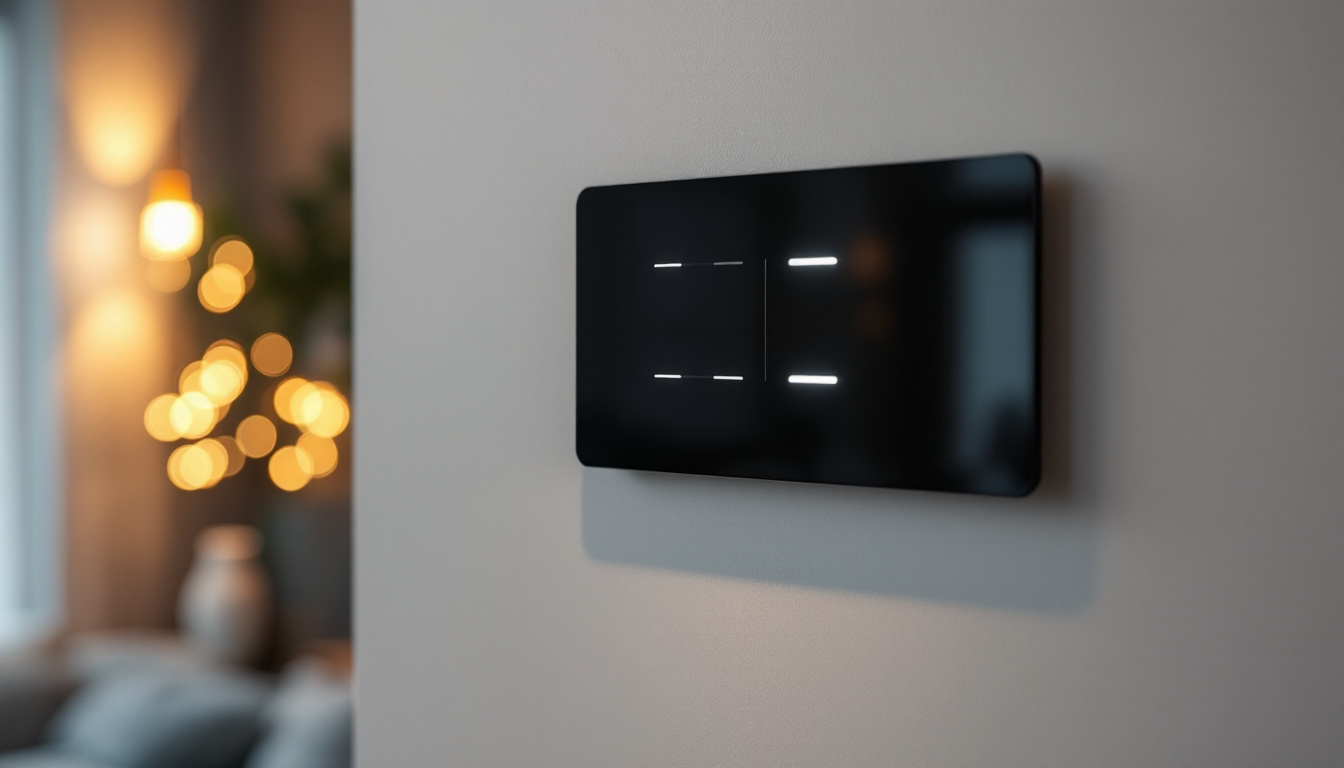
As the demand for energy-efficient lighting solutions continues to rise, the integration of dimmer switches with LED technology has become increasingly important for lighting contractors. Understanding the nuances of these devices is essential for providing clients with optimal lighting solutions that enhance both functionality and ambiance. This article delves into the essentials of dimmer switches with LEDs, exploring their benefits, installation considerations, and troubleshooting tips.
Understanding Dimmer Switches
Dimmer switches are devices that allow users to adjust the brightness of their lighting fixtures. Traditionally used with incandescent bulbs, dimmers can now be paired with various lighting technologies, including LEDs. However, not all dimmer switches are created equal, and selecting the right one is crucial for achieving desired lighting effects.
Types of Dimmer Switches
There are several types of dimmer switches available on the market, each designed for different applications and lighting technologies. The most common types include:
- Rotary Dimmers: These are the classic dimmers that feature a rotating knob to adjust brightness. They are simple to use and can be found in various styles.
- Slide Dimmers: Slide dimmers allow users to adjust brightness by sliding a lever up or down. This type offers a more precise control over lighting levels.
- Smart Dimmers: These modern dimmers can be controlled via smartphone apps or voice commands, offering convenience and advanced features like scheduling and scene setting.
Benefits of Using Dimmer Switches with LEDs
Integrating dimmer switches with LED lighting brings numerous advantages that can enhance the overall experience for clients:
- Energy Efficiency: dimming LEDs can significantly reduce energy consumption, leading to lower utility bills and a smaller carbon footprint.
- Extended Lifespan: When dimmed, LEDs operate at a lower temperature, which can prolong their lifespan compared to running at full brightness.
- enhanced ambiance: Dimmers allow users to create the perfect atmosphere for any occasion, whether it’s a cozy dinner or a bright workspace.
Moreover, the versatility of dimmer switches extends beyond mere brightness control. They can be instrumental in setting the mood for different activities, such as movie nights, where a soft, dim glow can enhance the viewing experience, or for reading, where brighter light may be necessary. Additionally, many homeowners are now integrating dimmer switches into their smart home systems, allowing for seamless control over lighting through automation. This can include programming lights to gradually brighten in the morning, simulating a sunrise, or dimming in the evening to promote relaxation and better sleep hygiene.
Furthermore, the aesthetic aspect of dimmer switches should not be overlooked. With a variety of designs and finishes available, they can complement any interior decor, from sleek modern styles to more traditional looks. This means that not only do dimmer switches serve a functional purpose, but they also contribute to the overall design and feel of a space, making them an essential element in both residential and commercial lighting solutions.
Installation Considerations
Installing dimmer switches with LED lights requires careful planning and attention to detail. Lighting contractors must consider several factors to ensure a successful installation.
Compatibility
One of the most critical aspects of installation is ensuring compatibility between the dimmer switch and the LED bulbs. Not all dimmers work well with LED technology, so it’s essential to choose dimmers specifically designed for LEDs. Look for products that are labeled as “LED compatible” to avoid flickering and other performance issues. Additionally, it’s worth noting that some LED bulbs come with built-in dimming capabilities, which can further simplify the installation process. However, even with these bulbs, pairing them with the right dimmer is key to achieving optimal performance and longevity.
Wattage Ratings
Each dimmer switch has a maximum wattage rating that should not be exceeded. When selecting dimmers, consider the total wattage of the LED fixtures being controlled. It’s advisable to choose a dimmer that can handle a slightly higher wattage than the total load to ensure reliable performance. Furthermore, it’s important to account for the number of bulbs being used; for example, if you have multiple bulbs on a single dimmer, their combined wattage should still fall within the safe operating range. This practice not only enhances the dimmer’s lifespan but also ensures a smooth dimming experience without any unexpected interruptions.
Wiring and Safety
proper wiring is crucial for the safe and effective operation of dimmer switches. Contractors should follow local electrical codes and guidelines during installation. Additionally, it’s important to ensure that the circuit is turned off before beginning any work to prevent electrical shock. Using a voltage tester can provide an extra layer of safety, confirming that no current is present before handling wires. Moreover, attention should be paid to the quality of the wiring connections; loose or poorly connected wires can lead to overheating and potential fire hazards. For added safety, consider using wire nuts or electrical tape to secure connections, ensuring that all exposed wires are properly insulated and protected from accidental contact.
Common Challenges and Troubleshooting
Even with careful planning, issues can arise during the installation or operation of dimmer switches with LEDs. Being prepared to troubleshoot these challenges can save time and enhance client satisfaction.
Flickering Lights
One of the most common problems encountered with LED dimmers is flickering lights. This can occur due to incompatible dimmer switches or incorrect wattage ratings. To resolve this issue, ensure that the dimmer is compatible with the LED bulbs being used. If flickering persists, consider replacing the dimmer with a more suitable model. Additionally, it’s worth noting that some LED bulbs are designed with integrated drivers that may not work well with older dimmer technology. Therefore, opting for newer dimmers specifically engineered for LED technology can significantly reduce the likelihood of flickering and improve overall performance.
Limited Dimming Range
Some LED bulbs may not dim down to very low levels, which can be frustrating for users. This limitation is often due to the design of the bulb itself. To improve dimming performance, recommend high-quality LED bulbs known for their dimming capabilities. Additionally, ensure that the dimmer switch is designed to handle a wide range of dimming. It’s also beneficial to educate clients about the differences between standard and dimmable LED bulbs, as many consumers may not realize that not all LED bulbs are created equal. By selecting bulbs specifically labeled as “dimmable,” users can enjoy a smoother dimming experience and greater control over their lighting environment.
Overheating Issues
Overheating can be a concern with dimmer switches, especially when they are overloaded. If a dimmer switch becomes excessively hot during operation, it may indicate that the wattage limit is being exceeded. In such cases, it’s essential to reassess the total load and replace the dimmer with one that can handle the required wattage safely. Furthermore, ensuring proper ventilation around the dimmer switch can help mitigate overheating risks. Installing dimmers in enclosed spaces without adequate airflow can exacerbate the problem, so consider relocating the switch or using a model designed for high-heat environments. Regular maintenance checks can also be beneficial, as dust accumulation can hinder the cooling process and lead to further complications.
Choosing the Right Products
Selecting the best dimmer switches and LED bulbs is vital for ensuring a successful installation. Here are some tips for lighting contractors to consider when choosing products.
Quality Brands
Investing in reputable brands can make a significant difference in performance and reliability. Quality manufacturers often provide detailed specifications and compatibility information, which can help contractors make informed decisions. Look for brands that have a strong reputation in the lighting industry and offer warranties on their products.
Energy Star Certification
Choosing Energy Star certified products can provide assurance of energy efficiency and performance. These products meet strict guidelines set by the Environmental Protection Agency, ensuring that they perform well and contribute to energy savings. Clients often appreciate the added benefit of sustainability, making Energy Star products an attractive option.
Client Preferences
Understanding client preferences is essential when selecting dimmer switches and LED bulbs. Some clients may prefer specific styles or colors, while others may prioritize functionality and ease of use. Engaging clients in the selection process can lead to greater satisfaction and a more successful project overall.
Best Practices for Installation
To ensure a seamless installation process, lighting contractors should follow best practices that promote safety and efficiency.
Pre-Installation Assessment
Before beginning any installation, conduct a thorough assessment of the existing electrical system. Check for any potential issues, such as outdated wiring or insufficient circuit capacity, that could impact the performance of the new dimmer switches. Addressing these concerns upfront can prevent complications later in the project.
Clear Communication with Clients
effective communication with clients is key to a successful installation. Discuss the benefits of dimmer switches and LED lighting, as well as any potential challenges they may face. Providing clear explanations and setting realistic expectations can help build trust and ensure that clients are satisfied with the final results.
Testing and Quality Assurance
Once the installation is complete, conduct thorough testing of the dimmer switches and LED fixtures. Check for proper functionality, including dimming capabilities and any potential flickering issues. This quality assurance step is crucial for identifying and addressing any problems before the project is finalized.
Conclusion
Dimmer switches with LED technology offer a wealth of benefits for both lighting contractors and their clients. By understanding the intricacies of these devices, including compatibility, installation considerations, and troubleshooting techniques, contractors can provide exceptional service and create stunning lighting solutions. As the industry continues to evolve, staying informed about the latest trends and technologies will empower contractors to meet the growing demand for energy-efficient and customizable lighting options.
Get Your Premium Lighting Supplies at LumenWholesale
Ready to elevate your lighting projects with the best dimmer switches and LED technology? Look no further than LumenWholesale, where we offer an extensive selection of spec-grade lighting products tailored for the discerning contractor. Our commitment to quality and affordability means you can access the latest in lighting innovation without the burden of inflated markups. Plus, with free shipping on bulk orders, you can stock up on all your lighting needs and maintain your budget. Don’t compromise on quality or cost—choose LumenWholesale for lighting solutions that truly shine. Discover the value we bring to your projects by visiting Wholesale Lighting at the Best Value today.