Understanding Trak Lighting Systems
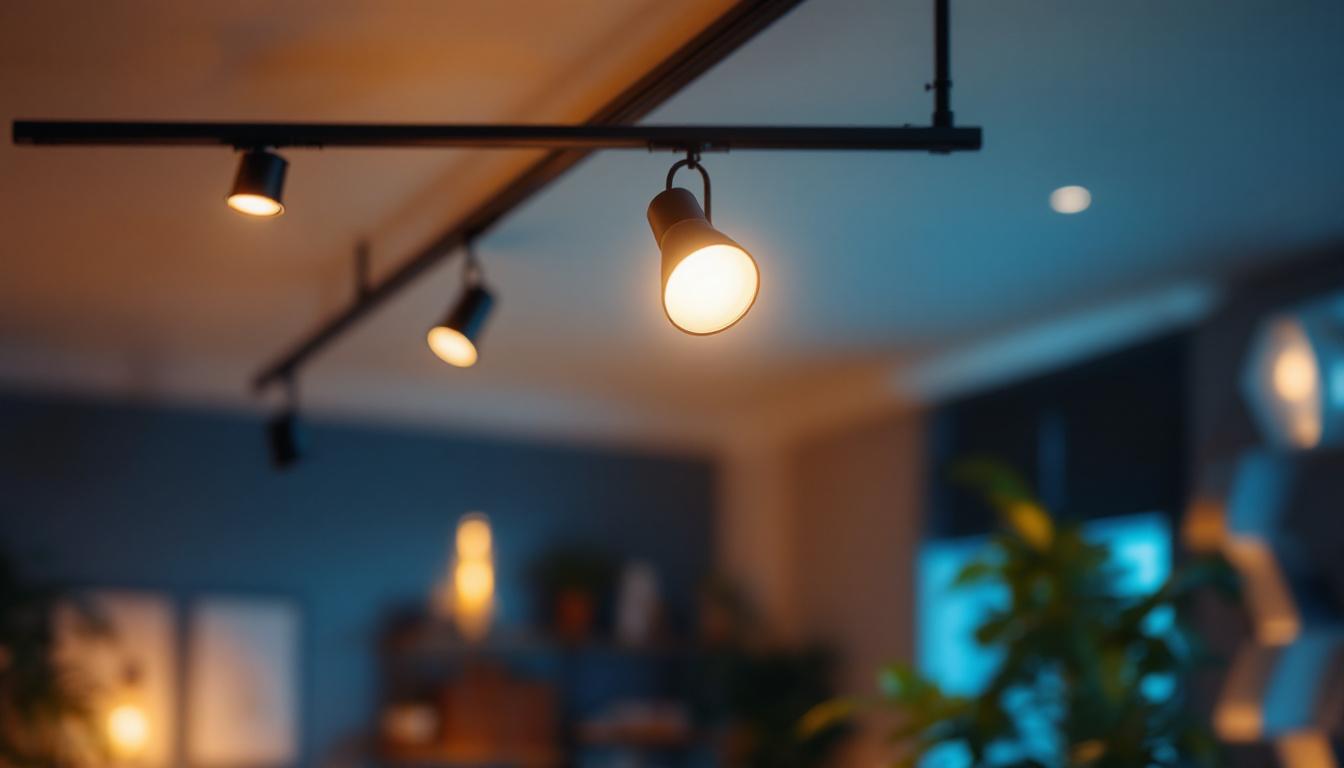
Trak lighting, also known as track lighting, has become a staple in modern lighting design due to its versatility and adaptability. For lighting contractors, mastering trak lighting systems is essential to delivering customized, efficient, and aesthetically pleasing solutions. Unlike traditional fixed fixtures, trak lighting allows for multiple light heads to be mounted along a continuous track, which can be adjusted or repositioned as needed. This flexibility not only caters to changing design needs but also allows for easy upgrades or modifications without the need for extensive rewiring or structural changes.
These systems are widely used in commercial spaces, galleries, retail environments, and residential settings where flexible lighting is crucial. The ability to direct light precisely where it’s needed enhances both functionality and ambiance, making trak lighting a preferred choice for professionals aiming to meet diverse client demands. Furthermore, the sleek and modern appearance of trak lighting contributes to contemporary interior aesthetics, making it a popular choice among designers who wish to create a clean and uncluttered look.
Types of Trak Lighting
There are primarily three types of trak lighting systems: H-type (high voltage), J-type, and L-type (both low voltage). Each type has distinct electrical and mechanical characteristics that influence installation and compatibility. For example, H-type systems operate on line voltage and are compatible with standard bulbs, while J-type and L-type systems require transformers and offer more energy-efficient options. The choice of system can also affect the overall brightness and color temperature of the lighting, allowing contractors to tailor the lighting to specific tasks or moods.
Understanding these differences is critical for lighting contractors to ensure proper specification and installation, preventing costly mistakes and ensuring system longevity. Additionally, the selection of light fixtures that fit within the track system can further enhance the versatility of the installation. From adjustable spotlights to pendant lights, the variety of available fixtures allows for creative expression and functional design. This adaptability makes trak lighting not just a practical solution, but also an opportunity for innovation in lighting design, enabling contractors to create unique environments that reflect the personality and needs of their clients.
Key Components of Trak Lighting
Before installation, it’s important to familiarize yourself with the essential components of trak lighting systems. These include the track itself, light heads, connectors, and power feeds.
The Track
The track serves as the backbone of the system, providing both the physical support and electrical connection for the light heads. Tracks come in various lengths, finishes, and mounting options (surface, recessed, or pendant). Selecting the right track depends on the project’s spatial constraints and design requirements. Additionally, tracks can be made from different materials such as aluminum or steel, each offering unique aesthetic and functional benefits. For instance, aluminum tracks are lightweight and corrosion-resistant, making them ideal for both indoor and outdoor applications. The choice of finish, whether it be matte black, white, or metallic, can also significantly influence the overall look of the lighting setup, allowing it to blend seamlessly with the surrounding decor or stand out as a statement piece.
Light Heads
Light heads are the fixtures attached to the track that house the bulbs. They come in a variety of shapes, sizes, and beam angles, allowing for tailored lighting effects. From spotlights to floodlights, choosing the correct light head is essential for achieving the desired illumination and visual impact. Moreover, many modern light heads are designed to accommodate LED bulbs, which not only provide energy efficiency but also offer a longer lifespan compared to traditional incandescent options. Some light heads even feature adjustable angles, enabling users to direct light precisely where it’s needed, whether for highlighting artwork or creating ambient lighting in a living space. The versatility of light heads makes them a crucial element in achieving dynamic lighting schemes that can adapt to different moods and activities.
Connectors and Power Feeds
Connectors link multiple track sections, enabling longer runs or custom layouts, while power feeds supply electricity to the track. These components must be selected carefully to ensure electrical safety and compliance with local codes. In addition to standard connectors, there are also specialized connectors available that allow for 90-degree turns or T-shaped junctions, which can be particularly useful in complex room layouts. Power feeds can be hardwired or plug-in types, providing flexibility depending on the installation requirements. Furthermore, some systems offer dimmable power feeds, allowing users to adjust the brightness of the lights to suit different occasions or preferences. This level of customization not only enhances the functionality of the lighting system but also contributes to energy savings and improved ambiance in any space.
Essential Pre-Installation Checklist
Proper planning is the foundation of a successful trak lighting installation. The following checklist covers critical considerations to avoid common pitfalls and ensure a smooth process.
1. Assess the Space and Lighting Needs
Begin by analyzing the space’s purpose, dimensions, and existing lighting conditions. Determine the areas requiring accent, task, or ambient lighting. This assessment guides the selection of track type, length, and light heads, ensuring the lighting design complements the space’s function. For instance, in a kitchen, brighter task lighting may be necessary over countertops, while softer ambient lighting can create a cozy atmosphere in a living room. Additionally, consider the natural light sources in the space; this will help you understand how much artificial light is needed at different times of the day.
2. Verify Electrical Capacity and Compatibility
Confirm that the existing electrical infrastructure can support the trak lighting system’s load. Check circuit capacity, voltage requirements, and ensure compatibility between the track type and power source. This step is crucial to prevent overloads and electrical hazards. It may also be beneficial to consult with an electrician to evaluate the wiring and circuit breaker specifications. Understanding the electrical layout can help identify potential issues early on, such as the need for additional circuits or upgrades to accommodate the new lighting system.
3. Select Appropriate Fixtures and Accessories
Choose light heads that meet the client’s aesthetic and functional needs. Consider bulb type (LED, halogen, etc.), color temperature, and beam spread. Also, select connectors and power feeds that match the track system and layout. When selecting fixtures, think about the overall design theme of the space; for example, sleek, modern fixtures may be ideal for contemporary settings, while vintage-inspired heads could enhance a rustic decor. Additionally, consider the dimming capabilities of the fixtures, as this can provide versatility in lighting levels for different occasions and moods.
4. Plan the Layout and Mounting Method
Design the track layout to optimize coverage and flexibility. Decide on the mounting method—surface-mounted tracks are easier to install, while recessed tracks offer a cleaner look but require more complex installation. Ensure the layout complies with building codes and client preferences. It’s also wise to visualize the arrangement by using design software or mock-ups, which can help in identifying any potential shadows or areas that may be inadequately lit. Keep in mind the height at which the track will be installed, as this can significantly affect the lighting effect and overall ambiance of the space.
5. Obtain Necessary Permits and Approvals
Check local regulations to determine if permits are required. Securing approvals beforehand avoids delays and ensures compliance with safety standards. In some cases, it may also be beneficial to engage with local building inspectors early in the process to clarify any specific requirements or concerns they might have. This proactive approach can streamline the installation process and ensure that all aspects of the project adhere to local codes, ultimately leading to a safer and more efficient installation.
Installation Best Practices
Executing the installation with precision and professionalism is vital to the system’s performance and client satisfaction.
Secure Mounting and Alignment
Ensure the track is securely mounted to a structural element capable of supporting the system’s weight. Use a level to maintain straight alignment, which is critical for both aesthetics and functionality. Improper mounting can lead to sagging or electrical connection issues.
Electrical Connections and Safety
Follow manufacturer guidelines and electrical codes meticulously when making connections. Use appropriate tools and protective equipment. Double-check polarity and grounding to prevent electrical faults. Testing the system before finalizing installation helps identify any issues early.
Fixture Placement and Adjustment
Position light heads according to the lighting plan, allowing for future adjustments. Educate clients on how to reposition fixtures safely to maximize the system’s flexibility. Proper placement enhances lighting effectiveness and user satisfaction.
Maintenance and Troubleshooting Tips
Long-term performance depends on regular maintenance and prompt troubleshooting.
Routine Inspection and Cleaning
Schedule periodic inspections to check for loose connections, damaged components, or dust accumulation. Clean fixtures and tracks with appropriate materials to maintain light quality and prevent overheating.
Replacing Bulbs and Components
Use manufacturer-recommended bulbs to ensure compatibility and longevity. When replacing components, verify that replacements match the original specifications to maintain system integrity.
Common Issues and Solutions
Flickering lights may indicate loose connections or incompatible bulbs. Uneven lighting can result from improper fixture placement. Address these issues promptly to maintain optimal performance and client trust.
Maximizing Efficiency and Client Satisfaction
Beyond installation, lighting professionals can enhance project outcomes by focusing on efficiency and client education.
Energy-Efficient Options
LED trak lighting fixtures offer significant energy savings and longer lifespans compared to traditional bulbs. Recommending LED solutions aligns with sustainability goals and reduces operational costs for clients.
Customizable Controls
Integrating dimmers, smart controls, or motion sensors can increase system versatility and user convenience. Educate clients on these options to add value and differentiate your services.
Clear Communication and Documentation
Provide clients with detailed documentation, including system specifications, maintenance guidelines, and warranty information. Clear communication fosters trust and encourages repeat business.
Conclusion
For lighting contractors, proficiency in trak lighting systems is a valuable asset that enhances project versatility and client satisfaction. By adhering to a comprehensive checklist—from understanding system types and components to meticulous installation and maintenance—professionals can deliver reliable, efficient, and visually compelling lighting solutions. Staying informed about the latest technologies and best practices ensures that trak lighting installations meet the evolving demands of modern spaces.
Illuminate Your Projects with LumenWholesale
Ready to elevate your lighting projects with the best in trak lighting systems? Look no further than LumenWholesale, where we provide lighting professionals like you with the highest quality, spec-grade lighting products at unbeatable wholesale prices. Say goodbye to local distributor markups and hello to superior lighting solutions that meet the highest industry standards. With our hassle-free bulk buying and free shipping, you can trust that you’re getting premium lighting at the best value — without any hidden fees. Make your next project shine with the perfect blend of quality, affordability, and convenience at LumenWholesale.