Understanding Vintage Light Bulbs: A Foundation for Lighting Contractors
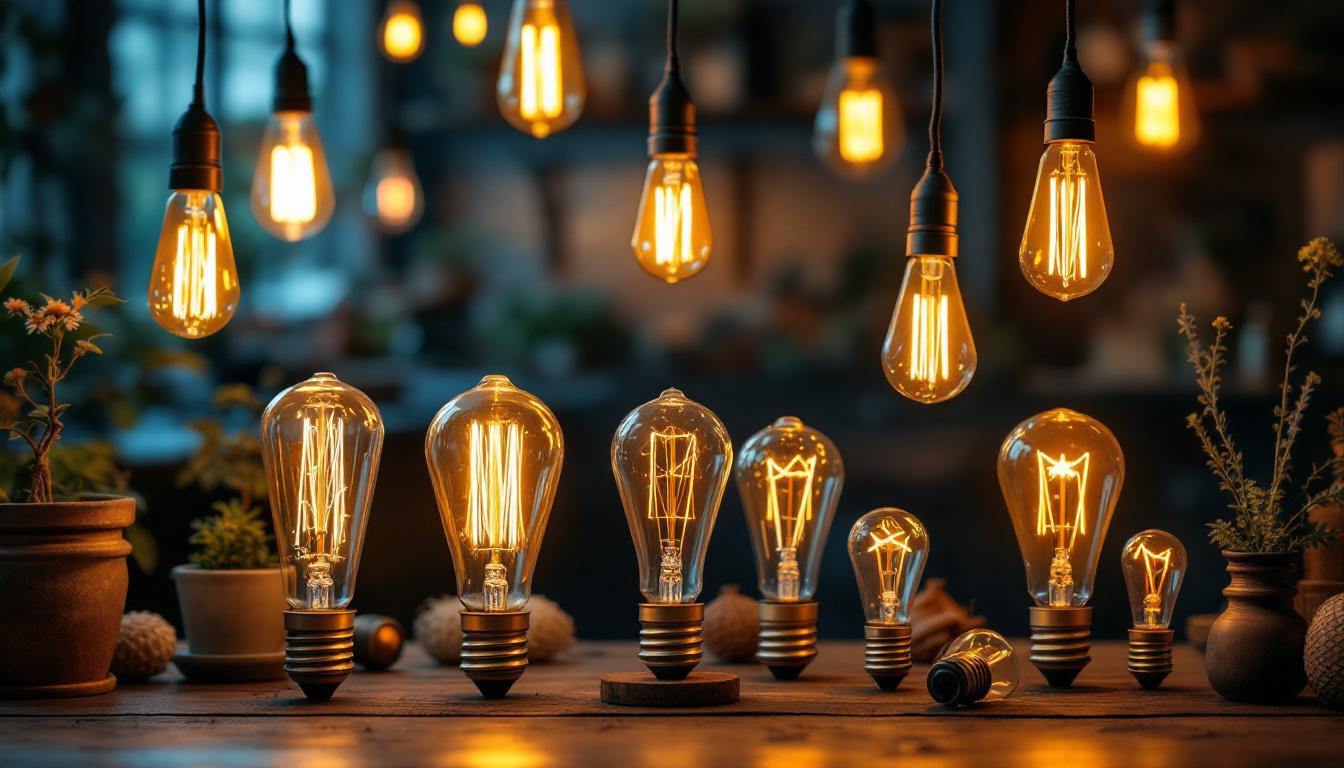
Vintage light bulbs have surged in popularity, becoming a staple in both residential and commercial design projects. For lighting contractors, mastering the nuances of these bulbs is essential to meet client expectations and ensure functional, aesthetically pleasing installations. Vintage bulbs, often characterized by their filament designs, warm glow, and nostalgic appeal, differ significantly from modern LED or fluorescent bulbs in both appearance and performance.
These bulbs typically feature exposed filaments and are designed to emulate the look of early incandescent bulbs. Their warm color temperature—usually around 2200K to 2700K—creates an inviting atmosphere that appeals to those seeking a retro or industrial vibe. However, vintage bulbs come in various types, including Edison-style, tubular, globe, and ST64 shapes, each suited to different design contexts. The versatility of these shapes allows contractors to tailor their lighting solutions to fit the specific aesthetic of a space, whether it be a cozy café, a chic restaurant, or a stylish home.
For contractors, understanding these variations is crucial. The choice of bulb impacts not only the visual outcome but also the electrical requirements and longevity of the installation. Moreover, vintage bulbs often have different wattages and voltage specifications compared to contemporary bulbs, requiring careful consideration during project planning. It’s also important for contractors to educate their clients about the maintenance and operational differences associated with vintage bulbs, such as their shorter lifespan and sensitivity to dimming controls. This knowledge not only helps in setting realistic expectations but also positions the contractor as a knowledgeable resource, further enhancing client trust and satisfaction.
Additionally, the resurgence of vintage bulbs has sparked a renewed interest in sustainable design practices. Many manufacturers are now producing energy-efficient versions of these classic bulbs, which retain the aesthetic appeal while offering improved energy consumption rates. Lighting contractors can leverage this trend by incorporating eco-friendly options into their projects, appealing to environmentally conscious clients. By staying informed about advancements in vintage bulb technology, contractors can provide innovative solutions that marry nostalgia with modern efficiency, ensuring that their designs remain both stylish and sustainable.
Choosing the Right Vintage Bulbs for Different Applications
Residential Spaces
In residential projects, vintage bulbs are frequently used to enhance ambiance in living rooms, dining areas, and bedrooms. Their soft, warm light complements wood finishes, exposed brick, and other natural materials common in vintage or rustic interior designs. Contractors should prioritize bulbs with lower wattage to create cozy environments without excessive brightness.
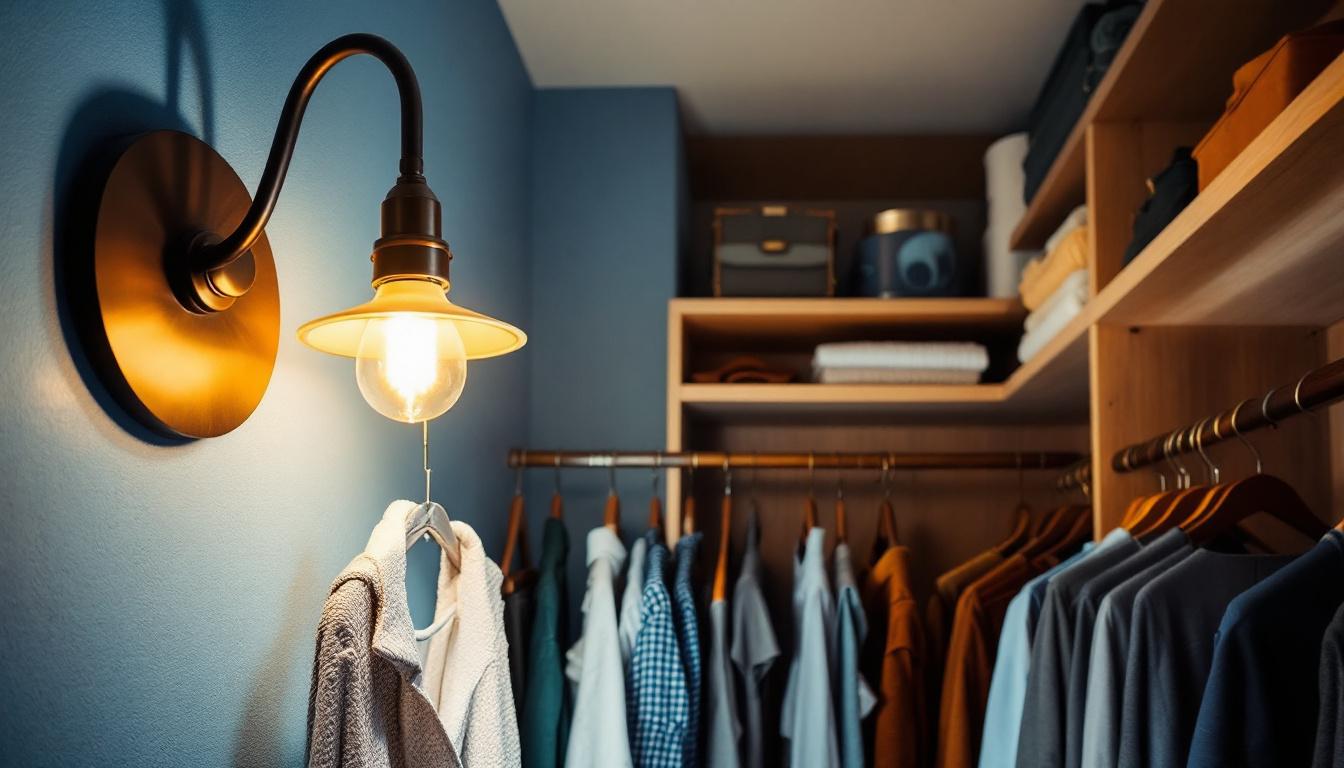
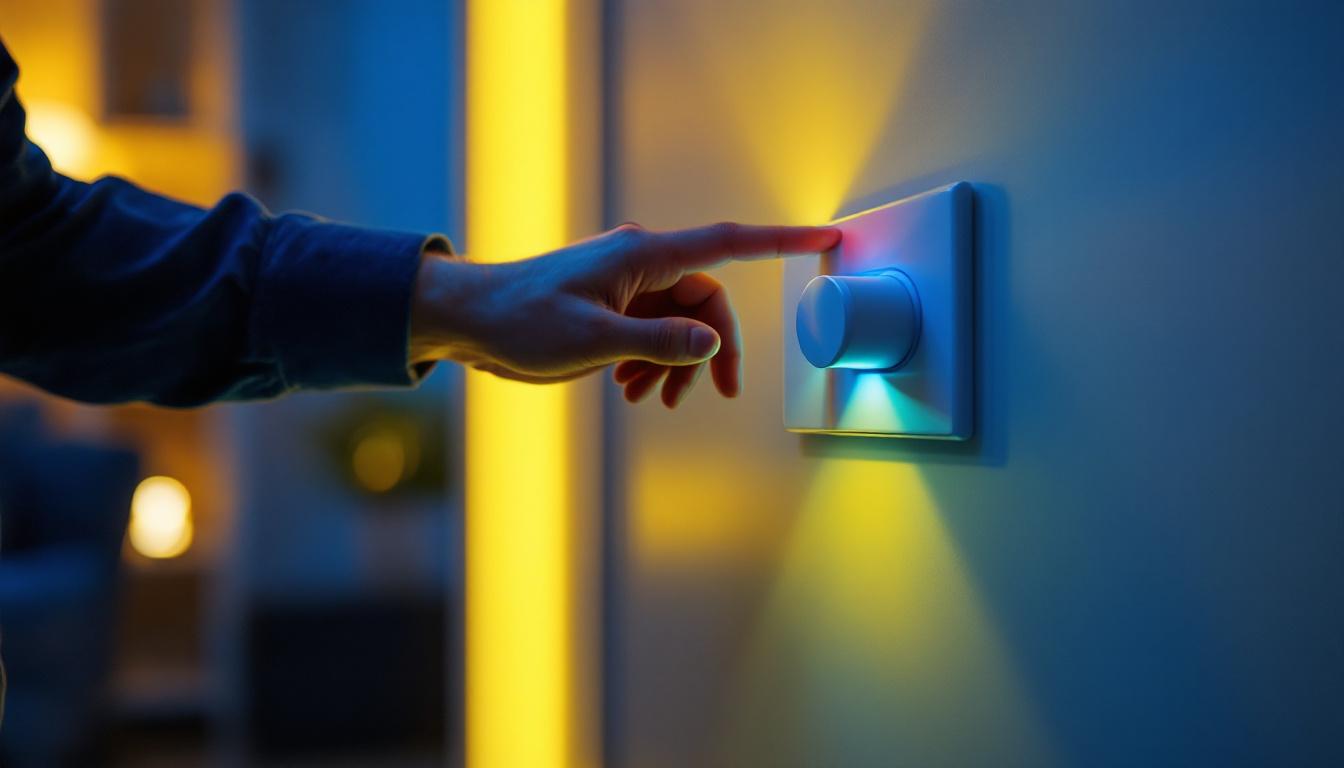
Additionally, dimmable vintage bulbs offer homeowners flexibility in controlling lighting levels. It is important to verify compatibility between the bulbs and dimmer switches, as not all vintage bulbs perform well with standard dimmers. Using compatible dimmers ensures smooth dimming and prevents flickering, which can detract from the desired aesthetic. Furthermore, the placement of these bulbs plays a crucial role in achieving the desired effect; strategically positioning them in lamps, sconces, or chandeliers can create layers of light that enhance the overall atmosphere. Incorporating vintage-style lampshades can further diffuse the light, adding texture and depth to the space.
Commercial and Hospitality Settings
Restaurants, bars, and boutique hotels often leverage vintage lighting to establish a distinctive atmosphere that encourages customer engagement and comfort. In these environments, lighting contractors must balance aesthetics with functionality, ensuring sufficient illumination for safety and operational needs while maintaining the vintage appeal.
Contractors should consider bulbs with higher lumen outputs or supplement vintage bulbs with task lighting where necessary. Moreover, the choice of bulb base—such as E26 or E27—should align with existing fixtures or planned installations. In hospitality settings, durability and bulb lifespan are also critical factors, as frequent replacements can disrupt operations and increase costs. Beyond just the bulbs, the overall design of the lighting fixtures can contribute significantly to the theme of the establishment; for instance, using Edison-style fixtures with exposed filaments can evoke a sense of nostalgia, while ornate glass shades can add a touch of elegance. Additionally, integrating smart lighting solutions can enhance the customer experience by allowing for dynamic adjustments to the lighting based on the time of day or specific events.
Outdoor and Specialty Installations
Vintage bulbs are increasingly used in outdoor settings like patios, gardens, and event spaces to create inviting environments. When selecting bulbs for outdoor use, contractors must ensure they are rated for damp or wet locations to prevent electrical hazards and premature failure.
Specialty vintage bulbs, such as those with colored filaments or unique shapes, can add character to themed events or retail displays. However, these often require specialized fixtures or transformers, underscoring the importance of thorough planning and coordination with clients and suppliers. Furthermore, the use of vintage string lights can create a whimsical atmosphere for outdoor gatherings, while lantern-style fixtures can enhance pathways and seating areas, providing both safety and charm. Incorporating solar-powered vintage-style bulbs can also be an eco-friendly option, allowing for beautiful illumination without the need for electrical wiring, making them perfect for remote or garden settings. As outdoor spaces become extensions of the home or venue, the choice of vintage lighting can significantly influence the overall experience, inviting guests to linger and enjoy the ambiance.
Technical Considerations for Lighting Contractors
Electrical Compatibility and Safety
Vintage bulbs, especially those that are incandescent or halogen-based, have different electrical characteristics than LED or CFL bulbs. Contractors must verify voltage compatibility and ensure that circuits can handle the load without risk of overheating or tripping breakers.
Moreover, many vintage bulbs generate more heat, necessitating adequate ventilation and the use of heat-resistant fixtures. Failure to account for heat dissipation can lead to fixture damage or fire hazards. Adhering to local electrical codes and manufacturer guidelines is non-negotiable for safety and compliance.
Additionally, it is crucial for contractors to consider the age and condition of existing wiring when installing vintage lighting. Older wiring may not be equipped to handle the demands of modern lighting systems, which can lead to unexpected failures or safety issues. Conducting a thorough inspection of the electrical infrastructure prior to installation can help identify potential problems and ensure that the setup is both safe and efficient. This proactive approach not only protects the integrity of the installation but also enhances the longevity of the vintage fixtures.
Energy Efficiency and Environmental Impact
Traditional vintage bulbs tend to be less energy-efficient compared to modern LED alternatives. However, LED vintage bulbs have emerged as a solution, combining the classic look with improved energy performance and longer lifespans. Lighting contractors should educate clients on these options, highlighting potential cost savings and environmental benefits.
Incorporating LED vintage bulbs can reduce energy consumption by up to 80% compared to incandescent counterparts, an important consideration for commercial clients focused on sustainability and operational costs. Additionally, LED bulbs produce less heat, further enhancing safety and reducing cooling loads.
Moreover, the environmental impact of using energy-efficient lighting extends beyond just reduced energy consumption. By opting for LED vintage bulbs, clients can contribute to a decrease in greenhouse gas emissions associated with electricity generation. This is particularly relevant in regions where fossil fuels are the primary energy source. Contractors can bolster their value proposition by providing clients with data on the carbon footprint reduction achieved through the use of energy-efficient lighting solutions, thereby appealing to environmentally conscious consumers.
Maintenance and Replacement Strategies
Lighting contractors must develop maintenance plans that address the unique lifespan and fragility of vintage bulbs. Incandescent vintage bulbs typically have shorter lifespans, requiring more frequent replacements, which can increase labor costs and inconvenience clients.
Implementing easy-access fixtures and educating clients on proper handling can mitigate some maintenance challenges. For commercial clients, stocking replacement bulbs or establishing service agreements can ensure timely upkeep and minimize downtime.
Furthermore, contractors should consider offering a comprehensive maintenance service that includes regular inspections and cleaning of fixtures. Dust and debris can accumulate on vintage bulbs, diminishing their light output and aesthetic appeal. By providing a routine maintenance schedule, contractors can help clients maintain the beauty and functionality of their vintage lighting, ultimately enhancing customer satisfaction and fostering long-term relationships. Additionally, educating clients on the importance of using compatible dimmers and switches can also prolong the life of vintage bulbs, ensuring they continue to shine brightly for years to come.
Design Integration and Client Communication
Collaborating with Designers and Architects
Successful vintage lighting installations often result from close collaboration between lighting contractors, interior designers, and architects. Understanding the overall design vision helps contractors recommend appropriate bulb types, wattages, and fixture placements that align with aesthetic and functional goals.
Providing samples or mock-ups can facilitate client approval and reduce the risk of costly changes during installation. Contractors should also stay informed about emerging trends in vintage lighting to offer innovative solutions that enhance project value.
Educating Clients on Vintage Lighting Benefits and Limitations
Clients may be drawn to vintage bulbs for their charm but unaware of practical considerations such as energy use, heat output, and lifespan. Lighting contractors play a vital role in setting realistic expectations and guiding choices that balance style with performance.
Clear communication about the differences between traditional and LED vintage bulbs, dimming capabilities, and maintenance requirements fosters trust and satisfaction. Offering demonstrations or visual aids can help clients make informed decisions aligned with their needs and budgets.
Emerging Trends and Future Outlook in Vintage Lighting
The vintage lighting market continues to evolve, driven by advancements in LED technology and growing consumer interest in sustainable, stylish lighting solutions. Smart vintage bulbs equipped with connectivity features allow users to adjust brightness and color temperature remotely, blending nostalgia with modern convenience.
Lighting contractors should monitor these developments to remain competitive and provide cutting-edge options. Integrating vintage lighting with smart home systems or energy management platforms can add value to installations and appeal to tech-savvy clients.
Furthermore, the resurgence of artisanal and handcrafted bulbs offers opportunities for contractors to collaborate with specialty manufacturers, delivering unique products that differentiate their services in a crowded market.
Conclusion
For lighting contractors, expertise in vintage light bulbs encompasses technical knowledge, design sensitivity, and client communication skills. By understanding the characteristics and applications of vintage bulbs, contractors can deliver installations that are both beautiful and functional. Prioritizing safety, energy efficiency, and maintenance considerations ensures long-term client satisfaction.
Staying abreast of industry trends and emerging technologies empowers contractors to offer innovative solutions that marry vintage aesthetics with modern performance. Ultimately, mastering vintage lighting best practices positions contractors as trusted partners in creating memorable, inviting spaces that stand the test of time.
Illuminate Your Projects with LumenWholesale
Ready to elevate your vintage lighting projects with the finest selection of spec-grade bulbs? At LumenWholesale, we provide lighting contractors with exceptional, energy-efficient vintage light bulbs that blend classic charm with modern performance. Say goodbye to inflated markups and hello to premium quality at wholesale prices, complete with the convenience of free shipping on bulk orders. Don’t compromise on quality or value—visit LumenWholesale today and discover the best in wholesale lighting solutions tailored to your needs.