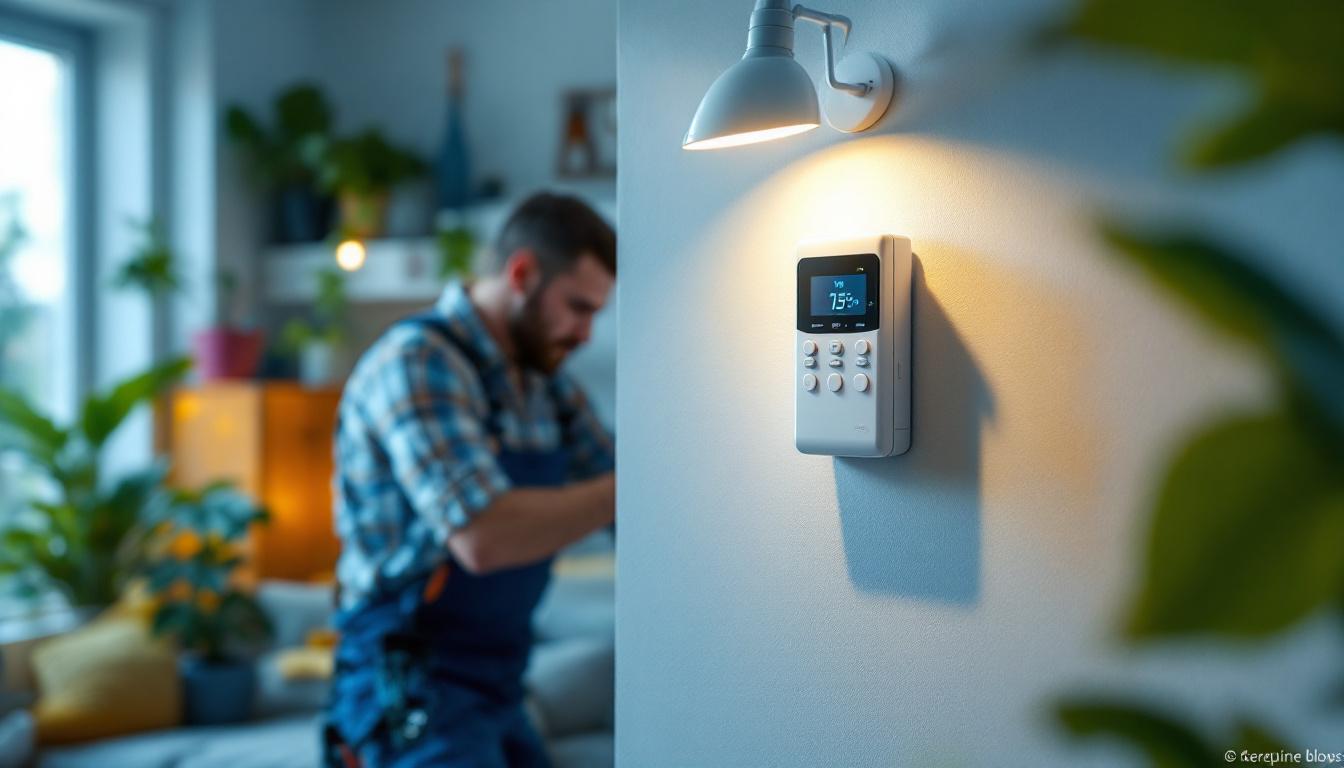
Understanding Electronic Timer Switches
Electronic timer switches are indispensable tools for lighting contractors aiming to deliver smarter, more efficient lighting solutions. Unlike traditional mechanical timers, electronic timer switches offer precision, flexibility, and a range of programmable options that can be tailored to diverse lighting needs.
At their core, these devices control when electrical circuits are energized, automating lighting schedules without manual intervention. This automation not only enhances convenience but also significantly reduces energy consumption, contributing to sustainable building practices. By leveraging these timers, contractors can help clients achieve energy efficiency goals, often leading to lower utility bills and a reduced carbon footprint.
For lighting contractors, mastering the nuances of electronic timer switches means providing clients with systems that optimize lighting performance, improve safety, and reduce operational costs. Understanding their operation, installation, and programming is therefore essential. Furthermore, as smart home technology continues to evolve, integrating electronic timer switches with other smart devices can create a seamless and cohesive lighting experience that adapts to the lifestyle and preferences of the occupants.
How Electronic Timer Switches Work
Electronic timer switches utilize microprocessors to manage timing functions with high accuracy. They can be programmed to switch lighting circuits on and off at specific times, with options for daily, weekly, or even customized schedules. Some models also incorporate sensors such as photocells or motion detectors for added automation. This means that not only can lights be set to turn on at dusk, but they can also be programmed to turn off automatically when no motion is detected, further enhancing energy savings.
The electronic components inside these switches replace the mechanical gears and cams found in older timer models, resulting in quieter operation and enhanced durability. Additionally, many electronic timer switches feature digital displays and user-friendly interfaces, making programming straightforward even for complex lighting setups. Some advanced models even allow for remote access and control via smartphone apps, providing users with the ability to adjust their lighting from anywhere, at any time, which is particularly beneficial for managing security lighting in vacant properties.
Types of Electronic Timer Switches Relevant to Lighting
Lighting contractors will encounter several types of electronic timer switches, each suited to different applications:
- Digital Countdown Timers: Ideal for temporary lighting control, these timers count down from a set time and then switch off the circuit. They are particularly useful in settings such as event venues or construction sites, where lighting needs may change frequently.
- Astronomical Timers: These adjust automatically based on sunrise and sunset times, perfect for outdoor lighting that needs to adapt to seasonal changes. This feature ensures that outdoor spaces are well-lit during the darker months while conserving energy during longer daylight hours.
- Programmable Weekly Timers: Allow detailed scheduling across days of the week, useful for commercial or institutional lighting systems with varying operational hours. This flexibility helps in creating a welcoming atmosphere for customers while ensuring that lights are not left on unnecessarily during off-hours.
- Multi-Channel Timers: Control multiple circuits independently, enabling complex lighting scenes or zones to be managed from a single device. This capability is especially advantageous in larger installations, such as theaters or galleries, where different areas may require distinct lighting setups for various events or exhibitions.
Benefits of Using Electronic Timer Switches in Lighting Projects
Incorporating electronic timer switches into lighting installations offers multiple advantages that resonate with both contractors and end users.
Energy Efficiency and Cost Savings
Lighting often represents a significant portion of a building’s energy consumption. Electronic timer switches help reduce unnecessary energy use by ensuring lights operate only when needed. For example, in commercial settings, lighting can be programmed to turn off automatically after business hours, eliminating the risk of lights being left on overnight.
Studies have shown that automated lighting control can reduce energy costs by up to 30%, a compelling figure for clients looking to lower utility bills. For lighting contractors, promoting these savings can be a strong selling point when proposing new installations or upgrades.
Enhanced Security and Safety
Properly timed lighting improves security by deterring unauthorized access and increasing visibility around properties. Electronic timer switches can simulate occupancy by turning lights on and off at randomized intervals, an effective strategy for residential and commercial clients concerned about break-ins.
Moreover, timed lighting can enhance safety in workplaces by ensuring critical areas remain illuminated during operational hours. This is particularly important in warehouses, parking garages, and outdoor pathways where consistent lighting reduces accident risks.
Customization and Flexibility
Electronic timer switches offer unparalleled flexibility compared to manual or mechanical alternatives. Lighting contractors can tailor schedules to fit the unique needs of each project, whether it’s a retail store with extended weekend hours or a public park requiring dimmed lighting after midnight.
Some advanced models integrate with building management systems (BMS) or smart home platforms, allowing remote monitoring and adjustments. This level of control appeals to tech-savvy clients and opens opportunities for contractors to provide ongoing maintenance and support services.
Installation Considerations for Lighting Contractors
Successful integration of electronic timer switches depends on careful planning and adherence to electrical codes and best practices.
Assessing Load Requirements
Before selecting a timer switch, contractors must evaluate the electrical load it will control. Electronic timers have specified voltage and current ratings, and exceeding these can damage the device or create safety hazards. For large lighting arrays, contractors may need to use timers in conjunction with contactors or relays to handle higher loads safely.
Understanding the type of lighting-LED, fluorescent, incandescent-is also critical, as some electronic timers may require compatibility with specific load types to function correctly.
Wiring and Mounting
Proper wiring is essential for reliable operation. Electronic timer switches typically require a neutral wire, which may not be present in older installations. Contractors should verify wiring configurations and, if necessary, update circuits to accommodate the timer switch.
Mounting location matters too. Timers should be installed in accessible areas to facilitate programming and maintenance but protected from moisture and extreme temperatures. For outdoor applications, weatherproof enclosures are a must.
Programming and Testing
Programming the timer switch correctly ensures it meets the client’s operational requirements. Contractors should familiarize themselves with the user interface and available functions, including override options and daylight saving adjustments.
After installation and programming, thorough testing is vital. This includes verifying that the timer switches lighting on and off at the correct times, checking manual override functions, and ensuring the system responds appropriately to power interruptions.
Common Challenges and Troubleshooting Tips
Even experienced lighting contractors encounter issues with electronic timer switches. Recognizing common problems and their solutions can save time and improve client satisfaction.
Timer Not Keeping Accurate Time
Electronic timers rely on internal clocks that may lose accuracy over time or after power outages. Some models include battery backups to maintain timekeeping, but if the battery fails, the timer may reset. Replacing the backup battery or opting for timers with more robust timekeeping technology helps mitigate this issue.
Lights Not Turning On or Off as Programmed
This problem often stems from incorrect programming or wiring errors. Double-check the timer’s schedule settings and wiring connections. Also, verify that the timer is compatible with the lighting load and type.
In some cases, interference from other electrical devices or voltage fluctuations can affect timer operation. Installing surge protectors or using timers with built-in protection features can address these concerns.
Timer Switch Fails to Power Up
If the timer switch does not power on, confirm that it is receiving power and that the circuit breaker is not tripped. Inspect wiring for loose connections or damaged cables. In older buildings, lack of a neutral wire can prevent some electronic timers from functioning; alternative models designed for no-neutral installations may be necessary.
Trends and Innovations in Electronic Timer Switches
The electronic timer switch market continues to evolve, driven by advancements in technology and growing demand for smart lighting solutions.
Integration with Smart Home and Building Automation Systems
Modern electronic timer switches increasingly support integration with wireless protocols such as Wi-Fi, Zigbee, or Z-Wave. This connectivity allows lighting contractors to offer clients systems controllable via smartphones, voice assistants, or centralized building management platforms.
Such integration enables dynamic lighting schedules, energy monitoring, and remote diagnostics, enhancing the value proposition for both contractors and end users.
Energy Harvesting and Self-Powered Timers
Innovations in energy harvesting technology have led to timer switches that operate without batteries or external power sources. These devices capture energy from ambient light or motion, reducing maintenance needs and environmental impact.
While still emerging, these solutions may become attractive options for outdoor or hard-to-reach installations.
Enhanced User Interfaces and Programming Flexibility
Touchscreen displays, mobile apps, and voice control are making programming electronic timer switches more intuitive. Contractors benefit from reduced installation time and fewer programming errors, while clients enjoy easier control and customization.
Conclusion: Maximizing Value with Electronic Timer Switches
For lighting contractors, electronic timer switches represent more than just a component-they are a gateway to smarter, more efficient lighting solutions. By understanding the technology, installation requirements, and troubleshooting techniques, contractors can deliver systems that meet client expectations for performance, energy savings, and convenience.
Choosing the right timer switch, programming it accurately, and staying informed about emerging trends ensures contractors remain competitive and capable of addressing the evolving demands of lighting projects. Ultimately, electronic timer switches empower lighting professionals to create environments that are safer, more comfortable, and energy-conscious.
Get Your Premium Electronic Timer Switches at LumenWholesale
Ready to elevate your lighting projects with the most efficient and reliable electronic timer switches? Look no further than LumenWholesale. Our extensive selection of spec-grade lighting products is designed to meet the highest industry standards, ensuring you deliver top-notch solutions to your clients. With unbeatable wholesale prices and the convenience of free shipping on bulk orders, you can trust LumenWholesale to provide the best value without any hidden fees. Don’t compromise on quality or cost—choose LumenWholesale for your lighting needs and experience the perfect blend of quality, affordability, and convenience. Visit our website and explore our range of products today at Wholesale Lighting at the Best Value.