Understanding the Role of Bulbs in Tanning Beds
Tanning beds rely heavily on the quality and type of bulbs installed. For lighting contractors, selecting the right bulbs isn’t just about brightness; it’s about delivering the correct spectrum of ultraviolet (UV) light that ensures effective tanning while maintaining safety standards.
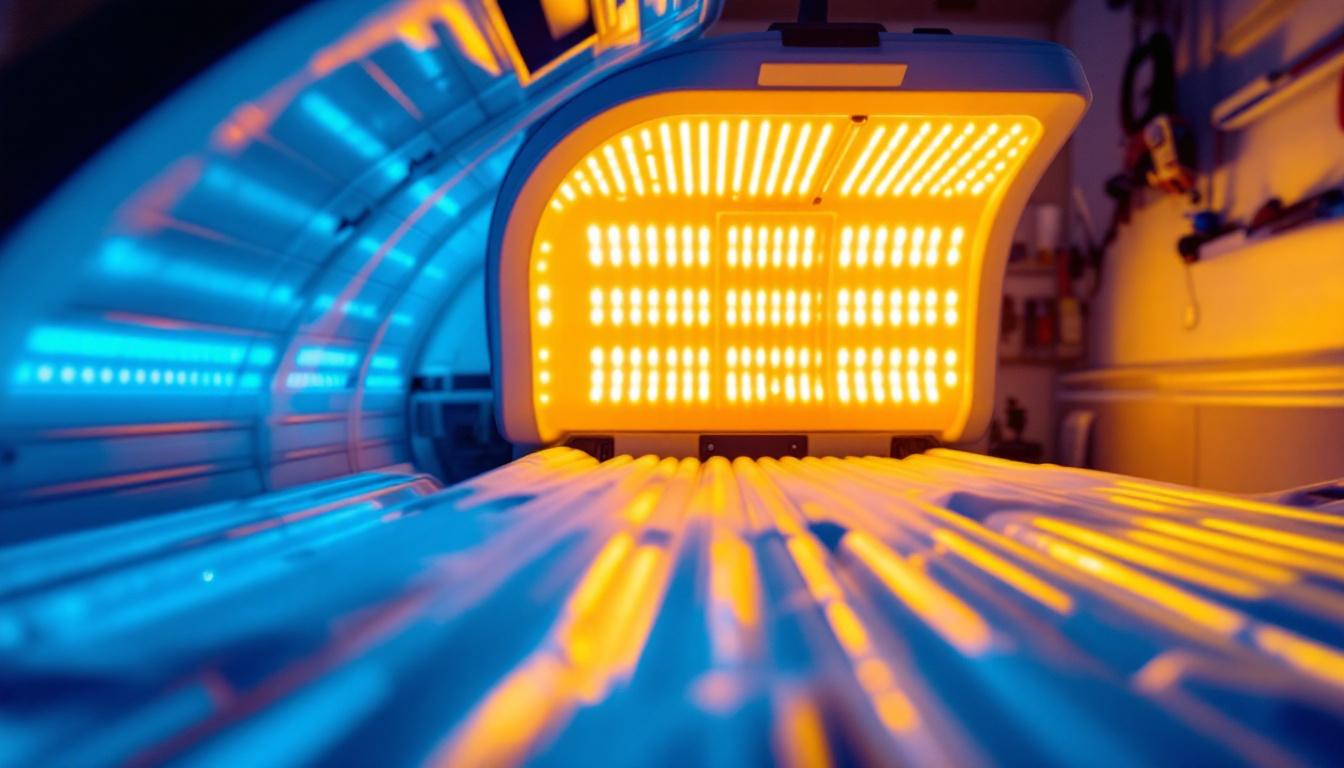
UV bulbs in tanning beds emit UVA and UVB rays, both of which contribute to the tanning process. UVA rays penetrate deeper into the skin, promoting a longer-lasting tan, while UVB rays stimulate melanin production, initiating the tanning effect. The balance between these rays is critical, and the bulbs chosen must reflect this balance to avoid overexposure or ineffective tanning sessions.
Why Bulb Selection Matters
Lighting contractors often face challenges when recommending bulbs because the market offers a wide array of options with varying UV outputs, lifespans, and energy efficiencies. Using bulbs with improper UV ratios can lead to poor tanning results or even skin damage, which can harm the reputation of salons and clients alike.
Furthermore, the durability and consistent performance of bulbs impact maintenance schedules and operational costs. Bulbs that degrade quickly or fluctuate in output require frequent replacements, increasing downtime and expenses. In addition to these practical considerations, the choice of bulbs can also influence the overall customer experience. Clients often seek a relaxing and enjoyable tanning session, and the right bulbs can enhance that experience by providing a more even and natural-looking tan. This can lead to increased customer satisfaction and loyalty, as clients are more likely to return to a salon that delivers consistent and effective results.
Moreover, advancements in tanning bed technology have led to the development of specialized bulbs designed to cater to different skin types and tanning goals. For instance, some bulbs are engineered to emit a higher concentration of UVA rays for clients looking for a deeper tan without excessive UVB exposure. This customization allows salons to offer tailored services that meet the diverse needs of their clientele, further distinguishing them in a competitive market. As such, lighting contractors must stay informed about these innovations to provide the best recommendations and ensure their clients can offer the most effective tanning solutions available.
Types of Bulbs Used in Tanning Beds
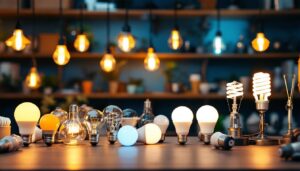
There are primarily two types of bulbs used in tanning beds: fluorescent and LED. Each has its own set of advantages and considerations for lighting contractors.
Fluorescent UV Bulbs
Fluorescent bulbs have been the traditional choice for tanning beds for decades. They emit a broad spectrum of UV light, including both UVA and UVB rays, making them effective for tanning purposes. These bulbs are usually low-pressure mercury vapor lamps designed specifically to produce UV radiation.
One of the key benefits of fluorescent bulbs is their proven track record and availability. They come in various wattages and sizes, allowing for customization based on the tanning bed model and desired intensity. However, they require warm-up time and can degrade in UV output over time, which means regular monitoring and replacement are necessary. Additionally, the heat generated by fluorescent bulbs can sometimes be uncomfortable for users, prompting the need for cooling systems in tanning beds to enhance the overall experience.
Moreover, the maintenance of fluorescent bulbs can be a significant factor for salon owners. While they are generally more affordable upfront, the cost of replacements and the labor involved in changing them can add up over time. Understanding the lifespan and performance characteristics of these bulbs is crucial for ensuring that tanning beds operate efficiently and provide consistent results for clients.
LED UV Bulbs
LED technology is gradually making inroads into the tanning industry. LEDs offer several advantages, including longer lifespans, lower energy consumption, and instant-on capabilities without warm-up periods.
However, LED UV bulbs are still evolving in terms of delivering the precise UV spectrum needed for effective tanning. Many LEDs currently focus on UVA emission, with limited UVB output. This can affect the tanning process, as UVB is essential for melanin production. Lighting contractors must carefully evaluate LED options and their spectral output before recommending them for tanning beds. Additionally, the initial investment for LED technology can be higher than that of traditional fluorescent bulbs, which may deter some salon owners from making the switch.
Despite these challenges, the potential for LEDs to revolutionize the tanning industry is significant. With advancements in technology, manufacturers are working to develop LED bulbs that can provide a more balanced UV spectrum, integrating both UVA and UVB emissions. This evolution could lead to more efficient tanning sessions and a better overall experience for clients. Furthermore, the energy efficiency of LEDs not only reduces operational costs but also aligns with growing consumer preferences for environmentally-friendly practices in beauty and wellness industries.
Key Specifications to Consider When Choosing Tanning Bed Bulbs
Lighting contractors need to assess several technical specifications to ensure the bulbs meet the requirements of tanning beds and client expectations.
UV Output and Spectrum
The most critical factor is the UV output, which should be measured in milliwatts per square centimeter (mW/cm²). A typical tanning bulb emits between 0.3 and 0.5 mW/cm² of UV radiation at the skin surface. The spectrum should ideally include about 95% UVA and 5% UVB to balance tanning effectiveness and safety.
Bulbs with higher UVB content can increase the risk of burns and skin damage, while those with too little UVB may not stimulate melanin production adequately. Contractors must verify manufacturer specifications and, if possible, test bulbs with UV meters to confirm their output.
Wattage and Size
Wattage affects both the intensity of UV radiation and the energy consumption. Higher wattage bulbs produce more UV light but consume more power and generate more heat. The bulb size must be compatible with the tanning bed’s fixture and design to ensure proper fit and heat dissipation.
Lifespan and Durability
Bulb lifespan is usually rated in hours of use, with typical tanning bed bulbs lasting between 500 and 1,000 hours. Contractors should recommend bulbs with consistent UV output throughout their lifespan to avoid uneven tanning results. Durability also matters, especially in commercial settings where bulbs are replaced frequently.
Energy Efficiency
Energy-efficient bulbs reduce operational costs and heat generation. While fluorescent bulbs are generally less efficient than LEDs, selecting high-quality fluorescent bulbs with optimized phosphor coatings can improve efficiency. Energy efficiency is a key selling point for salons looking to reduce utility bills.
Popular Bulb Models and Brands for Tanning Beds
Several manufacturers specialize in tanning bed bulbs, offering models tailored for different tanning bed designs and client needs.
Philips and Wolff Brands
Philips is a leading manufacturer known for producing high-quality fluorescent tanning bulbs with reliable UV output and consistent performance. Their bulbs often feature advanced phosphor coatings that optimize UVA and UVB balance.
Wolff is another reputable brand, especially favored for its durable bulbs with long lifespans and stable UV emissions. Both brands provide a range of wattages and sizes, making them versatile for various tanning beds.
Sunmaster and Sylvania
Sunmaster bulbs are popular in the tanning industry for their strong UVB output, which can be useful for clients seeking faster tanning results. However, these bulbs require careful handling to avoid overexposure.
Sylvania offers a line of tanning bulbs known for energy efficiency and consistent quality. Their bulbs often come with detailed spectral data, helping contractors make informed decisions.
Emerging LED Options
Some companies are developing LED tanning bulbs designed to emulate the UV spectrum of traditional fluorescent bulbs. While still less common, these LEDs offer promise for the future, especially in terms of energy savings and reduced heat output. Contractors should monitor advancements in this area and test prototypes before recommending widespread adoption.
Installation and Maintenance Tips for Lighting Contractors
Proper installation and maintenance are crucial to maximize the performance and lifespan of tanning bed bulbs.
Ensuring Proper Fixture Compatibility
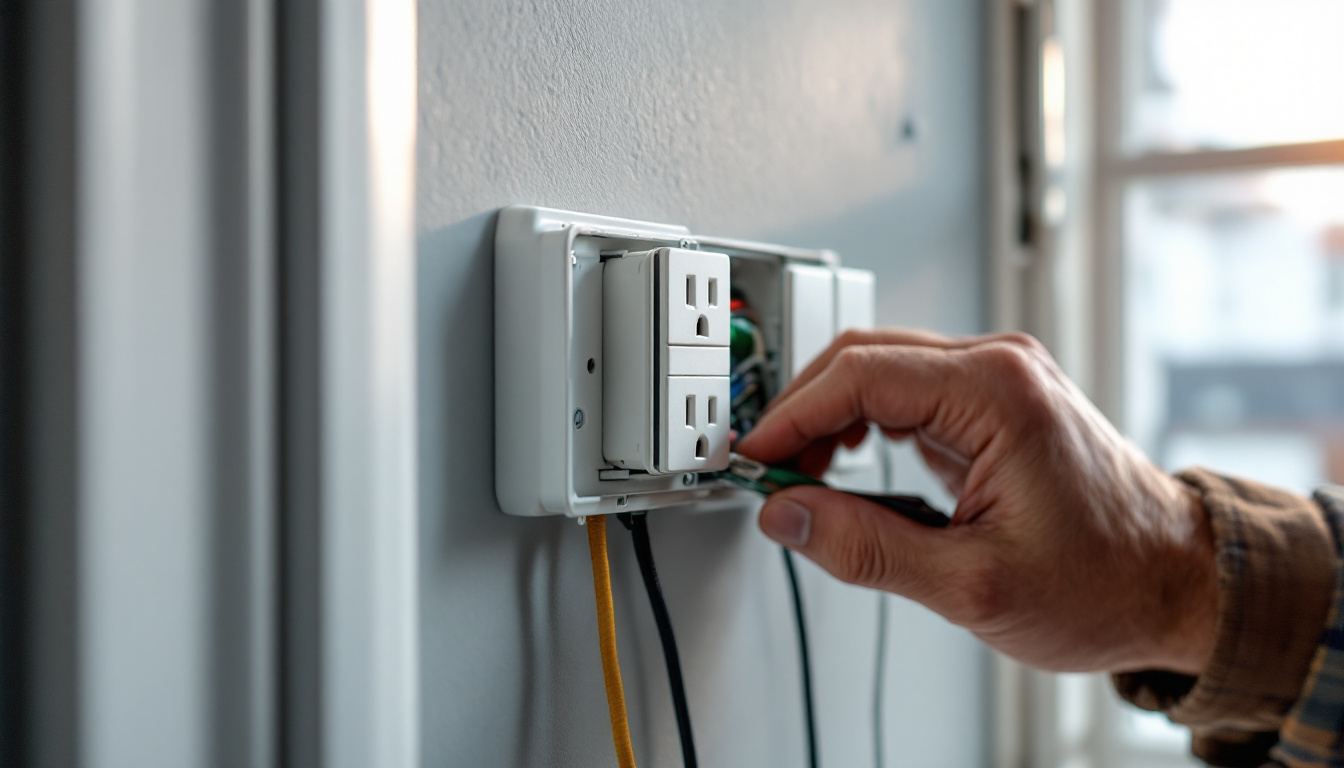
Before installation, verify that the bulb size, wattage, and pin configuration match the tanning bed’s fixture. Incorrect bulbs can cause electrical issues, poor UV output, or damage to the bed.
Handling Bulbs Safely
UV bulbs contain mercury and can be fragile. Contractors should wear gloves to avoid skin oils contaminating the glass, which can cause hot spots and premature failure. Proper disposal of old bulbs is also essential to comply with environmental regulations.
Regular Cleaning and Inspection
Dust and residue on bulbs can reduce UV output. Cleaning bulbs with a soft cloth and appropriate cleaner helps maintain performance. Inspect bulbs regularly for signs of discoloration or flickering, which indicate the need for replacement.
Monitoring UV Output Over Time
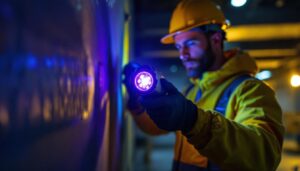
UV output decreases gradually as bulbs age. Using a UV meter to measure output ensures that bulbs are replaced before they become ineffective. This practice helps salons maintain consistent tanning quality and client satisfaction.
Balancing Client Safety and Tanning Effectiveness
Lighting contractors play a vital role in ensuring that tanning beds provide safe and effective UV exposure. Selecting bulbs with the right UV spectrum and output helps minimize risks such as burns and long-term skin damage.
Contractors should also educate clients and salon operators on the importance of following recommended exposure times and using protective eyewear. Proper bulb selection combined with responsible usage creates a safer tanning environment.
Compliance with Regulations
Many regions have regulations governing UV exposure levels in tanning beds. Lighting contractors must stay informed about these standards and ensure that the bulbs they install comply with legal limits. Non-compliance can lead to fines and damage to the salon’s reputation.
Conclusion: Making the Right Choice for Tanning Bed Bulbs
Choosing the best bulbs for tanning beds requires a comprehensive understanding of UV light properties, bulb specifications, and client needs. Fluorescent bulbs remain the industry standard due to their balanced UV output and proven reliability, while LED technology offers exciting potential for the future.
Lighting contractors should prioritize bulbs that deliver consistent UVA and UVB radiation, fit the tanning bed’s design, and offer a reasonable lifespan. Regular maintenance and monitoring ensure optimal performance and client satisfaction. With the right bulbs and expert installation, tanning beds can provide safe, effective, and enjoyable tanning experiences.
Get Your Premium Tanning Bed Bulbs at LumenWholesale
Ready to elevate your tanning bed installations with bulbs that offer the perfect balance of safety, effectiveness, and client satisfaction? Look no further than LumenWholesale. Our selection of spec-grade lighting products meets the highest industry standards, ensuring you provide your clients with reliable, high-performance lighting solutions. Take advantage of our unbeatable wholesale prices, free shipping on bulk orders, and the convenience of cutting out the middleman. Make your next project a glowing success with Wholesale Lighting at the Best Value from LumenWholesale.