Understanding Client Priorities When Choosing LED Ceiling Lights
Clients stepping into a shop to select LED ceiling lights often come armed with a mix of expectations and questions. They want lighting solutions that not only illuminate but also enhance the ambiance, reduce energy costs, and offer longevity. For lighting contractors, grasping these priorities is crucial to delivering recommendations that resonate and satisfy.
Energy efficiency tops the list for many clients. LED technology has revolutionized commercial lighting by dramatically cutting electricity consumption compared to traditional incandescent or fluorescent bulbs. Clients expect contractors to know the exact savings potential and to be able to translate that into tangible benefits for their business or space. This includes not just the immediate financial savings on energy bills, but also the long-term return on investment, as LED lights typically last much longer than their predecessors, reducing the frequency and cost of replacements.
Beyond efficiency, clients are increasingly aware of the quality of light. They care about color rendering index (CRI), brightness levels, and how the light interacts with their environment. A contractor who can explain how different LED ceiling lights affect mood, productivity, or product presentation gains immediate trust. For instance, in a retail setting, the right lighting can make products appear more appealing, thereby influencing purchasing decisions. Similarly, in an office environment, the correct lighting can enhance employee focus and well-being, leading to improved performance and satisfaction.
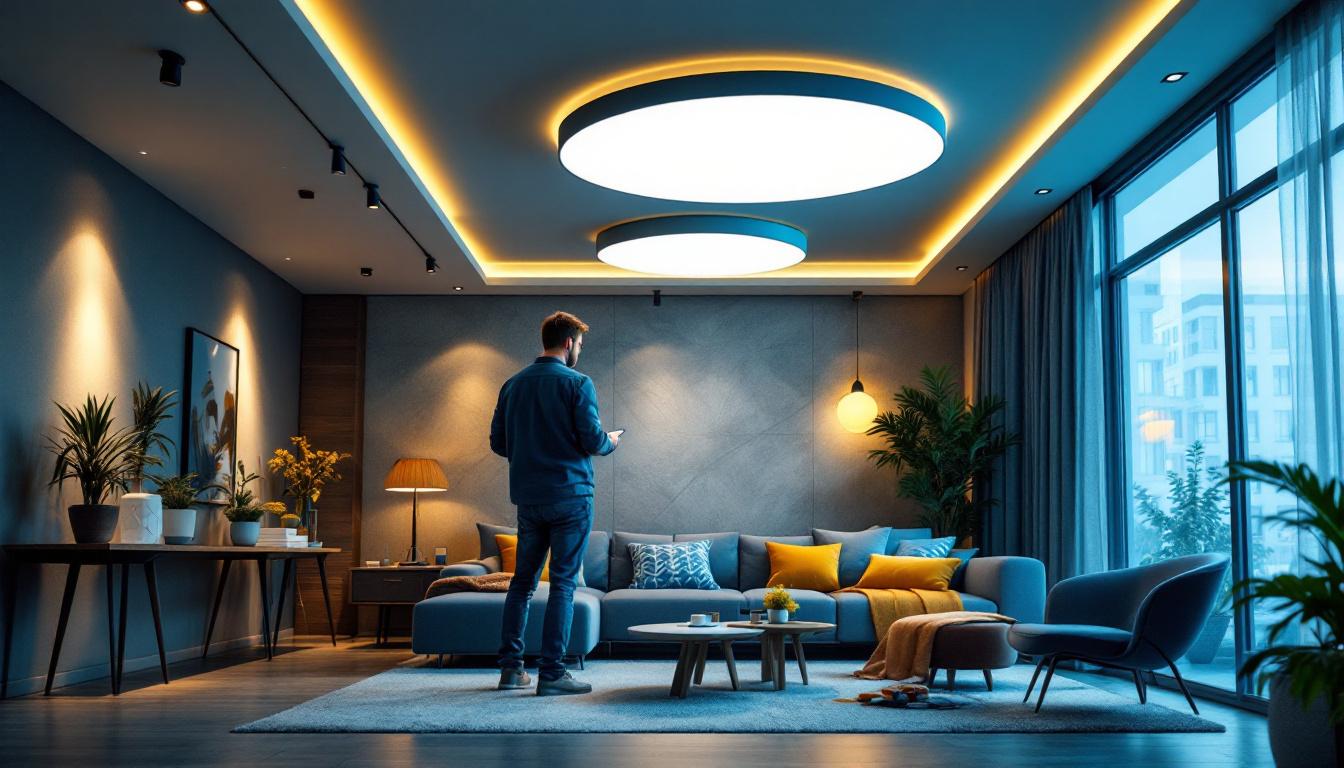
Moreover, clients are often interested in the versatility of LED ceiling lights. Many are looking for fixtures that can be adjusted or dimmed to suit various occasions or tasks. This adaptability can be particularly appealing in multi-functional spaces, where the lighting needs may shift from bright and energetic during the day to soft and relaxing in the evening. Contractors who can showcase a range of options, including smart lighting systems that allow for remote control and scheduling, can position themselves as valuable partners in creating customized lighting solutions that meet their clients’ diverse needs.
Technical Knowledge Lighting Contractors Must Master
Understanding Lumens, Watts, and Color Temperature
Clients often confuse watts with brightness, assuming higher watts mean more light. Contractors must clarify that lumens measure brightness, while watts indicate energy consumption. For example, a 15-watt LED fixture can produce the same lumens as a 60-watt incandescent bulb, highlighting the efficiency of LED technology. This distinction is crucial for clients looking to reduce energy costs while maximizing illumination. By educating clients on this topic, contractors can help them make informed decisions that align with both their aesthetic preferences and budgetary constraints.
Color temperature, measured in Kelvins, influences the atmosphere significantly. Warm white (2700K-3000K) creates a cozy, inviting environment, ideal for boutiques or hospitality spaces. Cool white (4000K-5000K) offers a crisp, clean light suited for workspaces and retail shops where clarity is essential. Clients expect lighting contractors to guide them through these choices based on their specific needs. Furthermore, understanding the psychological effects of different color temperatures can enhance a space’s functionality; for instance, studies have shown that cooler temperatures can improve focus and productivity, making them ideal for office settings.
Fixture Types and Installation Considerations
LED ceiling lights come in various forms: recessed panels, surface-mounted fixtures, troffers, and more. Each type suits different ceiling structures and design aesthetics. Lighting contractors should be adept at assessing the installation environment, including ceiling height, existing wiring, and architectural features. The choice of fixture can significantly impact not only the visual appeal of a space but also its overall energy efficiency. For instance, recessed lighting can create a sleek, modern look while providing ample illumination without taking up physical space, making it a popular choice in contemporary designs.
Additionally, clients appreciate when contractors discuss installation timelines, potential disruptions, and maintenance requirements upfront. This transparency helps set realistic expectations and builds confidence in the contractor’s expertise. Moreover, contractors should also inform clients about the longevity and durability of different fixtures, as well as the importance of choosing high-quality components to avoid frequent replacements. By addressing these aspects, contractors can foster a sense of trust and satisfaction, ensuring that clients feel valued and understood throughout the entire lighting design and installation process.
Addressing Client Concerns About Quality and Durability
One common client concern is the lifespan of LED ceiling lights. While LEDs generally last longer than traditional bulbs, quality varies by manufacturer and product line. Lighting contractors should be familiar with industry standards and certifications, such as ENERGY STAR or DLC listings, to recommend reliable products. Understanding the differences in lumens, color temperature, and energy efficiency ratings can also help contractors guide clients toward the best options that suit their specific needs and preferences.
Clients also worry about flickering, dimming capabilities, and compatibility with existing dimmer switches or smart controls. Contractors who can troubleshoot these issues or suggest appropriate solutions demonstrate a deeper level of professionalism and technical skill. Providing clients with information about the latest advancements in smart lighting technology, including voice-activated systems and mobile app controls, can further enhance their experience and satisfaction. Educating clients on how to optimize their lighting setups for both aesthetics and functionality can lead to a more informed decision-making process.
Highlighting warranties and after-sales support reassures clients that their investment is protected. This attention to detail often influences purchasing decisions more than price alone. Additionally, offering maintenance tips and guidance on how to care for their lighting fixtures can foster a sense of trust and reliability. By establishing a rapport and being proactive in addressing potential concerns, contractors can not only enhance customer satisfaction but also encourage repeat business and referrals.
Moreover, discussing the environmental benefits of LED lighting can resonate with eco-conscious clients. Many are increasingly aware of their carbon footprint and the impact of energy consumption on the planet. By emphasizing how LED lights consume less energy and have a longer lifespan, contractors can appeal to clients’ desire for sustainable choices. Sharing statistics about energy savings and reduced waste can further solidify the argument for choosing high-quality LED products, making clients feel good about their decision not just for their homes, but for the environment as well.
Energy Savings and Environmental Impact: What Clients Want to Hear
Many clients are motivated by sustainability goals alongside cost savings. Lighting contractors should be ready to discuss how LED ceiling lights contribute to reducing carbon footprints and comply with local energy codes or green building certifications. The shift towards energy-efficient lighting is not just a trend; it represents a fundamental change in how we think about energy consumption and environmental stewardship. By utilizing LED technology, clients can significantly lower their energy usage while enjoying superior lighting quality, which in turn can enhance the aesthetics of their spaces.
Providing concrete examples helps. For instance, replacing a 100-watt incandescent fixture with a 20-watt LED can save hundreds of dollars annually on electricity bills, depending on usage. Over the lifespan of the fixture, these savings multiply, making LED upgrades a smart financial and environmental choice. Additionally, LEDs have a much longer lifespan, often lasting up to 25,000 hours or more, compared to just 1,000 hours for traditional incandescent bulbs. This longevity not only reduces the frequency of replacements but also minimizes waste, contributing to a more sustainable approach to lighting.
Some clients may also inquire about recyclability and disposal of LED components. Contractors who can address these concerns demonstrate a commitment to responsible practices, enhancing their credibility. It’s important to note that while many LED components are recyclable, the process can vary depending on local regulations and available facilities. Educating clients about proper disposal methods and recycling options can further solidify a contractor’s role as a trusted advisor in sustainable practices. Moreover, discussing the potential for future upgrades, such as smart lighting systems that integrate with energy management tools, can also resonate with clients who are looking to future-proof their investments while maximizing energy efficiency.
Design Trends and Aesthetic Expectations
LED ceiling lights are no longer just functional elements; they’re integral to interior design. Clients expect lighting contractors to be familiar with current trends, such as minimalist fixtures, integrated smart lighting, and customizable color options.
Offering options that blend seamlessly with the client’s décor or that can be adjusted for different moods or times of day adds value. For example, tunable white LEDs allow users to shift color temperature from warm to cool, supporting both relaxation and task-focused activities.
Contractors who can provide visual aids, such as mock-ups or lighting simulations, help clients visualize the final effect, reducing uncertainty and enhancing satisfaction.
Communicating Clearly and Managing Expectations
Clients appreciate straightforward communication. Lighting contractors should avoid jargon or overly technical explanations unless the client expresses interest. Instead, focus on benefits, practical implications, and clear comparisons.
Setting realistic expectations about cost, installation time, and maintenance ensures clients feel informed and involved throughout the process. This approach reduces surprises and builds long-term relationships.
Follow-up after installation is equally important. Checking in to confirm satisfaction and address any issues demonstrates professionalism and care, often leading to referrals and repeat business.
Conclusion: Elevating Client Satisfaction Through Expertise
Clients shopping for LED ceiling lights expect lighting contractors to be knowledgeable, transparent, and solution-oriented. Mastery of technical details, awareness of design trends, and the ability to communicate clearly are essential skills.
By understanding what clients value-energy savings, quality of light, durability, environmental impact, and aesthetics-contractors can tailor their recommendations and service to exceed expectations. This not only benefits the client but also strengthens the contractor’s reputation and business growth.
Illuminate Your Projects with LumenWholesale
Ready to exceed your clients’ expectations with top-tier LED ceiling lights? LumenWholesale is your trusted partner, offering an extensive selection of spec-grade lighting products at unbeatable wholesale prices. Say goodbye to middleman markups and hello to superior lighting solutions that align with your commitment to quality, affordability, and sustainability. With free shipping on bulk orders, we ensure that you get the best value without any hidden fees. Elevate your lighting projects today by visiting Wholesale Lighting at the Best Value and discover the LumenWholesale difference.