Understanding Suspended Ceiling Lighting Systems
Suspended ceilings, also known as drop ceilings or false ceilings, are a common feature in commercial, institutional, and residential buildings. They provide a practical solution for concealing wiring, ductwork, and plumbing while offering a clean, uniform surface for lighting installation. For lighting contractors, mastering the nuances of suspended ceiling lighting is essential to deliver effective, efficient, and aesthetically pleasing illumination.
Suspended ceiling lighting systems are designed to integrate seamlessly with the ceiling grid. The most common types include recessed troffers, surface-mounted fixtures, and pendant lights. Each type has unique installation requirements and performance characteristics that contractors must understand to optimize lighting quality and energy efficiency.
Key Components of Suspended Ceiling Lighting
Lighting fixtures designed for suspended ceilings typically fit within standard ceiling tile dimensions, such as 2×2 or 2×4 feet. This modularity simplifies installation and replacement. The fixtures often incorporate LED technology, which offers superior energy efficiency, longer lifespan, and reduced maintenance compared to traditional fluorescent or incandescent bulbs.
In addition to the fixtures themselves, lighting contractors must consider diffusers, reflectors, and driver units. Diffusers help distribute light evenly, minimizing glare and shadows, while reflectors enhance the fixture’s luminous efficacy. Drivers regulate the electrical current to LEDs, ensuring stable operation and preventing premature failure.
Another important aspect of suspended ceiling lighting systems is the consideration of color temperature and light output. The choice between warm, neutral, or cool white light can significantly affect the ambiance of a space. For instance, warmer tones are often preferred in residential settings for their cozy feel, while cooler tones are more suitable for work environments where alertness and concentration are crucial. Additionally, the lumen output of fixtures must be carefully calculated to meet the specific lighting needs of each area, ensuring that spaces are neither too dim nor excessively bright, which can lead to discomfort.
Moreover, advancements in smart lighting technology have begun to influence the design and functionality of suspended ceiling lighting systems. Many modern fixtures are now compatible with smart controls, allowing users to adjust brightness and color temperature remotely or set schedules for automatic operation. This capability not only enhances user convenience but also contributes to energy savings by allowing for more precise control over lighting usage. As the demand for energy-efficient and adaptable lighting solutions continues to grow, contractors must stay informed about these innovations to provide clients with the most effective options available.
Planning and Design Considerations for Lighting Contractors
Effective lighting installation begins with thorough planning and design. Lighting contractors should collaborate closely with architects, interior designers, and electrical engineers to align lighting solutions with the building’s functional and aesthetic goals. This collaborative approach not only enhances the overall design but also ensures that the lighting integrates seamlessly with other elements of the space, creating a cohesive environment that meets the needs of its occupants.
Assessing Lighting Requirements
Understanding the space’s purpose is crucial for determining the appropriate lighting levels and fixture types. For example, office environments require uniform, glare-free illumination to support productivity, whereas retail spaces benefit from accent lighting to highlight merchandise. Compliance with industry standards, such as those set by the Illuminating Engineering Society (IES), ensures that lighting meets recommended lux levels and energy codes. Additionally, it’s important to consider the psychological impact of lighting; warm tones can create a welcoming atmosphere, while cooler tones may enhance focus and alertness in work settings.
Energy efficiency is another critical factor. With increasing emphasis on sustainability, contractors should prioritize LED fixtures with high lumens-per-watt ratings and compatibility with dimming controls. Incorporating daylight harvesting systems, which adjust artificial lighting based on natural light availability, can further reduce energy consumption. Moreover, the use of smart lighting technologies, such as occupancy sensors and programmable controls, allows for greater flexibility and efficiency, adapting to the needs of the space throughout the day and minimizing waste.
Integration with Ceiling Grid and Structural Elements
Suspended ceiling lighting must be compatible with the ceiling grid system. Contractors should verify the grid’s load capacity and dimensions to ensure safe and secure fixture installation. In some cases, additional support brackets or reinforcement may be necessary, particularly for heavier fixtures or those with integrated emergency lighting components. Understanding the specific requirements of each fixture type, including their power needs and heat output, is essential for maintaining safety and performance standards.
Coordination with other ceiling-mounted systems, such as HVAC diffusers, fire sprinklers, and speakers, is essential to avoid conflicts and maintain accessibility for maintenance. Detailed ceiling plans and 3D modeling tools can assist in visualizing fixture placement and identifying potential issues before installation. Furthermore, considering the acoustics of the space can enhance the overall experience; strategically placed lighting can help minimize noise distractions while also contributing to the visual appeal of the environment. By taking these factors into account, lighting contractors can ensure that their designs not only illuminate but also enrich the spaces they serve.
Installation Best Practices for Suspended Ceiling Lighting
Proper installation techniques are vital to achieving optimal performance and longevity of suspended ceiling lighting fixtures. Lighting contractors should adhere to manufacturer guidelines and industry standards throughout the process.
Preparation and Safety Measures
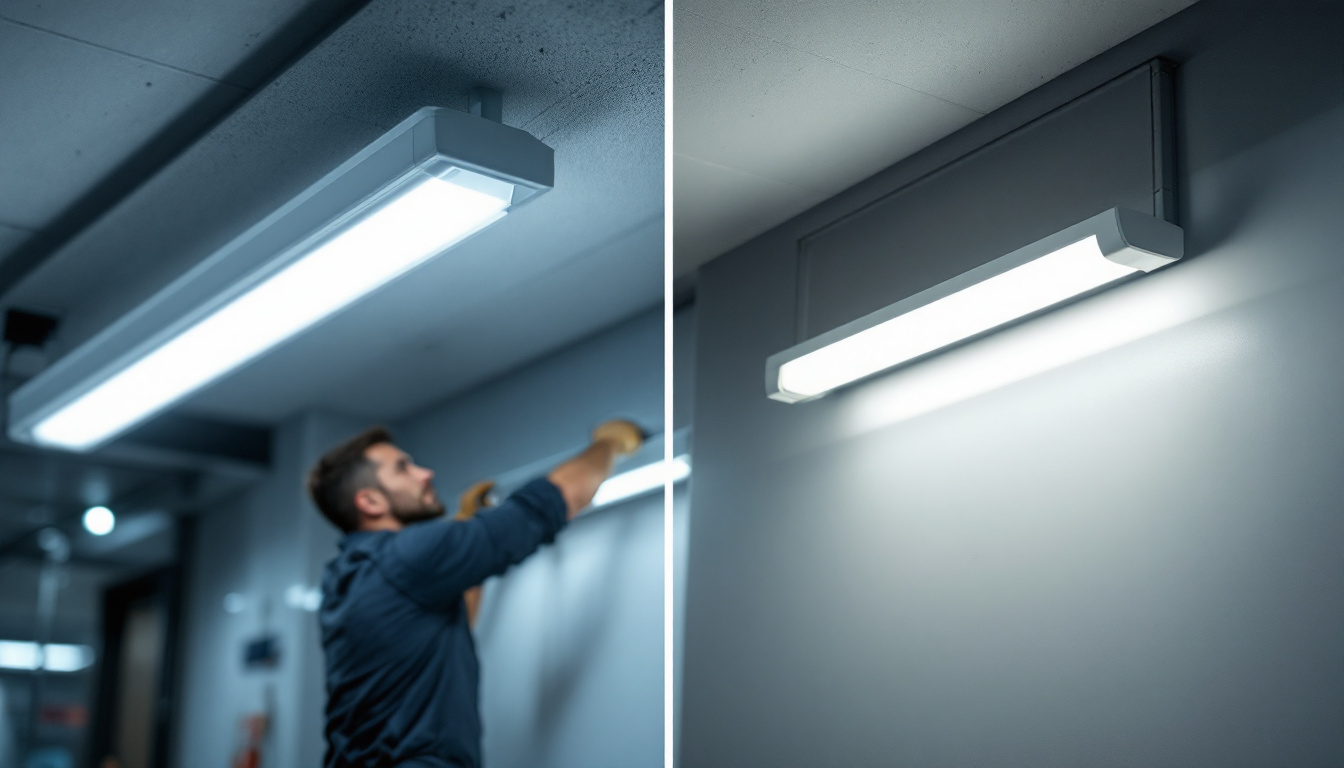
Before installation, contractors must conduct a thorough site inspection to assess ceiling conditions, electrical supply, and workspace safety. Ensuring power is disconnected reduces the risk of electrical hazards. Using appropriate personal protective equipment (PPE), such as gloves and eye protection, is mandatory.
Organizing tools and materials in advance streamlines the installation process. Common tools include wire strippers, screwdrivers, voltage testers, and lifting equipment for heavier fixtures. Additionally, it is essential to have a checklist of all necessary components, such as mounting brackets, screws, and electrical connectors, to avoid delays during the installation. Having a clear plan and timeline can significantly enhance efficiency and ensure that all team members are on the same page regarding their responsibilities.
Mounting and Wiring Techniques
Fixtures designed for suspended ceilings often feature spring clips or brackets that secure them within the grid. Contractors should verify that fixtures are level and flush with ceiling tiles to maintain a professional appearance. Careful handling prevents damage to delicate LED panels and diffusers. It is also advisable to check the compatibility of the fixtures with the existing ceiling grid system, as different grid types may require specific mounting techniques or additional hardware.
Electrical connections must comply with local codes and regulations. Using wire nuts or push-in connectors ensures secure connections, while proper grounding prevents electrical faults. Labeling circuits and documenting wiring layouts facilitate future maintenance and troubleshooting. Furthermore, it can be beneficial to utilize color-coded wiring systems to simplify the identification of circuits, especially in complex installations with multiple fixtures. This practice not only aids in immediate troubleshooting but also serves as a valuable reference for any future modifications or repairs.
Testing and Commissioning
After installation, thorough testing verifies that all fixtures operate correctly. Contractors should check for flickering, uneven illumination, or color inconsistencies, which may indicate wiring issues or defective components. Adjusting dimmers and sensors ensures that lighting responds appropriately to user controls and environmental conditions. In addition to these checks, it is prudent to conduct a light level measurement using a lux meter to ensure that the installed lighting meets the required illumination levels for the space, as specified by relevant standards or client preferences.
Providing clients with operation manuals and maintenance guidelines enhances the longevity of the lighting system and reduces service calls. Offering a brief training session on how to operate and maintain the lighting system can empower clients to manage their new fixtures effectively. This proactive approach not only fosters client satisfaction but also builds trust and encourages future business opportunities, as clients are more likely to recommend contractors who provide comprehensive support and education.
Maintenance and Troubleshooting Tips for Lighting Contractors
Ongoing maintenance is essential to preserve the functionality and appearance of suspended ceiling lighting. Lighting contractors often play a key role in servicing these systems, making familiarity with common issues and solutions invaluable.
Routine Inspection and Cleaning
Dust and debris accumulation on diffusers and reflectors can diminish light output and alter color temperature. Regular cleaning with non-abrasive materials maintains fixture performance. Inspecting for signs of wear, such as discoloration or loose components, helps identify potential problems early.
Addressing Common Problems
Flickering lights may result from loose wiring, incompatible dimmers, or failing drivers. Systematic troubleshooting, including checking connections and replacing faulty parts, restores reliable operation. In cases of uneven lighting or dark spots, contractors should examine fixture alignment and diffuser integrity.
LED fixtures generally have long lifespans, but environmental factors like excessive heat or moisture can accelerate degradation. Ensuring proper ventilation and sealing around fixtures mitigates these risks.
Upgrading and Retrofitting Suspended Ceiling Lighting
As technology advances, upgrading existing suspended ceiling lighting to more efficient and versatile systems offers clients significant benefits. Lighting contractors can recommend retrofit kits or complete fixture replacements that improve energy efficiency, color rendering, and control capabilities.
Incorporating smart lighting solutions, such as occupancy sensors and wireless controls, enhances user experience and reduces operational costs. Contractors should stay informed about emerging trends and products to provide cutting-edge advice and services.
Conclusion: Elevating Suspended Ceiling Lighting Expertise
For lighting contractors, expertise in suspended ceiling lighting is a valuable asset that combines technical knowledge, design sensitivity, and practical skills. By understanding system components, planning effectively, executing precise installations, and offering comprehensive maintenance, contractors can deliver superior lighting solutions that meet client expectations and industry standards.
Staying current with technological advancements and regulatory requirements ensures that suspended ceiling lighting installations remain efficient, safe, and visually appealing. Ultimately, this expertise not only enhances professional reputation but also contributes to creating well-lit, comfortable, and sustainable indoor environments.
Get Your Suspended Ceiling Lighting Supplies at LumenWholesale
Ready to elevate your suspended ceiling lighting projects? At LumenWholesale, we provide lighting contractors with the high-quality, spec-grade lighting products you need to achieve excellence in every installation. Our commitment to unbeatable wholesale prices means you can access superior lighting products without the burden of inflated markups. With our extensive selection that meets rigorous industry standards, you can ensure each project shines with reliability and high performance. Plus, with the convenience of free shipping on bulk orders, you can enjoy premium lighting solutions at the best value — no hidden fees, no compromises. Elevate your professional reputation and create sustainable, well-lit environments today. Wholesale Lighting at the Best Value.