Understanding the Shift to Modern Light Switches
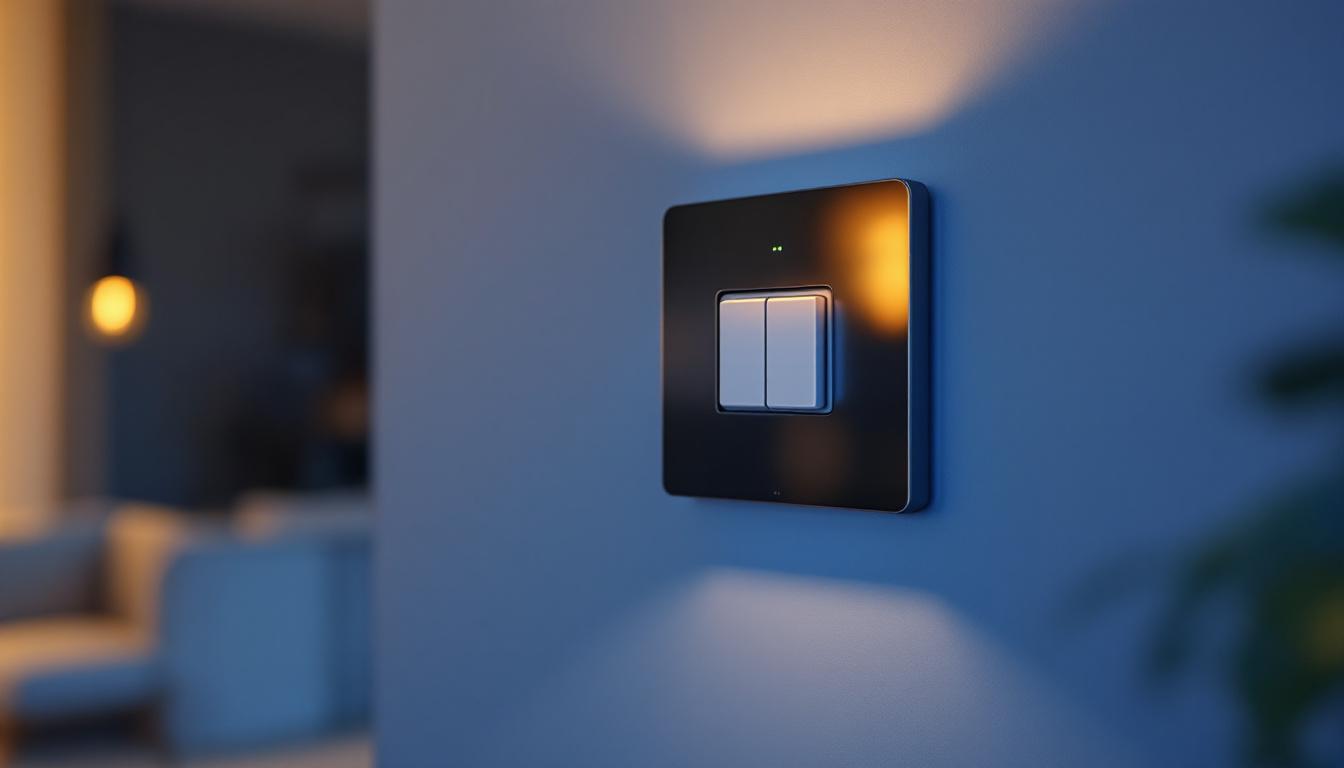
Traditional toggle and rocker switches have served well for decades, but the lighting industry is rapidly evolving. Modern light switches are no longer just simple on/off devices; they integrate advanced technology, enhanced design, and smarter functionality. For lighting contractors, grasping these changes is essential to meet client expectations and stay competitive.
Modern switches often combine aesthetics with technology, offering sleek designs that complement contemporary interiors while providing features like dimming, remote control, and energy monitoring. This blend of form and function is reshaping how lighting systems are installed and managed. Furthermore, many of these switches are now compatible with home automation systems, allowing users to control their lighting through voice commands or mobile apps, adding an extra layer of convenience and accessibility to everyday life.
Why Contractors Should Care
Clients increasingly demand smart homes and energy-efficient solutions. Installing modern light switches positions contractors as forward-thinking professionals who can deliver both convenience and savings. Additionally, familiarity with these devices reduces installation errors and callbacks, saving time and boosting reputation. Understanding the nuances of these advanced systems also enables contractors to provide valuable insights to clients, helping them make informed decisions about their lighting choices. For instance, educating clients on the benefits of programmable schedules can lead to significant energy savings and improved lifestyle, as they can automate their lighting to match their daily routines.
Moreover, the integration of smart technology in lighting extends beyond mere convenience; it also plays a crucial role in sustainability. Many modern switches are designed to work with energy-efficient LED lighting, allowing homeowners to reduce their carbon footprint while enjoying enhanced functionality. As energy costs continue to rise, clients are increasingly looking for solutions that not only elevate their living spaces but also contribute to long-term savings. By staying informed about these trends, contractors can position themselves as trusted advisors, guiding clients toward choices that align with their values and financial goals.
Types of Modern Light Switches and Their Applications
Modern light switches come in various styles and technologies. Knowing the differences helps contractors recommend the right product for each project.
Smart Switches
Smart switches connect to Wi-Fi or other smart home protocols like Zigbee or Z-Wave, allowing users to control lighting via smartphones, voice assistants, or automation routines. They often support scheduling, remote access, and integration with other smart devices.
For contractors, installing smart switches means understanding network requirements and compatibility with existing systems. Proper setup ensures seamless operation and customer satisfaction. Additionally, many smart switches can be integrated with home security systems, enabling users to simulate occupancy while away, which can deter potential intruders. This added layer of security makes smart switches not just a convenience but also a valuable investment for homeowners.
Dimmer Switches
Dimmers have evolved beyond simple rotary knobs. Modern dimmers offer smooth, flicker-free adjustment compatible with LED and CFL bulbs. Some models include touch-sensitive panels or remote control capabilities.
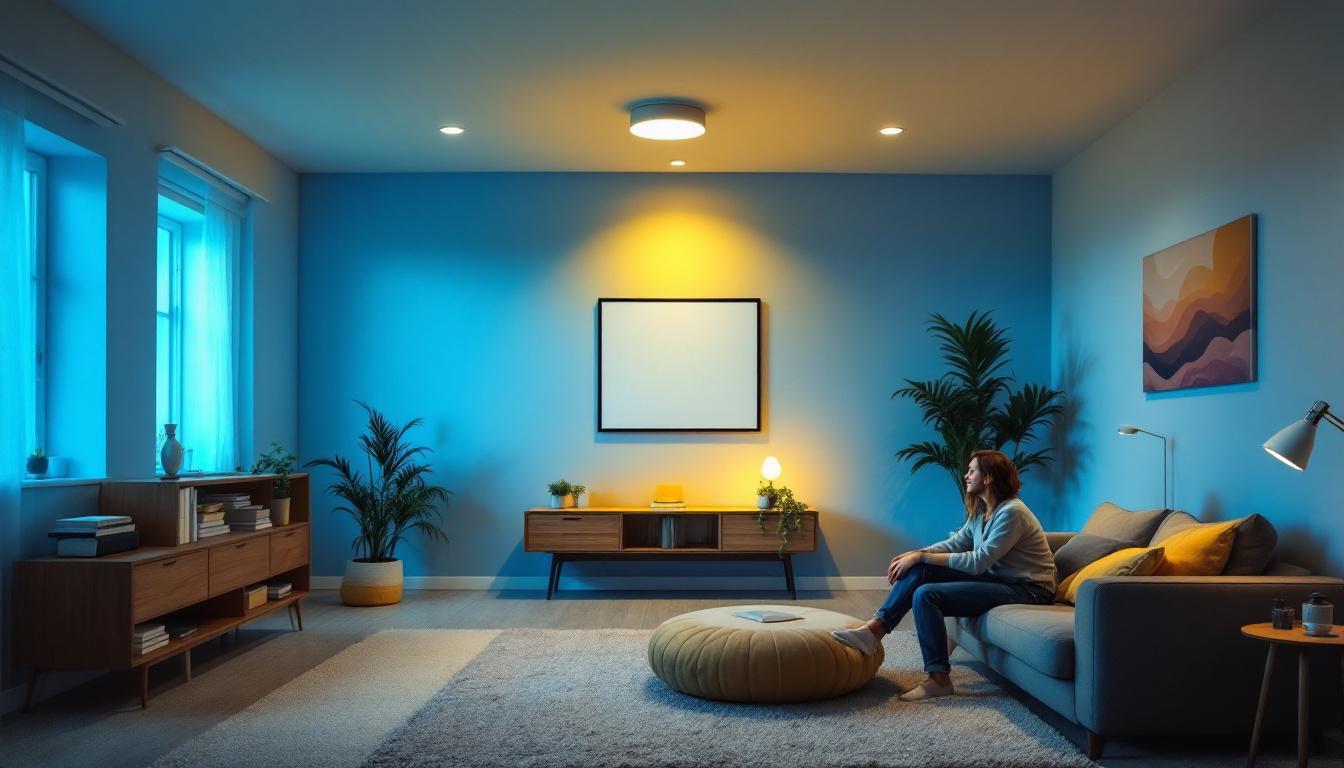
Using dimmers can enhance ambiance and reduce energy consumption, making them a popular upgrade in residential and commercial projects. Moreover, dimmers can significantly extend the lifespan of light bulbs by reducing the voltage supplied to them, which is particularly beneficial in environments where lights are frequently turned on and off. The ability to create different lighting scenes can also transform spaces for various activities, from hosting dinner parties to enjoying a cozy movie night.
Occupancy and Vacancy Sensors
These switches automatically turn lights on or off based on room occupancy, improving energy efficiency in offices, restrooms, and hallways. Modern sensors are more accurate and less prone to false triggers, thanks to improved infrared and ultrasonic technologies.
Contractors should consider sensor placement and wiring to optimize performance and avoid common pitfalls like dead zones or excessive sensitivity. Furthermore, these sensors can be programmed to adjust lighting based on the time of day or ambient light levels, providing a dynamic lighting solution that adapts to user needs. In commercial settings, this not only enhances user experience but also contributes to significant energy savings, aligning with sustainability goals and reducing operational costs for businesses.
Installation Considerations for Modern Switches
Installing modern light switches requires attention to wiring, compatibility, and user interface.
Wiring and Power Requirements
Unlike traditional switches that simply interrupt the hot wire, some modern switches require a neutral wire to power their electronics. Many older homes lack neutral wires in switch boxes, which can complicate installation.
Before installation, contractors should verify the presence of a neutral wire or select no-neutral-required models. This step prevents unnecessary callbacks and ensures the switch functions correctly. Additionally, it’s important to consider the overall electrical load of the circuit. Overloading a circuit can lead to tripped breakers or even electrical fires, so assessing the total wattage of all devices on the same circuit is crucial. Upgrading wiring or circuits may be necessary in older homes to accommodate modern electrical demands safely.
Compatibility with Lighting Loads
LED and CFL bulbs behave differently from incandescent bulbs, especially with dimmers. Using incompatible dimmers can cause flickering, buzzing, or reduced bulb life.
Contractors must match switches with the appropriate lighting load specifications. Consulting manufacturer guidelines and testing during installation can prevent issues. Furthermore, it is beneficial to inform clients about the advantages of using LED bulbs, such as energy efficiency and longevity. Educating homeowners on the importance of selecting compatible lighting fixtures can enhance their overall satisfaction and help them make informed decisions about their lighting choices.
User Interface and Accessibility
Modern switches often feature touch panels, capacitive buttons, or even gesture controls. While these enhance user experience, they might confuse some users accustomed to traditional switches.
Contractors should educate clients on operation and consider accessibility features for elderly or disabled users. Providing simple instructions or demonstrations can improve satisfaction. Additionally, integrating smart home technology can offer users remote access and control through smartphones or voice-activated devices, further enhancing convenience. However, it is essential to ensure that these technologies are user-friendly and that clients are comfortable with their operation. Offering ongoing support or tutorials can help bridge the gap between traditional and modern systems, ensuring a smooth transition for all users.
Benefits of Modern Light Switches for Clients and Contractors
Modern switches offer tangible advantages that appeal to both end-users and professionals.
Energy Efficiency and Cost Savings
Smart and sensor-equipped switches reduce wasted energy by ensuring lights are on only when needed. Dimmers further cut consumption by lowering brightness levels.
Clients benefit from lower utility bills, while contractors can highlight these savings as selling points, differentiating their services. Additionally, many utility companies offer rebates for energy-efficient installations, providing further financial incentives for clients to upgrade their lighting systems. This not only enhances the appeal of modern switches but also fosters a sense of environmental responsibility among users, as they contribute to reducing overall energy consumption and carbon footprints.
Enhanced Control and Convenience
Remote control and automation allow users to tailor lighting to their lifestyle. For example, scheduling porch lights or adjusting indoor lighting scenes remotely adds comfort and security.
Contractors who install these systems offer clients modern conveniences that elevate the living or working environment. The integration of voice-activated technology also enhances user experience, allowing clients to control their lighting through simple verbal commands. This feature is particularly beneficial for individuals with mobility challenges, making their spaces more accessible and user-friendly. Furthermore, the ability to customize lighting settings for different activities—such as movie nights, dinner parties, or work-from-home scenarios—adds an extra layer of personalization that clients appreciate.
Future-Proofing Installations
Integrating modern switches prepares buildings for smart home or building automation upgrades. This foresight increases property value and reduces the need for costly rewiring later.
Contractors who recommend and install future-ready switches position themselves as trusted advisors in technology integration. By staying ahead of industry trends, they can offer clients insights into upcoming innovations, such as integration with renewable energy sources or advanced home security systems. This proactive approach not only enhances the contractor’s reputation but also builds long-term relationships with clients who value expertise and forward-thinking solutions. As technology continues to evolve, having a robust and adaptable lighting system becomes a crucial aspect of modern living and working spaces.
Common Challenges and How to Overcome Them
Despite their benefits, modern light switches present challenges that contractors must navigate.
Compatibility Issues
Mixing different brands or technologies can cause communication failures or erratic behavior. Sticking to compatible ecosystems or thoroughly testing interoperability is critical. Moreover, contractors should familiarize themselves with the specific protocols used by various manufacturers, such as Z-Wave or Zigbee, to ensure seamless integration. This knowledge not only helps in troubleshooting but also enhances the overall user experience, as clients will appreciate a system that operates smoothly without unexpected glitches.
Client Education
Some clients may find smart switch features intimidating. Providing clear explanations, demonstrations, and written guides helps ease adoption and reduces support calls. In addition to basic functionality, it’s beneficial to highlight the energy-saving features and potential cost savings associated with smart switches. Engaging clients with hands-on demonstrations can demystify the technology, making them feel more comfortable and confident in using their new systems. Offering follow-up support or tutorials can further solidify their understanding and satisfaction.
Installation Complexity
Modern switches sometimes require more precise wiring and configuration. Contractors should stay updated on installation manuals and manufacturer training to maintain high-quality work. Additionally, being aware of local building codes and regulations is essential, as they can vary significantly and impact installation practices. Utilizing advanced tools and software for planning and installation can streamline the process, reducing the likelihood of errors and ensuring that the final setup meets both safety standards and client expectations. Furthermore, documenting the installation process can serve as a valuable resource for future projects and troubleshooting, enhancing overall efficiency in the long run.
Final Thoughts for Lighting Contractors
Modern light switches are more than just hardware; they represent a shift toward intelligent, efficient lighting solutions. Contractors who understand their features, installation nuances, and client benefits can deliver superior results and grow their business.
Investing time in learning about these devices pays off through smoother installations, happier clients, and a stronger reputation in a competitive market.
Get Your Modern Light Switches at LumenWholesale
Ready to elevate your lighting installations with the latest modern switches? Look no further than LumenWholesale, where we provide contractors with the highest quality, spec-grade lighting products at unbeatable wholesale prices. Say goodbye to local distributor markups and hello to superior lighting solutions that meet the highest industry standards. With LumenWholesale, you can ensure your projects shine with reliability and high performance. Take advantage of our hassle-free bulk buying and free shipping to get premium lighting at the best value — without hidden fees or compromises. Don’t miss out on the perfect blend of quality, affordability, and convenience. Visit LumenWholesale now for Wholesale Lighting at the Best Value and start transforming your lighting projects today.