Understanding the Role of Wall Lighting in Commercial Spaces
Wall lighting is more than just a functional element in commercial environments. It shapes the ambiance, enhances safety, and highlights architectural features. For lighting contractors, mastering the nuances of commercial wall lighting is crucial to delivering installations that meet both aesthetic and practical demands.
Unlike residential lighting, commercial wall lighting often serves multiple purposes simultaneously. It must comply with strict building codes, contribute to energy efficiency goals, and withstand higher usage and environmental stress. Recognizing these factors early in the planning process can save time and reduce costly adjustments later.
Balancing Functionality and Design
Commercial spaces such as offices, retail stores, hotels, and hospitals require lighting that supports specific activities. For instance, in retail, wall lighting can draw attention to merchandise, while in healthcare settings, it must provide clear visibility without causing glare. Contractors need to understand these distinct requirements to recommend appropriate fixtures and placements.
Design considerations include fixture style, color temperature, and light distribution patterns. A well-chosen wall light can complement the interior design, reinforce brand identity, and create a welcoming atmosphere. Conversely, poor lighting choices can detract from the space’s appeal and functionality.
Moreover, the integration of smart lighting technology is becoming increasingly important in commercial wall lighting. With advancements in automation, contractors can now offer solutions that allow for dynamic control over lighting levels and color temperatures, adapting to the time of day or specific events. This not only enhances user experience but also contributes to energy savings by ensuring that lights are only used when necessary. Additionally, incorporating sensors that adjust lighting based on occupancy can further optimize energy efficiency and reduce operational costs.
Another critical aspect to consider is the impact of wall lighting on employee productivity and customer behavior. Studies have shown that well-lit environments can significantly influence mood and performance. In office settings, for example, adequate wall lighting can reduce eye strain and fatigue, promoting a healthier work environment. In retail spaces, strategically placed wall lights can guide customers through the store, subtly influencing their purchasing decisions. Understanding the psychological effects of lighting can empower contractors to create spaces that not only look good but also function optimally for their intended purposes.
Key Types of Commercial Wall Lighting Fixtures
Lighting contractors should be familiar with the variety of wall lighting options available, each suited to different commercial applications. Selecting the right fixture type is foundational to a successful project.
Wall Sconces
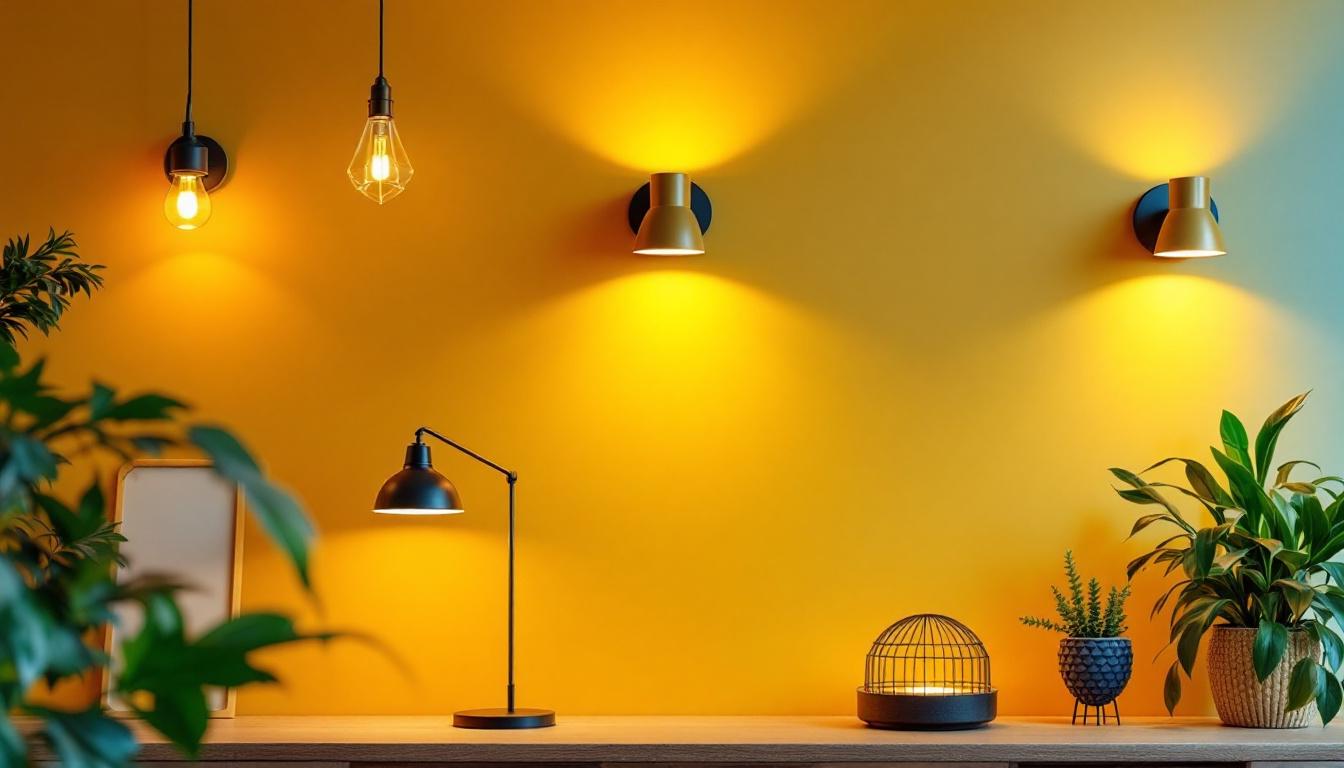
Wall sconces are a popular choice for ambient or accent lighting. They come in a wide range of styles, from minimalist modern designs to ornate traditional fixtures. Their versatility makes them suitable for corridors, lobbies, and conference rooms.
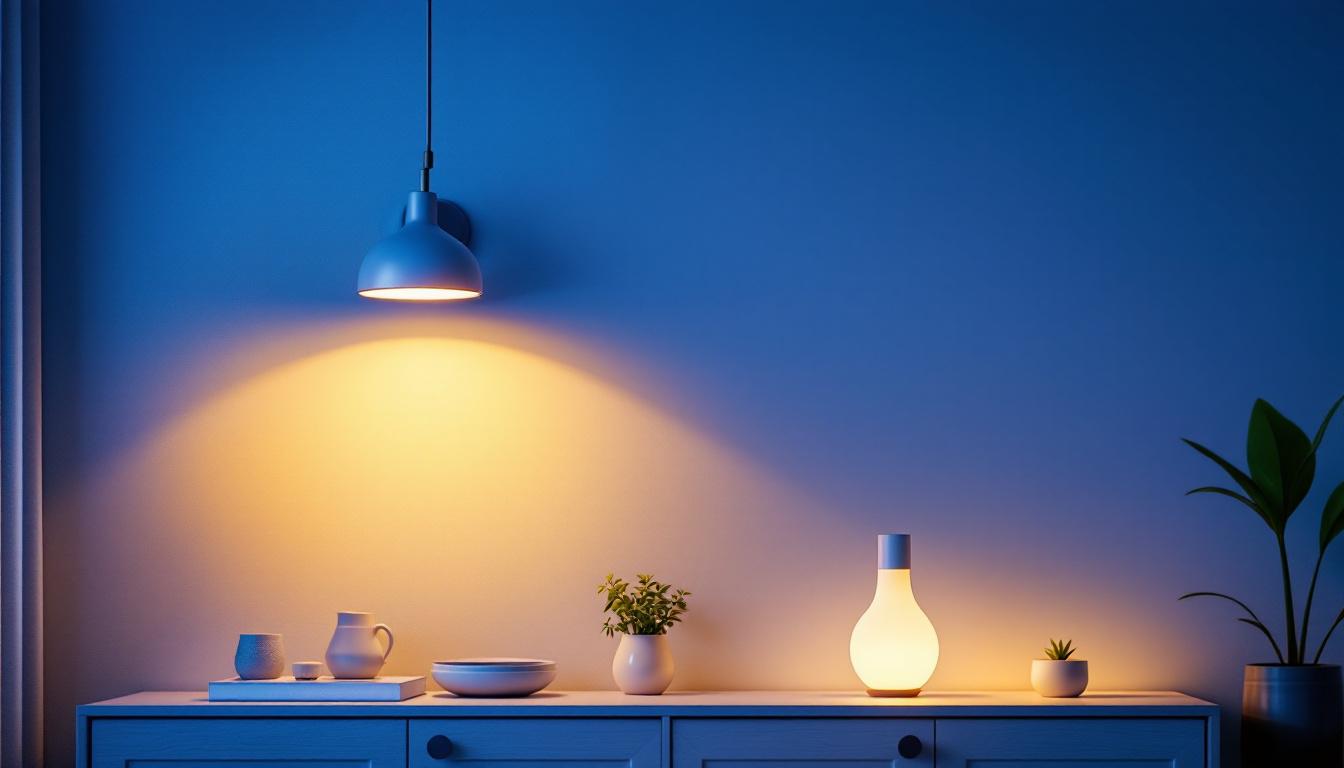
When installing sconces, consider the mounting height and the direction of light. Upward-facing sconces create a soft wash of light on walls and ceilings, while downward-facing ones can highlight artwork or signage. Additionally, the choice of bulb can significantly affect the ambiance; warm white LEDs can create a cozy atmosphere, while cooler tones may be more suitable for professional settings.
Furthermore, wall sconces can be used creatively to define spaces within larger areas. For example, in a restaurant, sconces can delineate dining zones without the need for physical barriers, enhancing both the aesthetic and functional aspects of the space.
Wall Washers
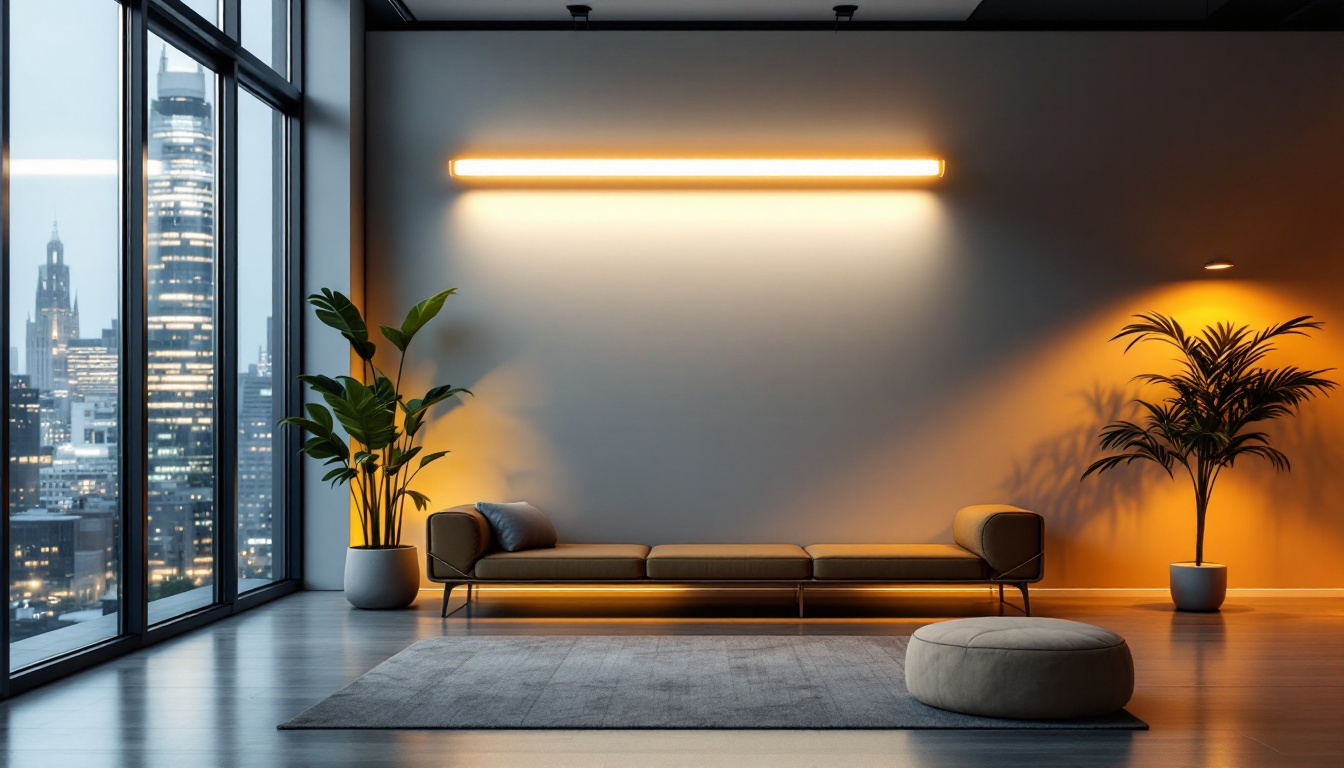
Wall washers are designed to evenly illuminate large vertical surfaces. They are excellent for showcasing textured walls, murals, or architectural details. In commercial settings, wall washers can also improve overall brightness in hallways and open areas.
These fixtures typically use LED technology for energy efficiency and long life. Lighting contractors should ensure proper spacing and aiming to avoid uneven lighting or shadows. The angle and distance from the wall are crucial; too close can create hot spots, while too far can result in insufficient illumination.
In addition to their practical applications, wall washers can also be used to create dynamic visual effects. By integrating color-changing LEDs, businesses can adjust the mood of a space for different events or seasons, making wall washers not just functional but also a tool for branding and customer engagement.
Emergency and Safety Lighting
Safety is paramount in commercial buildings. Emergency wall lighting, including exit signs and backup fixtures, must comply with local codes and standards. These lights often integrate with building management systems and require regular testing and maintenance.
Contractors should be aware of the specific requirements for emergency lighting in different commercial environments, such as minimum illumination levels and battery backup durations. It’s essential to conduct a thorough risk assessment to determine the best locations for emergency fixtures, ensuring they are visible and accessible in case of an emergency.
Moreover, advancements in technology have led to the development of smart emergency lighting systems that can provide real-time monitoring and diagnostics. These systems can alert facility managers to any issues, such as bulb failures or battery malfunctions, ensuring that safety measures are always operational and compliant with regulations. This proactive approach not only enhances safety but also minimizes potential liabilities for businesses.
Technical Considerations for Installation
Successful commercial wall lighting installations depend on thorough technical planning and execution. Lighting contractors must navigate electrical, structural, and regulatory challenges to deliver reliable and compliant solutions.
Electrical Load and Circuit Planning
Commercial lighting circuits often handle multiple fixtures and higher loads than residential setups. Contractors need to calculate total wattage and ensure circuits are not overloaded. Using LED fixtures can reduce power consumption and heat output, easing load concerns.
Proper circuit design also includes considerations for dimming controls and integration with building automation systems. These features enhance energy savings and allow dynamic lighting adjustments based on occupancy or time of day.
Mounting and Wiring Challenges
Wall lighting installation requires secure mounting to various surfaces such as drywall, concrete, or brick. Contractors should select appropriate anchors and hardware to support fixture weight and ensure stability.
Wiring must comply with local electrical codes, including conduit use, grounding, and junction box placement. Concealing wiring for aesthetic reasons is common in commercial projects, but accessibility for maintenance must be maintained.
Addressing Environmental Factors
Commercial wall lighting may be exposed to moisture, dust, temperature fluctuations, or vibration depending on the location. Choosing fixtures with suitable ingress protection (IP) ratings and robust construction is essential for durability.
Outdoor wall lighting, for example, demands weather-resistant fixtures that can withstand rain and UV exposure. Indoor industrial environments might require fixtures with impact resistance and easy-to-clean surfaces.
Energy Efficiency and Sustainability in Commercial Wall Lighting
Energy efficiency is a top priority for commercial clients aiming to reduce operating costs and environmental impact. Lighting contractors play a key role in recommending and installing solutions that align with sustainability goals.
Leveraging LED Technology
LEDs have revolutionized commercial lighting by offering high efficiency, long lifespan, and superior light quality. Compared to traditional incandescent or fluorescent fixtures, LEDs consume significantly less energy and require fewer replacements.
Contractors should specify LED wall lighting with appropriate color temperatures-typically between 3000K and 4000K for commercial spaces-to balance warmth and clarity. High Color Rendering Index (CRI) ratings are important for accurate color perception, especially in retail and hospitality settings.
Implementing Lighting Controls
Integrating controls such as occupancy sensors, daylight harvesting, and programmable timers can dramatically reduce energy waste. These systems adjust lighting levels based on presence or natural light availability, ensuring lights are on only when needed.
Lighting contractors must be adept at configuring these controls to suit the unique usage patterns of each commercial space. Proper commissioning and user training are critical to achieving expected energy savings.
Compliance with Green Building Standards
Many commercial projects pursue certifications like LEED or WELL, which include stringent lighting requirements. Contractors should familiarize themselves with these standards to help clients earn points through efficient lighting design and installation.
Documentation of fixture specifications, energy calculations, and control strategies is often required. Staying current with evolving standards ensures contractors remain competitive and deliver value-added services.
Maintenance and Troubleshooting Best Practices
Long-term performance of commercial wall lighting depends on regular maintenance and prompt troubleshooting. Lighting contractors often provide ongoing support to facility managers and building owners.
Routine Inspection and Cleaning
Dust and dirt accumulation can degrade light output and fixture appearance. Scheduled cleaning of lenses, reflectors, and housing is essential, especially in high-traffic or industrial areas.
Inspecting for signs of wear, corrosion, or damage helps identify issues before they lead to fixture failure. Keeping detailed maintenance logs aids in tracking performance and planning replacements.
Common Troubleshooting Scenarios
Flickering lights, dimming issues, and complete outages are common problems in commercial wall lighting. These symptoms often stem from loose connections, faulty drivers, or control system malfunctions.
Contractors should use diagnostic tools like multimeters and thermal cameras to pinpoint electrical faults. Replacing components with compatible, high-quality parts ensures reliable repairs.
Upgrading and Retrofitting
As technology advances, many commercial clients seek to upgrade existing wall lighting to more efficient or feature-rich systems. Retrofitting can involve swapping out fixtures, adding controls, or integrating with smart building platforms.
Lighting contractors must assess the feasibility of retrofits, considering factors such as wiring compatibility, mounting constraints, and budget. Clear communication with clients about benefits and limitations helps set realistic expectations.
Final Thoughts on Mastering Commercial Wall Lighting
Commercial wall lighting is a complex field that demands technical expertise, design sensitivity, and a commitment to quality. Lighting contractors who invest in understanding the diverse fixture types, installation challenges, and energy-saving strategies position themselves as trusted partners in commercial projects.
Staying informed about industry trends, codes, and emerging technologies ensures contractors can offer solutions that not only illuminate spaces but also enhance safety, comfort, and sustainability.
Illuminate Your Projects with LumenWholesale
Ready to elevate your commercial wall lighting installations with the finest products on the market? Look no further than LumenWholesale, where we offer an exceptional range of spec-grade lighting solutions at wholesale prices. Our commitment to quality, affordability, and convenience ensures that you can light up any space without the burden of inflated costs or logistical hassles. Take advantage of our free shipping on bulk orders and discover how our curated selection of lighting products can transform your projects. Don’t compromise on performance or price—Wholesale Lighting at the Best Value is just a click away.