Why LED Ceiling Lights Are Revolutionizing Home Lighting
Traditional incandescent and fluorescent bulbs have long dominated home lighting, but LED ceiling lights are rapidly changing the game. For lighting contractors, understanding the advantages of LEDs is essential—not just for meeting client expectations but for delivering superior, energy-efficient solutions that stand the test of time.
LED lights consume significantly less power compared to conventional bulbs. A typical LED ceiling fixture uses about 75% less energy than an incandescent bulb and lasts up to 25 times longer. This translates to lower energy bills and fewer replacements, which clients appreciate in the long run. Additionally, the reduced energy consumption contributes to a smaller carbon footprint, making LEDs an environmentally friendly choice that resonates with eco-conscious homeowners.
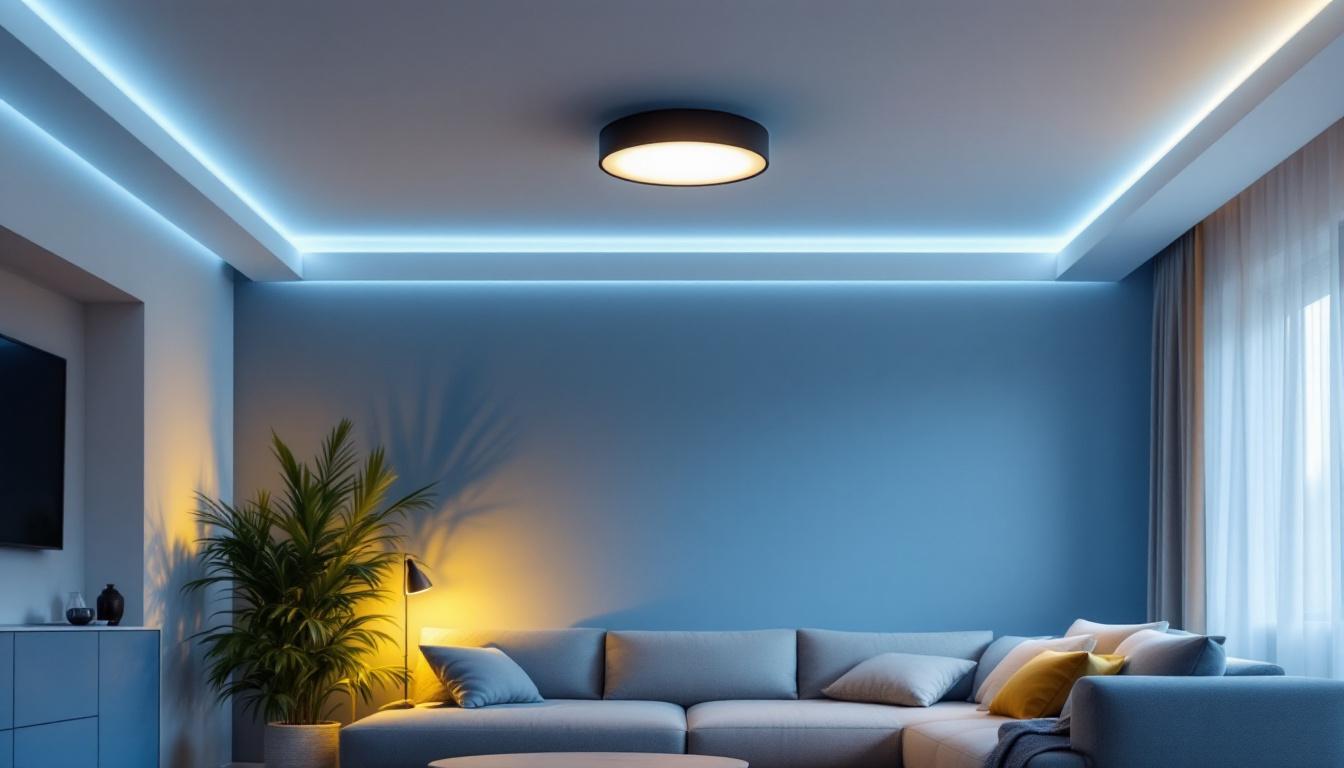
Beyond efficiency, LED ceiling lights offer unparalleled flexibility in design and functionality. They come in various shapes, sizes, and color temperatures, allowing contractors to tailor lighting schemes to specific rooms and moods. From warm, cozy ambiances in living rooms to crisp, daylight-like illumination in kitchens and workspaces, LEDs can do it all. Moreover, many modern LED fixtures are equipped with smart technology, enabling homeowners to control their lighting through mobile apps or voice commands. This integration not only enhances convenience but also allows for dynamic adjustments based on the time of day or activity, ensuring that the lighting is always just right.
Another significant advantage of LED ceiling lights is their durability and low maintenance requirements. Unlike traditional bulbs, which are fragile and prone to breaking, LEDs are built to withstand the rigors of daily use. They are resistant to shock, vibrations, and extreme temperatures, making them ideal for various environments, from bustling family homes to commercial spaces. This resilience means that clients can enjoy long-lasting illumination without the hassle of frequent replacements, further solidifying the appeal of LEDs in both residential and commercial applications.
Key Benefits of Installing LED Lights in Home Ceilings
Energy Savings and Environmental Impact
Energy efficiency is the primary driver behind the shift to LED lighting. LEDs convert most of the electricity they consume into light rather than heat, unlike incandescent bulbs that waste much energy as heat. This efficiency reduces household energy consumption, which is a critical selling point for energy-conscious homeowners.
For contractors, promoting LED ceiling lights means contributing to environmental sustainability. Reduced energy use lowers carbon footprints, and many LEDs are recyclable. This aligns well with growing consumer demand for green building practices. Furthermore, the shift to LED lighting can significantly decrease the demand for electricity, which can lead to a reduction in the reliance on fossil fuels and a decrease in greenhouse gas emissions. As more households make the switch, the cumulative impact can lead to a healthier planet and a more sustainable future.
Longevity and Maintenance Advantages
LED ceiling lights boast lifespans ranging from 25,000 to 50,000 hours, far surpassing traditional bulbs. This longevity means fewer replacements and less maintenance hassle for homeowners. For contractors, it reduces callbacks and increases customer satisfaction.
Long-lasting LEDs also minimize waste. By installing durable fixtures, contractors help clients avoid frequent bulb disposals, which often end up in landfills. This benefit strengthens the case for LEDs when discussing long-term value. Additionally, the reduced frequency of replacements means less disruption in the home, allowing families to enjoy their spaces without the inconvenience of frequent maintenance. This reliability not only enhances the overall experience of living in a well-lit home but also fosters a sense of trust between homeowners and contractors, as clients appreciate the long-term investment in quality lighting solutions.
Improved Lighting Quality and Customization
LED technology offers superior color rendering, meaning colors appear more natural and vibrant under LED light. This is particularly important in living spaces, kitchens, and bathrooms where accurate color perception enhances comfort and aesthetics.
Additionally, LEDs support dimming and smart controls, allowing homeowners to adjust brightness and color temperature according to their preferences or time of day. This adaptability adds a layer of sophistication and convenience that traditional lighting cannot match. With the rise of smart home technology, LED lights can be integrated with home automation systems, enabling users to control their lighting remotely via smartphones or voice-activated devices. This level of control not only enhances the ambiance of a space but also allows for energy savings by ensuring lights are only used when needed. As homeowners increasingly seek personalized and efficient living environments, the versatility of LED lighting positions it as a key player in modern home design.
Choosing the Right LED Ceiling Lights for Different Home Areas
Living Rooms and Bedrooms
In these spaces, ambiance is key. Warm white LEDs (around 2700K to 3000K) create a cozy, inviting atmosphere. Recessed LED downlights or flush mount fixtures are popular choices, providing even illumination without overwhelming the space.
In bedrooms, consider LEDs with dimming capabilities to allow gradual light adjustments for relaxing evenings or early mornings. Lighting contractors should also recommend fixtures with high Color Rendering Index (CRI) values-above 80-to ensure colors appear natural and soothing.
Kitchens and Workspaces
Kitchens demand bright, clear light for safety and functionality. Cool white LEDs (3500K to 4100K) offer crisp, clean illumination that enhances visibility for cooking and food preparation. Under-cabinet LED strips complement ceiling lights by reducing shadows on countertops.
For workspaces or home offices, daylight LEDs (5000K to 6500K) simulate natural light, boosting alertness and reducing eye strain. Lighting contractors should emphasize layered lighting designs that combine ceiling fixtures with task lighting to optimize performance.
Bathrooms and Utility Areas
Bathrooms benefit from bright, glare-free lighting. LEDs with a neutral white color temperature (around 3500K) balance clarity without harshness. Fixtures with moisture-resistant ratings are essential to withstand humidity and prevent premature failure.
In utility rooms or laundry areas, durability and brightness take precedence. LED ceiling panels or surface-mounted fixtures provide ample light for detailed tasks, and their robust construction ensures longevity in these demanding environments.
Installation Considerations for Lighting Contractors
Compatibility with Existing Fixtures and Wiring
Many homeowners look to retrofit LED lights into existing ceiling fixtures. Contractors must assess compatibility carefully to avoid issues like flickering or reduced lifespan. LED drivers and dimmers should match the LED specifications to ensure optimal performance.
In some cases, replacing entire fixtures with integrated LED units offers better results. These modern fixtures are designed for LED technology and often come with enhanced features like adjustable color temperature and smart controls.
Heat Management and Ventilation
Although LEDs generate less heat than traditional bulbs, they still require proper heat dissipation to maintain efficiency and longevity. Lighting contractors should ensure that fixtures have adequate ventilation or heat sinks, especially in enclosed ceiling spaces.
Failing to address heat management can lead to premature LED failure and client dissatisfaction. Selecting fixtures from reputable manufacturers with proven thermal designs is a wise investment.
Smart Lighting Integration
Smart home technology is increasingly popular, and LED ceiling lights often serve as a central component. Contractors should be familiar with integrating LEDs with systems like Wi-Fi, Zigbee, or Bluetooth controls.
Offering clients smart lighting options-such as voice control, scheduling, and scene setting-adds value and positions contractors as forward-thinking professionals. Compatibility with popular platforms like Alexa, Google Home, or Apple HomeKit is a key consideration.
Common Challenges and How to Overcome Them
Addressing Flickering and Dimming Issues
Flickering LEDs are a common complaint, often caused by incompatible dimmers or poor-quality drivers. Lighting contractors should recommend LED-compatible dimmers and test fixtures before installation.
Providing clients with clear instructions on dimmer use and maintenance can prevent frustration. Additionally, sourcing products from trusted manufacturers reduces the risk of these problems.
Balancing Brightness and Glare
LEDs can produce intense light that causes glare if not properly diffused. Selecting fixtures with diffusers or frosted lenses helps distribute light evenly and reduces eye strain.
Contractors should also consider fixture placement and beam angles to avoid direct exposure to bright LED sources. A well-planned lighting layout ensures comfort and functionality.
Ensuring Color Consistency
Inconsistent color temperatures across multiple LED fixtures can disrupt a room’s ambiance. Contractors need to specify LEDs from the same batch or manufacturer and verify color temperature ratings during installation.
Using LEDs with tight binning tolerances-meaning minimal variation in color output-helps maintain uniform lighting throughout the space.
Future Trends in LED Ceiling Lighting
Advances in Tunable White and Color-Adjustable LEDs
Lighting technology continues to evolve, with tunable white LEDs allowing users to adjust color temperature dynamically throughout the day. This supports circadian rhythms and enhances well-being.
Color-adjustable LEDs bring creative freedom to home lighting, enabling homeowners to change hues for different occasions or moods. Contractors who stay updated on these trends can offer cutting-edge solutions.
Integration with Home Automation and IoT
The Internet of Things (IoT) is transforming lighting into an interconnected system. LED ceiling lights integrated with sensors, voice assistants, and automation routines provide convenience and energy savings.
Contractors who master IoT integration will be in high demand as smart homes become the norm rather than the exception.
Improved Energy Standards and Incentives
Energy efficiency standards continue to tighten, encouraging wider adoption of LED lighting. Many regions offer incentives or rebates for installing energy-efficient fixtures, which contractors can leverage to attract clients.
Staying informed about local regulations and programs enables contractors to guide homeowners toward cost-effective, compliant lighting upgrades.
Conclusion: Why Lighting Contractors Should Prioritize LED Ceiling Lights
LED ceiling lights represent a significant opportunity for lighting contractors to deliver value, efficiency, and innovation. Their energy savings, longevity, and versatile design options meet the needs of modern homeowners seeking sustainable and stylish lighting solutions.
By mastering the nuances of LED technology-from fixture selection and installation to smart integration and troubleshooting-contractors can position themselves as trusted experts in a competitive market. The shift to LED is not just a trend; it’s a lasting transformation that benefits contractors, clients, and the environment alike.
Get Premium LED Ceiling Lights at Wholesale Prices
Ready to elevate your lighting projects with the efficiency, longevity, and innovation of LED ceiling lights? Look no further than LumenWholesale, where we provide contractors with exceptional, spec-grade lighting products at unbeatable wholesale prices. Say goodbye to local distributor markups and hello to our extensive selection that meets the highest industry standards. With LumenWholesale, you can count on reliable, high-performance lighting for every project. Plus, enjoy the convenience of bulk buying with free shipping, ensuring you get the best value without hidden fees. Make the smart switch to LED with LumenWholesale and experience the perfect blend of quality, affordability, and convenience. Wholesale Lighting at the Best Value is just a click away.