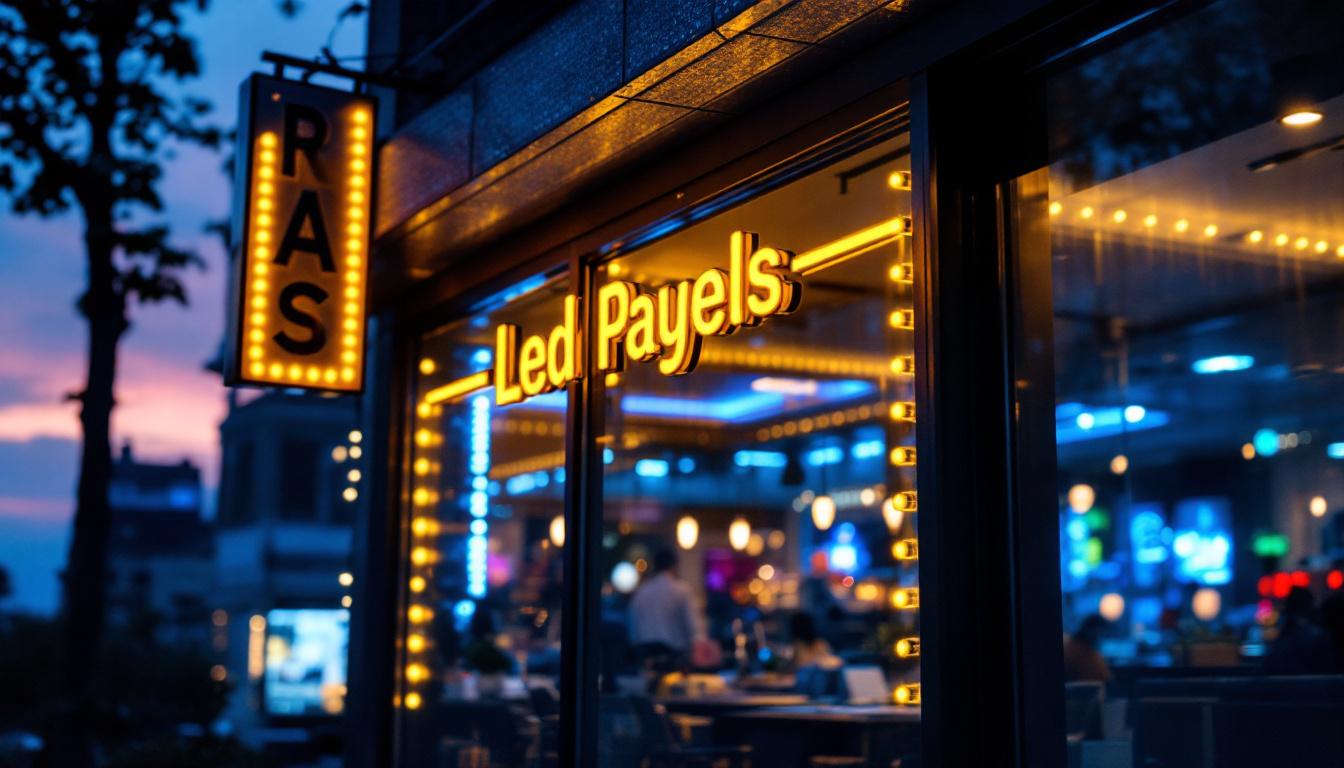
Why Exterior LED Signs Are Revolutionizing Lighting Design
Imagine a storefront that catches the eye from blocks away, its sign glowing vibrantly regardless of the weather or time of day. That’s the power of exterior LED signs. They’re not just bright; they’re smart, efficient, and versatile. For lighting contractors, these signs represent a significant shift in how outdoor lighting projects are approached and executed.
Traditional neon or incandescent signage has long been the go-to for outdoor advertising, but LEDs have rapidly changed the game. Their energy efficiency alone makes them a compelling choice. LEDs consume up to 80% less energy than traditional lighting, which translates into lower operational costs and a smaller carbon footprint. This is a strong selling point for clients who want to combine visibility with sustainability.
Beyond energy savings, LED signs offer unmatched durability. They withstand harsh weather conditions—from heavy rain and snow to intense sunlight—without fading or malfunctioning. This longevity reduces maintenance frequency and costs, which is a critical consideration for businesses aiming to minimize downtime and upkeep expenses.
Moreover, the versatility of LED technology allows for a wide array of design possibilities. Businesses can customize their signage with dynamic graphics, animations, and even real-time updates, making it easier to promote special offers or events. This adaptability not only enhances brand visibility but also engages customers in a way that static signs simply cannot. For instance, a restaurant can display its daily specials or a retail store can announce flash sales, all while capturing the attention of passersby with eye-catching visuals.
Another significant advantage of exterior LED signs is their ability to integrate with smart technology. Many modern LED signs can be controlled remotely, allowing businesses to adjust their messaging and brightness levels based on the time of day or specific events. This feature not only enhances operational efficiency but also allows for a more personalized customer experience. Imagine a local gym that can change its sign to promote a new fitness class during peak hours or a theater that can highlight showtimes in real-time. Such capabilities make LED signs a dynamic tool in a business’s marketing arsenal, ensuring they remain relevant and engaging in an ever-evolving marketplace.
Design Flexibility: Customization and Creativity Unleashed
LED technology opens up a world of possibilities in design that was once impossible or prohibitively expensive. Unlike traditional signage, LEDs can be programmed to display a wide range of colors, animations, and even dynamic content. This level of customization allows businesses to tailor their signage to specific marketing campaigns, seasonal promotions, or brand updates without replacing the entire sign.
For lighting contractors, this means projects can be more creative and engaging. Signs can incorporate motion graphics, countdown timers, or interactive elements that respond to environmental cues like ambient light or pedestrian traffic. This adaptability not only enhances the client’s brand presence but also positions the contractor as a forward-thinking partner in innovative lighting solutions.
Furthermore, LED signs can be designed in virtually any shape or size. Flexible LED strips and modules can contour to architectural features, wrapping around corners or integrating seamlessly into building facades. This integration elevates the aesthetic appeal of the property and ensures that the signage complements rather than clashes with the overall design.
Moreover, the longevity and durability of LED technology contribute to its appeal in design flexibility. Unlike traditional neon or incandescent lights, LEDs have a significantly longer lifespan and are less prone to breakage. This reliability allows designers to experiment with more intricate and delicate designs without the fear of frequent replacements or repairs. As a result, unique installations that push the boundaries of creativity can be realized, transforming ordinary spaces into extraordinary visual experiences.
Additionally, the energy efficiency of LED lighting plays a crucial role in modern design considerations. With lower power consumption and reduced heat output, designers can implement larger displays without the concern of excessive energy costs or heat-related damage. This eco-friendly aspect not only appeals to environmentally conscious consumers but also aligns with the growing trend of sustainable design practices. By incorporating LED technology, businesses can make a statement about their commitment to sustainability while simultaneously enhancing their visual identity.
Installation Considerations: What Lighting Contractors Need to Know
Installing exterior LED signs demands a nuanced understanding of both electrical systems and environmental factors. While LEDs are generally easier to install than traditional neon tubes, they require precise wiring, power management, and weatherproofing to perform optimally.
One crucial aspect is ensuring proper heat dissipation. Although LEDs generate less heat than other light sources, they still need adequate ventilation to prevent overheating, which can shorten their lifespan. Contractors must select fixtures and housings designed for outdoor use, with materials that resist corrosion and UV damage.
Power supply is another key factor. LED signs often operate on low-voltage DC power, necessitating transformers or drivers that convert standard AC power safely and efficiently. Choosing high-quality power supplies can prevent flickering, dimming, or premature failure. Additionally, integrating surge protection safeguards the sign against voltage spikes caused by lightning or grid fluctuations.
Site Assessment and Preparation
Before installation, a thorough site assessment is essential. This includes evaluating the mounting surface, local weather conditions, and electrical infrastructure. For example, signs mounted on metal surfaces may require insulation to prevent electrical shorts, while those exposed to salty coastal air need extra corrosion resistance.
Contractors should also consider the sign’s visibility angles and ambient lighting. Positioning the sign to maximize exposure during peak traffic times enhances its effectiveness. In some cases, supplemental lighting or reflective materials can be used to boost visibility without increasing energy consumption.
Compliance and Safety Standards
Adhering to local codes and regulations is non-negotiable. Many jurisdictions have strict guidelines on signage brightness, size, and placement to prevent light pollution and ensure public safety. Lighting contractors must stay updated on these standards to avoid costly fines or forced modifications after installation.
Electrical safety is paramount. Proper grounding, waterproof connectors, and secure mounting prevent hazards like electrical shocks or fire risks. Using UL-listed components and following manufacturer installation instructions further ensures compliance and reliability.
Maintenance and Longevity: Keeping LED Signs Bright and Effective
One of the biggest advantages of LED signage is its low maintenance requirements. However, regular inspections and cleaning can extend the sign’s life and maintain its visual impact. Dirt, dust, and debris can accumulate on the surface, dulling the brightness and reducing effectiveness.
Routine maintenance should include checking for damaged wiring, loose connections, and any signs of water ingress. Prompt repairs prevent minor issues from escalating into costly failures. Many contractors offer maintenance contracts that provide scheduled check-ups, which clients appreciate for peace of mind.
Advancements in remote monitoring technology allow some LED signs to self-report performance issues. This innovation enables quicker response times and minimizes downtime, benefiting both contractors and clients.
Economic Impact: Cost-Benefit Analysis for Clients
While the upfront cost of LED signs can be higher than traditional alternatives, the return on investment is compelling. Energy savings alone can reduce operating expenses significantly over the sign’s lifespan. For example, a business switching from neon to LED signage can expect to cut energy costs by a substantial margin, often recouping the initial investment within a few years.
Additionally, the durability and reduced maintenance needs translate into fewer service calls and replacements, which lowers long-term expenses. The ability to update content digitally also eliminates the recurring costs of printing and installing new signage for promotions or branding changes.
For lighting contractors, understanding these economic factors is vital when advising clients. Presenting a clear cost-benefit analysis helps clients make informed decisions and positions the contractor as a trusted advisor rather than just a service provider.
Emerging Trends and Technologies in Exterior LED Signage
LED technology continues to evolve rapidly, bringing new tools and capabilities to the forefront of exterior signage. Miniaturization of LEDs allows for higher resolution displays, enabling signs to deliver crisp, detailed images and video content. This opens up exciting opportunities for interactive advertising and real-time messaging.
Integration with smart city infrastructure is another emerging trend. LED signs can be connected to data networks, allowing them to respond dynamically to traffic patterns, weather changes, or emergency alerts. This level of interactivity enhances public safety and urban aesthetics simultaneously.
Another innovation is the use of solar-powered LED signs. These systems combine energy efficiency with renewable power sources, making them ideal for remote locations or areas with limited electrical access. Lighting contractors who master these technologies can expand their service offerings and tap into growing markets focused on sustainability.
Final Thoughts: Positioning for Success with Exterior LED Signs
Exterior LED signs are more than just lighting fixtures; they are powerful communication tools that blend technology, design, and functionality. For lighting contractors, embracing this technology means staying ahead of industry trends and delivering superior value to clients.
Mastering the nuances of LED sign design, installation, and maintenance can differentiate a contractor in a competitive market. It requires a commitment to continuous learning and adaptation as new technologies and standards emerge.
Ultimately, exterior LED signs represent a future-focused investment that benefits everyone involved-from contractors and businesses to the communities they serve. Lighting professionals who understand and leverage these advantages will be well-positioned to lead the next generation of outdoor lighting solutions.
Illuminate Your Projects with LumenWholesale
Ready to elevate your lighting projects and lead the future with exterior LED signs? At LumenWholesale, we provide lighting contractors with the highest quality, spec-grade lighting products at unbeatable wholesale prices. Say goodbye to local distributor markups and hello to a vast selection of reliable, high-performance lighting that meets the most rigorous industry standards. Plus, with free shipping on bulk orders, you can secure premium lighting solutions at the best value — all without hidden fees or compromises. Don’t miss out on the perfect combination of quality, affordability, and convenience. Wholesale Lighting at the Best Value is just a click away. Transform your lighting designs today with LumenWholesale.