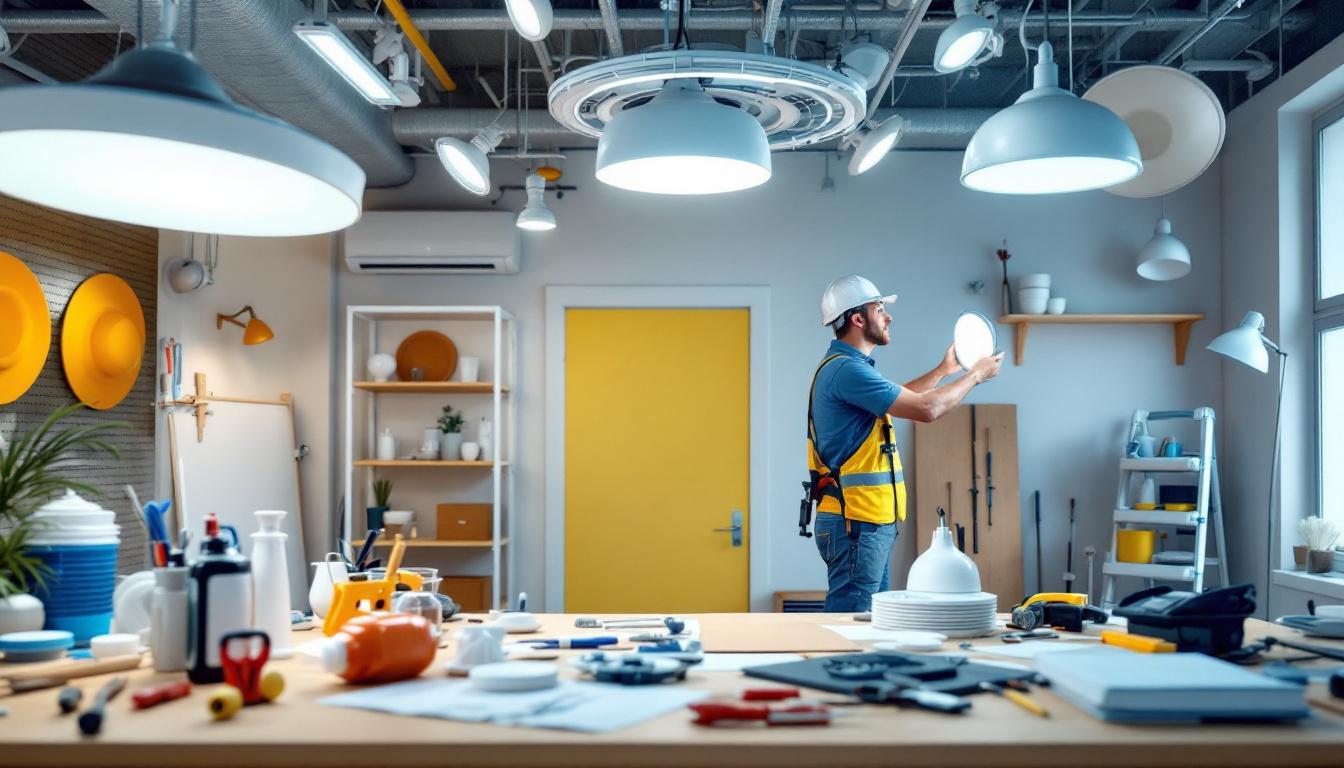
Understanding 2×2 LED Troffer Lights: A Foundation for Lighting Contractors
In the realm of commercial and institutional lighting, 2×2 LED troffer lights have emerged as a staple. These fixtures, typically designed to fit into standard 2-foot by 2-foot ceiling grids, offer a versatile and energy-efficient solution for offices, schools, hospitals, and retail spaces. For lighting contractors, a deep understanding of these products is essential to recommend, install, and maintain lighting systems that meet client expectations and regulatory standards.
LED troffers have largely replaced traditional fluorescent fixtures due to their superior energy efficiency, longer lifespan, and improved lighting quality. The 2×2 dimension is particularly popular because it balances light output with architectural flexibility, making it suitable for a wide range of ceiling layouts.
Key Features of 2×2 LED Troffer Lights
These fixtures are designed to provide uniform, glare-free illumination. Many models incorporate diffusers or lenses that evenly distribute light, reducing eye strain and enhancing visual comfort. Additionally, 2×2 LED troffers often come with dimming capabilities and compatibility with smart controls, allowing for tailored lighting environments and further energy savings.
From a technical standpoint, the color temperature options typically range from 3000K to 5000K, catering to different ambiance needs—from warm, inviting spaces to bright, task-oriented environments. Lighting contractors should be familiar with these options to advise clients effectively.
Moreover, the construction of 2×2 LED troffer lights often includes durable materials such as aluminum or high-quality plastics that not only enhance their aesthetic appeal but also contribute to their longevity. Many models are designed to withstand the rigors of commercial use, featuring resistance to dust and moisture, which is particularly beneficial in environments like kitchens or laboratories. This durability ensures that the fixtures maintain their performance and appearance over time, reducing the need for frequent replacements and repairs.
Another significant advantage of 2×2 LED troffer lights is their environmental impact. By consuming significantly less energy than their fluorescent counterparts, they contribute to lower carbon footprints, making them an attractive choice for businesses aiming to enhance their sustainability efforts. Additionally, many LED troffers are constructed with recyclable materials, further supporting eco-friendly initiatives. For lighting contractors, understanding the environmental benefits of these fixtures can help in discussions with clients who prioritize green building practices and energy-efficient solutions.
Energy Efficiency and Cost Benefits: Why 2×2 LED Troffers Are a Smart Choice
One of the primary reasons for the widespread adoption of 2×2 LED troffer lights is their energy efficiency. Compared to traditional fluorescent troffers, LED versions consume significantly less power—often reducing energy use by 40% to 60%. This translates into substantial cost savings over the lifespan of the fixture. Additionally, the reduced energy consumption contributes to a lower carbon footprint, making LED troffers an environmentally friendly choice. As businesses increasingly prioritize sustainability, the shift towards energy-efficient lighting solutions like LED troffers aligns perfectly with corporate responsibility goals.
Moreover, LEDs have a longer operational life, frequently rated between 50,000 to 100,000 hours, which reduces maintenance frequency and associated labor costs. For lighting contractors, this means fewer service calls and enhanced client satisfaction. The durability of LED troffers also means they are less likely to flicker or dim over time, providing consistent lighting quality that can enhance productivity in workspaces. This reliability is particularly valuable in environments where optimal lighting is crucial, such as in hospitals or educational institutions.
Real-World Impact: Energy Savings and ROI
Consider a typical office space with 100 fluorescent 2×2 troffers consuming approximately 40 watts each. Switching to LED troffers rated at 20 watts can cut the lighting energy consumption in half. Over the course of a year, this can save thousands of kilowatt-hours, depending on usage patterns. Furthermore, the decrease in energy demand can also lead to lower peak demand charges from utility companies, further enhancing the financial benefits of the switch. Businesses can leverage these savings to invest in other areas, such as employee training or technology upgrades, fostering a culture of growth and innovation.
Clients often appreciate when contractors provide detailed return on investment (ROI) analyses. Highlighting the payback period—often within two to three years—can help secure projects and build trust. Additionally, showcasing case studies of similar businesses that have successfully transitioned to LED lighting can serve as powerful testimonials, illustrating not just the financial benefits but also the positive impact on workplace ambiance and employee morale. The enhanced quality of light from LED troffers can lead to improved focus and reduced eye strain, which are critical factors in maintaining a productive workforce.
Installation Considerations and Best Practices for Lighting Contractors
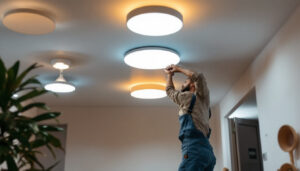
Proper installation is critical to maximize the performance and longevity of 2×2 LED troffer lights. Lighting contractors must be aware of several factors to ensure successful outcomes.
Compatibility with Ceiling Systems
2×2 LED troffers are designed for standard grid ceilings, but variations exist. It is important to verify that the fixture dimensions and mounting options align with the existing ceiling infrastructure. Some troffers are designed for lay-in installation, while others may require surface mounting or recessed installation.
Additionally, contractors should assess the ceiling’s load capacity and ensure compliance with local building codes. Proper support reduces the risk of fixture damage and safety hazards. In some cases, it may be necessary to reinforce the ceiling grid or utilize additional mounting brackets to secure the troffers adequately. This consideration is especially important in commercial settings where the lighting system may be subjected to more rigorous use and where aesthetic appeal is paramount.
Electrical and Wiring Requirements
LED troffers typically operate on standard line voltage, but the wiring configuration can vary. Many models come with integrated drivers, simplifying installation, while others may require separate components. Contractors should verify voltage compatibility and ensure that wiring meets National Electrical Code (NEC) standards.
When retrofitting existing fluorescent fixtures, attention must be given to ballast bypass or compatibility. Some LED troffers are designed to work with existing ballasts, but direct wire (ballast bypass) installations often yield better efficiency and reliability. Furthermore, contractors should consider the overall energy consumption of the new installation compared to the previous system. Conducting a thorough energy audit can provide insights into potential savings, which can be a selling point for clients looking to reduce their operational costs.
Lighting Controls Integration
Modern 2×2 LED troffers often support integration with occupancy sensors, daylight harvesting systems, and dimming controls. Lighting contractors should be proficient in installing and configuring these systems to maximize energy savings and enhance user experience.
Understanding the communication protocols—such as DALI, 0-10V, or wireless controls—is essential for seamless integration and future-proofing installations. Additionally, contractors should educate clients on the benefits of these advanced lighting control systems, such as increased comfort, improved productivity, and reduced energy bills. By demonstrating how these systems can adapt to changing environmental conditions and occupancy patterns, contractors can help clients make informed decisions that align with their sustainability goals and operational needs.
Quality, Standards, and Compliance: Ensuring Reliable Performance
Lighting contractors must prioritize quality and compliance when selecting 2×2 LED troffer lights. Poor-quality fixtures can lead to premature failures, inconsistent lighting, and client dissatisfaction.
Certifications and Testing
Look for fixtures that carry certifications such as UL (Underwriters Laboratories), DLC (DesignLights Consortium), and ENERGY STAR. These certifications indicate that the product has undergone rigorous testing for safety, performance, and energy efficiency.
Additionally, compliance with local codes and standards—such as the International Energy Conservation Code (IECC) and ASHRAE 90.1—ensures that installations meet regulatory requirements and qualify for utility rebates.
Color Rendering and Light Quality
Color rendering index (CRI) is a critical metric that describes how accurately a light source reveals colors compared to natural light. For commercial spaces, a CRI of 80 or above is generally recommended to ensure vibrant and natural color appearance.
Lighting contractors should also consider flicker rates and lumen maintenance to avoid issues such as eye strain and inconsistent illumination over time.
Emerging Trends and Innovations in 2×2 LED Troffer Lighting
The lighting industry is continuously evolving, and 2×2 LED troffers are no exception. Staying informed about emerging technologies and trends enables lighting contractors to offer cutting-edge solutions to their clients.
Human-Centric Lighting
Human-centric lighting (HCL) emphasizes the impact of light on human health and well-being. Advanced 2×2 LED troffers now incorporate tunable white technology, allowing adjustment of color temperature throughout the day to support circadian rhythms.
For environments such as healthcare facilities and educational institutions, HCL can improve occupant comfort, productivity, and mood—an increasingly important selling point for contractors.
Smart Lighting and IoT Integration
Integration of Internet of Things (IoT) technology enables centralized control and data analytics for lighting systems. Smart 2×2 LED troffers can communicate with building management systems, allowing for adaptive lighting strategies that optimize energy use and maintenance schedules.
Lighting contractors with expertise in smart lighting installation and programming can differentiate themselves in a competitive market by offering these advanced solutions.
Conclusion: Leveraging Expertise to Deliver Optimal Lighting Solutions
For lighting contractors, mastery of 2×2 LED troffer lights is indispensable. These fixtures offer a blend of efficiency, versatility, and quality that meets the demands of modern commercial and institutional spaces. By understanding product features, installation best practices, compliance requirements, and emerging trends, contractors can provide superior service and drive client satisfaction.
Ultimately, informed recommendations and meticulous installation of 2×2 LED troffer lights contribute not only to energy savings and cost efficiency but also to healthier, more productive environments. Staying current with technological advancements and industry standards ensures that lighting contractors remain trusted partners in their clients’ success.
Get Your Premium 2×2 LED Troffer Lights at LumenWholesale
Ready to elevate your lighting projects with the efficiency and quality of 2×2 LED troffer lights? Look no further than LumenWholesale for all your lighting needs. We provide contractors with high-grade, energy-efficient lighting solutions at the most competitive wholesale prices. Our commitment to excellence ensures that you receive only the best products that meet strict industry standards. Plus, with the convenience of free shipping on bulk orders, you can trust that you’re getting the best value without any hidden costs. Transform your lighting installations today and experience the best in wholesale lighting at the best value with LumenWholesale.