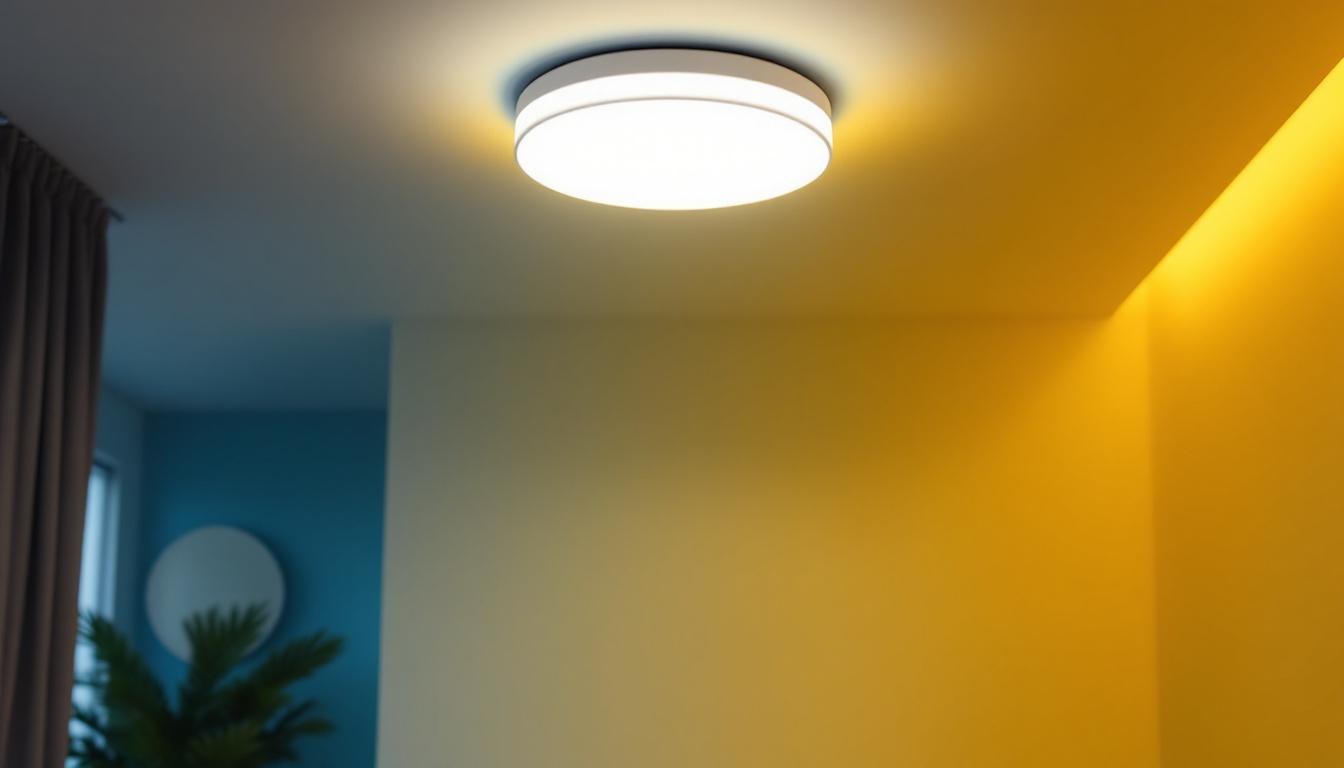
Overlooking Proper Placement and Spacing
One of the most frequent errors lighting contractors make with recessed lighting is incorrect placement and spacing. Recessed lights are designed to provide even, ambient illumination, but if they are spaced too far apart or clustered too closely, the lighting effect can be uneven or harsh.
Proper spacing depends on the size of the fixture and the height of the ceiling. A general rule of thumb is to space recessed lights approximately half the ceiling height apart. For example, if the ceiling is 8 feet high, lights should be spaced about 4 feet apart. However, this guideline varies based on the beam angle of the light and the room’s purpose. For instance, in a living room where a cozy atmosphere is desired, wider spacing may be appropriate, while in a workspace, closer spacing can help eliminate shadows and provide a more functional lighting solution.
Ignoring this can result in dark spots or overly bright areas, which frustrates homeowners and diminishes the overall design. Contractors should always consult lighting layout plans carefully and, when possible, use lighting design software or mock-ups to preview the effect before installation. Additionally, considering the color temperature of the bulbs can significantly impact the ambiance of the space; warm tones can create a welcoming environment, while cooler tones can enhance focus and clarity in work areas.
Case Study: Uneven Lighting in a Kitchen Remodel
A contractor installed six recessed lights in a kitchen with an 8-foot ceiling but spaced them unevenly—three clustered over the island and three near the perimeter. The result was a glaringly bright island area and shadowed corners, making the space feel unbalanced. The homeowner had to request additional fixtures, increasing costs and installation time. This situation highlights the importance of thorough planning and communication between contractors and homeowners to ensure that the lighting meets both aesthetic and functional needs.
Moreover, the choice of dimmable fixtures could have provided a simple solution to adjust the brightness levels according to the time of day or the specific activities taking place in the kitchen. By incorporating dimmers, the homeowner could have easily softened the light over the island during dinner parties or brightened the space for meal prep, creating a more versatile and user-friendly environment. Such considerations not only enhance the usability of the space but also contribute to energy efficiency, allowing homeowners to tailor their lighting to their needs while reducing unnecessary electricity consumption.
Ignoring Ceiling Type and Insulation Considerations
Recessed lighting installation is not a one-size-fits-all process. Different ceiling types and insulation materials require specific fixture types and installation methods. A common mistake is using non-IC (Insulation Contact) rated fixtures in insulated ceilings.
Non-IC rated recessed lights can overheat when in contact with insulation, posing a fire hazard. Contractors must verify the ceiling construction and select fixtures accordingly. IC-rated fixtures are designed to be safely installed in direct contact with insulation, reducing risk and ensuring code compliance.
Failing to account for this can lead to costly callbacks, safety issues, and potential code violations. Always check local building codes and manufacturer specifications before installation.
Example: Fire Hazards from Improper Fixture Selection
In one project, a contractor installed non-IC rated recessed lights in a ceiling with dense fiberglass insulation. Over time, the fixtures overheated, causing scorch marks on the ceiling and necessitating an expensive repair and fixture replacement. This could have been avoided by selecting IC-rated fixtures from the outset.
Moreover, the implications of improper fixture selection extend beyond immediate safety concerns. The incident not only disrupted the homeowner’s daily life but also led to increased insurance premiums due to the fire hazard associated with the installation. Additionally, the contractor faced reputational damage, as word of mouth spread about the installation mishap. Such scenarios highlight the importance of thorough planning and adherence to safety standards in lighting installations, as they can significantly impact both the contractor’s business and the homeowner’s peace of mind.
Furthermore, understanding the nuances of ceiling types—such as vaulted, drop, or sloped ceilings—can influence the choice of fixtures and their placement. For instance, in a vaulted ceiling, the angle of the light can affect how well the room is illuminated and how shadows are cast. Properly addressing these considerations not only enhances the aesthetic appeal of the space but also ensures that the lighting serves its intended purpose effectively. By investing time in understanding these factors, contractors can elevate their work quality and client satisfaction, ultimately leading to more successful projects.
Using the Wrong Trim and Bulb Combinations
The trim and bulb combination in recessed lighting greatly influences both aesthetics and functionality. Contractors sometimes select trims that do not match the bulb type or the lighting goal, leading to glare, poor light distribution, or an unattractive finish.
For example, using a baffle trim with a bulb that has a wide beam angle can cause unwanted glare. Conversely, a reflector trim paired with a narrow beam bulb might create harsh, focused spots of light rather than soft, diffused illumination.
Additionally, the color temperature of the bulb should complement the space. Warm white bulbs (2700K-3000K) are preferred in living areas for a cozy feel, while cooler temperatures (3500K-4100K) suit kitchens or workspaces. Mismatched color temperatures can make rooms feel off or uninviting.
Visual Impact: How Trim Choices Affect Room Ambiance
In a recent commercial project, a contractor used glossy white trims with cool white bulbs in a conference room. The result was a sterile, clinical atmosphere that clients found unwelcoming. Switching to matte trims and warmer bulbs created a more comfortable environment without changing the fixture layout.
Failing to Account for Dimming Compatibility
Dimming capability is a key feature many clients expect from recessed lighting. However, contractors often overlook compatibility between dimmer switches and LED recessed fixtures. This oversight can cause flickering, buzzing, or even damage to the fixtures.
Not all LED bulbs or fixtures are dimmable, and even those that are require compatible dimmer switches designed for LED loads. Using an incompatible dimmer can lead to subpar performance and client dissatisfaction.
Before installation, contractors should verify the dimming specifications of both the fixtures and switches. Testing the system prior to finalizing the installation helps catch issues early.
Example: Flickering Lights Due to Dimmer Mismatch
A contractor installed dimmable LED recessed lights but paired them with standard incandescent dimmer switches. The result was persistent flickering and buzzing noises, prompting multiple service calls. Upgrading to LED-compatible dimmers resolved the problem.
Neglecting Proper Wiring and Junction Box Access
Recessed lighting installation involves more than just placing fixtures in the ceiling. Proper wiring practices and ensuring accessible junction boxes are critical for safety and future maintenance.
Some contractors make the mistake of installing recessed lights with inaccessible junction boxes or using improper wiring methods to save time. This can complicate troubleshooting, repairs, or upgrades later on.
Building codes often require junction boxes to remain accessible without removing ceiling drywall. Using remodel or new construction housings appropriately and planning wiring routes carefully prevents costly rework.
Maintenance Challenges from Inaccessible Wiring
In a residential project, a contractor installed recessed lights with junction boxes concealed behind drywall with no access panels. When a fixture failed, the homeowner had to hire a specialist to cut into the ceiling to reach the wiring, resulting in additional repair costs and inconvenience.
Overlooking Energy Efficiency and Code Compliance
Energy codes and standards continue to evolve, emphasizing efficiency and sustainability. Contractors sometimes install recessed lighting that does not meet current energy efficiency requirements, leading to code violations and increased energy costs for clients.
Using ENERGY STAR® certified fixtures and LED technology is now standard practice. These fixtures consume less power, generate less heat, and have longer lifespans compared to traditional incandescent or halogen bulbs.
Contractors should stay updated on local energy codes and recommend fixtures that meet or exceed these standards. This not only ensures compliance but also adds value for clients by reducing utility bills and maintenance needs.
Example: Upgrading to LED for Long-Term Savings
A contractor retrofitted a commercial office space with LED recessed lights, replacing outdated halogen fixtures. The upgrade reduced energy consumption by nearly 50%, lowered cooling loads due to less heat output, and qualified the client for utility rebates.
Ignoring Aesthetic Integration with Interior Design
Recessed lighting should complement the overall interior design, not clash with it. Contractors sometimes focus solely on function and neglect how fixtures blend with ceiling materials, room style, and furniture.
Choosing the right trim style, finish, and fixture size can make a significant difference. For example, a sleek, minimal trim might suit a modern home, while a more decorative or colored trim could enhance traditional or eclectic spaces.
Consulting with interior designers or clients about their aesthetic preferences helps ensure lighting enhances the space harmoniously.
Case in Point: Mismatched Fixtures in a Living Room
In one project, a contractor installed large, industrial-style recessed trims in a cozy, rustic living room. The fixtures felt out of place and detracted from the warm ambiance. Switching to smaller, matte trims with softer edges created a more cohesive look.
Conclusion
Recessed lighting can transform a space when installed thoughtfully, but common mistakes can undermine the results. Proper placement, fixture selection, wiring, and attention to aesthetics and code compliance are essential.
Lighting contractors who avoid these pitfalls deliver safer, more efficient, and visually pleasing installations that satisfy clients and stand the test of time. Keeping up with best practices and manufacturer guidelines ensures recessed lighting projects shine-literally and figuratively.
Get Your Recessed Lighting Right with LumenWholesale
Don’t let common mistakes compromise your recessed lighting projects. At LumenWholesale, we provide lighting contractors with the highest quality, spec-grade lighting products at exceptional wholesale prices. Say goodbye to inflated markups and hello to a vast selection of industry-standard lighting that guarantees performance and reliability. With free shipping on bulk orders, LumenWholesale is your go-to source for premium lighting solutions that combine quality, affordability, and convenience. Elevate your lighting installations and delight your clients by choosing Wholesale Lighting at the Best Value today.