Understanding the Role of Heat Lamps in Body Shops
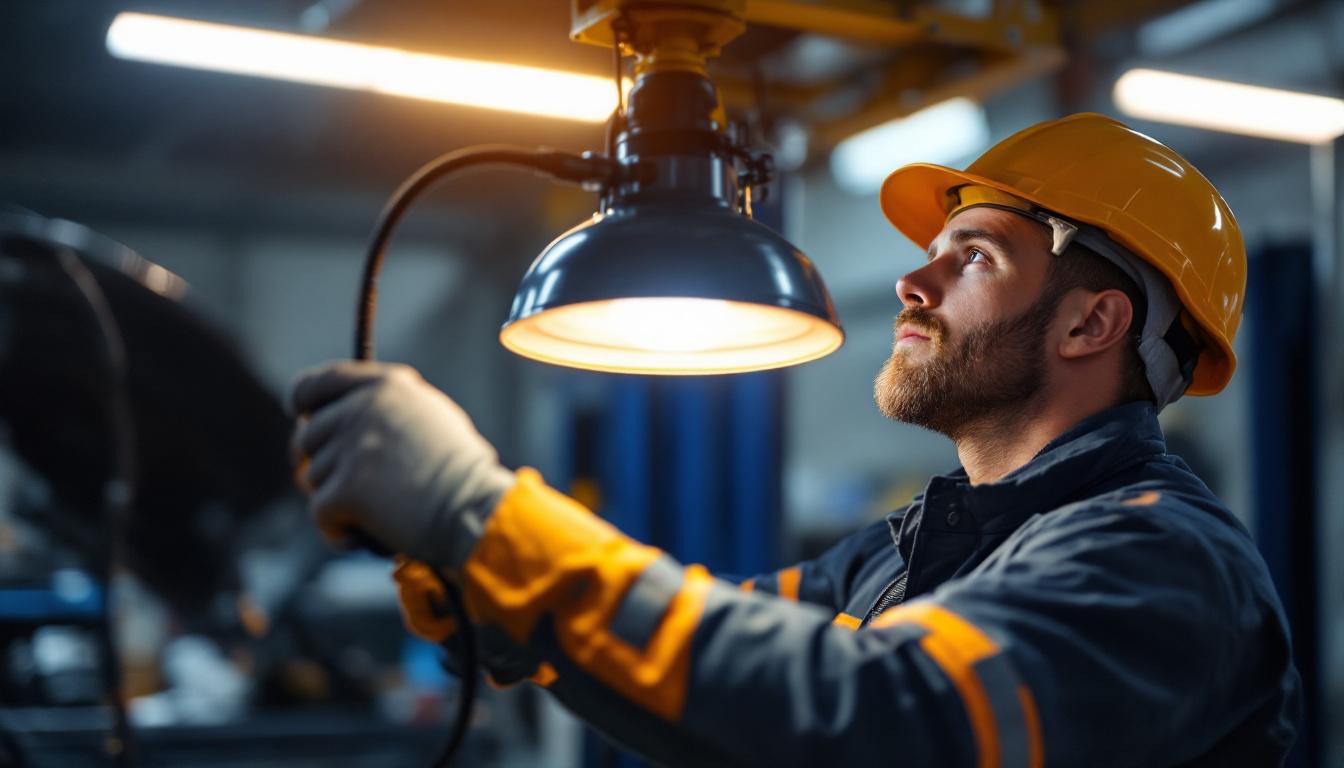
Heat lamps are an essential tool in automotive body shops, used primarily to accelerate drying times for paint, fillers, and adhesives. These lamps emit infrared radiation that penetrates surfaces, speeding up curing processes that would otherwise take hours or even days. For lighting contractors working in or with body shops, understanding the specific requirements and challenges of installing and maintaining heat lamps is crucial.
Unlike standard lighting fixtures, heat lamps operate under intense thermal conditions and demand careful consideration regarding placement, power supply, and safety measures. The wrong installation can lead to uneven heating, equipment failure, or even fire hazards. For contractors, mastering the nuances of heat lamp systems means delivering reliable, efficient, and safe solutions that meet the rigorous demands of body shop environments.
Additionally, the use of heat lamps can significantly improve the quality of the finish on automotive surfaces. By ensuring that the paint and coatings cure evenly, body shops can minimize the risk of defects such as runs, sags, or orange peel textures that can occur with improper drying. This not only enhances the aesthetic appeal of the vehicle but also contributes to the longevity of the paint job, making it a worthwhile investment for both body shops and their customers. Furthermore, the ability to control the temperature and drying time allows technicians to work more efficiently, enabling quicker turnaround times for repairs and refinishing projects.
Moreover, advancements in heat lamp technology have led to the development of more energy-efficient and versatile models. Many modern heat lamps come equipped with adjustable settings that allow users to customize the intensity and duration of heat application based on the specific materials being used. This adaptability not only conserves energy but also reduces operational costs for body shops. As the industry continues to evolve, staying informed about the latest innovations in heat lamp technology can provide contractors with a competitive edge, ensuring they can meet the diverse needs of their clients while maintaining high standards of safety and performance.
Do: Prioritize Proper Placement for Optimal Performance
One of the most critical factors in heat lamp effectiveness is where and how they are installed. Heat lamps must be positioned to ensure even coverage over the surfaces being treated. Uneven heat distribution can cause paint to cure improperly, leading to defects such as blistering or peeling.
When installing heat lamps, contractors should follow manufacturer guidelines meticulously, paying close attention to recommended distances from surfaces. Typically, heat lamps are mounted at a height that balances sufficient heat intensity without risking damage to the vehicle or surrounding equipment. Adjustable mounting brackets can be a valuable feature, allowing technicians to fine-tune lamp positions as needed.
Additionally, consider the layout of the body shop. Heat lamps should not obstruct workflow or create hazards in high-traffic areas. Wiring and mounting hardware must be secured to prevent accidental dislodging or contact with flammable materials.
Moreover, it’s essential to take into account the specific requirements of the materials being worked on. Different paints and finishes may have varying optimal curing temperatures and times, which can influence how heat lamps should be utilized. For instance, some high-performance paints may require a more controlled heating environment, necessitating the use of infrared heat lamps that provide a gentler, more penetrating heat. Understanding these nuances can significantly enhance the quality of the final finish and reduce the likelihood of rework.
Furthermore, regular maintenance and inspection of heat lamp equipment are vital for ensuring consistent performance. Dust and debris can accumulate on the lamps, diminishing their effectiveness and potentially causing uneven heating. Establishing a routine cleaning schedule and checking for any signs of wear or malfunction can help maintain optimal operation. This proactive approach not only extends the lifespan of the equipment but also ensures that every vehicle receives the best possible treatment, ultimately leading to higher customer satisfaction and fewer returns for touch-ups.
Don’t: Overlook Electrical Load and Wiring Requirements
Heat lamps draw significant electrical power, often requiring dedicated circuits to avoid overloading existing systems. One common mistake contractors make is underestimating the electrical load, resulting in tripped breakers or voltage drops that reduce lamp efficiency.
Before installation, conduct a thorough assessment of the shop’s electrical infrastructure. Confirm that the wiring gauge, circuit breakers, and outlets can handle the cumulative load of all heat lamps in use. Using undersized wiring or shared circuits can cause overheating and pose fire risks.
Ground fault circuit interrupters (GFCIs) are recommended to protect against electrical faults, especially in environments where moisture or solvents are present. Proper grounding and adherence to local electrical codes are non-negotiable for safety and compliance.
In addition to assessing the existing electrical setup, it’s crucial to consider the overall layout of the heat lamps in relation to their intended use. For instance, if the lamps are being installed in a workspace where equipment is frequently moved or adjusted, ensuring that the wiring is flexible and adequately protected from physical damage is essential. This might involve using conduit or protective covers that can withstand the rigors of a busy environment, thus preventing accidental disconnections or short circuits.
Furthermore, it’s advisable to consult with a licensed electrician who can provide insights into the specific requirements for your setup. They can help determine the best types of heat lamps for your needs, taking into account factors such as energy efficiency and heat output. This professional guidance can also aid in planning for future expansions or modifications, ensuring that your electrical system remains robust and capable of supporting additional equipment without compromising safety or functionality.
Do: Use Heat-Resistant Fixtures and Materials
Body shops expose heat lamps to harsh conditions, including high temperatures, dust, and chemical vapors. Using fixtures and components designed to withstand these factors extends the lifespan of the installation and reduces maintenance costs.
Choose heat lamps with housings made from materials like aluminum or stainless steel, which dissipate heat effectively and resist corrosion. Glass covers should be tempered or borosilicate to tolerate thermal stress without cracking.
Additionally, wiring insulation and mounting hardware should be rated for high temperatures. Silicone-coated wires and ceramic sockets are common choices that maintain integrity under prolonged heat exposure.
Don’t: Neglect Safety Protocols and Fire Prevention
Heat lamps generate intense infrared radiation and surface temperatures that can exceed several hundred degrees Fahrenheit. Without proper safety measures, they become a significant fire hazard.
Never install heat lamps near flammable materials such as solvents, rags, or paper products. Maintain clearances as specified by manufacturers, and ensure that all combustible items are stored safely away from heat sources.
Regular inspection and maintenance are vital. Look for signs of wear, damaged wiring, or loose connections that could spark fires. Installing smoke detectors and heat sensors in the vicinity of heat lamps adds an extra layer of protection.
Do: Collaborate Closely with Body Shop Technicians
Successful heat lamp installations depend on understanding the workflow and specific needs of body shop professionals. Lighting contractors should engage with technicians to determine the best setup for their processes.
Discuss factors such as the types of materials used, typical drying times, and areas of the shop that require more or less heat. This collaboration helps tailor the lighting system for maximum efficiency and usability.
Training shop staff on the proper use and adjustment of heat lamps can prevent misuse and extend equipment life. Providing clear documentation and support ensures that everyone is on the same page regarding safety and operational best practices.
Don’t: Ignore Ventilation and Heat Dissipation Needs
Heat lamps add substantial thermal load to the body shop environment. Without adequate ventilation, heat can accumulate, creating uncomfortable and potentially unsafe working conditions.
Ensure that the installation plan includes provisions for air circulation to dissipate excess heat. This might involve integrating exhaust fans, vents, or air conditioning systems capable of maintaining a stable temperature.
Failing to address ventilation can also affect the curing process, as some materials require specific temperature and humidity ranges to dry correctly. Poor air quality can also impact worker health and productivity.
Do: Plan for Maintenance and Accessibility
Heat lamps require regular maintenance to function safely and efficiently. Lighting contractors should design installations with easy access for cleaning, bulb replacement, and inspection.
Dust and debris accumulation on lamp surfaces reduce infrared output and can cause overheating. Routine cleaning schedules should be established, with clear instructions on how to safely perform maintenance tasks.
Consider modular designs that allow individual lamps or components to be serviced without disrupting the entire system. This reduces downtime and keeps the body shop running smoothly.
Don’t: Use Incompatible or Low-Quality Components
Cutting corners by using cheap or incompatible parts can lead to premature failures and safety issues. Heat lamps are specialized equipment, and their components must meet specific performance and durability standards.
Always source lamps, bulbs, sockets, and wiring from reputable manufacturers with proven track records in industrial or automotive applications. Verify that all components comply with relevant certifications and standards.
Substandard materials not only risk operational problems but can also void warranties and complicate insurance claims in the event of accidents.
Final Thoughts for Lighting Contractors
Installing heat lamps in body shops is a task that demands technical knowledge, attention to detail, and a commitment to safety. Contractors who follow best practices-from proper placement and electrical planning to ongoing maintenance and collaboration with shop personnel-deliver solutions that enhance productivity and protect assets.
Remember, heat lamps are more than just lighting fixtures; they are critical tools that influence the quality of automotive repairs. Approaching each project with thorough planning and respect for the unique environment of body shops will set contractors apart as trusted experts in this specialized field.
Upgrade Your Body Shop with LumenWholesale
Ready to enhance your body shop’s productivity and safety with the best heat lamps on the market? Look no further than LumenWholesale, where we provide contractors with the highest quality, spec-grade lighting products at unbeatable wholesale prices. Say goodbye to local distributor markups and hello to superior lighting solutions that meet the most rigorous industry standards. Plus, with free shipping on bulk orders, you’ll enjoy premium lighting at the best value — all without hidden fees or compromises. Elevate your body shop’s lighting today and experience the perfect blend of quality, affordability, and convenience. Visit LumenWholesale for Wholesale Lighting at the Best Value.