Overlooking Client Lifestyle and Space Functionality
One of the most common pitfalls lighting contractors face is designing a lighting system without fully understanding the homeowner’s daily routines and how each room is used. Residential lighting isn’t just about illumination; it’s about creating an environment tailored to the occupants’ needs.
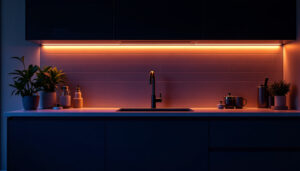
For example, a kitchen used primarily for cooking and entertaining requires layered lighting—ambient, task, and accent—to accommodate various activities. Neglecting to differentiate these needs can result in a one-dimensional lighting setup that either overwhelms or underwhelms the space. A well-designed kitchen might feature bright task lighting over the countertops for food preparation, softer ambient lighting for family gatherings, and accent lighting to showcase decorative elements, such as a beautiful backsplash or artwork.
Contractors should engage clients in detailed conversations about how they use each room. Are there hobbies that require focused lighting? Do family members work or study from home? These insights help in selecting fixtures and controls that enhance comfort and functionality. For instance, a home office may benefit from adjustable lighting solutions that can be tailored to suit different tasks, whether it’s reading, writing, or video conferencing. Understanding these nuances allows contractors to create a lighting plan that seamlessly integrates into the homeowner’s lifestyle.
Balancing Aesthetics with Practicality
Clients often prioritize style, pushing for trendy fixtures or dramatic effects. While aesthetics are important, sacrificing practicality can lead to dissatisfaction. A beautiful chandelier might look stunning but cast shadows or fail to provide adequate illumination for daily tasks. It’s essential to consider the scale of the space as well; a grand fixture in a small room can overwhelm the area, while a minimalist design in a large space may feel lost.
Lighting contractors must educate clients on the importance of balance. Combining form with function ensures the lighting system not only looks good but also serves its purpose effectively. Offering mock-ups or lighting simulations can help clients visualize the impact before installation. Furthermore, discussing energy efficiency and maintenance can also play a crucial role in the decision-making process. Clients may appreciate the long-term benefits of LED fixtures that not only reduce energy costs but also require less frequent replacement, marrying practicality with aesthetic appeal.
Ignoring Energy Efficiency and Future-Proofing
Energy consumption is a significant concern for homeowners. Installing outdated or inefficient lighting can lead to higher utility bills and frequent maintenance, damaging the contractor’s reputation. Furthermore, as energy costs continue to rise, the importance of energy-efficient solutions becomes even more pronounced. Homeowners are increasingly aware of their carbon footprint and are seeking ways to reduce their environmental impact, making energy efficiency not just a financial concern but a moral one as well.
LED technology has become the industry standard due to its longevity and low energy use. Yet, some contractors still default to less efficient options or fail to optimize fixture placement and control systems to maximize savings. This oversight can result in a significant loss of potential energy savings and can hinder the overall effectiveness of a lighting design. By embracing advanced technologies, such as tunable white lighting that adjusts color temperature based on the time of day, contractors can enhance both the aesthetic and functional aspects of a space while ensuring energy efficiency.
Incorporating Smart Controls Wisely
Smart lighting controls—dimmers, motion sensors, and programmable systems—offer convenience and energy savings. However, improperly configured or overly complex systems can confuse homeowners and lead to underutilization. A poorly executed smart system can create frustration, with users struggling to remember how to operate their lighting or feeling overwhelmed by too many options. This can ultimately negate the benefits of having smart technology in the first place.
Contractors should recommend intuitive control interfaces tailored to the client’s tech comfort level. Providing clear instructions and demonstrations during handover reduces frustration and increases satisfaction. Additionally, offering ongoing support and resources, such as user-friendly manuals or video tutorials, can empower homeowners to fully utilize their smart systems. By fostering a sense of confidence in their new technology, contractors not only enhance the user experience but also build long-term relationships with their clients, encouraging referrals and repeat business.
Misjudging Lighting Levels and Color Temperature
Choosing the right brightness and color temperature is crucial but often mishandled. Overly bright lights can cause glare and discomfort, while insufficient lighting strains the eyes. Similarly, color temperature affects mood and perceived space size. For instance, a space that is too dim can feel cramped and uninviting, while an overly bright area can create an uncomfortable atmosphere, making it difficult to relax or focus. Understanding the balance between brightness and color temperature is essential in creating spaces that are not only functional but also aesthetically pleasing.
Warm white light (2700K-3000K) creates a cozy atmosphere, ideal for living rooms and bedrooms. It encourages relaxation and social interaction, making it perfect for family gatherings or quiet evenings at home. Cooler temperatures (3500K-4100K) suit kitchens and bathrooms where clarity is essential, enhancing visibility for tasks like cooking or grooming. Mixing temperatures without a plan can make spaces feel disjointed, leading to an unsettling experience for occupants. Therefore, it’s important to consider how different areas of a home or office will be used and select lighting that complements those activities.
Using Lighting Layout Tools and Testing
Modern lighting design software allows contractors to simulate lighting effects before installation. Utilizing these tools helps avoid guesswork and ensures the final result meets expectations. These programs can provide insights into how light interacts with different surfaces, materials, and colors, allowing designers to visualize the end result and make informed decisions. By experimenting with various configurations, designers can optimize the layout to enhance both functionality and aesthetics.
Additionally, conducting on-site tests with temporary fixtures or adjustable bulbs can provide valuable feedback. This hands-on approach allows for real-time adjustments based on the unique characteristics of the space, such as wall colors and furniture placement. Adjustments made before finalizing the system save time and prevent costly rework. Furthermore, involving clients in the testing process can lead to more satisfactory outcomes, as they can directly experience how different lighting options affect the ambiance and functionality of their space. This collaborative approach not only fosters a sense of ownership but also ensures that the final design aligns closely with their vision and needs.
Neglecting Proper Fixture Placement and Wiring
Even the best fixtures can fail to deliver if placed incorrectly. Lighting contractors sometimes underestimate the importance of fixture location in relation to room layout, furniture, and architectural features. The strategic placement of lighting fixtures not only enhances the aesthetic appeal of a space but also significantly impacts functionality. For example, in a kitchen, under-cabinet lighting can illuminate countertops effectively, making food preparation safer and more enjoyable. Conversely, a poorly positioned pendant light might create glare or shadows, making tasks cumbersome and frustrating.
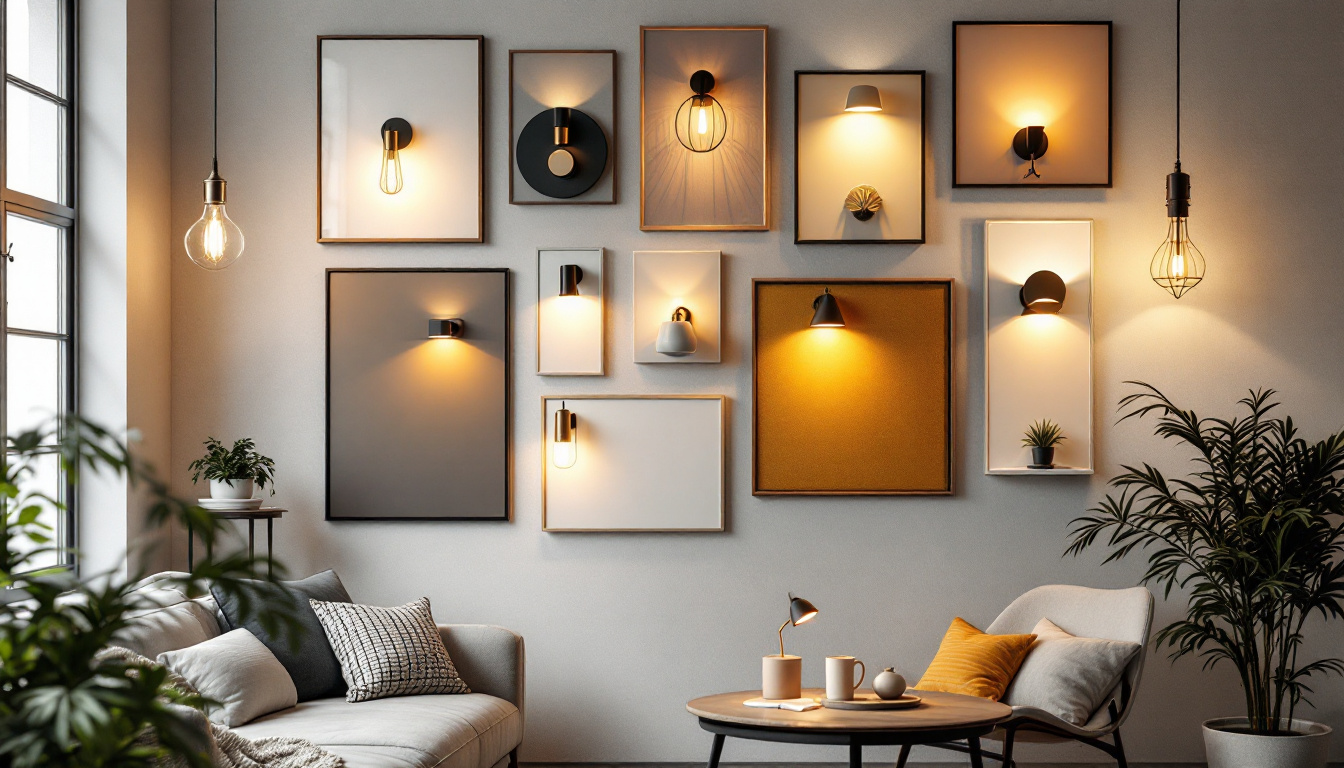
For instance, recessed lights too close together create uneven lighting with hotspots, while fixtures placed behind obstacles cast unwanted shadows. Planning fixture spacing and aiming is essential. Additionally, the height at which fixtures are installed can alter the mood of a room. A low-hanging chandelier can create an intimate atmosphere in a dining area, while wall sconces placed at eye level can highlight artwork or architectural details, drawing attention to the unique features of a space.
Ensuring Compliance and Safety
Wiring errors or non-compliance with electrical codes can lead to hazards or inspection failures. Contractors must stay updated on local regulations and best practices. This includes understanding the latest advancements in energy efficiency and sustainable practices, which not only comply with codes but also contribute to long-term savings for homeowners. For instance, using LED fixtures and smart lighting controls can significantly reduce energy consumption while providing flexibility in how spaces are illuminated.
Using quality materials, double-checking connections, and documenting installations protect both the contractor and the homeowner. Safety should never be compromised for speed or cost savings. Furthermore, thorough documentation can serve as a valuable resource for future maintenance or renovations, ensuring that any upgrades or repairs can be performed with a clear understanding of the existing electrical layout. Regular safety inspections and adherence to best practices not only safeguard the property but also enhance the reputation of the contractor, fostering trust and reliability in their services.
Failing to Communicate and Educate Homeowners
Once installation is complete, many contractors move on without ensuring the homeowner understands how to use the system effectively. This oversight can result in frustration, misuse, or premature system failure.
Taking time to explain control operation, maintenance tips, and troubleshooting builds trust and reduces service calls. Providing written guides or video tutorials adds value and enhances the client relationship.
Offering Post-Installation Support
Lighting needs evolve as families grow or lifestyles change. Offering follow-up consultations or upgrade options positions contractors as long-term partners rather than one-time vendors.
Encouraging feedback and addressing concerns promptly can lead to referrals and repeat business, which are vital for sustained success.
Conclusion: Building Better Residential Lighting Systems
Residential lighting design is a nuanced craft that demands attention to detail, client collaboration, and technical expertise. Avoiding common mistakes-such as neglecting client needs, ignoring energy efficiency, misjudging lighting levels, improper fixture placement, and poor communication-sets contractors apart in a competitive market.
By prioritizing tailored solutions, embracing technology thoughtfully, and fostering strong client relationships, lighting contractors can deliver systems that delight homeowners and stand the test of time.
Illuminate Your Projects with LumenWholesale
Ready to elevate your lighting installations with products that blend quality, efficiency, and value? At LumenWholesale, we provide lighting contractors like you with spec-grade lighting solutions at unbeatable wholesale prices. Our extensive selection is designed to meet the highest industry standards, ensuring every residential lighting system you create is a testament to your expertise and commitment to excellence. Plus, with free shipping on bulk orders, you can stock up on premium lighting without the worry of hidden fees. Don’t compromise on quality or cost—choose LumenWholesale for your next project and experience the best in lighting convenience and affordability. Visit us now at Wholesale Lighting at the Best Value and start building better residential lighting systems today.