Understanding Flat Ceiling Lighting Basics
Flat ceilings are among the most common architectural features in residential and commercial buildings. Their smooth, even surface offers a straightforward canvas for lighting installations, but it also presents unique challenges. Lighting contractors must grasp the nuances of flat ceiling lighting to deliver both functional and aesthetically pleasing results.
When dealing with flat ceilings, the primary goal is to achieve uniform illumination without creating harsh shadows or glare. This requires careful selection of fixtures, strategic placement, and an understanding of the ceiling’s material and structure. Unlike vaulted or textured ceilings, flat ceilings don’t offer natural angles to bounce light, so the lighting design must compensate accordingly.
Types of Lighting Suitable for Flat Ceilings
Recessed lighting is a popular choice for flat ceilings, providing a clean, modern look without protruding fixtures. LED downlights and can lights are energy-efficient options that can be spaced evenly to ensure consistent brightness across the room.
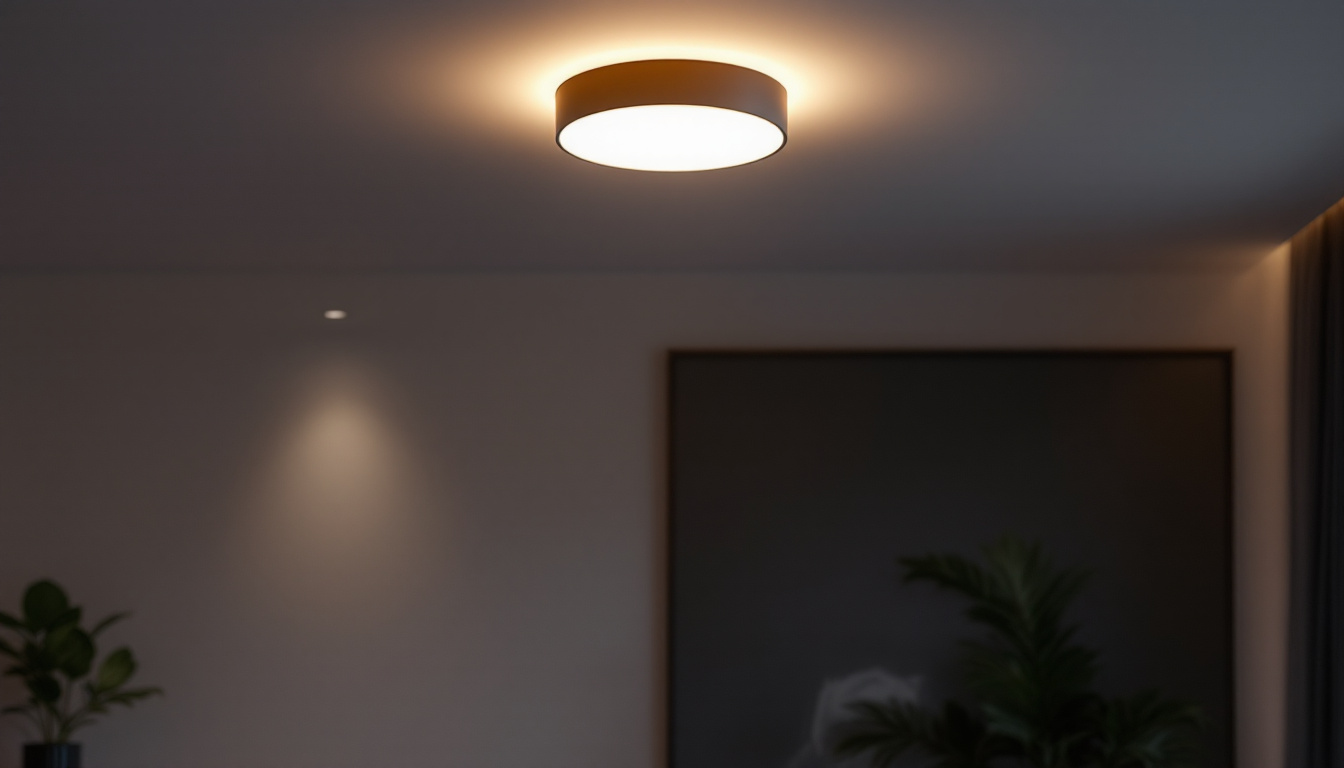
Surface-mounted fixtures also work well, especially in spaces where recessed lighting isn’t feasible due to ceiling depth or wiring constraints. These fixtures come in various styles, from minimalist flush mounts to decorative designs that add character to the space. The choice of surface-mounted lighting can significantly influence the room’s ambiance, as styles range from sleek and modern to vintage and ornate, allowing for personalization in design.
Track lighting offers flexibility, allowing contractors to adjust light direction as needed. This is particularly useful in commercial settings where the lighting requirements may change over time. Additionally, track lighting can be equipped with different types of bulbs, such as spotlights or floodlights, enabling users to create focused lighting for artwork or merchandise displays, enhancing the overall aesthetic and functionality of the area.
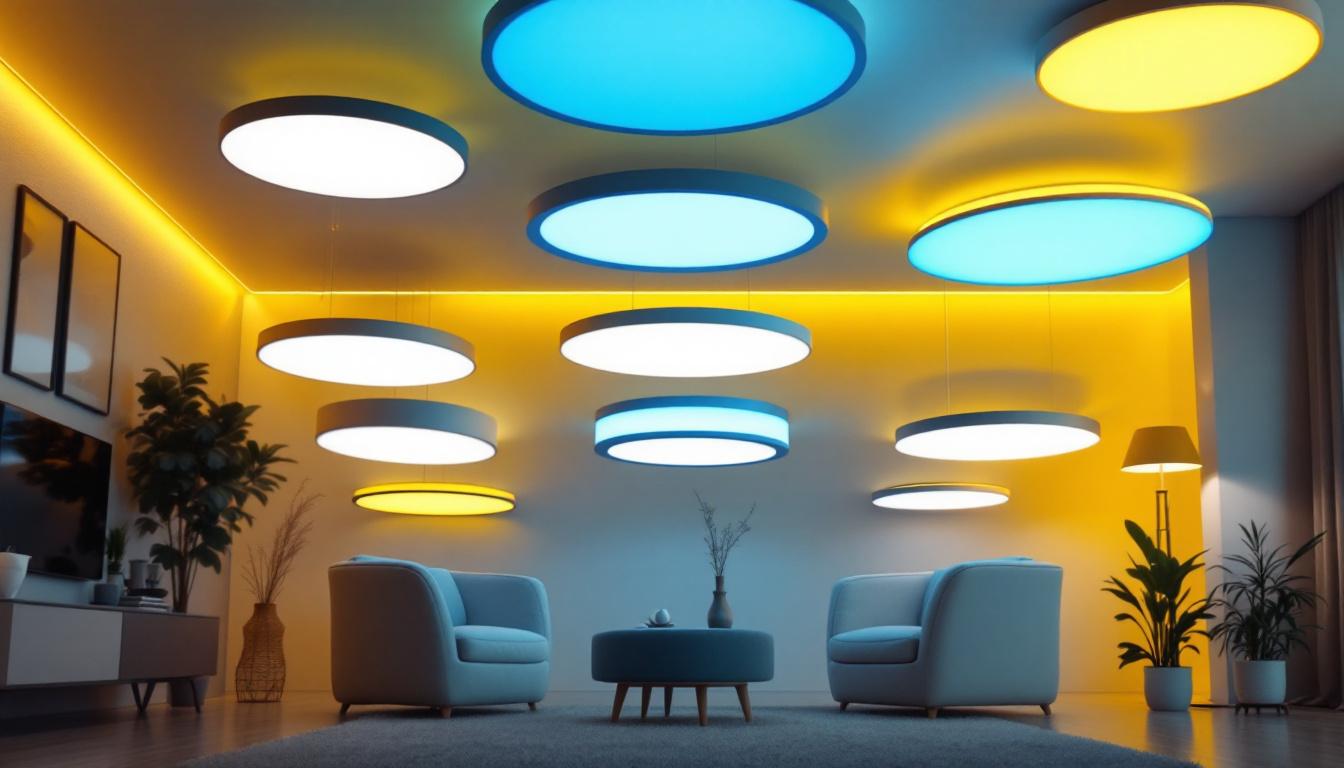
Another option worth considering is pendant lighting, which can add a touch of elegance and style to flat ceilings. These fixtures hang from the ceiling and can serve as statement pieces in dining areas or kitchens. When selecting pendant lights, it’s essential to consider the height of the ceiling and the scale of the fixture to ensure that it complements the space without overwhelming it. Moreover, the use of dimmable pendant lights can provide versatility, allowing for adjustments in brightness to suit different moods or activities.
Key Considerations for Lighting Contractors
Assessing Ceiling Material and Structure
Before installation, it’s crucial to evaluate the ceiling’s composition. Drywall, plaster, or acoustic tiles each have different implications for fixture mounting and wiring. For instance, drywall ceilings often require additional support for heavier fixtures, while acoustic tiles may limit fixture options due to their fragility. Understanding the specific characteristics of each material can aid in selecting the right fixtures that not only fit aesthetically but also ensure longevity and safety.
Understanding the ceiling’s joist layout is equally important. Joists dictate where fixtures can be securely mounted and where wiring can safely run. Contractors should use stud finders or blueprints to map out these structural elements before drilling or cutting. Additionally, awareness of any potential obstacles, such as plumbing or HVAC ducts that may be hidden within the ceiling, is essential. This foresight can prevent costly mistakes and delays during the installation process, ensuring that the project progresses smoothly and efficiently.
Ensuring Proper Electrical Planning
Flat ceiling lighting installations demand meticulous electrical planning. This includes calculating load requirements, selecting appropriate wiring gauges, and ensuring compliance with local electrical codes. Lighting contractors must coordinate with electricians when necessary to guarantee safety and functionality. Furthermore, understanding the total wattage of all fixtures involved is critical to avoid overloading circuits, which can lead to flickering lights or, worse, electrical fires.
Incorporating dimmer switches or smart lighting controls can enhance the user experience. These options require additional wiring considerations, such as neutral wire availability, which must be addressed during the planning phase. Moreover, the integration of smart home technology not only allows for customizable lighting scenarios but also promotes energy efficiency. Contractors should stay updated on the latest smart lighting solutions, as these innovations can significantly improve the overall functionality and appeal of a space, making it more attractive to clients looking for modern conveniences.
Design Strategies for Optimal Lighting Performance
Balancing Ambient, Task, and Accent Lighting
Effective lighting design on flat ceilings involves layering different types of light. Ambient lighting provides overall illumination, task lighting focuses on specific activities, and accent lighting highlights architectural features or decor.
For example, a kitchen might combine recessed ambient lights with under-cabinet task lighting and pendant accent lights over an island. Contractors should collaborate with clients to understand the space’s primary functions and tailor the lighting accordingly. Additionally, the color temperature of the lights plays a crucial role in setting the mood; warmer tones can create a cozy atmosphere, while cooler tones may enhance focus and alertness in workspaces. Incorporating dimmable options can also provide flexibility, allowing users to adjust the brightness based on the time of day or specific activities, further enhancing the functionality of the space.
Spacing and Placement Techniques
Proper spacing of fixtures is vital to avoid dark spots or overly bright areas. A common rule of thumb is to space recessed lights at intervals equal to half the ceiling height. For an 8-foot ceiling, this means placing lights about 4 feet apart.
However, this guideline can vary depending on fixture type, beam angle, and room function. Lighting contractors should perform on-site assessments and use lighting design software when possible to simulate outcomes before installation. Moreover, considering the layout of furniture and the flow of movement within the room can further refine placement strategies. For instance, in a living room, placing lights to accentuate seating areas can create inviting nooks, while strategically positioning fixtures to illuminate walkways can enhance safety and comfort. This thoughtful approach not only improves the aesthetic appeal but also ensures that the lighting serves its intended purpose effectively.
Energy Efficiency and Sustainability
Choosing the Right Light Sources
LED technology has revolutionized flat ceiling lighting. LEDs consume significantly less energy than incandescent or fluorescent bulbs and offer longer lifespans. This reduces maintenance costs and environmental impact, which is increasingly important to clients. In fact, the energy savings from switching to LED can be substantial; studies show that they can reduce energy consumption by up to 80% compared to traditional lighting solutions. This not only translates to lower utility bills but also contributes to a smaller carbon footprint, making it a win-win for both businesses and the environment.
Contractors should specify fixtures with high Color Rendering Index (CRI) values to ensure colors appear natural under artificial light. This is especially critical in retail or hospitality environments where ambiance influences customer experience. A higher CRI means that colors will be rendered more accurately, which can enhance product displays and create inviting atmospheres. Furthermore, understanding the nuances of color temperature—ranging from warm to cool light—can also play a pivotal role in setting the desired mood. For example, warmer tones are often preferred in restaurants to create a cozy and intimate setting, while cooler tones might be more suitable for modern retail spaces aiming for a sleek and energetic vibe.
Incorporating Smart Lighting Solutions
Smart lighting systems allow for automated control based on occupancy, daylight availability, or user preferences. Integrating these systems into flat ceiling lighting can enhance energy savings and user convenience. For instance, motion sensors can automatically turn lights off in unoccupied areas, while daylight sensors can adjust the brightness of indoor lighting based on the amount of natural light available. This not only conserves energy but also ensures that spaces are always adequately lit according to the needs of the occupants.
Lighting contractors need to be familiar with the latest smart technologies, including wireless controls and compatibility with building management systems. Proper installation and programming are key to maximizing these benefits. Additionally, educating clients on how to leverage these smart systems can lead to even greater energy efficiency. For example, users can set schedules for their lighting to align with their daily routines, or utilize mobile apps to control lighting remotely. This level of customization not only enhances user experience but also encourages more sustainable habits, as users become more aware of their energy consumption patterns and can adjust them accordingly.
Common Challenges and Troubleshooting Tips
Dealing with Heat Dissipation
Flat ceilings, especially those with limited cavity space, can pose heat dissipation challenges for certain fixtures. Overheating not only shortens bulb life but can also damage ceiling materials.
Contractors should select fixtures with adequate heat sinks and ensure proper ventilation. LED fixtures generally produce less heat, making them preferable for tight ceiling spaces.
Preventing Glare and Uneven Lighting
Glare can cause discomfort and reduce the effectiveness of lighting. Using fixtures with diffusers or adjustable trims can help control light distribution and soften harsh beams.
Uneven lighting often results from incorrect fixture spacing or beam angles. Conducting thorough pre-installation measurements and post-installation adjustments can mitigate these issues.
Final Thoughts for Lighting Contractors
Mastering flat ceiling lighting requires a blend of technical knowledge, design sensibility, and practical experience. Contractors who invest time in understanding the ceiling structure, electrical requirements, and client needs will deliver superior lighting solutions.
Staying updated with advancements in lighting technology and energy efficiency standards ensures that installations remain relevant and valuable. Ultimately, the goal is to create well-lit environments that enhance comfort, productivity, and aesthetics.
Illuminate Your Projects with LumenWholesale
Ready to elevate your flat ceiling lighting projects with the finest selection of spec-grade fixtures? Look no further than LumenWholesale, where we provide lighting contractors with exceptional quality and value. Our extensive range of lighting solutions meets the most rigorous industry standards, ensuring that every installation shines with reliability and performance. Plus, with unbeatable wholesale prices and the convenience of free shipping on bulk orders, you can confidently light up any space without breaking the bank. Discover wholesale lighting at the best value today and make your next project a beacon of comfort, productivity, and style.