Understanding the Role of Recessed Stage Lighting
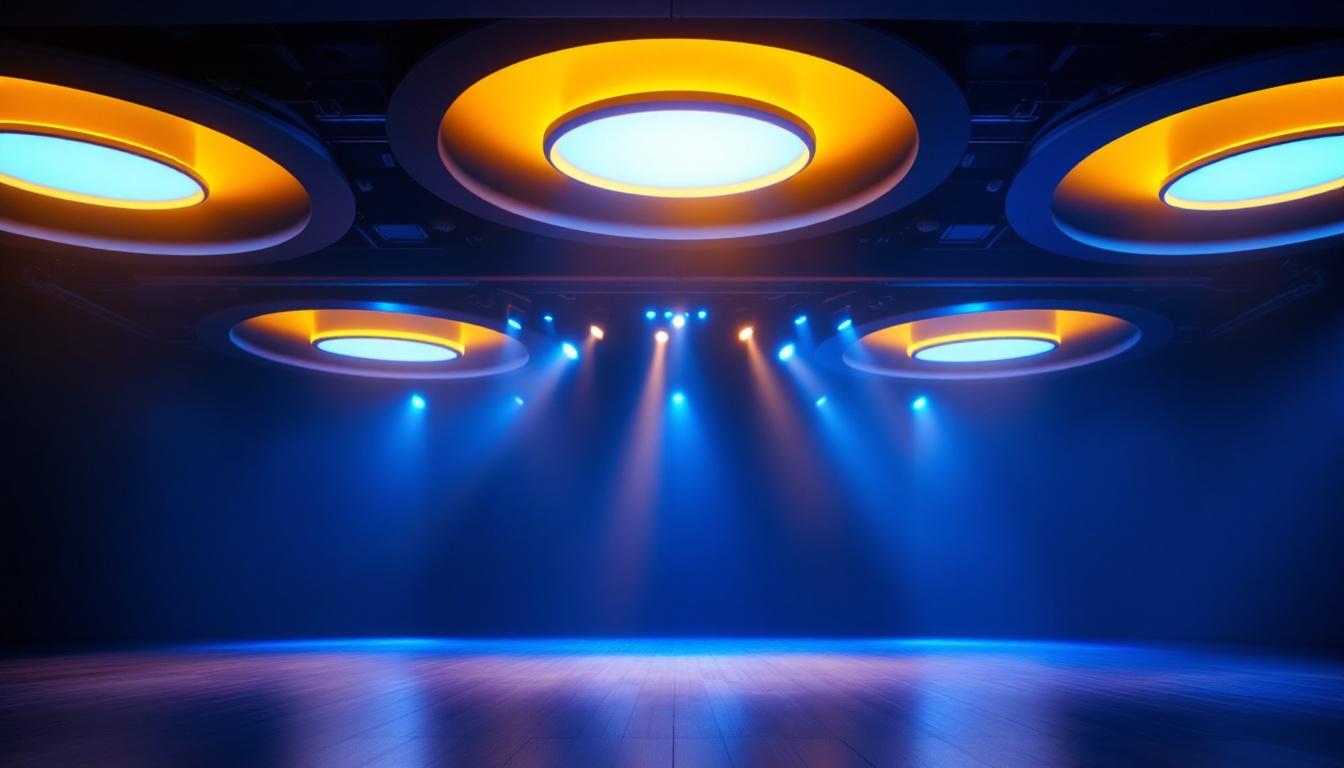
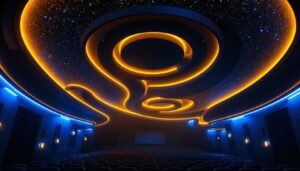
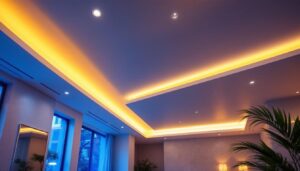
Recessed stage lighting plays a crucial role in shaping the visual experience of any performance. Unlike traditional fixtures that protrude from the ceiling or truss, recessed lights are installed flush with the surface, offering a clean, unobtrusive aesthetic. This design not only enhances the overall look of the venue but also minimizes distractions, allowing the audience to focus solely on the performance. The subtle integration of these lights can create an immersive atmosphere, drawing the audience deeper into the narrative being presented on stage.
For lighting contractors, recessed fixtures provide a unique set of challenges and opportunities. Their discreet nature demands precision during installation and careful planning to ensure optimal light distribution. Additionally, recessed lighting can be integrated seamlessly into architectural elements, making it a favorite choice for theaters, auditoriums, and multi-purpose venues. The versatility of recessed lighting allows for various configurations, enabling lighting designers to craft dynamic lighting schemes that can adapt to different performances, from dramatic plays to vibrant dance recitals.
Why Choose Recessed Lighting for Stages?
One of the primary advantages of recessed stage lighting is its ability to create a smooth, even wash of light without visible hardware cluttering the ceiling or walls. This is particularly beneficial in venues where aesthetics are paramount. Moreover, recessed fixtures reduce the risk of accidental damage during setup or performances, as they are less exposed than hanging or mounted lights. Their low-profile design also allows for more creative staging options, as performers can move freely without the worry of hitting overhead fixtures.
Energy efficiency is another consideration. Many recessed fixtures now come equipped with LED technology, which consumes less power and produces less heat compared to traditional incandescent or halogen lamps. This not only reduces operational costs but also contributes to a safer environment for performers and crew. Furthermore, the longevity of LED lights means less frequent replacements, which can significantly decrease maintenance efforts and costs over time. The adaptability of recessed lighting systems also allows for the incorporation of smart technology, enabling lighting designers to control and modify lighting scenes with ease, enhancing the overall production quality.
Key Types of Recessed Stage Lighting Fixtures
Understanding the variety of recessed lighting options is essential for contractors aiming to deliver tailored solutions. Each type serves specific functions and suits different stage designs and lighting requirements.
Recessed Ellipsoidal Reflector Spotlights (ERS)
ERS fixtures, often known as Lekos, are prized for their ability to produce sharp, focused beams with adjustable edges. When recessed, they provide precise control over light shaping without the bulk of traditional mounts. This makes them ideal for highlighting performers or specific stage areas. Their versatility allows them to be used for both key lighting and special effects, making them a favorite among lighting designers.
Installation requires careful alignment to ensure the beam hits the intended spot. Additionally, accessibility for maintenance must be factored into the design, as recessed placement can complicate bulb or lens changes. The use of framing shutters can enhance the versatility of ERS fixtures, allowing designers to create intricate shapes and patterns with the light, further enriching the visual narrative of a performance.
Recessed Fresnel Fixtures
Fresnel lights offer a softer, more diffused light, perfect for washes and blending. When recessed, they maintain their characteristic wide beam spread but do so without interrupting the ceiling line. These fixtures are often used to create ambient lighting or to fill in shadows created by more focused instruments. The adjustable lens allows for a range of beam widths, making them suitable for various applications from subtle background lighting to more pronounced effects during key moments in a show.
Moreover, the ability to control the intensity and spread of the light makes Fresnel fixtures a staple in theatrical productions, where mood and atmosphere are paramount. Their historical significance in stage lighting cannot be overlooked, as they have been a go-to choice for decades, evolving alongside technology while retaining their essential characteristics.
Recessed LED Wash Lights
Modern LED wash fixtures have revolutionized recessed stage lighting. Their compact size and low heat output make them perfect for flush mounting. They also offer color-changing capabilities and dimming options, providing dynamic lighting effects without the need for external gels or filters. This adaptability allows for seamless transitions between scenes, enhancing the storytelling aspect of performances.
Contractors should note the importance of proper heat dissipation and ventilation, even with LEDs, to ensure longevity and performance. Additionally, the integration of smart technology in LED fixtures enables remote control and programming, allowing for intricate light shows that can be synchronized with sound and action on stage. This level of sophistication not only elevates the production quality but also opens up new creative avenues for lighting designers, making recessed LED wash lights an essential component of modern stagecraft.
Installation Best Practices for Lighting Contractors
Installing recessed stage lighting demands meticulous planning and execution. The goal is to achieve optimal light coverage while maintaining the integrity of the architectural design.
Planning and Layout
Before installation, conduct a thorough assessment of the stage dimensions, ceiling height, and intended lighting effects. Use lighting design software to simulate fixture placement and beam angles. This step helps identify potential shadows or hotspots and allows for adjustments before physical installation.
Coordinate with architects and stage designers to ensure that fixture locations align with structural elements and do not interfere with HVAC systems, sprinklers, or other ceiling-mounted equipment. Additionally, consider the type of performances that will take place on stage. Different events, such as concerts, theater productions, or dance recitals, may require varying lighting setups to enhance the visual experience. Engaging with the production team early in the planning process can provide valuable insights into specific lighting needs and preferences.
Mounting and Wiring Considerations
Recessed fixtures require precise cutouts in ceiling panels or plaster. Use templates provided by manufacturers to ensure accurate sizing. Secure mounting brackets firmly to prevent vibration or movement during performances.
Wiring should comply with local electrical codes and be routed to minimize exposure and interference. Incorporate accessible junction boxes or service panels to facilitate maintenance and troubleshooting. Furthermore, consider implementing a color-coded wiring system to simplify future repairs and modifications. This practice not only enhances safety but also streamlines the process for technicians who may need to work on the system later. Additionally, ensure that all wiring is adequately insulated and protected from potential damage, especially in high-traffic areas or where equipment may be moved frequently.
Heat Management and Ventilation
Even with energy-efficient LEDs, heat buildup can occur in recessed fixtures. Incorporate ventilation grills or heat sinks as recommended by manufacturers. Proper airflow prevents premature fixture failure and maintains a safe environment.
In addition to standard heat management practices, consider the overall thermal dynamics of the venue. The combination of stage lighting and other electronic equipment can significantly raise ambient temperatures, potentially affecting both performance and equipment longevity. Implementing a comprehensive thermal management strategy, which may include additional cooling systems or strategically placed fans, can enhance the effectiveness of your lighting setup. Regularly monitor temperature levels during rehearsals and performances to ensure that all equipment operates within safe temperature ranges, thereby safeguarding both the technical gear and the performers on stage.
Maintenance and Troubleshooting Tips
Regular maintenance ensures that recessed stage lighting performs reliably and looks professional throughout its lifespan.
Routine Inspections
Schedule periodic checks to clean lenses, inspect wiring, and verify fixture alignment. Dust and debris can significantly reduce light output and quality. Use soft, non-abrasive materials to clean lenses and housings.
Addressing Common Issues
Flickering or dimming lights often indicate electrical problems or failing components. Check connections and replace bulbs or LEDs as needed. For color-changing fixtures, verify that control signals are properly transmitted from the lighting console.
In cases of overheating, review ventilation and consider adding supplemental cooling solutions.
Integrating Recessed Lighting with Modern Control Systems
Today’s stage lighting relies heavily on sophisticated control consoles and protocols like DMX and Art-Net. Recessed fixtures, especially LEDs, are fully compatible with these systems, allowing for intricate programming and real-time adjustments.
DMX Addressing and Grouping
Assign unique DMX addresses to each fixture to enable independent control. Group fixtures logically based on their location or function to simplify programming. Label fixtures clearly to avoid confusion during setup and operation.
Remote Monitoring and Diagnostics
Some advanced recessed fixtures offer built-in sensors and feedback mechanisms. These features allow lighting technicians to monitor fixture status remotely, receive alerts about failures, and perform diagnostics without physical access.
Case Studies: Successful Recessed Lighting Installations
Examining real-world examples can provide valuable insights into best practices and innovative solutions.
Theater Renovation Project
A mid-sized performing arts center underwent a lighting upgrade, replacing bulky hanging fixtures with recessed LED washes and ellipsoidals. The result was a sleek ceiling design that improved sightlines and reduced maintenance downtime. The contractor coordinated closely with architects to integrate ventilation and access panels discreetly.
Multi-Purpose Venue Adaptation
A community center designed for concerts, lectures, and theater performances installed a flexible recessed lighting system. Using programmable LED fixtures, the lighting team could quickly adapt the ambiance to suit various events. The contractor emphasized modular wiring and easy fixture replacement to accommodate future upgrades.
Final Thoughts for Lighting Contractors
Recessed stage lighting offers a blend of aesthetic appeal, functional versatility, and energy efficiency. For contractors, mastering the nuances of installation, maintenance, and integration with control systems is key to delivering exceptional results.
Attention to detail during planning and execution ensures that recessed fixtures not only illuminate the stage effectively but also enhance the venue’s architectural integrity. Staying informed about the latest technologies and manufacturer recommendations will keep your installations ahead of the curve.
Illuminate Your Projects with LumenWholesale
Ready to elevate your lighting installations with the unbeatable combination of quality and value? Look no further than LumenWholesale for all your recessed stage lighting needs. We provide spec-grade lighting products that meet the highest industry standards, ensuring your projects shine with reliability and performance. With our direct-to-contractor pricing and free shipping on bulk orders, you can trust that you’re getting the best value without any hidden fees. Enhance your stage lighting designs today and experience the best in wholesale lighting at the best value with LumenWholesale.