Lighting is an essential aspect of any architectural design, and it plays a crucial role in enhancing the functionality and aesthetics of a space. Among the various areas that require careful consideration, the space under the stairs is often overlooked. However, proper lighting in this area can significantly impact safety, usability, and overall design. This article explores the importance of lights under the stairs for lighting contractors, emphasizing the benefits, design considerations, and installation techniques.
The Importance of Staircase Lighting
Staircases are one of the most frequently used areas in a building, whether residential or commercial. Adequate lighting is vital for ensuring safety and preventing accidents. Poorly lit staircases can lead to trips and falls, making it essential for lighting contractors to prioritize this aspect in their designs.
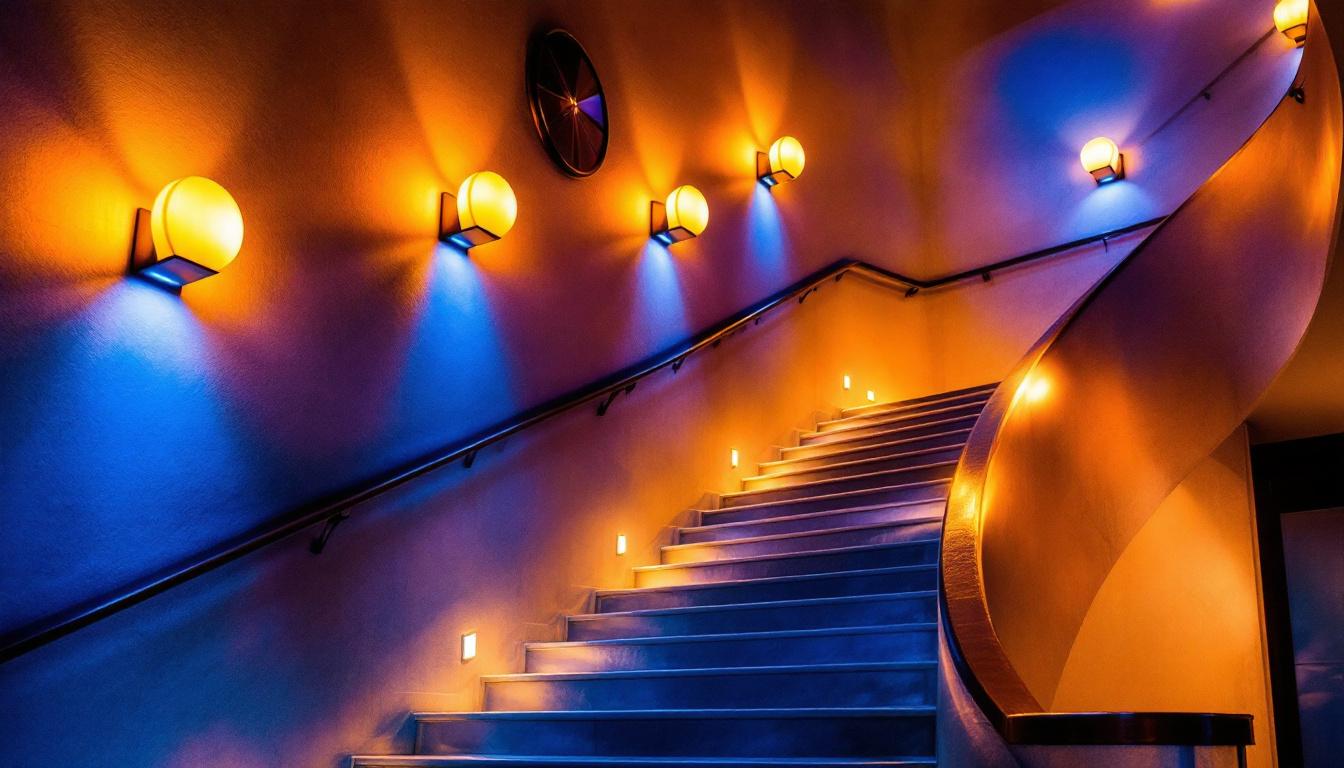
In addition to safety, well-designed lighting can enhance the visual appeal of a staircase. A well-lit staircase can serve as a focal point in a home or building, showcasing architectural features and creating an inviting atmosphere. Lighting contractors must understand how to balance functionality with aesthetics when planning lighting solutions for staircases.
Safety Considerations
One of the primary reasons for installing lights under the stairs is to enhance safety. Poor visibility can lead to accidents, especially in high-traffic areas. By incorporating lights, contractors can illuminate each step, making it easier for individuals to navigate the space safely.
Moreover, using motion-sensor lighting can further improve safety. These lights activate when someone approaches the stairs, providing immediate illumination. This feature is particularly useful in homes with children or elderly residents who may require additional support while navigating stairs.
In addition to motion sensors, incorporating ambient lighting can create a more welcoming environment. Soft, diffused light can help reduce the stark contrasts between light and dark areas, making it easier for individuals to perceive the depth and height of each step. This is especially important in homes where natural light is limited, ensuring that the staircase remains a safe passage at all times, regardless of the hour.
Design Aesthetics
Beyond safety, lighting under the stairs can contribute significantly to the overall design of a space. Creative lighting solutions can highlight the architectural features of the staircase, drawing attention to its shape and materials. Whether it’s a sleek modern design or a more traditional look, the right lighting can enhance the staircase’s visual appeal.
Contractors can experiment with various lighting styles, such as recessed lights, LED strips, or wall sconces, to create a unique ambiance. The choice of color temperature can also affect the mood of the space, with warmer tones promoting a cozy atmosphere and cooler tones offering a more contemporary feel.
Furthermore, the integration of smart lighting technology can elevate the design experience. Homeowners can control the brightness and color of the lights through their smartphones or voice-activated devices, allowing for customization based on the occasion or time of day. This flexibility not only enhances the aesthetic appeal but also adds a layer of modern convenience, making the staircase a dynamic feature of the home that adapts to the needs of its inhabitants.
Types of Lighting Solutions
When it comes to lighting under the stairs, there are several options available. Each type has its unique benefits and can be tailored to fit the specific needs of the space. Understanding these options can help lighting contractors make informed decisions that align with their clients’ preferences.
Recessed Lighting
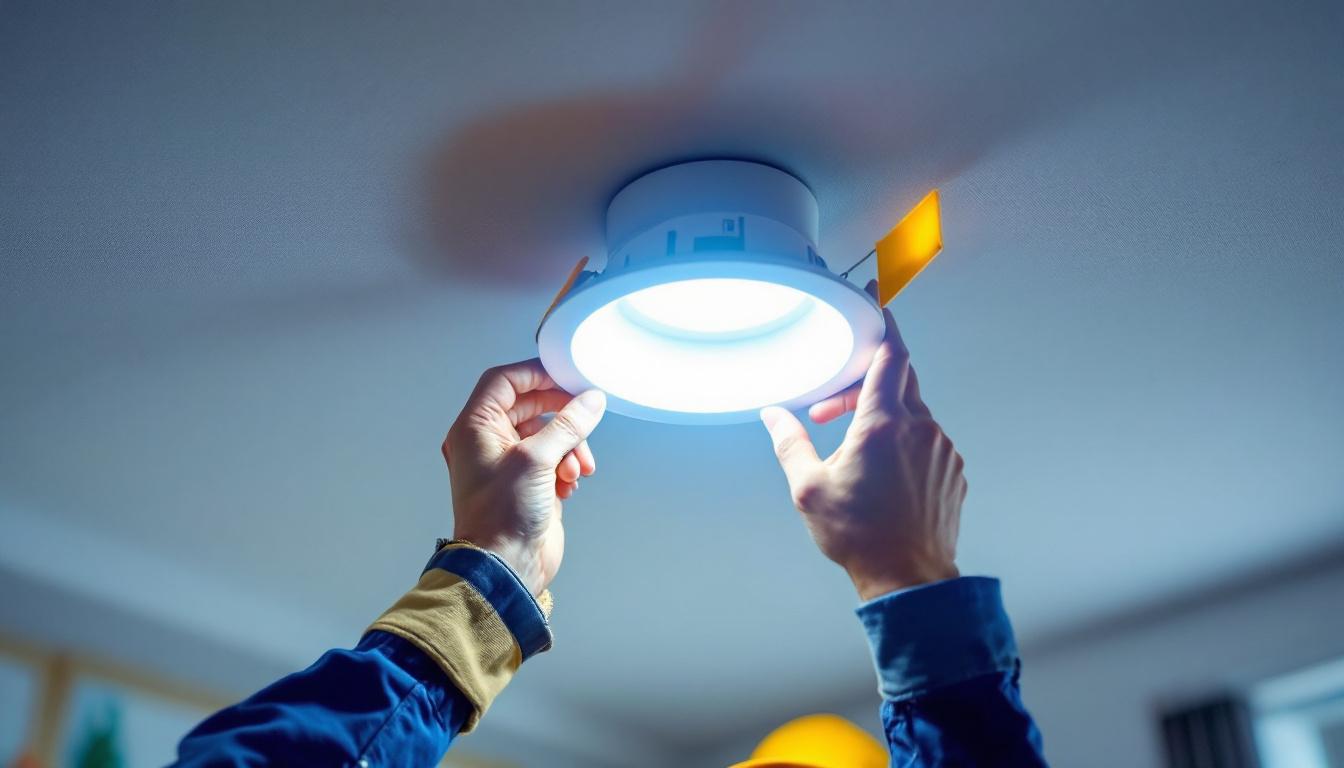
Recessed lighting is a popular choice for illuminating staircases. These fixtures are installed into the ceiling, providing a clean and unobtrusive look. They can be strategically placed to highlight each step, ensuring adequate illumination without overwhelming the space.
One of the advantages of recessed lighting is its versatility. Contractors can choose from various sizes and styles, allowing them to customize the lighting to fit the staircase’s design. Additionally, dimmable options can provide flexibility in adjusting the brightness according to the time of day or occasion. The use of LED bulbs in recessed fixtures can further enhance energy efficiency, reducing electricity costs while providing a longer lifespan compared to traditional incandescent bulbs.
LED Strip Lighting
LED strip lighting has gained popularity in recent years due to its energy efficiency and versatility. These flexible strips can be installed along the edges of stairs or under handrails, providing a continuous line of light that enhances visibility and aesthetics.
Contractors can choose from a range of colors and brightness levels, allowing for creative designs that suit the client’s taste. Furthermore, LED strips are low-profile and can be discreetly hidden, maintaining the staircase’s clean lines while providing effective illumination. Some advanced LED strip options even come with smart technology, enabling homeowners to control the lighting through mobile apps or voice commands, thus adding a modern touch to the overall functionality of the space.
Wall Sconces
Wall sconces are another excellent option for lighting under the stairs. These fixtures can be mounted on the walls adjacent to the staircase, providing both functional and decorative lighting. Sconces come in various styles, from modern to traditional, allowing contractors to match the lighting to the overall design of the space.
In addition to providing illumination, wall sconces can serve as decorative elements, adding character and charm to the staircase. By selecting fixtures that complement the staircase’s design, contractors can create a cohesive look that enhances the overall aesthetic of the area. Moreover, the placement of sconces can be adjusted to create dramatic shadows and highlights, adding depth to the staircase and making it a focal point in the home. This layering of light not only improves safety but also contributes to a warm and inviting atmosphere, perfect for welcoming guests or enjoying a quiet evening at home.
Installation Techniques
Proper installation is crucial for ensuring that the lighting under the stairs is both effective and safe. Lighting contractors must consider various factors, including wiring, fixture placement, and compliance with building codes. Understanding these techniques can help contractors deliver high-quality installations that meet their clients’ needs.
Wiring Considerations
When installing lights under the stairs, proper wiring is essential. Contractors must ensure that the electrical system can handle the additional load from the new fixtures. This may involve upgrading the existing wiring or adding new circuits to accommodate the lights.
Additionally, contractors should consider the placement of switches. Installing switches at both the top and bottom of the stairs can provide convenience and enhance safety. This allows users to turn on the lights before ascending or descending, ensuring visibility at all times.
Fixture Placement
Strategic fixture placement is key to achieving effective lighting under the stairs. Contractors should assess the staircase’s layout and design to determine the best locations for lights. For recessed lighting, spacing should be even to avoid dark spots, while LED strips should be placed to highlight the edges of each step.
For wall sconces, height and spacing are critical factors. Fixtures should be mounted at a height that provides adequate illumination without obstructing movement. Contractors should also consider the design of the staircase and the surrounding decor to ensure that the sconces complement the overall aesthetic.
Compliance with Building Codes
Lighting contractors must be aware of local building codes and regulations when installing lights under the stairs. These codes often dictate specific requirements for electrical installations, including wiring, fixture placement, and safety measures. Compliance with these codes is essential for ensuring the safety and legality of the installation.
Contractors should also consider the recommendations of the National Fire Protection Association (NFPA) and the International Building Code (IBC) when planning lighting solutions. Adhering to these guidelines can help prevent potential hazards and ensure that the lighting installation meets safety standards.
Energy Efficiency and Sustainability
In today’s environmentally conscious world, energy efficiency and sustainability are more important than ever. Lighting contractors have a responsibility to consider the environmental impact of their installations, and choosing energy-efficient lighting solutions is a crucial step in this direction.
Choosing Energy-Efficient Fixtures
When selecting lighting fixtures for under the stairs, contractors should prioritize energy-efficient options. LED lights, for example, consume significantly less energy than traditional incandescent bulbs and have a longer lifespan. This not only reduces energy costs for clients but also minimizes the environmental impact of the installation.
Additionally, many modern LED fixtures come with smart technology options, allowing users to control the lighting remotely or set schedules. This level of control can further enhance energy efficiency by ensuring that lights are only on when needed.
Incorporating Natural Light
Whenever possible, contractors should also consider ways to incorporate natural light into the staircase design. Skylights, large windows, or open designs can help illuminate the space during the day, reducing the need for artificial lighting. This approach not only saves energy but also creates a more inviting atmosphere.
By blending natural and artificial lighting, contractors can create a harmonious environment that enhances the staircase’s design while promoting sustainability.
Conclusion
In conclusion, lighting under the stairs is a critical aspect that lighting contractors must prioritize. From enhancing safety to improving aesthetics, the benefits of proper lighting in this area are manifold. By understanding the various lighting solutions available, employing effective installation techniques, and considering energy efficiency, contractors can deliver exceptional results for their clients.
As the demand for innovative and functional lighting solutions continues to grow, the importance of lights under the stairs will only increase. Lighting contractors who embrace this challenge will not only enhance their skill set but also contribute to creating safer and more beautiful spaces for their clients.
Illuminate Your Projects with LumenWholesale
Ready to elevate your lighting projects with the perfect under-stair solutions? At LumenWholesale, we provide lighting contractors with the highest quality, spec-grade lighting products at competitive wholesale prices. Say goodbye to local distributor markups and hello to our extensive selection that meets rigorous industry standards. With free shipping on bulk orders, you can trust that you’re getting premium lighting at the best value — no hidden fees, no compromises. Enhance the safety and beauty of your staircases while enjoying the convenience and affordability of LumenWholesale. Wholesale Lighting at the Best Value is just a click away.