Understanding the Role of Heat in LED Performance
LED lighting has transformed the way spaces are illuminated, offering remarkable energy savings and longevity compared to traditional lighting technologies. However, one critical factor often overlooked is the heat generated by LED fixtures. While LEDs are more efficient than incandescent or fluorescent bulbs, they still produce heat that must be managed effectively to maintain performance and lifespan.
Heat buildup inside an LED fixture can cause a drop in luminous efficacy and accelerate the degradation of the LED chip. This means the light output diminishes over time, and the fixture may fail prematurely. For lighting contractors, understanding how heat impacts LED systems is essential when specifying and installing lighting solutions that meet client expectations for both efficiency and durability.
Why Heat Management Matters
Managing heat in LED systems is not just about preventing failure; it directly influences energy efficiency. When LEDs operate at higher temperatures, they consume more power to maintain brightness, negating some of the energy savings they are known for. This inefficiency can lead to higher operating costs and increased environmental impact over the fixture’s lifetime.
Effective heat dissipation ensures that LEDs run cooler, maintaining optimal light output and reducing energy consumption. This is where the concept of the “LED cooler” or thermal management system becomes crucial. These systems often incorporate heat sinks, fans, or advanced materials designed to draw heat away from the LED chip, allowing it to operate within its ideal temperature range. The design and material choice for these heat management solutions can significantly affect the overall performance and reliability of the LED fixture.
Moreover, the integration of smart technology in modern LED systems further enhances heat management. Smart sensors can monitor temperature levels in real-time, adjusting the output or activating cooling mechanisms as needed. This proactive approach not only extends the lifespan of the LEDs but also optimizes energy usage, making the lighting system more responsive to environmental changes. As the demand for sustainable and efficient lighting solutions grows, understanding and implementing effective heat management strategies will be paramount for manufacturers and installers alike.
What is an LED Cooler?
An LED cooler is a component or system designed to dissipate heat away from the LED chips and associated electronics. Commonly, these coolers take the form of heat sinks, fans, or advanced materials engineered to absorb and radiate heat efficiently. Effective thermal management is crucial because excessive heat can shorten the lifespan of LEDs, reduce their efficiency, and lead to color shifting, which can affect the quality of light output.
For lighting contractors, selecting fixtures with well-designed LED coolers can be a game-changer. It impacts not only the fixture’s energy consumption but also its installation environment, maintenance requirements, and overall client satisfaction. A well-cooled LED fixture can operate at optimal performance levels, ensuring that clients enjoy consistent lighting quality while also benefiting from lower energy bills due to improved efficiency.
Types of LED Cooling Solutions
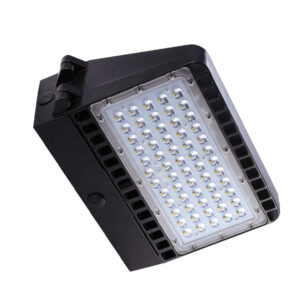
Passive cooling methods, such as heat sinks made from aluminum or copper, are widely used in LED fixtures. These materials have high thermal conductivity, allowing heat to spread quickly from the LED source to the surrounding environment. The design of the heat sink—its surface area, fin shape, and orientation—plays a significant role in how effectively it cools the LED. For instance, a heat sink with a larger surface area will facilitate better heat dissipation, while strategically placed fins can enhance airflow around the fixture, further improving thermal management.
Active cooling involves components like fans or liquid cooling systems that actively move heat away from the LED. While more complex and costly, these systems are often necessary for high-power LED applications where passive cooling alone is insufficient. Active cooling solutions can be particularly beneficial in environments with high ambient temperatures or in applications where the LEDs are run at high output levels for extended periods. Additionally, some advanced active cooling systems utilize thermoelectric coolers, which can provide precise temperature control and further enhance the performance and longevity of LED fixtures.
Energy Efficiency Gains from Effective LED Cooling
Proper thermal management directly translates into energy efficiency improvements. LEDs that operate within their optimal temperature range maintain higher luminous efficacy, meaning more light output per watt consumed.
Studies have shown that for every 10°C increase in junction temperature, LED efficiency can drop by up to 10%. This loss means that poorly cooled LEDs require more energy to produce the same amount of light, undermining one of their primary advantages.
Real-World Impact on Energy Bills and Carbon Footprint
Consider a commercial building outfitted with LED fixtures that incorporate advanced cooling technology. These fixtures maintain optimal operating temperatures, ensuring consistent brightness and lower power consumption. Over time, the energy savings can be substantial, reducing electricity bills significantly.
From an environmental perspective, improved energy efficiency means fewer greenhouse gas emissions associated with electricity generation. For contractors working on sustainability-focused projects, specifying LED fixtures with superior cooling systems aligns with green building standards and client goals.
Moreover, the longevity of LED fixtures is also enhanced through effective cooling solutions. LEDs that are kept at optimal temperatures can last significantly longer, often exceeding 25,000 hours of use, compared to their poorly cooled counterparts which may fail prematurely. This extended lifespan not only reduces the frequency of replacements but also minimizes waste, contributing to a more sustainable lifecycle for lighting products. Additionally, the reduced need for maintenance and replacement can lead to lower operational costs for businesses, allowing them to allocate resources to other critical areas of operation.
Furthermore, the integration of smart technology with LED cooling systems can amplify these benefits. Smart sensors can monitor temperature and adjust cooling mechanisms in real-time, ensuring that LEDs operate efficiently under varying conditions. This adaptability not only enhances energy savings but also provides valuable data analytics for facility managers, enabling them to make informed decisions about energy usage and further optimize their lighting strategies. As the push for energy-efficient solutions continues to grow, the role of advanced cooling in LED technology will undoubtedly become a focal point in both commercial and residential applications.
Installation Considerations for Lighting Contractors
When installing LED fixtures, contractors must assess the cooling requirements based on the environment and application. Enclosed spaces with limited airflow can exacerbate heat buildup, making LED coolers even more critical. Proper thermal management is essential not only for the longevity of the fixtures but also for maintaining optimal light output. In environments such as warehouses or manufacturing facilities, where ambient temperatures can fluctuate significantly, contractors should consider fixtures designed specifically for high-heat scenarios to ensure consistent performance over time.
Choosing fixtures with appropriate thermal management features can prevent premature failures and reduce maintenance calls. Additionally, understanding the cooling system helps contractors advise clients on optimal placement and ventilation strategies to maximize fixture performance. For instance, utilizing fixtures that incorporate heat sinks or fans can significantly enhance airflow, thereby improving the overall efficiency of the lighting system. Furthermore, educating clients about the importance of maintaining a clean environment around fixtures can also contribute to better cooling and longer lifespans.
Balancing Cost and Efficiency
While fixtures with advanced cooling systems may have a higher upfront cost, the long-term energy savings and reduced maintenance often justify the investment. Lighting contractors should communicate these benefits to clients, emphasizing lifecycle costs rather than just initial expenses. In addition to energy savings, contractors can highlight the reduced frequency of replacements and the lower environmental impact associated with longer-lasting fixtures. This approach not only helps in making a compelling case for the investment but also aligns with the growing trend of sustainability in the construction and renovation sectors.
Moreover, contractors can leverage case studies or testimonials from previous projects to illustrate the effectiveness of investing in quality fixtures. Demonstrating real-world examples of energy savings and maintenance reductions can resonate with clients, making them more receptive to the idea of spending a little more upfront for significant long-term benefits. By fostering a deeper understanding of the relationship between cost, efficiency, and sustainability, contractors can position themselves as trusted advisors in the lighting installation process.
Future Trends in LED Cooling and Energy Efficiency
Innovations in materials science and thermal design continue to push the boundaries of LED cooling technology. Emerging solutions like graphene-based heat spreaders and phase-change materials promise even more efficient heat dissipation in compact form factors.
Additionally, integration with smart controls allows for dynamic adjustment of LED output and cooling mechanisms based on real-time conditions, further optimizing energy use.
Implications for Lighting Contractors
Staying informed about these advancements enables contractors to offer cutting-edge solutions that deliver superior energy efficiency and reliability. As clients increasingly prioritize sustainability and operational savings, expertise in LED cooling systems will become a valuable differentiator in the competitive lighting market.
Conclusion
The impact of LED coolers on energy efficiency is profound. Effective thermal management preserves LED performance, reduces energy consumption, and extends fixture lifespan. For lighting contractors, understanding and specifying appropriate cooling solutions is essential to delivering high-quality, cost-effective lighting installations.
By focusing on heat management, contractors not only enhance the value of their work but also contribute to broader energy conservation efforts. The LED cooler is more than just a component-it is a key driver of efficiency and sustainability in modern lighting design.
Illuminate Your Projects with LumenWholesale
Ready to enhance your lighting installations with the most efficient LED cooling solutions? At LumenWholesale, we provide lighting contractors with the highest quality, specification-grade lighting products at prices that can’t be beaten. Say goodbye to unnecessary markups and hello to a vast selection of reliable, high-performance lighting that meets rigorous industry standards. With the added convenience of free shipping on bulk orders, LumenWholesale is your go-to source for premium lighting that marries quality with affordability. Don’t compromise on your lighting needs—explore our collection now and secure the best value in wholesale lighting.