In the world of lighting design and installation, string lights have become a staple for both residential and commercial applications. Their versatility, aesthetic appeal, and ease of installation make them a popular choice for lighting contractors. However, to maximize their potential and ensure safety and longevity, it is essential to adhere to best practices. This article delves into the best practices for working with lighting strings, specifically tailored for lighting contractors.
Understanding Lighting Strings
Lighting strings, often referred to as string lights or fairy lights, consist of a series of bulbs connected along a wire. They come in various styles, including incandescent, LED, and solar-powered options. Each type has its unique characteristics, advantages, and limitations.
Types of Lighting Strings
When selecting lighting strings for a project, it is crucial to understand the different types available. Incandescent string lights offer a warm glow and are often used for festive occasions. However, they consume more energy and have a shorter lifespan compared to their LED counterparts.
LED string lights, on the other hand, are energy-efficient, durable, and available in a wide range of colors and designs. They are particularly suitable for long-term installations and outdoor use due to their resistance to weather conditions. Additionally, many LED options come with features such as dimming capabilities and programmable settings, allowing users to customize their lighting experience to suit various moods and occasions.
Applications of String Lights
String lights can enhance a variety of settings, from outdoor patios and gardens to indoor events and commercial spaces. Their adaptability allows them to be used for decorative purposes, functional lighting, or both. For instance, in a residential setting, they can create a cozy atmosphere for gatherings, while in a commercial environment, they can attract customers and enhance the overall ambiance.
Moreover, string lights are not just limited to traditional uses; they can also be creatively incorporated into design elements such as wedding decorations, holiday displays, and even art installations. For example, draping lights across trees or along fences can transform an ordinary backyard into a magical retreat, while using them indoors can add a whimsical touch to bedrooms or living rooms. The versatility of string lights makes them a favorite among event planners and homeowners alike, as they can be easily arranged to fit any theme or style, from rustic charm to modern elegance.
Planning and Design Considerations
Before diving into the installation of lighting strings, careful planning and design are essential. A well-thought-out approach can prevent common pitfalls and ensure the project meets the client’s expectations.
Assessing the Space
The first step in planning is to assess the space where the string lights will be installed. Consider factors such as the size of the area, existing lighting, and the desired mood. For outdoor spaces, take note of any obstacles, such as trees or buildings, that may affect the placement of the lights.
Additionally, evaluate the electrical supply and ensure it can handle the load of the string lights. This assessment will help in determining the type and number of strings required for the project. It’s also wise to consider the time of year and weather conditions, as these can influence both the installation process and the longevity of the lights. For example, if the installation occurs during the rainy season, waterproof options may be necessary to ensure safety and durability.
Designing the Layout
Once the space has been assessed, the next step is designing the layout. Create a visual plan that outlines where the strings will be hung, their height, and the spacing between bulbs. This layout should align with the overall aesthetic vision while ensuring functionality.
Consider incorporating different heights and angles to create visual interest. For instance, draping lights in a zigzag pattern can add depth, while straight lines may provide a more modern look. Always keep in mind the client’s preferences and the intended use of the space. Moreover, think about the interplay of light and shadow; strategically placed lights can highlight architectural features or landscaping elements, enhancing the overall ambiance. Using dimmable lights or smart technology can also allow for flexibility in mood settings, making the space versatile for various occasions, from intimate gatherings to larger celebrations.
Installation Best Practices
With a solid plan in place, the installation process can begin. Adhering to best practices during installation is crucial to ensure the safety and effectiveness of the lighting strings.
Safety First
Safety should always be the top priority when installing string lights. Begin by ensuring that all electrical components are rated for outdoor use if the installation is outside. Check for any damage to the lights, cords, or connectors before installation.
When working with electricity, it’s vital to follow local codes and regulations. Use appropriate tools and personal protective equipment, and consider consulting with an electrician if the project involves complex electrical work.
Proper Hanging Techniques
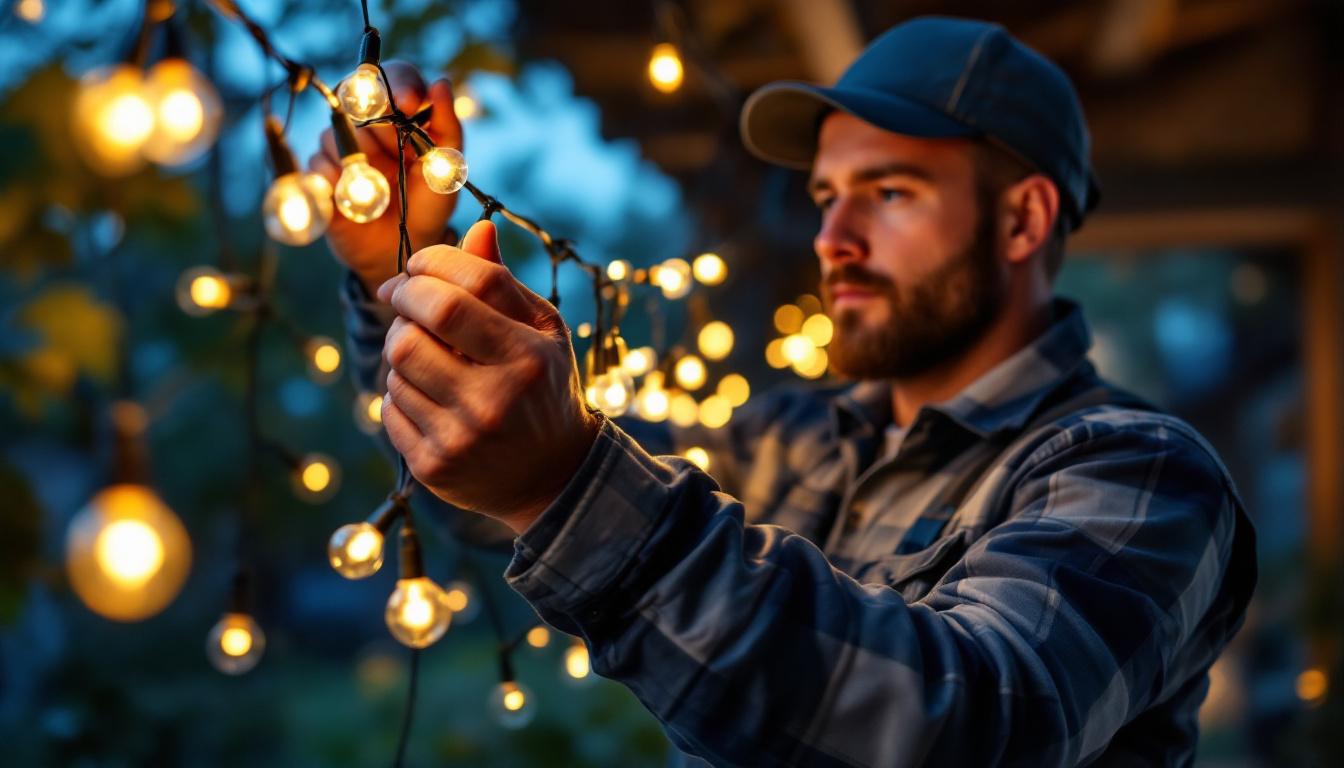
When hanging string lights, use suitable hardware to secure them in place. Avoid using nails or staples that can damage the wires. Instead, opt for hooks or clips designed for hanging lights. This approach not only protects the integrity of the string lights but also allows for easy adjustments if needed.
Pay attention to the tension of the strings. While it’s essential to keep them taut to prevent sagging, excessive tension can lead to damage. A slight droop can create a relaxed, inviting atmosphere while ensuring the lights remain securely in place.
Maintenance and Troubleshooting
Once the string lights are installed, regular maintenance is necessary to ensure they remain in optimal condition. Understanding common issues and how to address them can save time and resources in the long run.
Routine Inspections
Conduct routine inspections of the string lights to check for any signs of wear or damage. Look for frayed wires, burnt-out bulbs, or loose connections. Addressing these issues promptly can prevent more significant problems and extend the lifespan of the lights.
Cleaning the lights periodically is also essential, especially for outdoor installations. Dust, dirt, and debris can accumulate on the bulbs, diminishing their brightness. Use a soft cloth or duster to gently clean the bulbs without damaging them.
Troubleshooting Common Problems
Even with proper installation and maintenance, issues may arise. One common problem is a section of lights not illuminating. This can often be traced back to a faulty bulb or a loose connection. Replacing the faulty bulb or securing the connection usually resolves the issue.
Another common issue is flickering lights, which may indicate a problem with the electrical supply. Check the connections and ensure that the circuit can handle the load of the string lights. If flickering persists, consulting with an electrician may be necessary.
Energy Efficiency and Sustainability
As the demand for sustainable solutions continues to grow, lighting contractors must consider energy efficiency when selecting and installing string lights. LED options are increasingly popular due to their lower energy consumption and longer lifespan.
Choosing Energy-Efficient Options
When selecting string lights, prioritize energy-efficient options. LED string lights consume significantly less energy compared to incandescent lights, making them a more sustainable choice. Additionally, they generate less heat, reducing the risk of fire hazards.
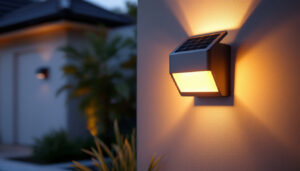
Consider recommending solar-powered string lights for outdoor installations. These lights harness solar energy during the day and illuminate at night, providing an eco-friendly lighting solution that requires no electrical wiring.
Educating Clients on Energy Savings
Educating clients on the benefits of energy-efficient lighting can enhance their overall satisfaction with the project. Highlight the long-term cost savings associated with lower energy bills and reduced maintenance needs. Providing this information can also position the contractor as a knowledgeable and responsible professional in the industry.
Innovative Trends in String Lighting
The lighting industry is constantly evolving, with new trends emerging regularly. Staying informed about these trends can help lighting contractors offer fresh and innovative solutions to their clients.
Smart String Lights
One of the most exciting trends in string lighting is the rise of smart technology. Smart string lights can be controlled via smartphone apps, allowing users to adjust brightness, color, and even set schedules. This feature adds convenience and personalization to the lighting experience.
Integrating smart lighting into residential or commercial projects can be a selling point for clients seeking modern solutions. Contractors should familiarize themselves with various smart lighting products and their compatibility with existing systems.
Creative Customization
Another trend gaining popularity is the customization of string lights. Offering clients the option to choose from various bulb shapes, colors, and lengths can enhance the uniqueness of each installation. Customization not only caters to individual preferences but also allows contractors to showcase their creativity and expertise.
Conclusion
String lights are a versatile and appealing choice for lighting contractors, offering endless possibilities for both residential and commercial applications. By understanding the types of lighting strings, planning effectively, adhering to installation best practices, and staying informed about trends, contractors can deliver exceptional results that meet client expectations.
Incorporating energy-efficient options and educating clients on sustainability further enhances the value of string lights. As the demand for innovative lighting solutions continues to grow, staying ahead of the curve will position lighting contractors as leaders in the industry.
Ultimately, the key to successful string light installations lies in a combination of creativity, technical knowledge, and a commitment to quality. By following these best practices, lighting contractors can create stunning lighting displays that not only illuminate spaces but also enhance the overall atmosphere and experience.
Illuminate Your Projects with LumenWholesale
Ready to elevate your lighting projects with the best in string lights and more? Look no further than LumenWholesale, where we provide contractors with superior, spec-grade lighting solutions at unbeatable wholesale prices. Our extensive selection not only meets but exceeds industry standards, ensuring your installations shine with reliability and high performance. Plus, with free shipping on bulk orders, you can stock up on premium lighting without the worry of hidden fees or compromises. Discover the ideal combination of quality, affordability, and convenience. Visit LumenWholesale today for Wholesale Lighting at the Best Value, and make your next project a brilliant success.