The Shift Toward Automation in Lighting
Automated lighting systems have moved from being a luxury feature to a standard expectation in both commercial and residential projects. For lighting contractors, understanding the nuances of these systems is no longer optional-it’s essential. Clients demand energy efficiency, convenience, and integration with smart home or building management systems. Meeting these demands means mastering a blend of electrical, software, and design skills.
Automation isn’t just about turning lights on and off remotely. It involves sophisticated control over brightness, color temperature, scheduling, occupancy sensing, and even integration with other building systems like HVAC or security. This complexity requires contractors to stay current with technology trends and installation best practices.
Moreover, the rise of the Internet of Things (IoT) has revolutionized how lighting systems operate. With the ability to connect to the internet, automated lighting can now be controlled from anywhere in the world through a smartphone app, allowing users to adjust their home or office lighting settings even when they are away. This level of control not only enhances convenience but also contributes to energy savings by enabling users to turn off lights that may have been left on inadvertently. Additionally, many modern systems can learn user preferences over time, adjusting automatically to create the optimal lighting environment for different activities, whether it’s working, relaxing, or entertaining.
As sustainability becomes a critical focus in both residential and commercial design, automated lighting systems play a vital role in reducing energy consumption. Advanced features such as daylight harvesting—where sensors adjust artificial lighting based on the amount of natural light available—help minimize energy use while maintaining a comfortable atmosphere. Furthermore, the integration of renewable energy sources, like solar panels, with automated lighting systems is becoming increasingly popular. This synergy not only reduces reliance on traditional power sources but also aligns with the growing demand for eco-friendly building practices. As a result, lighting contractors must not only be adept at installing these systems but also knowledgeable about energy regulations and sustainable design principles to meet client expectations effectively.
Core Components of Automated Lighting Systems
Control Interfaces
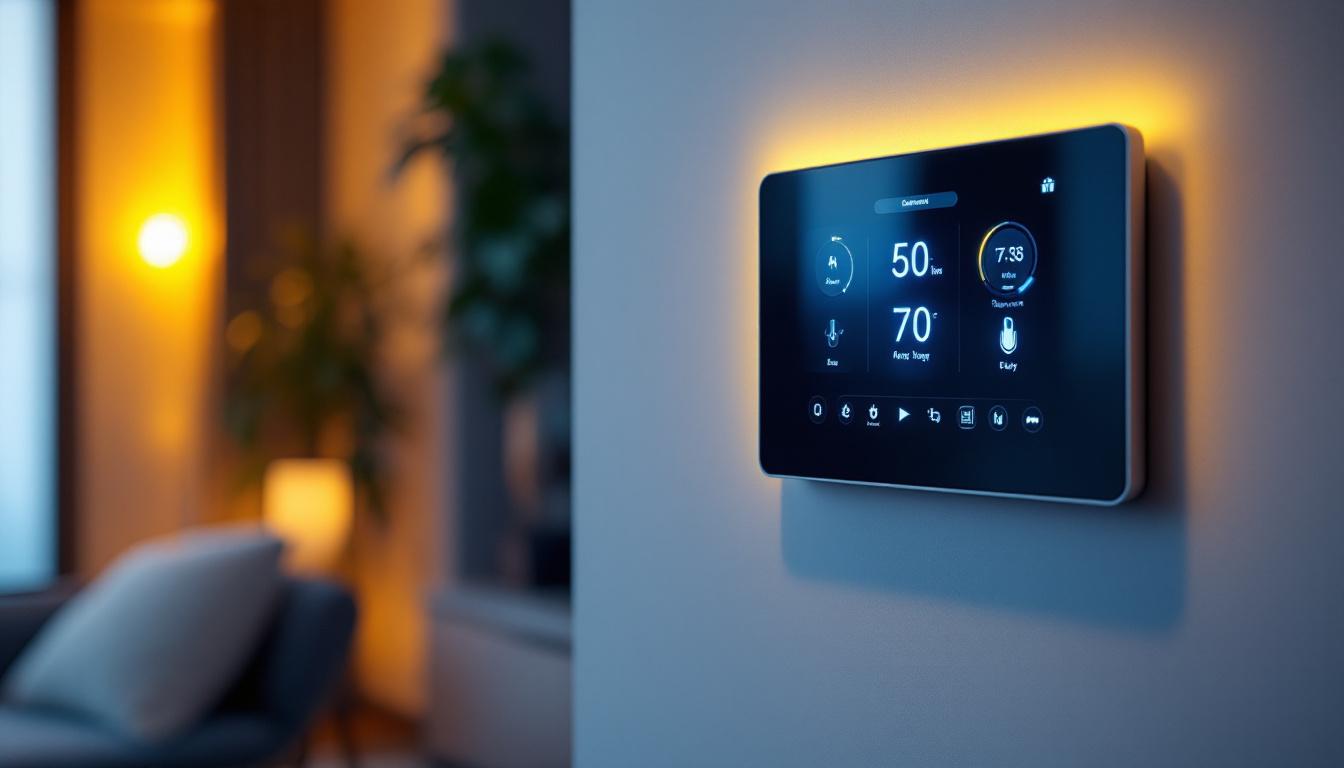
Control interfaces are the user’s gateway to the lighting system. These can range from traditional wall-mounted keypads to smartphone apps and voice control platforms. Contractors need to be comfortable installing and configuring various interfaces, ensuring seamless user experience.
Many modern systems support multiple control methods simultaneously, allowing users to switch between manual, scheduled, or sensor-based control effortlessly. Understanding how to program and troubleshoot these interfaces is crucial for successful installations. Additionally, user-friendly interfaces often incorporate customizable settings, enabling users to create personalized lighting scenes that suit different activities, such as reading, entertaining, or relaxing. This level of customization not only enhances user satisfaction but also promotes energy efficiency by allowing users to optimize their lighting according to their specific needs.
Sensors and Detectors
Occupancy sensors, daylight sensors, and motion detectors are the backbone of automated lighting efficiency. They adjust lighting based on presence or natural light availability, reducing energy consumption without sacrificing comfort.
Choosing the right sensor type and placement is a skill that directly impacts system performance. For example, passive infrared (PIR) sensors are excellent for detecting body heat but may struggle in large open spaces. Ultrasonic sensors cover wider areas but can be triggered by non-human movement. Combining sensor types often yields the best results. Furthermore, advancements in technology have led to the development of smart sensors that can learn user patterns over time, adjusting lighting based on habitual usage. This not only enhances convenience but also contributes to significant energy savings, making it a win-win for both users and the environment.
Lighting Control Protocols
Understanding communication protocols is vital. Systems may use wired protocols like DALI (Digital Addressable Lighting Interface) or KNX, or wireless standards such as Zigbee, Z-Wave, or Bluetooth Mesh. Each protocol has its strengths and limitations in terms of range, scalability, and compatibility.
Contractors must evaluate the project’s scope and client requirements to select the appropriate protocol. For instance, a commercial office building might benefit from a wired DALI system for reliability and centralized control, while a residential installation might lean toward wireless solutions for ease of retrofit. Moreover, as the Internet of Things (IoT) continues to evolve, many lighting systems are now integrating with broader smart home ecosystems, allowing for enhanced interoperability. This means that lighting can be controlled in conjunction with other smart devices, such as thermostats and security systems, creating a more cohesive and efficient home automation experience. Understanding these integrations can significantly enhance the value offered to clients, making the installation process more appealing and future-proof.
Installation Best Practices
Planning and Design
Successful automated lighting installations start with thorough planning. Contractors should collaborate closely with architects, electrical engineers, and clients to understand the space’s functional needs and aesthetic goals. This initial phase is crucial as it sets the tone for the entire project; a well-thought-out design can enhance user experience and energy efficiency. Involving all stakeholders early on can lead to innovative solutions that align with both practical requirements and creative aspirations.
Creating detailed lighting control diagrams and specifying equipment early in the design phase helps avoid costly changes during installation. It’s also important to factor in future scalability—clients may want to expand or modify their systems down the line. By considering potential upgrades or changes during the design phase, contractors can select versatile equipment that can adapt to evolving needs, ensuring longevity and adaptability of the lighting system.
Wiring and Infrastructure
Proper wiring is the foundation of any reliable automated lighting system. Whether using low-voltage control wiring or integrating with building automation networks, adherence to electrical codes and manufacturer guidelines is non-negotiable. The quality of the wiring not only impacts system performance but also affects safety and compliance with regulations. Therefore, investing time in selecting the right materials and methods can prevent future complications.
Labeling cables and documenting wiring layouts can save hours during commissioning and troubleshooting. Additionally, contractors should verify power quality and grounding to prevent interference or equipment damage. Regular inspections of the wiring infrastructure can also help identify potential issues before they escalate, ensuring a smooth operation of the lighting system over time. Furthermore, implementing a structured approach to cable management can enhance the overall aesthetics of the installation, making maintenance easier and more efficient.
Programming and Commissioning
Programming lighting scenes, schedules, and sensor parameters requires both technical knowledge and an understanding of user behavior. Contractors should test each function thoroughly and involve clients in the commissioning process to ensure the system meets their expectations. This collaborative approach not only fosters a sense of ownership for the client but also allows for real-time adjustments based on their feedback, leading to a more tailored solution.
Many control systems offer remote diagnostics and firmware updates, which can simplify ongoing maintenance. Familiarity with these capabilities allows contractors to provide better after-installation support. Additionally, educating clients on how to utilize these features can empower them to manage their systems effectively, ensuring they maximize the benefits of their investment. Providing comprehensive training sessions can also enhance user satisfaction and promote a smoother transition to automated lighting management.
Energy Efficiency and Sustainability Considerations
Automated lighting systems are powerful tools for reducing energy consumption. By automatically adjusting lighting levels based on occupancy and daylight, they minimize waste without compromising comfort. These systems can significantly lower energy bills and reduce the carbon footprint of a building, contributing to a more sustainable environment. Additionally, the integration of sensors and smart technology allows for real-time monitoring and adjustments, ensuring that lighting is only used when necessary, which is particularly beneficial in commercial spaces with fluctuating occupancy rates.
Lighting contractors should be well-versed in energy codes and incentive programs that encourage the adoption of automated controls. Properly installed systems can help clients qualify for rebates and certifications such as LEED or WELL. Understanding these regulations not only aids in compliance but also positions contractors as knowledgeable partners in sustainability initiatives. Furthermore, staying updated on local and federal incentives can provide clients with significant financial savings while promoting environmentally responsible practices.
Incorporating LED technology alongside automation further enhances efficiency. LEDs offer longer lifespans and lower power consumption, making them the ideal partners for smart controls. Their versatility also allows for a wide range of color temperatures and designs, enabling tailored lighting solutions that can enhance the aesthetic appeal of any space. Moreover, the combination of LED technology with automated systems can lead to a synergistic effect, where the overall energy savings are amplified, making it an attractive proposition for both residential and commercial projects. As the demand for energy-efficient solutions continues to rise, the integration of these technologies represents a forward-thinking approach to modern lighting design.
Common Challenges and How to Overcome Them
Compatibility Issues
One of the most frequent hurdles is ensuring compatibility between different devices and protocols. Lighting contractors must verify that all components-fixtures, sensors, controllers, and user interfaces-are designed to work together.
Using manufacturer-approved components and consulting technical support can prevent integration headaches. In some cases, third-party gateways or bridges may be necessary to connect disparate systems.
Client Education
Clients often underestimate the learning curve associated with automated lighting systems. Contractors should provide clear instructions and demonstrations to empower users to take full advantage of their new setup.
Offering follow-up training sessions or creating simple user guides can improve satisfaction and reduce service calls.
System Maintenance
Automated systems require periodic maintenance to maintain performance. Contractors should establish maintenance schedules that include sensor calibration, software updates, and hardware inspections.
Building strong relationships with clients encourages proactive communication about system health and potential upgrades.
The Future of Automated Lighting for Contractors
Advancements in artificial intelligence and machine learning are beginning to influence lighting automation. Systems that learn occupant habits and adjust lighting dynamically are becoming more accessible.
For lighting contractors, staying informed about these trends is key to offering cutting-edge solutions. Integration with other smart building technologies-such as security, HVAC, and energy management-will continue to expand opportunities.
Embracing continuous education and certification programs ensures contractors remain competitive and capable of delivering sophisticated automated lighting solutions.
Get Your Automated Lighting Supplies at LumenWholesale
As you embrace the future of automated lighting, ensure you’re equipped with the best tools for the job. LumenWholesale is here to support lighting contractors like you with spec-grade lighting products at unbeatable wholesale prices. Our commitment to quality and affordability means you can deliver reliable, high-performance lighting solutions to your clients without breaking the bank. Take advantage of our hassle-free bulk buying process with free shipping and no hidden fees. Elevate your lighting projects by choosing Wholesale Lighting at the Best Value with LumenWholesale, where quality meets affordability and convenience.