Understanding the Role of Stairway Sconce Lighting
Stairway lighting isn’t just about illumination; it’s about safety, style, and functionality all rolled into one. For lighting contractors, mastering stairway sconce lighting means balancing these elements to deliver a solution that meets client expectations and building codes alike.
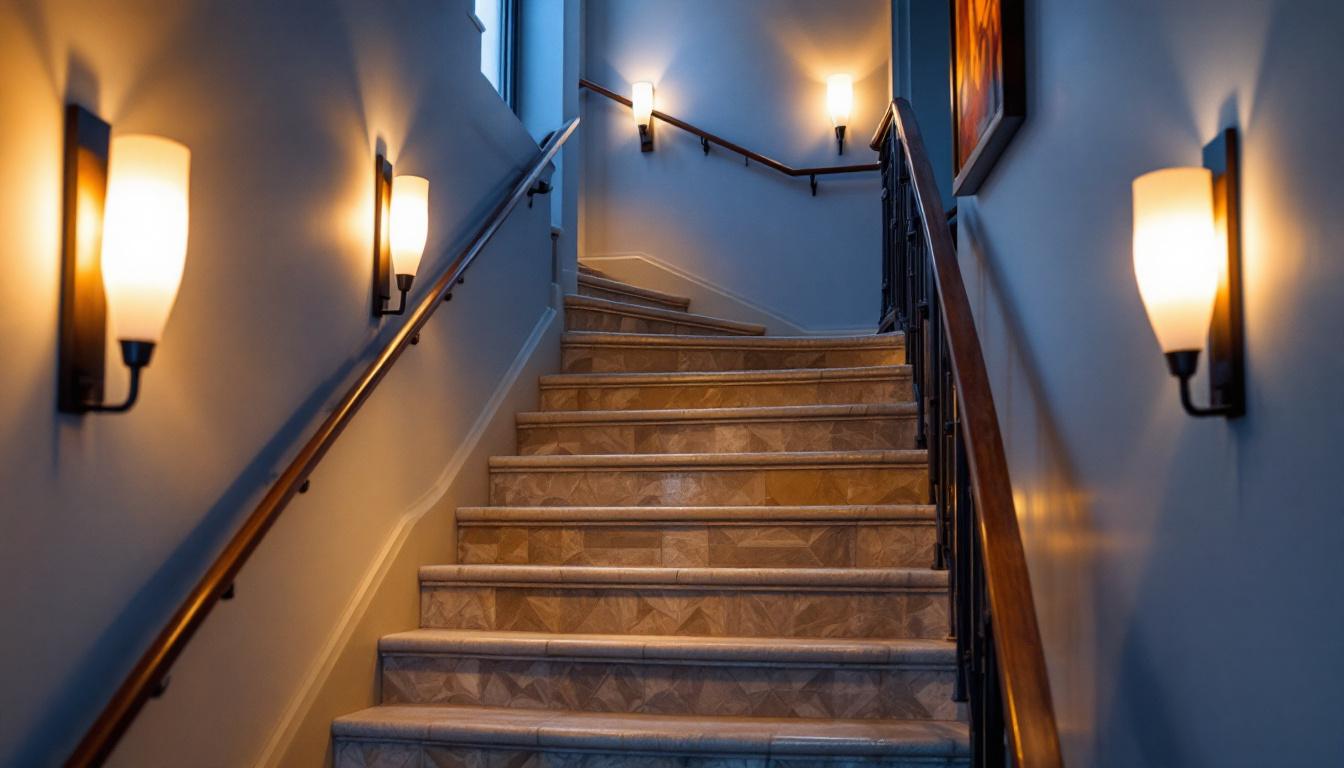
Stairways are high-traffic zones where visibility can prevent accidents. Properly installed sconces provide consistent, glare-free light that guides users safely from one level to another. But beyond safety, sconces also contribute significantly to the overall aesthetic of a space, enhancing architectural features and setting the mood.
Lighting contractors must understand how to select and position sconces to optimize both performance and design. This knowledge ensures installations that are not only code-compliant but also elevate the client’s environment.
In addition to the practical aspects of stairway lighting, the choice of materials and finishes for sconces can dramatically influence the ambiance of the space. For instance, a brushed nickel finish may lend a modern touch, while an antique bronze option can evoke a sense of timeless elegance. Furthermore, the design of the sconces themselves—whether sleek and minimalistic or ornate and decorative—can complement or contrast with the surrounding decor, creating a cohesive look that enhances the overall interior design.
Moreover, the integration of smart lighting technology into stairway sconces is becoming increasingly popular. With the ability to control brightness levels and color temperature through mobile apps or voice commands, homeowners can customize their stairway lighting to suit different occasions, whether it’s a cozy family gathering or a lively party. This adaptability not only improves functionality but also adds a layer of sophistication to the lighting design, making it an essential consideration for contractors aiming to meet the evolving needs of their clients.
Key Considerations When Selecting Stairway Sconces
Light Output and Distribution
One of the first factors to consider is the amount and quality of light a sconce provides. Stairways require even illumination to avoid shadows that can obscure steps. The ideal sconce should cast light both upward and downward, or at least provide sufficient spread to cover the entire stairwell.
Contractors should look for fixtures with appropriate lumen output—generally between 100 to 300 lumens per fixture depending on stairway size and ambient lighting. LED sconces are preferred for their energy efficiency and long lifespan, which reduces maintenance calls. Additionally, the color temperature of the light is crucial; warmer tones (around 2700K to 3000K) create a welcoming atmosphere, while cooler tones (4000K and above) can enhance visibility but may feel harsh in a residential setting. It’s essential to strike a balance that meets both functional and aesthetic needs.
Fixture Placement and Mounting Height
Placement is critical. Sconces should be mounted at a height between 60 to 72 inches from the stair tread, ensuring the light source is above eye level to minimize glare. Spacing depends on the stairway length but typically ranges from 4 to 6 feet apart.
Mounting sconces on the wall opposite the handrail can help distribute light evenly. However, if the stairway is narrow, alternating sides may be necessary. Lighting contractors must assess each site individually to determine the best layout. In addition, considering the width of the staircase is important; wider staircases may benefit from additional sconces to ensure that light reaches all areas effectively. It’s also worth noting that the use of dimmers can enhance flexibility, allowing homeowners to adjust the brightness based on the time of day or occasion, thus enhancing the overall ambiance.
Style and Finish
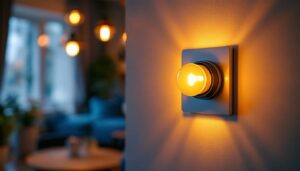
Stairway sconces come in a wide variety of styles—from traditional lantern designs to sleek, modern forms. The choice should complement the architectural style of the building and the client’s interior design preferences.
Finish options like brushed nickel, bronze, or matte black can influence the fixture’s visual impact. Lighting contractors should be prepared to advise clients on how different finishes work with existing decor and lighting schemes. Furthermore, the design of the sconce can also play a role in the overall aesthetic; for instance, a vintage-inspired fixture may add character to a rustic home, while a minimalist design could enhance a contemporary space. It’s also beneficial to consider the bulb type, as exposed bulbs can contribute to a more industrial look, while frosted glass can soften the light and create a more inviting atmosphere. Ultimately, the right combination of style, finish, and bulb choice can transform a simple stairway into a stunning focal point in the home.
Technical Challenges and Solutions in Stairway Sconce Installation
Wiring and Electrical Code Compliance
Stairway lighting must comply with local electrical codes, which often specify requirements for fixture placement, wiring methods, and switch controls. For example, many codes mandate that stairway lights be controlled by a switch at both the top and bottom of the stairs for convenience and safety.
Contractors should ensure that wiring is concealed within the wall cavity or conduit and that all connections are secure and protected. Using junction boxes rated for the environment and accessible for maintenance is essential. Additionally, it’s crucial to consider the potential for future upgrades or repairs; therefore, leaving ample slack in wiring can facilitate easier modifications down the line. Proper labeling of circuits and switches can also aid in troubleshooting and maintenance, ensuring that any electrical work performed in the stairway area remains safe and efficient.
Addressing Limited Space and Structural Constraints
Stairwells can be tight spaces with limited wall area. This can make fixture selection and mounting challenging. Slim-profile sconces or recessed wall fixtures are practical solutions that maintain illumination without crowding the stairway.
Additionally, contractors might encounter walls made of concrete, brick, or other hard materials requiring specialized anchors or drilling equipment. Planning ahead for these conditions reduces installation time and potential damage. In some cases, utilizing surface-mounted raceways can provide a clean and organized way to run wiring along walls without extensive drilling. Furthermore, incorporating design elements such as decorative backplates can enhance the aesthetic appeal while also covering any imperfections in the wall surface left by installation.
Energy Efficiency and Smart Controls
Energy efficiency is a growing priority for clients. LED sconces paired with dimmers or occupancy sensors can significantly reduce energy consumption. Occupancy sensors are particularly useful in stairways to ensure lights are on only when needed.
Smart lighting controls that integrate with home automation systems offer added convenience and customization. Lighting contractors should be familiar with these technologies to provide modern, energy-conscious solutions. For instance, programmable schedules can be set to automatically adjust lighting levels based on the time of day or occupancy patterns, further enhancing energy savings. Moreover, educating clients on the benefits of smart lighting, such as remote access via smartphone apps and voice control through smart home devices, can help them appreciate the long-term advantages of investing in these advanced systems. This not only elevates the functionality of the stairway lighting but also aligns with the increasing trend towards sustainable and intelligent home environments.
Common Mistakes to Avoid When Installing Stairway Sconces
Ignoring Glare and Shadow Issues
One of the most frequent errors is installing sconces that create harsh glare or deep shadows on stairs. This can be disorienting and dangerous. Choosing fixtures with diffusers or frosted glass and positioning them correctly helps distribute light evenly.
Overlooking Maintenance Accessibility
Stairway sconces are often mounted out of easy reach. Contractors must consider how bulbs will be replaced or fixtures cleaned without requiring extensive effort or equipment. Selecting fixtures with long-life LEDs or easy-access designs can save clients frustration down the line.
Neglecting Aesthetic Integration
Lighting that clashes with the surrounding decor can detract from the space’s appeal. Contractors should collaborate with designers or clients to ensure the sconces complement the overall interior theme. Sometimes, a subtle fixture that blends in is more effective than a bold statement piece.
Enhancing Stairway Lighting with Complementary Techniques
Layering Light for Depth and Safety
While sconces provide essential illumination, combining them with other lighting types can enhance both safety and ambiance. For example, integrating LED strip lights under stair treads or handrails adds a subtle glow that defines each step.
This layered approach reduces the risk of trips and falls while creating a visually appealing stairway environment.
Using Color Temperature to Set the Mood
Choosing the right color temperature is crucial. Warm white light (2700K to 3000K) creates a cozy, inviting atmosphere, ideal for residential settings. Cooler temperatures (3500K to 4100K) might be preferred in commercial or modern environments for a cleaner, more energetic feel.
Contractors should guide clients on how color temperature affects perception and comfort in stairway spaces.
Incorporating Dimming and Scene Control
Dimming capabilities allow users to adjust lighting levels based on time of day or activity. This flexibility enhances comfort and can extend the life of the fixture. Scene control systems enable multiple lighting presets, perfect for homes or businesses with varying needs throughout the day.
Final Thoughts: Delivering Excellence in Stairway Sconce Lighting
For lighting contractors, stairway sconce lighting is an opportunity to showcase expertise in both technical installation and design consultation. Understanding the nuances of fixture selection, placement, and compliance ensures installations that are safe, efficient, and visually pleasing.
Stairway sconces do more than light the way-they transform stairwells into welcoming, functional spaces. With careful planning and attention to detail, contractors can provide clients with lighting solutions that stand the test of time.
Illuminate Your Projects with LumenWholesale
Ready to elevate your stairway sconce lighting projects with the finest selection of lighting products? At LumenWholesale, we provide lighting contractors with exceptional, spec-grade lighting solutions at prices that can’t be beaten. Say goodbye to the middleman and hello to our premium, industry-standard collection that promises performance and reliability. Plus, with free shipping on bulk orders, you can stock up on high-quality lighting without worrying about extra costs. Don’t compromise on quality or value—choose LumenWholesale for lighting that truly stands the test of time. Discover our unbeatable deals and enhance your lighting installations today by visiting Wholesale Lighting at the Best Value.