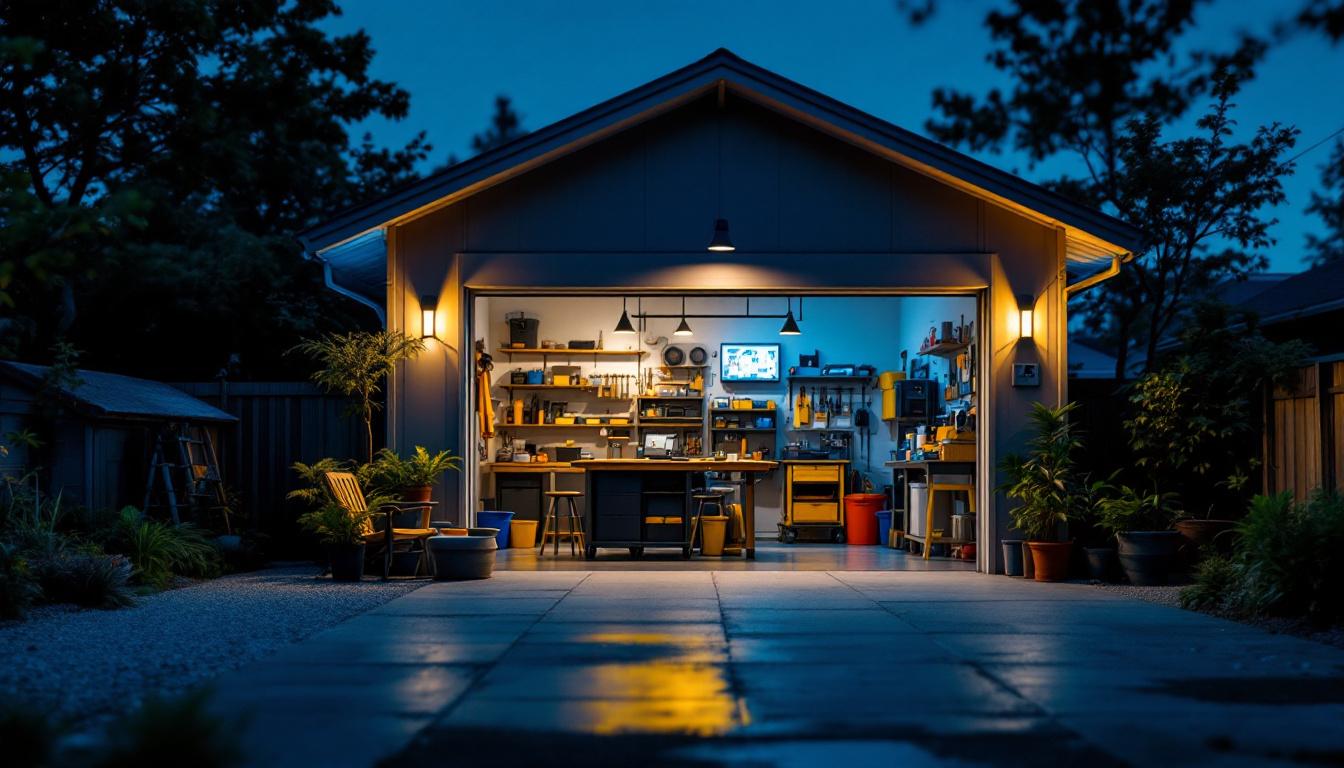
Understanding LED Wet Location Light Fixtures
LED wet location light fixtures are specifically designed to operate safely and efficiently in environments exposed to moisture, rain, or direct water spray. For lighting contractors, selecting the right fixtures for wet locations is critical to ensure safety, durability, and compliance with electrical codes.
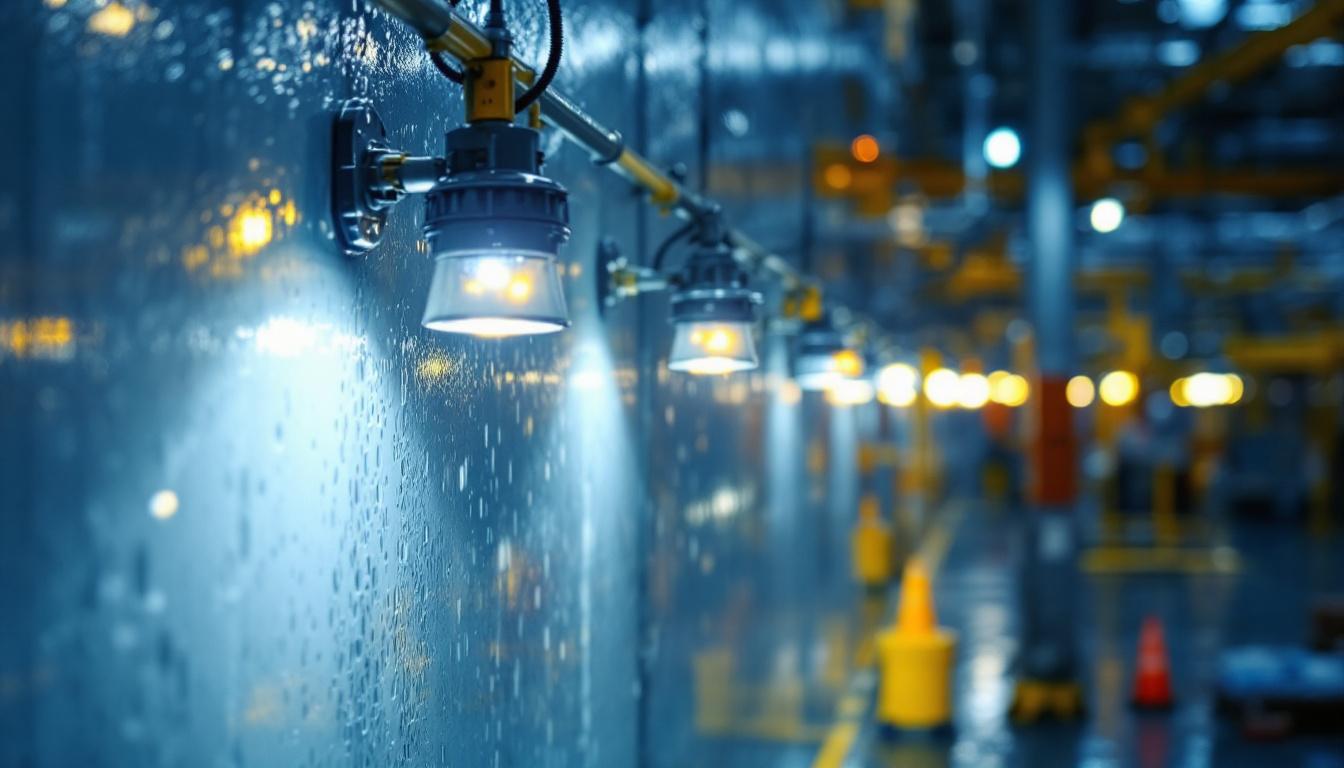
These fixtures are built with robust materials and sealed enclosures that prevent water ingress, making them suitable for outdoor applications such as parking lots, building exteriors, walkways, and even certain indoor spaces like commercial kitchens or indoor pools. Understanding the technical specifications and certifications of these fixtures is the first step toward successful project execution.
Key Features of LED Wet Location Fixtures
LED wet location fixtures typically feature IP (Ingress Protection) ratings of IP65 or higher, indicating strong resistance to dust and water. The use of corrosion-resistant materials such as aluminum or stainless steel housings, tempered glass lenses, and silicone gaskets ensures long-term reliability.
Additionally, these fixtures often incorporate thermal management systems to maintain optimal LED operating temperatures, which is essential for longevity and consistent light output. Lighting contractors should also verify UL or ETL listings for wet location use, ensuring compliance with industry safety standards.
Another important aspect of LED wet location fixtures is their energy efficiency. Many of these fixtures utilize advanced LED technology that not only reduces energy consumption but also minimizes heat output compared to traditional lighting options. This energy efficiency translates into lower utility bills and a reduced carbon footprint, making them an environmentally friendly choice for both residential and commercial applications. Furthermore, the longevity of LED fixtures—often rated for 50,000 hours or more—means less frequent replacements, which can save both time and money in maintenance costs.
Moreover, the versatility of LED wet location fixtures allows them to be integrated into smart lighting systems. Contractors can enhance functionality by incorporating motion sensors, dimmers, or programmable controls, which can adjust lighting levels based on occupancy or time of day. This adaptability not only improves safety and convenience but also contributes to energy savings, making these fixtures an ideal choice for modern lighting solutions in challenging environments.
Selecting the Right LED Wet Location Fixtures for Different Applications
Choosing the appropriate LED wet location fixture depends on the specific environment and lighting requirements of the project. Lighting contractors must consider factors such as fixture type, lumen output, beam angle, color temperature, and mounting options.
Outdoor Architectural Lighting
For architectural lighting, fixtures need to provide both functional illumination and aesthetic appeal. Wall-mounted LED sconces or floodlights with adjustable beam angles can highlight building facades while withstanding exposure to rain and wind. Selecting fixtures with a color temperature between 3000K and 4000K often enhances architectural features without harsh glare. Additionally, incorporating smart lighting controls can further enhance the functionality of these fixtures, allowing for dynamic lighting schemes that can change based on time of day or special events. This not only improves the visual impact of the architecture but also contributes to energy efficiency by reducing unnecessary illumination during off-peak hours.
Parking Lots and Pathways
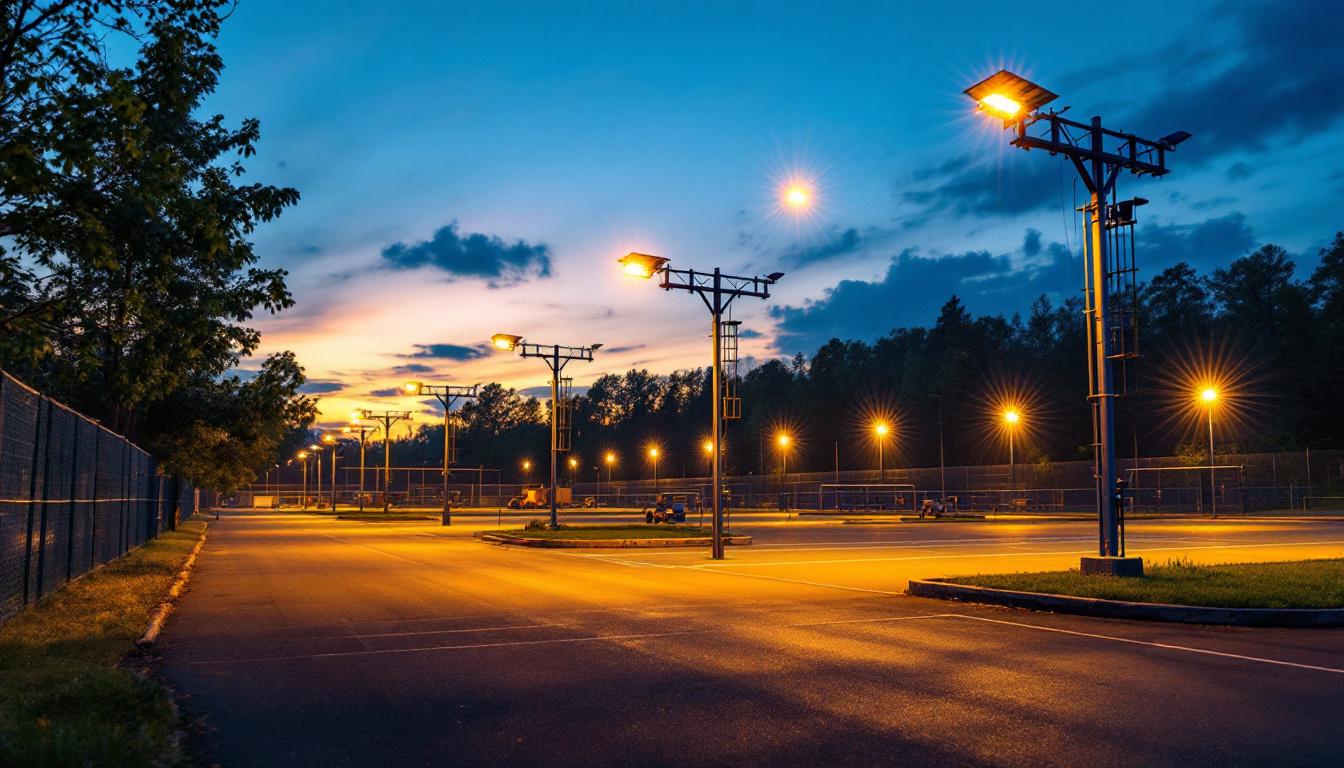
In parking areas and pathways, safety and visibility are paramount. High-lumen LED floodlights or pole-mounted fixtures with wide beam angles ensure uniform illumination. Fixtures rated for wet locations with vandal-resistant features are preferred to withstand environmental and human factors. Furthermore, the integration of motion sensors can significantly enhance security by activating lights only when movement is detected, thereby conserving energy while ensuring that the area remains well-lit when needed. The use of photometric analysis during the planning phase can also help in determining the optimal placement of fixtures to eliminate dark spots and enhance the overall safety of the space.
Industrial and Commercial Wet Environments
In industrial settings such as food processing plants or chemical facilities, fixtures must meet stringent hygiene and safety standards. LED vapor-tight fixtures with sealed enclosures prevent contamination and withstand washdowns. Lighting contractors should confirm compliance with NSF or other relevant certifications for these environments. Additionally, utilizing LED fixtures that offer adjustable lumen output can be beneficial, allowing facilities to adapt their lighting needs based on operational changes or specific tasks. This flexibility not only supports compliance with safety regulations but also contributes to energy savings, as lighting can be tailored to the specific requirements of different areas within the facility.
Installation Best Practices for LED Wet Location Fixtures
Proper installation is essential to maximize the performance and lifespan of LED wet location fixtures. Lighting contractors must adhere to manufacturer guidelines and local electrical codes to ensure safety and functionality.
Site Assessment and Preparation
Before installation, conduct a thorough site assessment to identify potential water exposure points, mounting surfaces, and power supply locations. Ensure that the electrical wiring and junction boxes are rated for wet locations and are properly sealed to prevent moisture intrusion. Additionally, consider the environmental conditions of the installation site, such as exposure to saltwater in coastal areas or high humidity in indoor pools, as these factors can significantly impact the longevity and performance of the fixtures.
Mounting and Sealing Techniques
Use appropriate mounting hardware that resists corrosion and provides secure attachment. When installing fixtures, apply waterproof sealants or gaskets as recommended to maintain the integrity of the enclosure. Pay special attention to conduit entries and connection points, as these are common areas for water ingress. It may also be beneficial to install fixtures at an angle to facilitate water runoff, preventing pooling and potential damage over time. Regular inspections and maintenance of the mounting hardware and seals can further prolong the life of the fixtures and ensure consistent performance.
Electrical Connections and Safety
All electrical connections must be made with wet location-rated connectors and wiring methods. Grounding is critical to prevent electrical hazards, especially in damp environments. Lighting contractors should perform continuity and insulation resistance tests post-installation to verify electrical safety. Additionally, implementing a circuit protection strategy, such as using GFCI (Ground Fault Circuit Interrupter) breakers, can enhance safety by automatically shutting off power in the event of a ground fault. It is also advisable to keep detailed records of the installation process, including diagrams of electrical layouts and any modifications made, to assist with future maintenance or troubleshooting.
Maintenance and Troubleshooting of LED Wet Location Fixtures
Routine maintenance extends the service life of LED wet location fixtures and ensures consistent lighting quality. Contractors should advise clients on maintenance schedules and best practices tailored to the specific installation environment. Regular upkeep not only enhances the performance of the fixtures but also maximizes energy efficiency, which can lead to significant cost savings over time. Understanding the unique challenges posed by wet locations is crucial for maintaining optimal functionality.
Regular Inspection and Cleaning
Inspect fixtures periodically for signs of water intrusion, corrosion, or physical damage. Clean lenses and housings with non-abrasive materials to maintain light output and prevent buildup of dirt or algae. Avoid using harsh chemicals that could degrade seals or coatings. In addition to visual inspections, it is advisable to check the integrity of mounting hardware and connections, as these can be affected by environmental factors such as humidity and temperature fluctuations. Implementing a checklist for inspections can help ensure that no detail is overlooked, providing a systematic approach to fixture maintenance.
Addressing Common Issues
Common problems include flickering lights, reduced brightness, or complete fixture failure. These issues often stem from moisture ingress, wiring faults, or LED driver malfunctions. Troubleshooting should begin with visual inspection, followed by electrical testing. Replacing damaged seals or drivers promptly can prevent further damage. Additionally, it is essential to consider the ambient conditions where the fixtures are installed; for instance, extreme temperatures or exposure to corrosive substances can exacerbate existing issues. Keeping a log of maintenance activities and repairs can also help identify patterns over time, allowing for proactive measures to be taken before problems escalate.
Energy Efficiency and Sustainability Considerations
LED wet location fixtures offer significant energy savings compared to traditional lighting technologies, making them an environmentally responsible choice. Lighting contractors play a crucial role in promoting sustainable lighting solutions.
Optimizing Energy Use
Selecting fixtures with high efficacy (lumens per watt) and integrating controls such as motion sensors or daylight harvesting can further reduce energy consumption. Proper fixture placement and aiming reduce light pollution and enhance overall efficiency.
Environmental Impact and Lifecycle Benefits
LED fixtures have longer lifespans and lower maintenance requirements, reducing waste and operational costs. Many manufacturers now offer fixtures with recyclable components and comply with environmental standards such as RoHS, supporting green building certifications.
Compliance with Codes and Standards
Adherence to building codes, electrical standards, and safety regulations is non-negotiable in wet location lighting installations. Lighting contractors must stay informed about relevant requirements to avoid costly rework and ensure occupant safety.
National Electrical Code (NEC) Requirements
The NEC outlines specific provisions for wet location installations, including wiring methods, fixture ratings, and grounding. Compliance with NEC Article 410 and related sections is essential for legal and safe installations.
Local Jurisdiction and Industry Standards
Local building codes may impose additional requirements or amendments to national standards. Contractors should verify all applicable regulations before project commencement. Industry standards from organizations such as the Illuminating Engineering Society (IES) provide guidance on recommended lighting levels and fixture performance.
Conclusion
LED wet location light fixtures are indispensable in a wide range of applications where exposure to moisture is unavoidable. For lighting contractors, understanding the technical aspects, selecting appropriate products, executing meticulous installations, and maintaining the fixtures are critical to project success.
By following best practices and adhering to codes and standards, contractors can deliver reliable, energy-efficient, and safe lighting solutions that meet client expectations and enhance the built environment. Staying current with technological advances and sustainability trends further positions contractors as trusted experts in the evolving lighting industry.
Illuminate Your Projects with LumenWholesale
Ready to elevate your lighting projects with the best LED wet location light fixtures on the market? Look no further than LumenWholesale, where we provide contractors with the highest quality, spec-grade lighting solutions at unbeatable wholesale prices. Our extensive selection is designed to meet the most rigorous industry standards, ensuring your installations are not only safe and energy-efficient but also cost-effective. Take advantage of our hassle-free bulk buying options and enjoy free shipping on your orders. Don’t let middleman markups dim your project’s potential. Choose LumenWholesale for premium lighting at the best value. Discover the perfect blend of quality, affordability, and convenience today by visiting Wholesale Lighting at the Best Value.