Understanding the Basics: Track Lighting and Recessed Lighting
Lighting contractors often face the challenge of selecting the right type of lighting to meet both aesthetic and functional demands. Track lighting and recessed lighting are two popular options, each with distinct characteristics that influence installation, maintenance, and overall design impact.
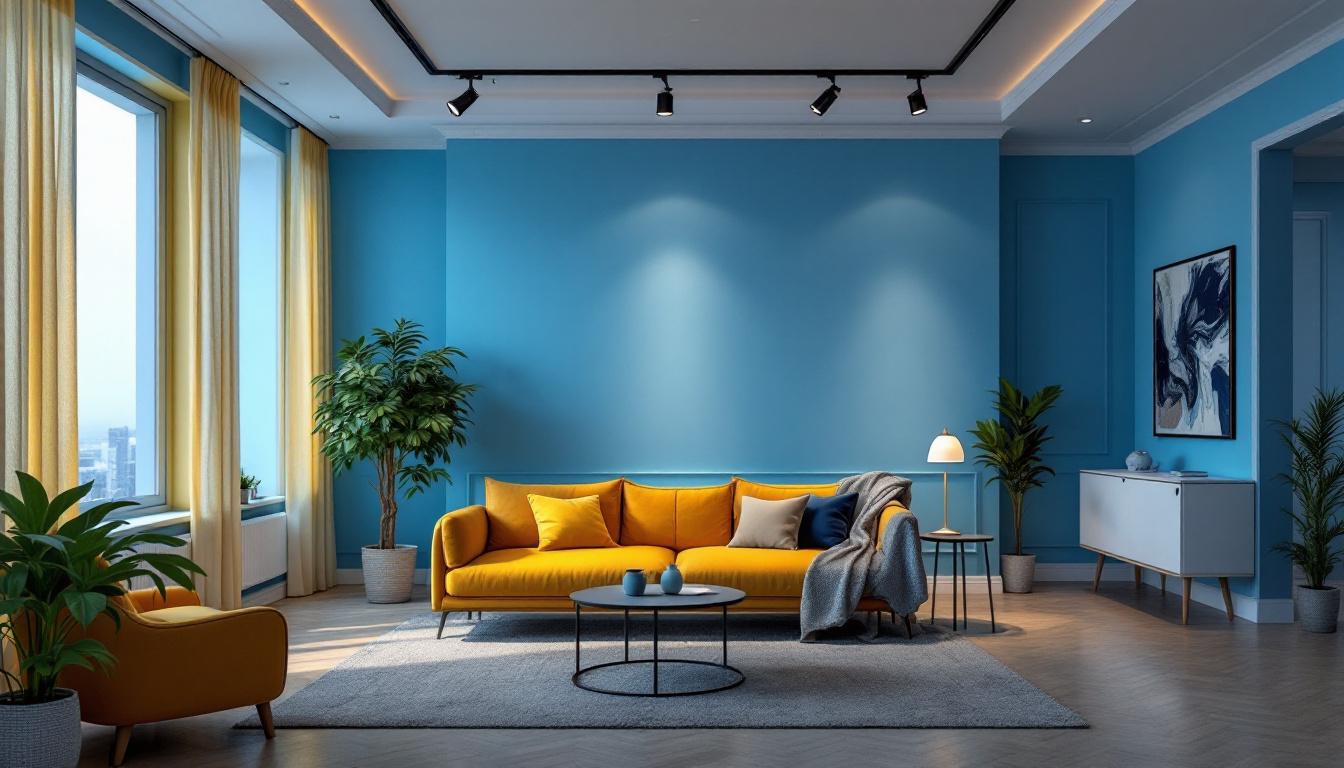
Track lighting consists of a linear track mounted on ceilings or walls, with adjustable fixtures that can be moved and directed to illuminate specific areas. This flexibility makes it a favorite for spaces requiring adaptable lighting schemes, such as galleries, retail environments, and modern homes. Additionally, track lighting allows for the incorporation of various bulb types, including LED, halogen, and incandescent, providing further customization in terms of brightness and color temperature. This versatility not only enhances the ambiance of a space but also allows for the highlighting of artwork or architectural features, making it a practical choice for both residential and commercial settings.
Recessed lighting, also known as can or pot lighting, is installed flush with the ceiling, creating a clean, unobtrusive look. These fixtures are embedded into the ceiling cavity, providing a streamlined appearance that blends seamlessly with architectural elements. Recessed lights are ideal for general illumination and can be spaced evenly to create uniform lighting across a room. Furthermore, they can be equipped with dimmer switches, allowing for adjustable brightness levels that cater to different activities and moods. This feature is particularly beneficial in spaces like home theaters or dining areas, where lighting needs may shift from bright and functional to soft and intimate. The ability to choose from various trim styles and finishes further enhances their adaptability, making recessed lighting a popular choice for both contemporary and traditional interiors.
Installation Considerations: What Lighting Contractors Need to Know
Track Lighting Installation
Installing track lighting involves mounting the track securely to the ceiling or wall and wiring it to the power source. Because the fixtures are adjustable, contractors must ensure the track is level and properly supported to handle the weight of the lights. The wiring can be more straightforward compared to recessed lighting, especially in retrofit projects where minimal ceiling modifications are preferred.
One advantage of track lighting is its modularity. Sections of the track can be added or removed, and fixtures can be repositioned without rewiring. This makes it an excellent choice for clients who anticipate changing their lighting layout over time. Additionally, track lighting offers a wide variety of fixture styles, from sleek modern designs to more traditional looks, allowing contractors to cater to diverse aesthetic preferences. The versatility also extends to the types of bulbs used, with options for LED, incandescent, or halogen, providing clients with energy-efficient choices that can significantly reduce electricity costs over time.
Recessed Lighting Installation
Recessed lighting installation is more involved. It requires cutting precise holes in the ceiling and ensuring proper clearance for the housing units, especially in ceilings with limited space or insulation. Contractors must also consider thermal insulation and fire safety codes, as recessed fixtures generate heat and can pose risks if not installed correctly.
Wiring for recessed lights is typically run through ceiling joists, which can complicate installation in existing structures. However, for new construction, recessed lighting can be integrated seamlessly into the ceiling design, offering a high-end finish. Furthermore, the choice of trim and lens can greatly influence the lighting effect; for example, baffle trims can help to reduce glare, while reflector trims can enhance brightness. Contractors should also educate clients about the importance of spacing and placement to achieve optimal illumination, ensuring that the lighting complements the room’s functionality and design. By considering factors such as ceiling height and the intended use of the space, contractors can create a lighting plan that enhances both aesthetics and practicality.
Design Flexibility and Lighting Effects
Adjustability and Focus with Track Lighting
Track lighting excels in environments where directional lighting is essential. The ability to pivot and slide fixtures along the track allows contractors to highlight artwork, architectural features, or specific zones within a space. This adaptability is invaluable in commercial settings like showrooms or restaurants, where lighting needs frequently change.
Additionally, track lighting supports various fixture styles and bulb types, including spotlights, floodlights, and pendants, enabling creative freedom in achieving desired lighting effects. The versatility of track lighting also allows for easy upgrades and modifications; as design trends evolve or as the function of a space changes, new fixtures can be added or replaced without extensive renovations. This makes track lighting not only a practical choice but also a long-term investment in design flexibility.
Subtlety and Uniformity with Recessed Lighting
Recessed lighting provides a clean, minimalist aesthetic that doesn’t draw attention to the fixtures themselves. This makes it suitable for spaces where the lighting should enhance the environment without becoming a focal point. The unobtrusive nature of recessed lights allows for a seamless integration into the architecture of a room, making them ideal for modern and contemporary designs.
When arranged thoughtfully, recessed lights can deliver even, shadow-free illumination that enhances room dimensions and creates a sense of openness. They work well in living rooms, kitchens, and hallways, where consistent ambient lighting is crucial. Moreover, the use of dimmable recessed fixtures offers an additional layer of control, allowing occupants to adjust the brightness according to the time of day or the mood they wish to create. This flexibility can transform a space from bright and energetic during the day to warm and inviting in the evening, showcasing the versatility of recessed lighting in enhancing the overall ambiance of a home or commercial area.
Energy Efficiency and Maintenance
Energy Considerations
Both track and recessed lighting can be equipped with LED bulbs, which significantly reduce energy consumption and extend fixture lifespan. However, recessed lighting often benefits from integrated LED modules designed for specific housings, optimizing energy use and light output. These integrated systems not only enhance energy efficiency but also provide a more streamlined aesthetic, eliminating the need for traditional bulbs and their associated heat generation. This can contribute to a more comfortable indoor environment, particularly in spaces where lighting is used for extended periods.
Track lighting’s flexibility sometimes leads to using multiple fixtures in one track, which can increase energy usage if not managed carefully. Lighting contractors should advise clients on selecting efficient bulbs and appropriate fixture quantities to balance brightness and energy costs. Additionally, the use of smart lighting controls, such as dimmers and motion sensors, can further enhance energy efficiency by allowing users to adjust lighting levels based on the time of day or occupancy, thus maximizing both comfort and savings.
Maintenance and Accessibility
Track lighting offers easier maintenance due to its accessible fixtures. Bulbs can be replaced or repositioned without tools, and damaged components can be swapped out individually. This reduces downtime and service costs, especially in commercial applications. Furthermore, the modular nature of track lighting allows for quick upgrades or changes in design, enabling businesses to adapt their lighting to seasonal displays or changing needs without extensive renovations.
Recessed lighting maintenance can be more challenging. Accessing bulbs or internal components often requires ladders and careful handling to avoid damaging ceiling finishes. Lighting contractors should plan for this during installation by choosing fixtures with easy-to-access trims and bulbs. Moreover, regular maintenance checks can be scheduled to ensure that the lighting remains effective and efficient, preventing potential issues from escalating. Incorporating maintenance-friendly designs, such as removable trims or snap-in bulb systems, can significantly ease the burden of upkeep, making recessed lighting a more viable option for spaces that prioritize aesthetics without sacrificing practicality.
Cost Factors and Client Budgeting
From a contractor’s perspective, the cost of materials and labor significantly influences project planning. Track lighting systems generally have lower upfront installation costs due to simpler mounting and wiring requirements. The modular nature also allows phased installations, which can be budget-friendly for clients.
Recessed lighting installations tend to be more expensive, especially in retrofit scenarios where ceiling modifications are necessary. The cost of specialized housings, trims, and labor for precise cutting and wiring adds up. However, the long-term aesthetic and energy savings may justify the initial investment for many clients.
Code Compliance and Safety Standards
Lighting contractors must ensure all installations comply with local electrical codes and safety regulations. Recessed lighting, in particular, requires adherence to fire safety standards, such as using IC-rated housings when fixtures are installed in contact with insulation.
Track lighting systems must be installed with proper grounding and secure mounting to prevent hazards. Contractors should also verify the compatibility of fixtures and tracks with the electrical load to avoid overloading circuits.
Choosing the Right Solution for Your Client
Ultimately, the decision between track lighting and recessed lighting depends on the specific needs of the project. Track lighting suits clients seeking flexibility, accent lighting, and ease of future modifications. Recessed lighting appeals to those prioritizing a sleek, integrated look with uniform illumination.
Lighting contractors should conduct thorough site assessments, discuss client preferences, and consider factors such as ceiling height, room function, and budget before recommending a solution. Combining both types in a layered lighting design can also provide the best of both worlds.
Final Thoughts
Track lighting and recessed lighting each have unique advantages and challenges. Mastering the nuances of both enables lighting contractors to deliver tailored, effective lighting solutions that enhance spaces and satisfy client expectations. Staying informed about the latest fixtures, energy-efficient technologies, and installation techniques will keep contractors competitive and capable of handling diverse projects with confidence.
Illuminate Your Projects with LumenWholesale
Ready to elevate your lighting projects with superior quality and unbeatable value? Look no further than LumenWholesale for all your track and recessed lighting needs. We provide contractors with spec-grade lighting products at wholesale prices that defy the market. Say goodbye to local distributor markups and hello to our extensive selection that meets the highest industry standards. With free shipping on bulk orders, you can trust that you’re getting premium lighting solutions at the best price, with no hidden fees. Make your next project shine with the perfect blend of quality, affordability, and convenience. Visit LumenWholesale today for Wholesale Lighting at the Best Value.