Why Exterior Wall Electrical Boxes Matter for Lighting Contractors
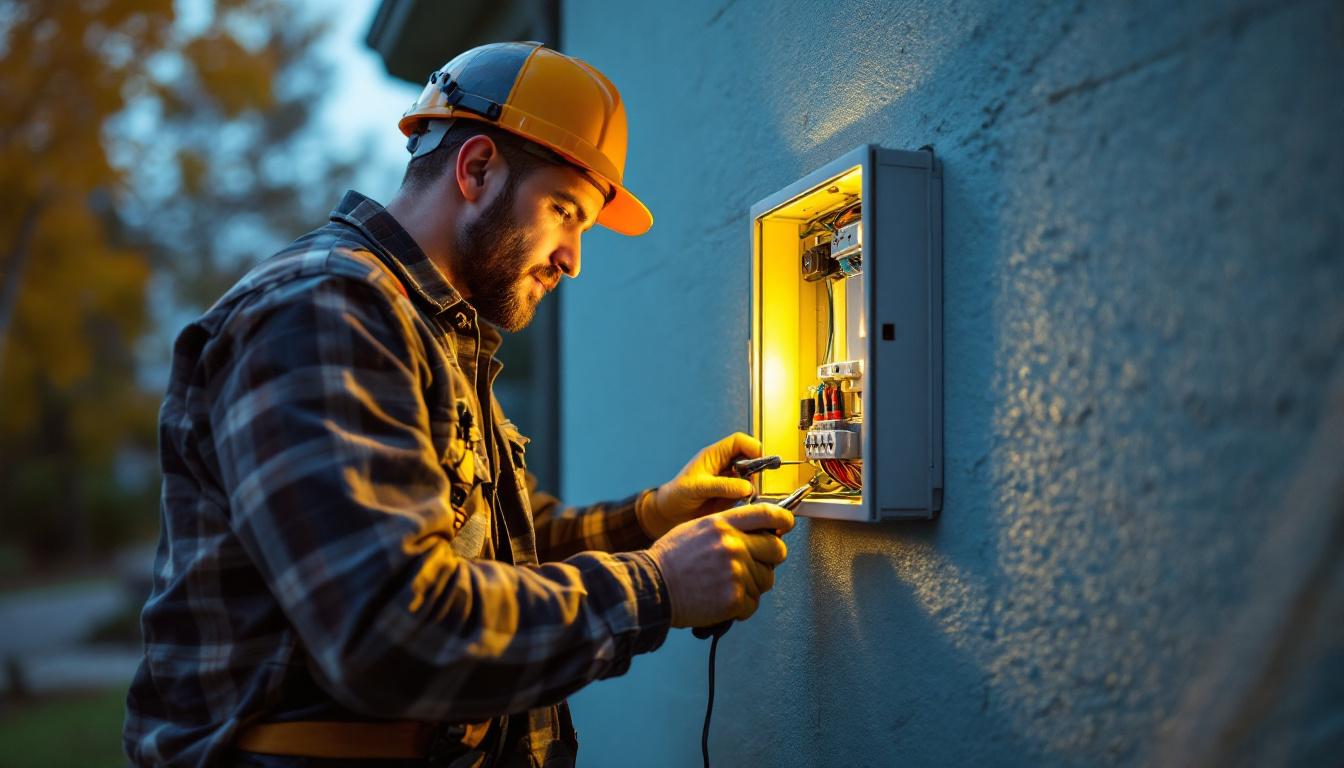
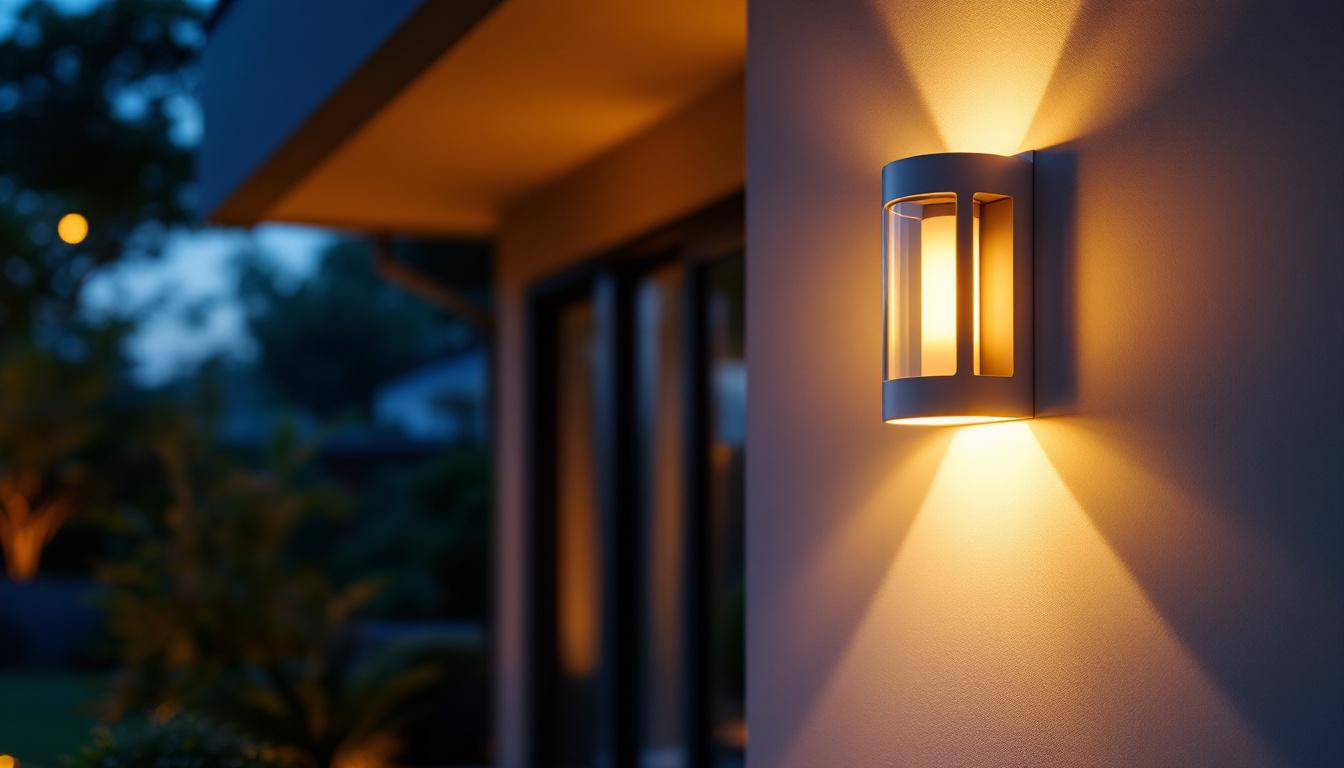
When installing outdoor lighting, the foundation of a clean, safe, and durable setup often starts with the right electrical box. Exterior wall electrical boxes are more than just containers for wiring connections—they’re critical components that protect electrical systems from weather, ensure compliance with code, and provide a secure base for fixtures.
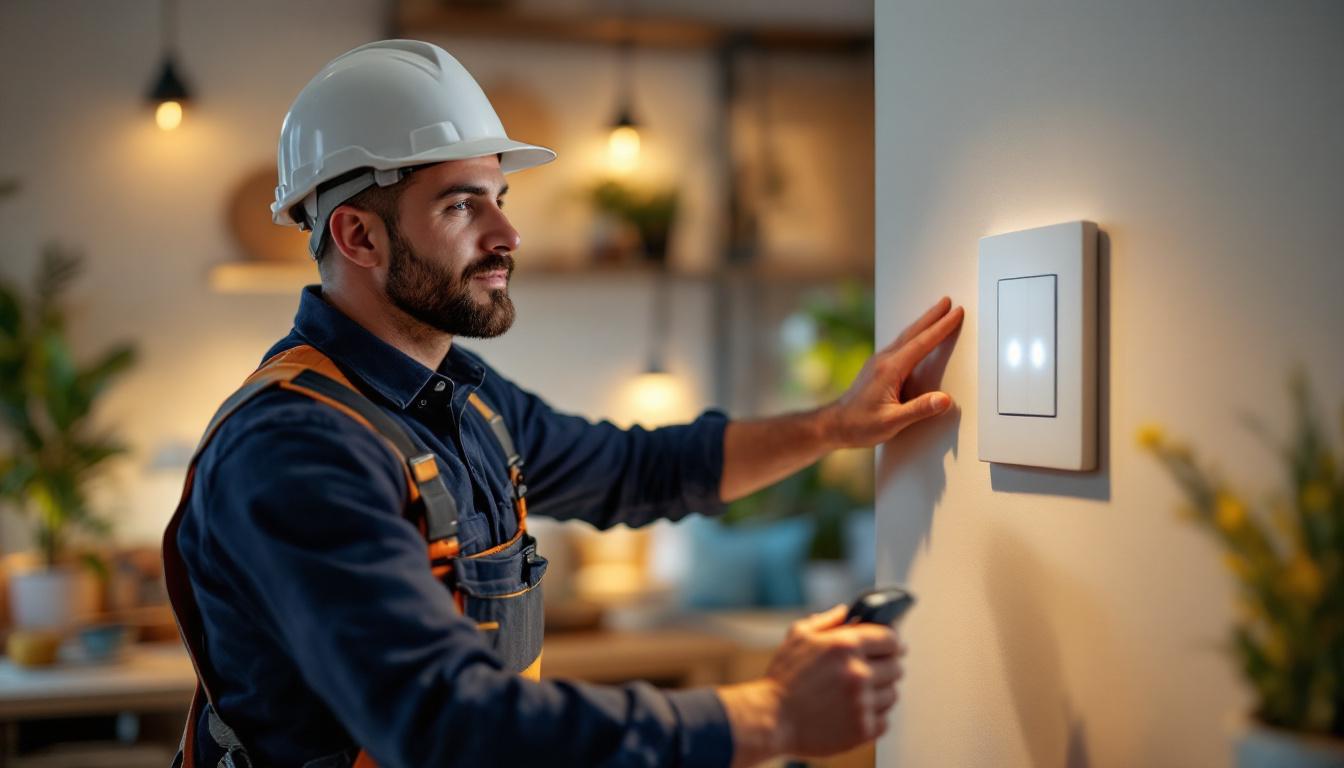
For lighting contractors, understanding the nuances of these boxes can streamline installations, reduce callbacks, and improve client satisfaction. The right choice impacts not only the functionality but also the longevity of outdoor lighting projects.
Moreover, exterior wall electrical boxes come in various materials, such as plastic, metal, and fiberglass, each offering distinct advantages depending on the environment. For instance, plastic boxes are lightweight and resistant to corrosion, making them ideal for coastal areas where saltwater can be a concern. On the other hand, metal boxes provide superior strength and durability, which can be beneficial in high-traffic areas or locations prone to physical impacts. Selecting the appropriate material not only enhances the safety of the installation but also aligns with the specific needs of the project and the preferences of the client.
Additionally, the installation of exterior wall electrical boxes should adhere to local electrical codes and regulations, which can vary significantly from one jurisdiction to another. This compliance is crucial not only for safety but also for ensuring that the installation passes inspections without delays. Lighting contractors must stay updated on these regulations and best practices, as this knowledge not only enhances their professionalism but also builds trust with clients. By investing time in understanding the requirements and selecting the right electrical boxes, contractors can position themselves as experts in outdoor lighting solutions, ultimately leading to more successful projects and satisfied customers.
Types of Exterior Wall Electrical Boxes and Their Applications
Weatherproof Boxes
Weatherproof electrical boxes are designed specifically for outdoor use. They feature sealed covers and durable materials like heavy-duty plastic or metal to resist moisture, dust, and corrosion. These boxes are essential when mounting lighting fixtures on exterior walls exposed to rain, snow, or humidity.
Lighting contractors often select weatherproof boxes with gasketed covers to ensure a tight seal. This prevents water intrusion, which can cause shorts or corrosion in electrical connections. Additionally, many weatherproof boxes come with integrated mounting brackets that simplify fixture installation. The design of these boxes also often includes drainage holes to allow any trapped moisture to escape, further protecting the electrical components inside. Furthermore, weatherproof boxes are available in various sizes and configurations, making it easier for contractors to find the right fit for different lighting applications, from simple porch lights to elaborate outdoor lighting systems.
Surface-Mount vs. Flush-Mount Boxes
Surface-mount boxes attach directly to the exterior wall surface, making them easier to install on masonry or stucco walls where recessing a box might be difficult. They provide a sturdy platform for fixtures and simplify wiring access.
Flush-mount boxes, on the other hand, are recessed into the wall. They offer a cleaner, more integrated look but require precise installation and wall modifications. Lighting contractors working on new construction or renovations with accessible wall cavities often prefer flush-mount boxes for aesthetic reasons. Additionally, flush-mount boxes can be advantageous in areas where space is limited, as they do not protrude from the wall, reducing the risk of damage from outdoor elements or accidental bumps. The choice between surface-mount and flush-mount boxes often comes down to the specific project requirements and the desired visual impact of the finished installation.
Specialty Boxes for Specific Fixtures
Some exterior lighting fixtures require specialty boxes. For example, motion sensor lights or integrated cameras may need boxes with extra space or specific mounting options. Understanding these requirements helps contractors avoid compatibility issues and ensures the electrical box supports the fixture’s function.
Moreover, specialty boxes can also accommodate unique features such as built-in transformers for low-voltage lighting systems or additional knockouts for multiple conduit entries. This versatility is particularly beneficial in complex outdoor lighting designs that incorporate various types of fixtures, such as decorative sconces, floodlights, and landscape lighting. By selecting the appropriate specialty box, contractors can enhance the functionality and efficiency of the lighting system, ensuring that all components work seamlessly together while also adhering to local electrical codes and safety standards.
Material Choices and Durability Considerations
Material selection for exterior wall electrical boxes directly affects durability and safety. Common materials include:
- Plastic (PVC or Polycarbonate): Lightweight and corrosion-resistant, plastic boxes are ideal for many outdoor applications. They are non-conductive, which adds a layer of safety, and often come with UV-resistant coatings to prevent degradation from sunlight.
- Metal (Steel or Aluminum): Metal boxes offer superior strength and grounding capabilities. However, they require proper corrosion protection, such as galvanization or powder coating, to withstand outdoor conditions. Metal boxes are often preferred for commercial or industrial lighting projects.
Choosing the right material depends on the environment, fixture type, and local electrical codes. For example, coastal areas with salty air may demand corrosion-resistant materials to prevent premature failure.
Additionally, the choice of material can also impact installation processes and maintenance requirements. Plastic boxes are generally easier to install due to their lightweight nature, allowing for quicker handling and less strain on the installer. On the other hand, metal boxes, while heavier, can provide a more robust solution in high-traffic areas where physical damage is a concern. Furthermore, the longevity of the material plays a crucial role in long-term cost-effectiveness; investing in higher-quality materials may lead to reduced maintenance and replacement expenses over time.
Environmental factors such as temperature fluctuations and humidity levels also influence material performance. For instance, in regions with extreme temperature variations, materials that can withstand thermal expansion and contraction are essential to maintain integrity and functionality. Moreover, considering the specific application—whether for residential, commercial, or industrial use—can guide the selection process. For example, outdoor lighting installations may benefit from metal boxes due to their added strength, while garden lighting may be well-suited to lightweight plastic options. Understanding these nuances can lead to better decision-making and enhanced safety in electrical installations.
Code Compliance and Safety Standards
Electrical codes and safety standards govern the installation of exterior wall electrical boxes. The National Electrical Code (NEC) specifies requirements for box types, covers, and installation methods to ensure safety and reliability. These regulations are not arbitrary; they are the result of extensive research and real-world data that highlight the importance of safe electrical practices. The NEC is updated every three years, reflecting new technologies and safety practices, which means that contractors must stay informed about the latest changes to ensure compliance.
Lighting contractors must ensure that boxes are rated for wet or damp locations when installed outdoors. Using the wrong box type can lead to code violations, failed inspections, and potential hazards like electrical shock or fires. It is essential for contractors to understand the environmental conditions where the electrical boxes will be installed. For example, areas that are frequently exposed to rain or snow require specific types of weatherproof boxes that can withstand moisture without compromising electrical integrity. Furthermore, the installation of GFCI (Ground Fault Circuit Interrupter) outlets in these locations can provide an additional layer of safety, automatically cutting off power in the event of a ground fault.
Additionally, boxes must accommodate the number and gauge of wires safely. Overcrowding a box can cause overheating and damage. Contractors should always calculate box fill based on NEC guidelines to maintain safe operating conditions. This involves not only considering the size of the wires but also the type of connections and devices that will be housed within the box. For instance, when installing switches or outlets, it is crucial to account for the space they will occupy, as well as any additional wires that may be necessary for future expansions. Adhering to these guidelines not only promotes safety but also enhances the longevity of the electrical system, reducing the likelihood of costly repairs or replacements down the line.
Installation Best Practices for Lighting Contractors
Proper Sealing and Weatherproofing
Even the best weatherproof box can fail if not sealed correctly. Applying silicone caulk or appropriate sealants around the box edges and conduit entries prevents water ingress. Gasketed covers must be installed firmly and checked for damage.
Lighting contractors should also ensure that conduit connections are tight and use weatherproof fittings. This attention to detail prevents moisture from traveling along wiring paths and causing issues downstream.
Secure Mounting and Alignment
Boxes must be mounted securely to withstand fixture weight and environmental forces like wind or vibration. Using appropriate anchors for the wall material-whether masonry screws, toggle bolts, or lag screws-ensures stability.
Proper alignment is also crucial. Fixtures should sit flush against the wall without gaps that could allow water or pests inside. Lighting contractors often use level tools and spacers to achieve precise positioning.
Accessibility for Maintenance
Planning for future maintenance saves time and money. Boxes should be installed in accessible locations with covers that can be easily removed. Lighting contractors should avoid placing boxes behind obstructions or in tight spaces that complicate wiring repairs or fixture replacement.
How Exterior Wall Electrical Boxes Improve Project Efficiency
Using the right exterior wall electrical boxes can significantly improve project timelines. Pre-fabricated weatherproof boxes with integrated mounting options reduce installation steps. Contractors can complete wiring and fixture mounting faster, minimizing labor costs.
Moreover, choosing durable, code-compliant boxes reduces the risk of callbacks due to water damage or electrical faults. This reliability enhances a contractor’s reputation and builds client trust.
Cost Considerations and Value for Contractors
While premium electrical boxes may have a higher upfront cost, they often deliver better long-term value. Reduced maintenance, fewer repairs, and compliance with code save money over the life of the installation.
Lighting contractors should evaluate the total cost of ownership rather than just the initial price. Investing in quality exterior wall electrical boxes can differentiate a contractor’s service and justify premium pricing.
Conclusion: Maximizing Benefits Through Knowledge and Quality
Exterior wall electrical boxes are foundational to successful outdoor lighting installations. For lighting contractors, mastering the selection, installation, and maintenance of these boxes leads to safer, more durable, and visually appealing results.
Understanding the types, materials, code requirements, and best practices empowers contractors to deliver superior service. This expertise not only protects clients but also enhances project efficiency and profitability.
Choosing the right exterior wall electrical boxes is a strategic decision that pays dividends in quality, safety, and customer satisfaction.
Illuminate Your Projects with LumenWholesale
Ready to enhance your outdoor lighting installations with the highest quality exterior wall electrical boxes? Look no further than LumenWholesale, where we provide contractors with spec-grade lighting products at unbeatable wholesale prices. Say goodbye to local distributor markups and hello to superior lighting products that meet the highest industry standards. With LumenWholesale, bulk buying is a breeze, and with free shipping, you can rest assured that you’re getting premium lighting at the best price, without any hidden fees. Elevate your lighting projects by choosing LumenWholesale for a seamless blend of quality, affordability, and convenience. Wholesale Lighting at the Best Value is just a click away.