Why Pendant Lighting Remains a Staple in Modern Design
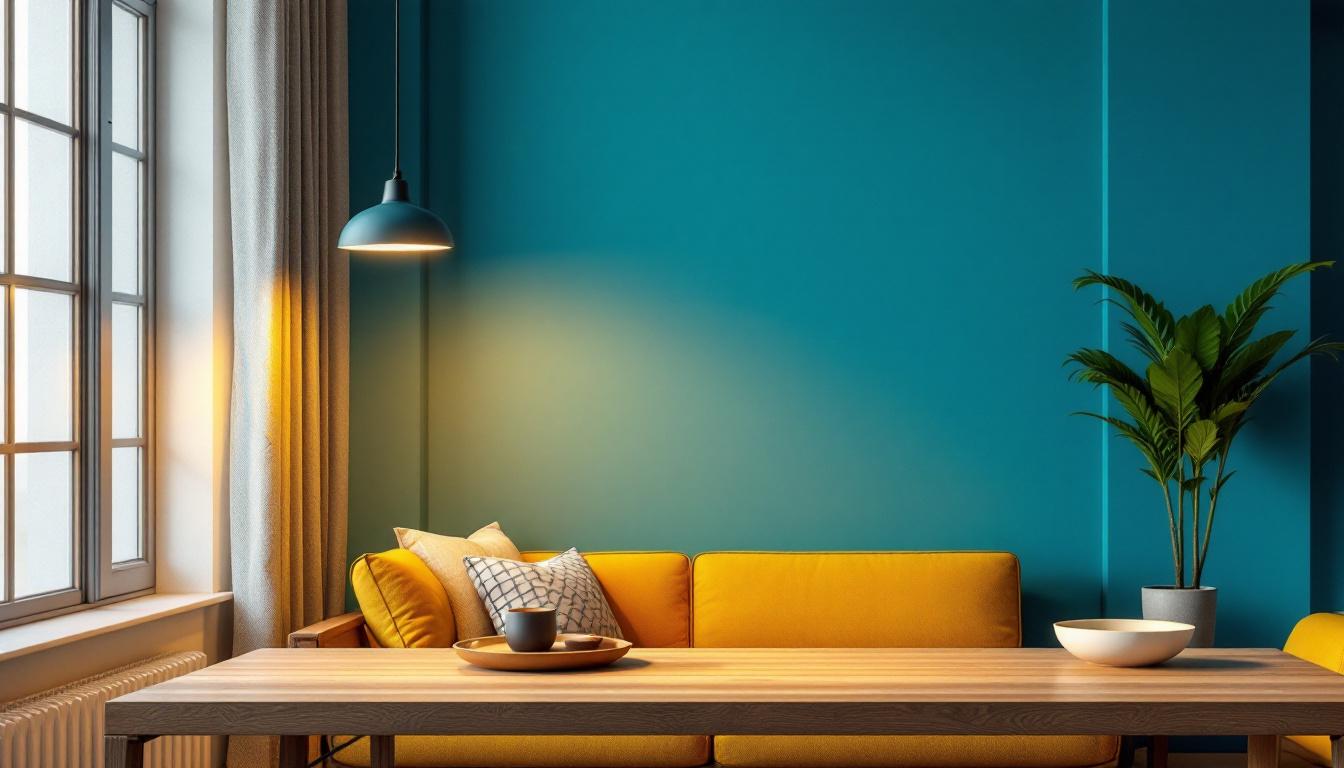
Pendant lights are more than just functional fixtures; they are statement pieces that define the atmosphere of a space. For lighting contractors, understanding the nuances of pendant light design is crucial. These fixtures serve as focal points in kitchens, dining areas, commercial spaces, and even outdoor settings. Their versatility and ability to blend form with function make them indispensable.
Contractors who stay ahead of design trends can offer clients solutions that not only illuminate but also elevate interiors. This means knowing which styles resonate with contemporary tastes and which materials and technologies enhance both aesthetics and performance.
One of the most compelling aspects of pendant lighting is its ability to adapt to various design themes. From sleek, minimalist designs that complement modern decor to ornate, vintage-inspired fixtures that evoke a sense of nostalgia, pendant lights can seamlessly integrate into any style. Additionally, the use of innovative materials such as glass, metal, and even sustainable options like bamboo or recycled plastics allows for a wide range of creative expressions. This adaptability not only satisfies diverse client preferences but also encourages contractors to experiment with unique combinations that can transform a space.
Moreover, the technological advancements in lighting have led to the emergence of smart pendant lights that offer enhanced functionality. These fixtures can be controlled via smartphone apps, allowing users to adjust brightness, color temperature, and even set schedules for automatic operation. Such features not only provide convenience but also contribute to energy efficiency, making pendant lights a practical choice for eco-conscious consumers. As contractors embrace these innovations, they can present clients with modern solutions that reflect both style and sustainability, further solidifying the pendant light’s position as a timeless element in contemporary design.
Material Innovations: Beyond Traditional Metals and Glass
Natural and Sustainable Materials
Eco-conscious design is influencing pendant light choices more than ever. Materials like bamboo, rattan, and reclaimed wood are gaining traction. These options appeal to clients seeking warmth and texture in their lighting while aligning with sustainability goals. For contractors, sourcing these materials may require building relationships with specialty suppliers, but the payoff is a unique product offering that stands out.
Incorporating natural fibers and organic shapes into pendant designs can transform a room from sterile to inviting. These materials also pair well with minimalist and Scandinavian interiors, which remain popular. Additionally, the use of sustainable materials often resonates with environmentally aware consumers who prioritize eco-friendly practices in their purchasing decisions. As a result, lighting designers can not only enhance the aesthetic appeal of their work but also contribute positively to the planet by choosing materials that have a lower environmental impact. Furthermore, the versatility of these materials allows for creative exploration, enabling designers to experiment with various forms and finishes that can cater to diverse tastes and preferences.
Mixed Media and Textured Finishes
Combining metals with unexpected elements such as concrete, leather, or fabric adds depth to pendant lights. Textured finishes like hammered copper or brushed brass provide a handcrafted feel that clients appreciate. These design choices reflect a shift away from mass-produced, uniform fixtures toward pieces that tell a story. The juxtaposition of hard and soft materials not only creates visual interest but also enhances the tactile experience of the lighting, inviting users to engage with the design on a sensory level.
Lighting contractors should familiarize themselves with finishing techniques and the maintenance requirements of different materials to guide clients properly. Understanding how various finishes age over time and how they can be preserved or restored is crucial for ensuring longevity in these unique designs. Moreover, the trend of mixed media opens up opportunities for collaboration with artisans and craftspeople, allowing contractors to offer bespoke solutions that elevate their projects. This collaborative approach can lead to innovative designs that push the boundaries of traditional lighting, making each piece a conversation starter and a focal point in any space.
Shape and Scale: Playing with Proportions
Oversized Pendants for Dramatic Impact
Large-scale pendant lights are making bold statements in both residential and commercial projects. Oversized fixtures draw the eye upward, creating a sense of grandeur and spaciousness. They work especially well in entryways, open-concept kitchens, and hotel lobbies. The right oversized pendant can serve as a focal point, enhancing the overall aesthetic and setting the tone for the entire space. For instance, a stunning, oversized glass orb can reflect light beautifully, casting intricate patterns across walls and ceilings, while a metal pendant with an industrial finish can add a touch of modern edge.
However, size must be balanced with the room’s dimensions and ceiling height. Contractors should advise clients on appropriate scale to avoid overwhelming the space or creating awkward visual tension. In addition, the choice of color and material plays a crucial role in how the fixture interacts with its surroundings. A light fixture in a bold color can energize a neutral room, while a metallic finish can add sophistication and warmth. It’s also important to consider the type of light bulb used, as this can affect the ambiance and functionality of the space.
Geometric and Asymmetrical Forms
Geometric shapes like hexagons, spheres, and cubes are trending. Asymmetrical designs add an element of surprise and modernity. These forms can be clustered or arranged in linear compositions, offering flexibility in installation and design impact. The juxtaposition of various shapes can create a dynamic visual narrative, drawing attention to the artistry of the fixtures themselves. For example, a cluster of hexagonal pendants can evoke a honeycomb effect, adding an organic touch to contemporary interiors.
Understanding how to install multi-pendant arrangements with precise spacing and height variations is essential for contractors aiming to deliver flawless results. This requires not only a keen eye for design but also technical expertise to ensure that each piece is securely mounted and aligned perfectly. Furthermore, lighting placement should consider the functional aspects of the space; for instance, pendants over a dining table should provide ample illumination without causing glare. The interplay of light and shadow created by these geometric forms can enhance the overall atmosphere, making it inviting and engaging for occupants and guests alike.
Technological Integration: Smart and Energy-Efficient Solutions
LED Advancements and Customization
LED technology continues to revolutionize pendant lighting. Modern LEDs offer superior energy efficiency, longer lifespan, and greater design flexibility. Contractors should be well-versed in LED modules that allow dimming, color temperature adjustments, and even color-changing capabilities.
Clients increasingly seek lighting that adapts to different moods and tasks. Offering pendant lights with customizable LED options can be a significant selling point.
Smart Lighting Controls
Integration with smart home systems is no longer a luxury but an expectation in many projects. Pendant lights compatible with voice assistants and mobile apps provide convenience and enhanced user experience. Lighting contractors must understand the wiring and programming involved in smart lighting setups to ensure seamless operation.
Additionally, smart controls can contribute to energy savings by automating lighting schedules and occupancy sensing.
Color and Finish Trends: From Matte to Metallics
Matte Black and Deep Hues
Matte black finishes continue to dominate due to their sleek, timeless appeal. They provide contrast in light-colored rooms and blend effortlessly with industrial and modern aesthetics. Deep hues like navy, forest green, and charcoal are emerging as alternative finishes, offering subtle color without overpowering the space.
Contractors should be prepared to recommend these finishes based on client preferences and overall design schemes.
Warm Metallics and Mixed Finishes
Warm metallic tones such as brass, gold, and copper add a touch of luxury and warmth. These finishes often appear in combination with glass or fabric shades, creating layered visual interest. Mixed finishes-such as a matte black fixture with brass accents-are increasingly popular, offering a balanced blend of modern and classic elements.
Understanding how different finishes age and how to maintain them is vital for contractors advising clients on long-term care.
Installation Considerations: Practical Tips for Contractors
Height and Placement Precision
Proper installation height is critical for pendant lights to function optimally. For dining areas, pendants are typically hung 28 to 34 inches above the table surface. In kitchens or workspaces, clearance and glare reduction must be factored in. Contractors should measure carefully and consider the fixture’s size and light distribution.
Wiring and Safety Standards
Adhering to electrical codes and safety standards is non-negotiable. Pendant lights often require secure mounting hardware, especially larger or heavier designs. Contractors must verify ceiling support and use appropriate anchors. Additionally, ensuring that wiring is compatible with dimmers or smart controls prevents future issues.
Client Communication and Customization
Clear communication about design intent, fixture dimensions, and installation logistics helps manage client expectations. Offering mock-ups or digital renderings can aid decision-making. Custom pendant lighting solutions may involve coordinating with manufacturers or artisans, so contractors should be prepared to handle these logistics efficiently.
Conclusion: Staying Ahead in Pendant Light Design
For lighting contractors, mastering pendant light trends means blending aesthetics with technical expertise. Embracing new materials, shapes, and technologies allows contractors to deliver lighting solutions that resonate with contemporary clients. Attention to detail in installation and client collaboration ensures these fixtures not only look stunning but perform flawlessly.
Remaining informed about evolving trends and innovations positions contractors as trusted advisors, capable of transforming spaces through the power of pendant lighting.
Illuminate Your Projects with LumenWholesale
Ready to elevate your lighting projects with the latest pendant light trends? At LumenWholesale, we provide lighting contractors with an exceptional range of high-quality, spec-grade lighting products at unbeatable wholesale prices. Say goodbye to local distributor markups and hello to a curated selection that meets the highest industry standards. With free shipping on bulk orders, you can trust that you’re getting premium lighting solutions at the best value — all without hidden fees or compromises. Discover wholesale lighting at the best value and make your next project shine with LumenWholesale.