Understanding the Importance of Large Outdoor Barn Lights
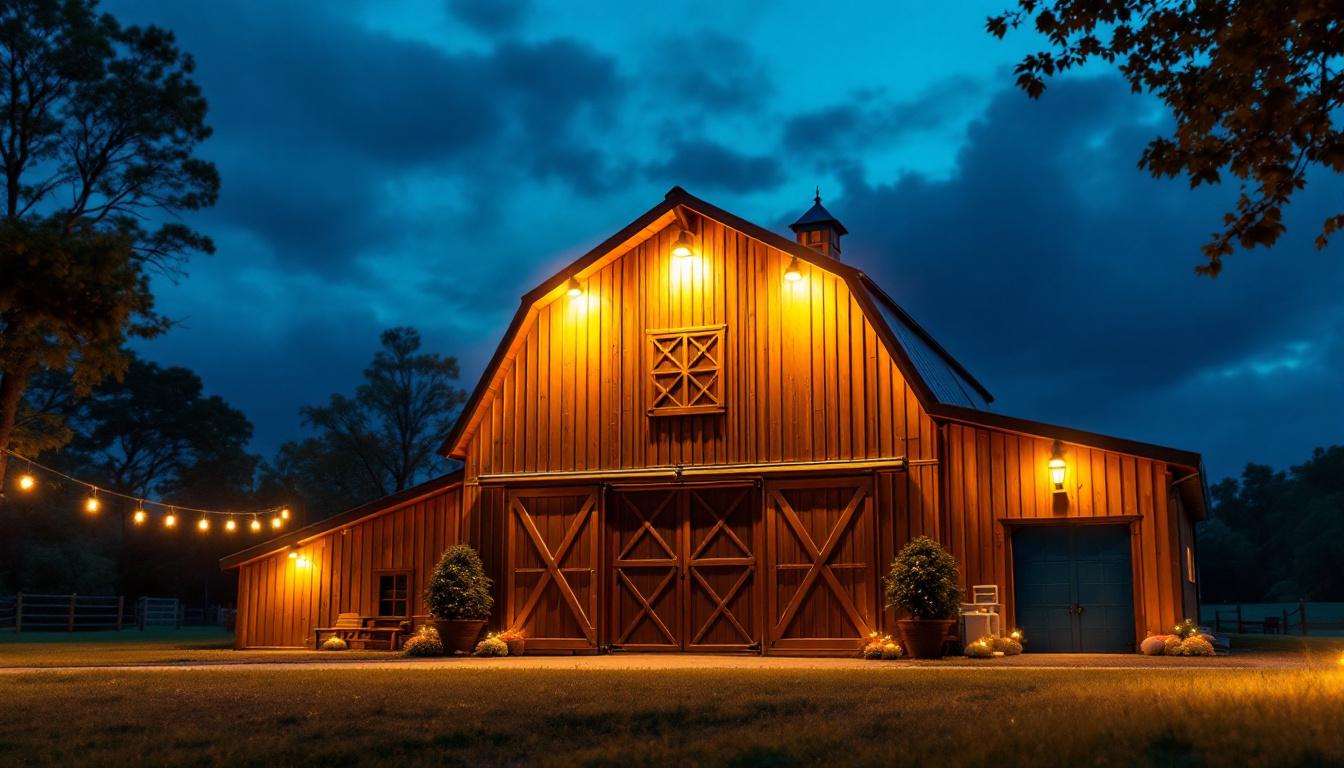
Large outdoor barn lights are more than just functional fixtures; they are pivotal elements that define the ambiance, safety, and efficiency of outdoor spaces. For lighting contractors, mastering the installation and selection of these lights can elevate project outcomes and client satisfaction significantly.
These lights are commonly used in agricultural settings, commercial properties, and even residential landscapes where robust illumination is necessary. Their design typically combines durability with a classic aesthetic, making them versatile for various applications. However, the true challenge lies in understanding the nuances that impact performance, longevity, and visual appeal.
Why Size and Scale Matter
The size of barn lights directly influences the coverage and intensity of illumination. Larger fixtures can accommodate higher wattage bulbs or multiple light sources, which translates to broader and more powerful lighting. For contractors, selecting the appropriate size ensures that the space is adequately lit without causing glare or energy waste.
Moreover, large barn lights often serve as architectural statements. Their scale can complement or enhance the structural features of barns, warehouses, or outdoor venues. Lighting contractors who grasp this balance between function and form can deliver installations that are both practical and visually compelling.
In addition to their aesthetic appeal, large outdoor barn lights can also play a crucial role in enhancing security. Well-lit areas deter potential intruders and create a safer environment for both people and livestock. This is particularly important in agricultural settings where the safety of animals and equipment is paramount. By strategically placing these lights around perimeters, pathways, and entry points, contractors can significantly reduce risks associated with poorly lit spaces.
Furthermore, the advent of energy-efficient technologies, such as LED bulbs, has transformed the landscape of outdoor lighting. These modern solutions not only reduce energy consumption but also extend the lifespan of the fixtures, making them a cost-effective choice in the long run. Lighting contractors who stay abreast of these advancements can offer clients sustainable options that align with contemporary environmental standards, ultimately contributing to a greener future while maintaining the charm and functionality of traditional barn lights.
Key Features Lighting Contractors Should Prioritize
When working with large outdoor barn lights, several critical features demand attention. These features not only affect the installation process but also the long-term performance and maintenance of the lighting system.
Durability and Weather Resistance
Outdoor barn lights must withstand harsh environmental conditions, including rain, wind, dust, and temperature fluctuations. Lighting contractors should prioritize fixtures with high IP (Ingress Protection) ratings, typically IP65 or above, to ensure resistance against water and dust ingress.
Materials such as powder-coated steel, aluminum, and tempered glass are preferred for their resilience and corrosion resistance. Selecting fixtures with these materials reduces the frequency of replacements and repairs, ultimately saving time and costs for both contractors and clients. Furthermore, it’s essential to consider the impact of UV exposure on outdoor lighting. Fixtures designed with UV-resistant coatings will help maintain their appearance and functionality over time, preventing fading and degradation that can occur in direct sunlight.
Energy Efficiency and Light Quality
Energy consumption is a significant consideration in outdoor lighting projects. Large barn lights equipped with LED technology offer superior energy efficiency compared to traditional incandescent or halogen bulbs. LEDs provide bright, consistent light output while consuming a fraction of the energy.
Additionally, contractors should consider the color temperature and CRI (Color Rendering Index) of the lights. A neutral to cool white color temperature (around 4000K to 5000K) is often ideal for outdoor workspaces, enhancing visibility and safety. A high CRI ensures colors appear natural and clear, which is particularly important in agricultural or industrial settings. Moreover, the use of smart lighting controls can further enhance energy efficiency. Dimmers, timers, and motion sensors can be integrated into the lighting system, allowing for automatic adjustments based on activity and natural light conditions, thus optimizing energy use and extending the lifespan of the fixtures.
Ease of Installation and Maintenance
Lighting contractors benefit greatly from fixtures designed with straightforward installation features. Adjustable mounting brackets, pre-wired options, and modular components can reduce labor time and complexity on-site.
Maintenance accessibility is equally important. Fixtures that allow easy bulb replacement or cleaning without dismantling the entire unit help contractors provide better service and reduce downtime for clients. Considering these factors during product selection can streamline project workflows and improve client relationships. Additionally, providing clients with a maintenance schedule and tips for care can foster trust and ensure the longevity of the lighting system. Educating clients on the importance of regular inspections and the benefits of keeping fixtures clean can lead to better performance and satisfaction over time, ensuring that the investment in outdoor barn lighting pays off in both functionality and aesthetics.
Installation Best Practices for Optimal Performance
Mastering the installation of large outdoor barn lights involves more than just mounting the fixture. Proper planning, positioning, and wiring are crucial to achieve optimal lighting results and ensure safety compliance.
Strategic Placement for Maximum Coverage
Lighting contractors should conduct thorough site assessments to determine the best locations for barn lights. Factors such as building dimensions, surrounding obstacles, and intended use of the illuminated area influence placement decisions.
Mounting lights at an appropriate height—usually between 10 to 20 feet—helps maximize coverage while minimizing shadows and glare. Spacing between fixtures should be calculated based on the lumen output and beam angle to create uniform illumination without dark spots. Additionally, considering the angle of the light can significantly impact the effectiveness of the coverage. For instance, angling fixtures downward can help direct light where it’s needed most, reducing light pollution and enhancing the overall aesthetic of the barn and its surroundings.
Wiring and Electrical Considerations
Ensuring safe and efficient electrical connections is paramount. Contractors must adhere to local electrical codes and standards, using weatherproof conduits and junction boxes to protect wiring from environmental damage.
Incorporating features like photocells or motion sensors can enhance functionality by automating light activation based on ambient conditions or movement. This not only conserves energy but also adds a layer of security and convenience for clients. Moreover, utilizing LED technology can further improve energy efficiency and longevity, providing a cost-effective solution for barn lighting. The choice of color temperature can also play a role in the overall atmosphere; warmer tones may create a cozy environment, while cooler tones can enhance visibility during nighttime activities.
Testing and Quality Assurance
After installation, thorough testing is essential to verify that the lighting system operates as intended. Contractors should check for consistent light output, proper sensor function, and secure fixture mounting.
Documenting the installation with photos and detailed notes can be valuable for future maintenance or troubleshooting. Providing clients with operational guidance and maintenance tips also fosters trust and professionalism. Additionally, scheduling regular follow-up assessments can ensure that the lighting system continues to perform optimally over time. This proactive approach not only helps in identifying potential issues early but also reinforces the contractor’s commitment to quality service and customer satisfaction, ultimately leading to long-lasting client relationships.
Common Challenges and How to Overcome Them
Despite the straightforward concept of barn lighting, contractors often encounter challenges that can compromise project success. Understanding these pitfalls and their solutions is key to mastery.
Glare and Light Pollution
Large barn lights can produce intense glare if not properly shielded or angled. This can cause discomfort or safety hazards, especially in residential areas or near roadways. Using fixtures with built-in shields or adding external louvers helps direct light downward and reduce unwanted spill.
Additionally, selecting lights with appropriate beam angles and employing dimming controls can mitigate light pollution, aligning with environmental standards and client preferences.
Compatibility with Existing Infrastructure
Integrating new barn lights into existing electrical systems or architectural elements can be complex. Contractors should conduct comprehensive assessments to identify potential conflicts, such as voltage mismatches or mounting limitations.
In some cases, upgrading wiring or installing supplemental supports may be necessary. Collaborating with electricians and structural engineers ensures a seamless integration that upholds safety and performance standards.
Balancing Aesthetics and Functionality
Clients often desire barn lights that complement their property’s style while delivering robust illumination. Contractors must balance these sometimes competing demands by selecting fixtures that marry design with technical specifications.
Offering clients a range of options, including finishes, shapes, and sizes, empowers informed decision-making. Demonstrating how different choices impact lighting quality and maintenance fosters transparency and satisfaction.
Emerging Trends and Technologies in Barn Lighting
Staying abreast of industry innovations enables lighting contractors to offer cutting-edge solutions that enhance project value and efficiency.
Smart Lighting Integration
Smart controls are revolutionizing outdoor lighting by enabling remote management, scheduling, and adaptive brightness. Integrating barn lights with smart hubs or mobile apps allows clients to customize their lighting environment easily.
For contractors, this means new opportunities to provide value-added services such as system programming, monitoring, and troubleshooting, expanding their service portfolio.
Solar-Powered Barn Lights
Solar technology has advanced to the point where large outdoor barn lights can be powered sustainably without compromising brightness or reliability. These systems reduce dependency on grid power and lower operating costs.
Contractors should evaluate site-specific factors like sunlight exposure and battery capacity to determine the feasibility of solar solutions. Offering solar options can appeal to environmentally conscious clients and those in remote locations.
Advanced Materials and Coatings
New materials and protective coatings enhance the durability and aesthetics of barn lights. For example, anti-corrosion finishes and impact-resistant lenses extend fixture lifespan in demanding environments.
Contractors who specify products with these enhancements can reduce maintenance frequency and improve client satisfaction, especially in harsh climates.
Conclusion: Elevating Expertise in Large Outdoor Barn Lighting
Mastering large outdoor barn lights requires a comprehensive understanding of technical specifications, installation techniques, and client needs. Lighting contractors who invest in knowledge about durability, energy efficiency, and emerging technologies position themselves as trusted experts in the field.
By prioritizing quality fixtures, strategic placement, and proactive problem-solving, contractors can deliver lighting solutions that enhance safety, functionality, and aesthetics. Embracing innovation and maintaining a client-focused approach will ensure sustained success in this specialized niche of outdoor lighting.
Illuminate Your Projects with LumenWholesale
Ready to elevate your outdoor lighting projects with the expertise you’ve just gained? Look no further than LumenWholesale for all your large outdoor barn light needs. Our spec-grade lighting products are designed to meet the highest industry standards, ensuring durability, energy efficiency, and the aesthetic appeal your clients demand. With unbeatable wholesale prices and the convenience of free shipping on bulk orders, LumenWholesale is your go-to source for premium lighting without the premium price tag. Discover the best value in wholesale lighting and make your next project shine with LumenWholesale.