Understanding the True Cost of Landscape Lighting
When a potential client asks, “How much will landscape lighting cost?” it’s tempting to give a quick, ballpark figure. But the truth is, landscape lighting costs vary widely depending on many factors. For contractors, mastering the art of accurately estimating and explaining these costs can be the difference between closing a deal or losing it to a competitor.
Landscape lighting isn’t just about bulbs and wires. It’s about creating ambiance, enhancing safety, and increasing property value. These benefits come with a price tag that’s influenced by design complexity, materials, labor, and even geographic location. A clear grasp of these cost drivers helps contractors build trust and position themselves as knowledgeable professionals.
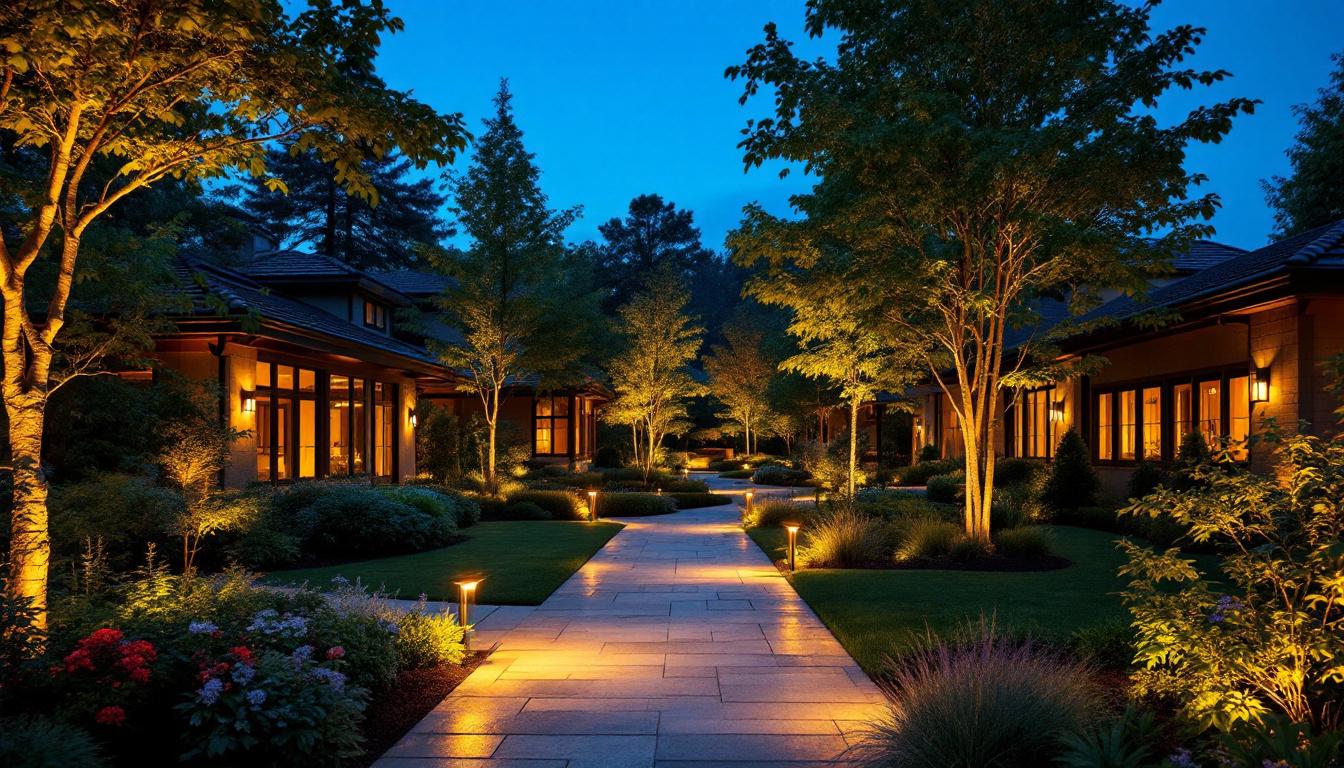
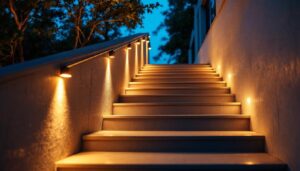
One of the primary factors affecting the cost of landscape lighting is the design complexity. A well-thought-out lighting plan can dramatically transform a space, highlighting architectural features and guiding visitors through a property. This often requires a thorough consultation process, where contractors assess the client’s needs, preferences, and the specific characteristics of the landscape. The more intricate the design—such as incorporating multiple lighting types like path lights, spotlights, and wall sconces—the higher the overall cost. Additionally, the use of smart lighting systems, which allow for remote control and automation, can add to the initial investment but may offer long-term savings through energy efficiency.
Another significant aspect to consider is the quality of materials used. While it may be tempting to opt for lower-cost fixtures, investing in high-quality, durable lighting can pay off in the long run. Premium fixtures are often made from weather-resistant materials that can withstand harsh outdoor conditions, reducing the need for frequent replacements. Furthermore, energy-efficient LED bulbs not only lower electricity bills but also have a longer lifespan compared to traditional incandescent bulbs. Contractors who educate clients on the benefits of quality materials and energy efficiency can help them make informed decisions that align with their budget and long-term goals.
Breaking Down the Components of Landscape Lighting Costs
Design and Planning
Before any fixture is installed, the lighting design must be tailored to the client’s property and preferences. This phase involves assessing the landscape’s features, deciding on lighting goals (accent, security, or pathway lighting), and selecting appropriate fixtures and controls.
Some contractors include design fees in their overall estimate, while others offer it as a separate service. A professional design can range from a few hundred to several thousand dollars depending on the scope. Investing time here pays off by reducing costly changes during installation and ensuring client satisfaction. Additionally, a well-thought-out design takes into account the seasonal changes in the landscape, ensuring that the lighting remains effective and visually appealing throughout the year. For instance, a design that highlights blooming flowers in spring or the vibrant foliage in autumn can enhance the property’s beauty and create a dynamic outdoor atmosphere.
Fixtures and Materials
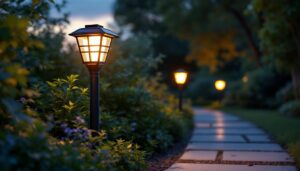
Fixture quality and type play a major role in cost. Basic path lights and spotlights might be affordable, but premium fixtures made from durable materials like brass or copper command higher prices. LED technology has become standard, offering energy efficiency and longevity, but upfront costs can still vary.
Don’t forget wiring, transformers, timers, and smart controls. These components ensure the system operates safely and efficiently. High-end control systems that integrate with home automation can increase costs but appeal to tech-savvy clients. Moreover, selecting fixtures that are weather-resistant and designed for specific environments can prevent premature wear and tear, ultimately saving money in the long run. Clients should also consider the aesthetic aspect of fixtures; decorative elements can enhance the overall design and contribute to the ambiance of outdoor spaces, making the investment even more worthwhile.
Labor and Installation
Labor can account for 40-60% of the total project cost. Skilled electricians and lighting specialists are needed to install wiring safely, position fixtures correctly, and program controls. The complexity of the landscape, soil conditions, and accessibility all impact labor time.
Some contractors charge hourly rates, while others provide flat installation fees. Transparent communication about labor costs helps avoid surprises and builds client confidence. Additionally, the experience level of the labor force can significantly influence the overall quality of the installation. A seasoned professional not only ensures that the lights are installed correctly but also provides valuable insights on optimal fixture placement and energy-efficient practices. Furthermore, proper installation can minimize future maintenance issues, making it a critical aspect of the overall project.
Maintenance and Warranty
Offering maintenance packages or warranties can be a selling point. Landscape lighting systems require occasional bulb replacements, cleaning, and troubleshooting. Including these services in your proposal adds value and can justify higher upfront costs.
Regular maintenance is essential for preserving the functionality and appearance of the lighting system. Seasonal checks can help identify any potential issues before they escalate, ensuring that the lights remain effective and aesthetically pleasing. Additionally, some companies may offer upgrades or retrofitting options for existing systems, allowing clients to enhance their setups with the latest technology without starting from scratch. Providing clients with a comprehensive maintenance plan not only extends the life of their investment but also fosters a long-term relationship built on trust and reliability.
Typical Price Ranges and What Influences Them
While every project is unique, understanding typical price ranges helps contractors set realistic expectations and tailor proposals. Factors such as the complexity of the design, the quality of materials, and the specific features desired can significantly influence overall costs. Additionally, local market conditions and labor availability can also play a crucial role in determining final pricing.
Basic Installations
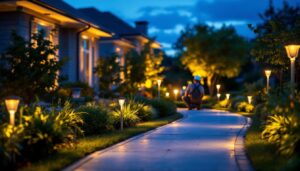
Simple setups focusing on pathways or small garden areas often start around $2,000 to $4,000. These projects usually involve standard LED fixtures, minimal wiring, and straightforward installation. Basic installations are ideal for homeowners looking to enhance their outdoor space without a significant financial commitment. They can provide essential illumination for safety and aesthetics, making pathways visible at night and highlighting the beauty of small flower beds. Furthermore, these installations can often be completed in a single day, allowing homeowners to enjoy their upgraded outdoor environment almost immediately.
Mid-Range Systems
For medium-sized properties with mixed lighting goals—such as highlighting trees, architectural features, and walkways—costs typically fall between $4,000 and $10,000. These projects might include higher-end fixtures and programmable controls. Mid-range systems offer a balance between cost and functionality, allowing for more intricate designs that can adapt to various occasions. For instance, programmable controls can enable homeowners to adjust lighting settings for different events, from intimate gatherings to festive celebrations. Additionally, incorporating smart technology can enhance energy efficiency, allowing users to control their outdoor lighting remotely through mobile apps, thus adding convenience and modern appeal to their outdoor spaces.
High-End Custom Designs
Large estates or commercial properties with elaborate designs can exceed $10,000 easily. These systems often incorporate advanced technology, multiple zones, and premium materials. The design phase is more intensive, and installation requires specialized expertise. High-end custom designs not only elevate the aesthetic appeal of a property but also significantly enhance its functionality. For example, the use of motion sensors and smart lighting can ensure that areas are illuminated only when needed, contributing to energy savings. Furthermore, these systems can be tailored to create dramatic effects, such as uplighting on trees or downlighting on patios, which can transform the ambiance of outdoor spaces. The careful planning and execution involved in high-end installations often result in a stunning visual impact that can increase property value and create a lasting impression on guests and clients alike.
How to Use Cost Knowledge to Win More Contracts
Educate Your Clients
Clients appreciate transparency. Explaining why costs vary, what factors impact pricing, and how quality affects long-term value positions you as a trusted advisor rather than just a vendor. Use visuals or examples from past projects to illustrate your points.
Offer Tiered Packages
Providing options-basic, mid-range, and premium-allows clients to choose what fits their budget without feeling pressured. This approach also opens the door for upselling by highlighting the benefits of higher-tier packages.
Highlight Energy Efficiency and ROI
LED lighting and smart controls reduce energy consumption and maintenance costs. Emphasize these savings when discussing pricing. Many clients are willing to invest more upfront if they see long-term financial benefits.
Leverage Warranties and Maintenance Plans
Including warranties and maintenance services can differentiate your offer. Clients feel reassured knowing you stand behind your work and will support them after installation.
Common Pricing Mistakes to Avoid
Misestimating costs can erode profits and damage reputation. Here are pitfalls to watch for:
Underestimating Labor
Don’t assume every installation will be straightforward. Unexpected challenges like rocky soil or complex wiring needs can increase labor hours. Build contingencies into your estimates.
Ignoring Material Quality
Using cheap fixtures to lower costs might win a bid but can lead to client dissatisfaction and callbacks. Be upfront about the trade-offs between cost and quality.
Failing to Account for Permits or Regulations
Some municipalities require permits or have rules about outdoor lighting. Factor these into your pricing and timeline to avoid delays.
Tools and Strategies for Accurate Estimation
Modern technology can streamline cost estimation and improve accuracy.
Lighting Design Software
Programs that simulate lighting layouts help visualize the project and calculate material needs. This reduces guesswork and enhances client presentations.
Cost Databases and Market Research
Keeping up-to-date with fixture prices, labor rates, and regional variations ensures your estimates reflect current market conditions.
Detailed Proposals
Break down costs clearly in your proposals. Itemize design, materials, labor, and additional services. This clarity builds trust and reduces negotiation friction.
Final Thoughts: Pricing as a Competitive Advantage
Landscape lighting is as much about artistry as it is about technical skill and business acumen. Contractors who master the nuances of cost estimation and communicate value effectively stand out in a crowded market.
Understanding the real costs behind landscape lighting empowers contractors to craft compelling proposals, manage client expectations, and ultimately win more contracts. It’s not just about quoting a price-it’s about telling the story of quality, reliability, and long-term benefits that justify the investment.
Illuminate Your Success with LumenWholesale
Ready to enhance your landscape lighting offerings and win more contracts? At LumenWholesale, we provide contractors like you with the highest quality, spec-grade lighting products at prices that can’t be beaten. Say goodbye to the middleman and hello to superior lighting solutions that meet the most rigorous industry standards. With our unbeatable wholesale prices, free shipping on bulk orders, and a commitment to quality and convenience, you’re set to deliver exceptional value to your clients. Elevate your landscape lighting projects today by visiting Wholesale Lighting at the Best Value and discover the LumenWholesale difference.