Why Hanging Garden Lanterns Matters for Lighting Contractors
Hanging garden lanterns isn’t just about aesthetics; it’s a strategic move that can significantly boost efficiency for lighting contractors. When working outdoors, especially in residential or commercial garden settings, the way lanterns are installed impacts not only the visual appeal but also the time and resources spent on the project.
Lighting contractors face numerous challenges: uneven terrain, weather conditions, and client expectations for quick yet flawless installations. Hanging garden lanterns correctly from the outset helps mitigate these issues, streamlining the entire workflow. This approach reduces the need for adjustments or rework, saving valuable labor hours.
Moreover, the strategic placement of hanging lanterns can enhance the overall ambiance of a space, creating a warm and inviting atmosphere that clients desire. By utilizing lanterns that complement the natural landscape, contractors can elevate the aesthetic quality of outdoor areas, making them more appealing for gatherings or events. This not only satisfies client expectations but can also lead to referrals and repeat business, as satisfied customers are more likely to recommend contractors who deliver both functionality and beauty.
Additionally, the choice of materials and design in hanging garden lanterns plays a crucial role in their longevity and maintenance. Selecting durable materials that can withstand various weather conditions ensures that the installations remain functional and visually appealing over time. Lighting contractors who prioritize quality in their lantern selections can reduce the frequency of replacements and repairs, further enhancing their reputation for reliability and excellence in service. This attention to detail not only benefits the contractor but also provides peace of mind for the client, knowing that their investment is built to last.
Streamlining Installation Processes Through Hanging Techniques
Pre-Planning and Site Assessment
Efficiency begins before the first lantern is hung. Conducting a thorough site assessment allows contractors to identify optimal hanging points, power sources, and potential obstacles. This preparation helps avoid common pitfalls such as insufficient clearance or inadequate support structures.
By mapping out the garden space and deciding on lantern placement in advance, contractors can prepare the necessary tools and materials. This foresight reduces downtime during installation and minimizes the risk of errors that lead to costly delays. Additionally, engaging with the client during this phase can provide insights into their vision, ensuring that the final layout aligns with their expectations. Understanding the garden’s natural light patterns and how they change throughout the day can also influence the placement of lanterns, enhancing both aesthetics and functionality.
Using Standardized Hanging Hardware
Standardizing the hardware used for hanging garden lanterns can dramatically improve installation speed. Choosing hooks, chains, or brackets that are compatible across multiple lantern models means contractors don’t waste time searching for the right parts on site.
Moreover, standardized components simplify training for new team members and ensure consistency in the quality of installations. This consistency builds client trust and reduces callbacks, a key factor in operational efficiency. Furthermore, using standardized hardware can lead to bulk purchasing opportunities, which not only lowers costs but also ensures that contractors always have the necessary supplies on hand. This proactive approach can be particularly advantageous during peak seasons when demand for garden installations surges, allowing teams to maintain a steady workflow without interruptions.
Modular and Adjustable Hanging Systems
Incorporating modular hanging systems that allow for quick adjustments can save hours during installation. Adjustable chains or telescoping rods enable contractors to fine-tune lantern height and positioning without dismantling the entire setup.
This flexibility is especially valuable in gardens with irregular layouts or when clients request changes after the initial installation. Instead of starting from scratch, contractors can adapt the existing setup swiftly, maintaining project momentum. Additionally, these modular systems can be designed to accommodate seasonal changes, allowing clients to easily swap out lanterns or adjust their arrangements as the seasons change. This adaptability not only enhances the longevity of the installation but also encourages clients to engage with their outdoor spaces throughout the year, maximizing the value of their investment in garden lighting.
Reducing Labor Costs and Installation Time
Minimizing Ladder Use and Safety Risks
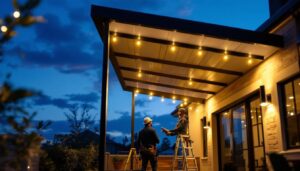
Hanging garden lanterns at accessible heights reduces reliance on ladders or scaffolding, which are time-consuming and pose safety hazards. When lanterns are designed or installed to be reachable from the ground or a stable platform, contractors can work faster and with less risk of injury.
Safety improvements translate directly into efficiency gains. Fewer accidents mean less downtime and lower insurance costs. Additionally, clients appreciate contractors who prioritize safe working conditions, enhancing reputation and future business prospects. Furthermore, by minimizing ladder use, contractors can also reduce the physical strain on their teams, leading to better morale and productivity. Workers who feel safe and comfortable in their environment are more likely to perform at their best, ultimately benefiting the overall project outcome.
Batch Installation Techniques
Grouping lantern installations in batches rather than tackling them one by one allows contractors to capitalize on repetitive motions and tool setups. For example, hanging all lanterns along a single pathway before moving to the next section can reduce the time spent moving equipment and recalibrating tools.
This method also facilitates better teamwork. While one crew member secures hanging points, another can prepare wiring or test connections, ensuring continuous progress without bottlenecks. Moreover, batch installation encourages a systematic approach to the project, allowing for a more organized workflow. By establishing clear roles and responsibilities within the team, contractors can ensure that each phase of the installation process is executed efficiently, leading to a smoother overall operation and a more polished final product.
Leveraging Wireless and Low-Voltage Lighting
Garden lanterns that operate on wireless or low-voltage systems simplify wiring requirements and decrease installation complexity. Contractors can avoid trenching or extensive conduit runs, which are labor-intensive and disruptive to the landscape.
Low-voltage systems also reduce the need for specialized electrical permits and inspections in many jurisdictions, speeding up project timelines. This approach aligns with growing client demand for eco-friendly and low-maintenance lighting solutions. Additionally, wireless technology allows for greater flexibility in design, enabling homeowners to easily reconfigure their lighting layouts without the need for extensive rewiring. As clients become more environmentally conscious, the appeal of sustainable lighting options continues to rise, making low-voltage systems not only a practical choice but also a marketable one for contractors looking to attract a broader clientele.
Enhancing Client Satisfaction and Future Business Opportunities
Delivering Consistent, High-Quality Results
Efficient hanging techniques lead to cleaner, more reliable installations. When garden lanterns are securely mounted and evenly spaced, the lighting effect is both functional and visually pleasing. This consistency reflects professionalism and builds client confidence. The importance of aesthetics cannot be overstated; a well-lit garden not only enhances the beauty of the outdoor space but also increases the overall property value. Clients often take pride in showcasing their homes, and a beautifully illuminated garden can be a significant talking point during gatherings or neighborhood events.
Happy clients are more likely to recommend contractors to neighbors and friends, creating a valuable referral network. Repeat business often comes from clients who trust that their outdoor lighting will be installed efficiently and maintained properly. Moreover, positive word-of-mouth can lead to new opportunities, as satisfied clients share their experiences on social media platforms. In today’s digital age, a single glowing review can attract numerous inquiries, making exceptional service a cornerstone of sustainable business growth.
Offering Maintenance-Friendly Installations
Garden lanterns that are easy to access and adjust encourage clients to perform regular maintenance, which extends the lifespan of the lighting system. Contractors who design installations with maintenance in mind reduce the likelihood of emergency repair calls. Additionally, incorporating features such as weather-resistant materials and durable fixtures can minimize wear and tear, ensuring that the installations remain in top condition for years to come. This foresight not only saves clients money in the long run but also reinforces the contractor’s reputation for quality and reliability.
Providing clients with simple instructions on how to clean or replace bulbs without professional help can also improve satisfaction. This proactive approach positions contractors as trusted advisors rather than just installers. Offering seasonal maintenance tips or reminders can further enhance the client relationship, showing that the contractor cares about the longevity and performance of the installation. By fostering a sense of partnership, contractors can create loyal clients who are more likely to return for future projects or upgrades.
Adapting to Trends and Technology
Lighting contractors who embrace hanging garden lanterns as part of a broader strategy to integrate smart lighting controls and energy-efficient bulbs stay ahead of the competition. Efficient installation methods make it easier to upgrade systems later, adding value for clients. As technology continues to evolve, the demand for innovative solutions in outdoor lighting is on the rise. Clients are increasingly interested in sustainable options that not only reduce energy consumption but also align with their eco-friendly values.
Smart garden lanterns that can be controlled remotely or programmed for different lighting scenes are increasingly popular. Contractors who master efficient hanging techniques can incorporate these advanced features without sacrificing installation speed. Additionally, educating clients about the benefits of smart technology—such as energy savings, enhanced security, and convenience—can lead to higher client engagement and satisfaction. By staying informed about the latest trends and technologies, contractors can position themselves as industry leaders, ready to meet the evolving needs of their clients.
Practical Tips for Lighting Contractors Hanging Garden Lanterns
Choose Durable Materials Suitable for Outdoor Use
Garden lanterns and their hanging hardware must withstand exposure to moisture, temperature fluctuations, and UV rays. Selecting corrosion-resistant metals and weatherproof finishes ensures longevity and reduces maintenance calls.
Investing in quality materials upfront may increase initial costs but pays off by minimizing replacements and repairs.
Test Lighting Before Finalizing Installation
Testing each lantern’s functionality immediately after hanging prevents the need to dismantle and troubleshoot later. Contractors should verify wiring connections, bulb operation, and light distribution before completing the job.
This step catches issues early and reinforces a reputation for thoroughness and reliability.
Document Installation Details for Future Reference
Keeping detailed records of lantern locations, wiring diagrams, and hardware specifications helps streamline future maintenance or upgrades. Clients appreciate when contractors provide this documentation as part of the service package.
It also benefits contractors by reducing guesswork and speeding up follow-up visits.
Conclusion: Hanging Garden Lanterns as a Key to Efficiency
For lighting contractors, mastering the art of hanging garden lanterns is more than a technical skill-it’s a pathway to enhanced efficiency, safety, and client satisfaction. Thoughtful planning, standardized hardware, and adaptable systems cut down installation time and labor costs.
By focusing on these strategies, contractors can deliver high-quality outdoor lighting solutions that meet client expectations and position their business for sustained growth. Hanging garden lanterns properly isn’t just about illumination; it’s about illuminating the way to smarter, more efficient contracting.
Illuminate Your Projects with LumenWholesale
Ready to elevate your lighting installations with efficiency and style? At LumenWholesale, we offer an exceptional range of high-quality, spec-grade garden lanterns and lighting accessories that will transform your projects. Our unbeatable wholesale prices mean you can provide your clients with premium lighting solutions without the inflated markups. With our commitment to quality, affordability, and convenience, you’ll find everything you need to create stunning and efficient outdoor spaces. Take advantage of our hassle-free bulk buying and free shipping today. Visit LumenWholesale for Wholesale Lighting at the Best Value and light up your business potential.