As the demand for energy-efficient and aesthetically pleasing lighting solutions continues to rise, LED strip lighting has emerged as a popular choice among homeowners and businesses alike. For lighting contractors, understanding the nuances of LED strip lighting is essential to meet client expectations and deliver exceptional results. This article provides crucial insights into LED strip lighting, covering its benefits, installation tips, and design considerations.
Understanding LED Strip Lighting
LED strip lighting, also known as LED tape or ribbon lighting, consists of flexible circuit boards populated with light-emitting diodes (LEDs). These strips can be cut to length and are available in various colors and brightness levels, making them a versatile option for a wide range of applications. Their adaptability allows them to be used in both residential and commercial settings, enhancing the ambiance and functionality of spaces.
Types of LED Strip Lights
There are several types of LED strip lights available, each designed for specific applications. Understanding these types can help contractors recommend the best option for their clients. The selection process can be influenced by factors such as the intended use, location, and desired aesthetic effect.
- Standard LED Strips: These are the most common type, available in various brightness levels and colors. They are ideal for general lighting and decorative purposes, such as illuminating shelves or creating a warm glow in living rooms.
- High-Output LED Strips: Designed for applications requiring more illumination, these strips are perfect for task lighting or areas with high ceilings. They are often used in commercial spaces like warehouses or workshops where bright, focused light is essential.
- RGB and RGBW Strips: These strips allow for color-changing capabilities, enabling users to create dynamic lighting effects. RGBW strips include a dedicated white LED for improved color accuracy, making them a popular choice for events and mood lighting.
Benefits of LED Strip Lighting
LED strip lighting offers numerous advantages that make it a preferred choice for both contractors and clients. Understanding these benefits can help contractors effectively communicate the value of LED solutions. Beyond the immediate benefits, the long-term implications of choosing LED technology can significantly impact project budgets and sustainability goals.
- Energy Efficiency: LED technology consumes significantly less energy compared to traditional lighting options, leading to lower utility bills and a reduced carbon footprint. This efficiency is particularly advantageous in large installations, where energy savings can accumulate substantially over time.
- Longevity: LED strips have a longer lifespan, often lasting up to 50,000 hours or more, which means less frequent replacements and maintenance for clients. This durability not only translates to cost savings but also reduces the hassle of dealing with burnt-out bulbs.
- Versatility: The flexibility of LED strips allows for creative installations in various settings, from under cabinets and along staircases to accentuating architectural features. Their ability to conform to different shapes and surfaces opens up endless possibilities for innovative lighting designs.
In addition to these benefits, LED strip lighting is also known for its low heat emission, making it a safer option for enclosed spaces or areas where heat buildup could be a concern. This characteristic allows for installations in places where traditional lighting might pose a fire hazard. Furthermore, the ease of installation and the availability of adhesive backing on many strips make them user-friendly, enabling even DIY enthusiasts to enhance their spaces with professional-looking results. As technology continues to advance, features such as smart controls and integration with home automation systems are becoming increasingly common, further expanding the potential applications of LED strip lighting.
Installation Considerations
Proper installation is crucial to ensure the longevity and effectiveness of LED strip lighting. Contractors should be aware of several key factors when installing these systems.
Power Supply Requirements
One of the first considerations in LED strip installation is determining the appropriate power supply. LED strips typically operate on low voltage, requiring a compatible power supply to convert standard voltage to the necessary level.
Contractors should calculate the total wattage of the LED strips being installed to select a power supply that can handle the load. It is advisable to choose a power supply with a capacity greater than the total wattage to ensure reliable performance and avoid overheating.
Adhesive and Mounting Options
Most LED strips come with an adhesive backing for easy installation. However, for areas with high heat or humidity, additional mounting options may be necessary. Using mounting clips or channels can provide added stability and ensure the strips remain securely in place over time.
When installing LED strips in outdoor settings, contractors should opt for weatherproof options and appropriate mounting techniques to protect against the elements.
Heat Management
Heat management is a critical aspect of LED strip installation. Although LEDs generate less heat than traditional bulbs, excessive heat can still impact performance and lifespan. Contractors should ensure that strips are installed on surfaces that can dissipate heat effectively.
Using aluminum channels can help with heat dissipation while also enhancing the aesthetic appeal of the installation. Additionally, ensuring adequate spacing between strips can prevent overheating and improve overall performance.
Design Considerations for LED Strip Lighting
When it comes to design, LED strip lighting offers a wealth of possibilities. Contractors should consider various factors to create visually appealing and functional lighting solutions.
Color Temperature and Brightness
Choosing the right color temperature and brightness level is crucial for achieving the desired ambiance. LED strips are available in a range of color temperatures, from warm white (2700K) to cool white (6500K).
Contractors should assess the intended use of the space and the client’s preferences when selecting color temperature. For instance, warm white is often preferred for living areas, while cooler temperatures are suitable for workspaces and kitchens.
Layering and Dimensional Lighting
Layering different types of lighting can create depth and interest in a space. Contractors should encourage clients to consider using LED strips in conjunction with other light sources, such as recessed lighting or pendant fixtures.
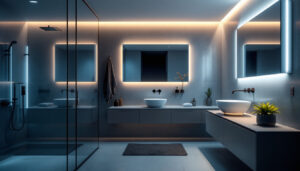
Dimensional lighting techniques, such as cove lighting or wall washing, can also enhance the visual appeal of a space. By strategically placing LED strips, contractors can highlight architectural features and create a more dynamic environment.
Control Options
Modern LED strip lighting systems often come with various control options, allowing users to customize their lighting experience. Contractors should educate clients about the available options, such as remote controls, smartphone apps, and smart home integration.
These control options can enhance the functionality of LED strip lighting, enabling users to adjust brightness, change colors, and set schedules according to their preferences.
Common Challenges and Solutions
While LED strip lighting offers numerous benefits, contractors may encounter challenges during installation and design. Being aware of these common issues can help contractors provide effective solutions.
Voltage Drop
Voltage drop can occur when LED strips are installed over long distances, leading to uneven brightness and performance. To mitigate this issue, contractors should consider using shorter lengths of LED strips or installing additional power supplies at intervals along the strip.
Another solution is to use thicker gauge wire for longer runs, which can help reduce resistance and improve performance.
Inconsistent Color Output
Inconsistent color output can be a concern, particularly when using multiple strips in a single installation. To ensure uniformity, contractors should use strips from the same manufacturer and batch, as variations can occur between different products.
Additionally, using a color calibration tool can help ensure that all strips emit the same color temperature and brightness, providing a cohesive look.
Adhesive Failure
In some cases, the adhesive on LED strips may fail, leading to sagging or detachment. To prevent this issue, contractors should ensure that the installation surface is clean and dry before applying the strips.
For added security, using mounting clips or channels can provide a more durable solution, especially in areas prone to temperature fluctuations or moisture.
Future Trends in LED Strip Lighting
The LED strip lighting industry is continually evolving, with new technologies and trends emerging regularly. Staying informed about these developments can help contractors remain competitive and offer cutting-edge solutions to clients.
Smart Lighting Integration
Smart lighting integration is becoming increasingly popular, allowing users to control their lighting systems through smart devices. This trend is expected to continue, with more LED strip products featuring compatibility with smart home systems.
Contractors should familiarize themselves with the latest smart lighting technologies and be prepared to offer clients integrated solutions that enhance convenience and energy efficiency.
Improved Energy Efficiency
As technology advances, LED strip lighting is becoming even more energy-efficient. Manufacturers are continually working to improve the performance of LEDs, resulting in brighter output with lower energy consumption.
Contractors should stay updated on the latest energy-efficient products and educate clients about the long-term savings associated with these advancements.
Customization and Personalization
Customization options are becoming more prevalent in LED strip lighting, allowing clients to create unique lighting solutions tailored to their preferences. From color-changing capabilities to programmable settings, the possibilities are endless.
Contractors should encourage clients to explore these customization options, helping them create personalized lighting experiences that reflect their style and enhance their spaces.
Conclusion
LED strip lighting presents a wealth of opportunities for lighting contractors looking to enhance their offerings. By understanding the various types, benefits, installation considerations, and design possibilities, contractors can provide exceptional service to their clients.
As the industry continues to evolve, staying informed about trends and advancements will ensure that contractors remain at the forefront of the lighting market. Embracing LED strip lighting not only enhances the aesthetic appeal of spaces but also contributes to energy efficiency and sustainability, making it a crucial component of modern lighting solutions.
Illuminate Your Projects with LumenWholesale
Ready to elevate your lighting projects with the efficiency and beauty of LED strip lighting? Look no further than LumenWholesale for all your lighting needs. We provide contractors with the highest quality, spec-grade LED lighting products at prices that can’t be beaten. Say goodbye to local distributor markups and hello to our extensive selection that meets rigorous industry standards. With free shipping on bulk orders, LumenWholesale is your go-to source for premium lighting solutions that combine quality, affordability, and convenience. Don’t compromise on your lighting—choose LumenWholesale for Wholesale Lighting at the Best Value.