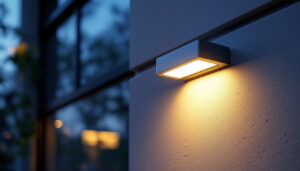
Understanding the Importance of Lighting Range
Lighting is more than just illumination. It shapes the atmosphere, influences mood, and enhances functionality in any space. For lighting contractors, mastering the concept of “lights in range” is fundamental to crafting designs that are both effective and visually appealing.
The term “lights in range” refers to the strategic placement and selection of lighting fixtures within the appropriate spatial parameters. This ensures that each light source covers its intended area without creating unwanted shadows, glare, or dark spots. When lights are placed too close or too far from their target zones, the overall design suffers, compromising both aesthetics and usability.
Getting the range right is not just about distance but also about understanding beam angles, lumen output, and the interplay between different light sources. A well-executed lighting range plan balances these factors to create a seamless experience.
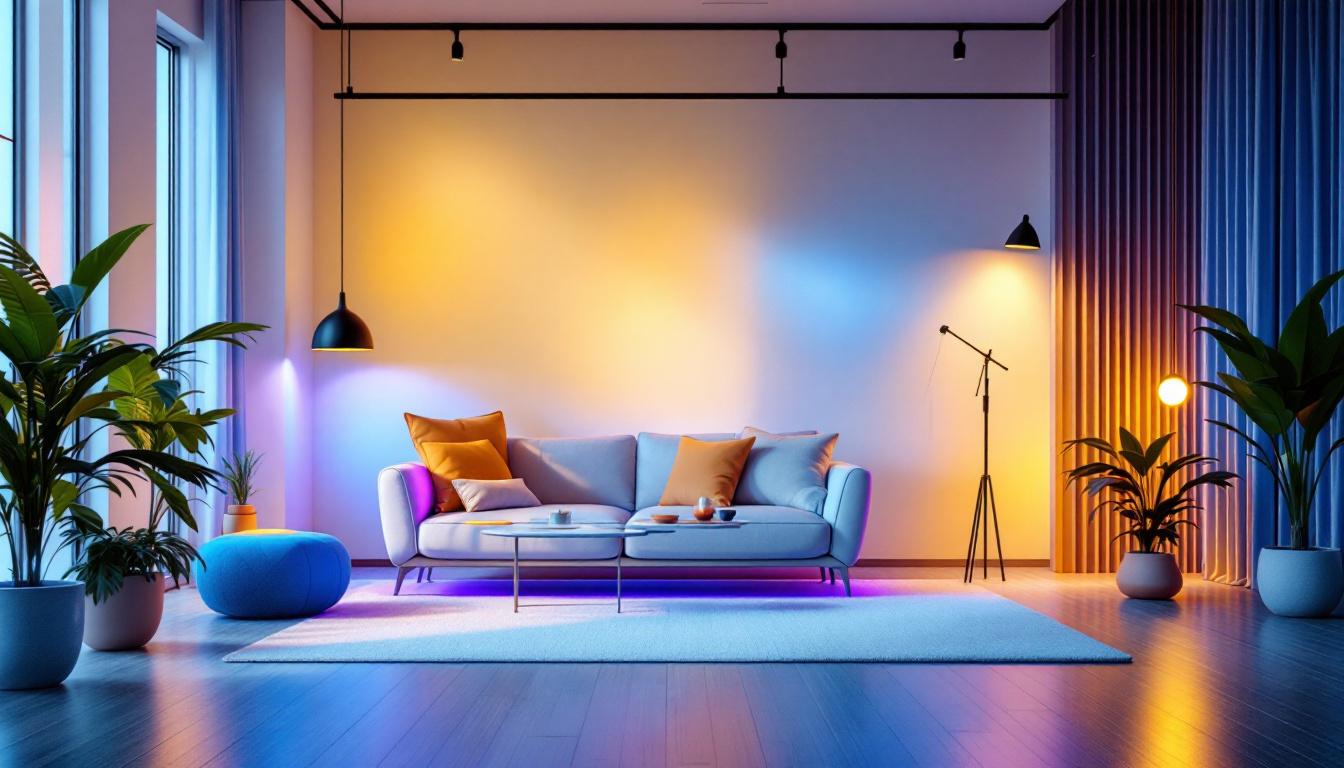
Moreover, the color temperature of the lights plays a crucial role in defining the ambiance of a space. Warmer tones can evoke a sense of coziness and relaxation, making them ideal for living rooms and bedrooms, while cooler tones can enhance focus and alertness, perfect for workspaces or kitchens. Lighting contractors must consider not only the physical placement of fixtures but also how the color of the light interacts with the materials and colors of the surrounding environment. This thoughtful integration can transform a mundane room into a vibrant, inviting area that resonates with its intended purpose.
Additionally, technological advancements have introduced smart lighting solutions that allow for dynamic adjustments based on time of day or user preference. These systems can automatically adjust brightness and color temperature, creating a tailored experience that enhances comfort and functionality. As such, understanding the importance of lighting range also involves staying updated on these innovations, ensuring that designs not only meet current aesthetic standards but are also adaptable to future trends and user needs. This forward-thinking approach can significantly elevate the quality and versatility of lighting designs, making them more relevant and effective in a rapidly changing world.
Key Factors Influencing Effective Lighting Range
Beam Angle and Light Distribution
Beam angle determines how wide or narrow the light spreads from a fixture. Narrow beams focus light on a specific area, ideal for accent lighting or highlighting architectural features. Wide beams cover larger spaces, suitable for general illumination.
For contractors, selecting fixtures with the correct beam angle is crucial. A mismatch can result in uneven lighting, where some areas are overexposed while others remain dim. For example, using a narrow beam spotlight in a broad living room without additional sources will create isolated pools of light rather than uniform coverage.
Lumen Output and Brightness Levels
Lumens measure the amount of visible light emitted by a source. Choosing fixtures with appropriate lumen output ensures that spaces are neither underlit nor excessively bright. Overly bright lighting can cause discomfort and glare, while insufficient light reduces visibility and safety.
Lighting contractors must assess the function of each space to determine the right lumen levels. A retail environment requires brighter, more dynamic lighting to attract attention and showcase products, whereas a restaurant benefits from softer, warmer light to foster a cozy ambiance.
Mounting Height and Distance
The height at which a fixture is installed directly impacts its effective range. Higher mounting positions increase the coverage area but reduce intensity at the surface level. Conversely, lower mounts concentrate light in smaller zones with greater brightness.
Distance between fixtures also matters. Too close, and the lighting overlaps excessively, wasting energy and causing hotspots. Too far apart, and dark patches emerge, undermining the design’s purpose. Contractors must calculate optimal spacing based on fixture specifications and room dimensions.
Practical Strategies for Optimizing Light Placement
Layering Light for Depth and Function
Successful lighting designs rarely rely on a single source. Instead, layering different types of lighting-ambient, task, and accent-creates depth and flexibility. Each layer serves a unique purpose and requires careful range planning.
Ambient lighting offers general illumination, often achieved through ceiling fixtures or recessed lights. Task lighting focuses on specific activities like reading or cooking, using desk lamps or under-cabinet lights. Accent lighting highlights artwork or architectural details with spotlights or wall washers.
By combining these layers thoughtfully, contractors can tailor the lighting environment to meet both functional needs and aesthetic goals. Ensuring each layer’s fixtures are within their effective range prevents gaps and overlaps.
Using Lighting Controls to Enhance Range Efficiency
Dimming systems, motion sensors, and smart controls allow for dynamic adjustment of lighting intensity and coverage. These technologies help maintain optimal lighting levels throughout the day and adapt to changing needs.
For example, dimmers can reduce lumen output during evening hours, creating a softer atmosphere without changing fixture placement. Motion sensors activate lights only when needed, conserving energy in less frequented areas. Smart controls enable remote management and scene setting, enhancing user experience.
Incorporating these controls into lighting designs maximizes the effectiveness of lights in range by fine-tuning their performance in real time.
Accounting for Room Geometry and Surface Reflectance
Room shape and surface materials significantly influence how light behaves. Light reflects differently off matte walls compared to glossy surfaces, affecting perceived brightness and coverage.
Contractors should consider these factors when planning fixture placement and selecting beam angles. For instance, a room with dark walls may require higher lumen output or additional fixtures to compensate for light absorption. Conversely, reflective surfaces can amplify light, allowing for fewer or lower-output sources.
Understanding these nuances helps prevent common pitfalls like uneven lighting or excessive glare, ensuring the design functions as intended.
Common Mistakes and How to Avoid Them
Overlooking the Human Element
Lighting designs that ignore occupant comfort and behavior often fall short. Brightness levels that are too intense or poorly positioned fixtures can cause eye strain and discomfort.
Contractors should engage with clients to understand how spaces are used and tailor lighting accordingly. Ergonomic considerations, such as avoiding direct glare in work areas or providing adjustable task lighting, contribute to better user satisfaction.
Neglecting Maintenance and Longevity
Choosing fixtures solely based on initial appearance or cost can lead to problems down the line. Poor-quality lights may degrade quickly, shifting their effective range and diminishing overall design quality.
Investing in durable, energy-efficient fixtures with consistent lumen maintenance ensures that lighting remains effective over time. Planning for easy access and replacement also helps maintain optimal range and performance.
Ignoring Environmental and Energy Impacts
Efficient lighting designs balance performance with sustainability. Over-illumination wastes energy and contributes to light pollution, which affects both ecosystems and human health.
Contractors should prioritize LED technology, use appropriate controls, and design with precision to minimize excess light. This approach not only reduces operational costs but also aligns with growing environmental standards and client expectations.
Case Studies: Lights In Range in Action
Retail Store Revamp
A major retail chain recently overhauled its lighting to improve product visibility and customer experience. By analyzing the effective range of existing fixtures, contractors identified areas with uneven lighting and dark corners.
They introduced a layered lighting scheme with adjustable spotlights and wide-beam ambient lights, carefully spaced to avoid overlap while ensuring full coverage. The result was a brighter, more inviting space that boosted sales and reduced energy consumption by 20%.
Hospitality Lighting Upgrade
In a boutique hotel, lighting contractors faced the challenge of creating a warm, welcoming atmosphere without sacrificing functionality. They selected fixtures with warm color temperatures and varied beam angles to highlight architectural features and provide comfortable task lighting in guest rooms.
Strategic placement within the effective range of each fixture prevented glare and shadows, enhancing guest satisfaction. Smart controls allowed staff to adjust lighting scenes for different times of day and events, adding versatility.
Office Space Optimization
An office renovation project emphasized employee well-being and productivity. Contractors used lighting simulations to map out fixture placement, ensuring all workstations received adequate task lighting within the optimal range.
They incorporated daylight sensors and dimmable LEDs to maintain consistent light levels throughout the day. This approach reduced eye strain complaints and increased reported comfort, demonstrating the power of precise lighting range planning.
Tools and Techniques for Lighting Range Assessment
Lighting Design Software
Modern lighting design relies heavily on software that models light distribution and intensity. Tools like DIALux and Relux allow contractors to simulate fixture placement, beam angles, and lumen output in virtual environments.
These programs help visualize how lights interact with room geometry and surfaces, enabling data-driven decisions that optimize range and coverage before any physical installation.
Photometric Testing and Measurement
Using photometers and lux meters on-site provides real-world data about light levels and distribution. Contractors can verify that fixtures perform as expected and adjust placement or settings accordingly.
Regular measurement during and after installation ensures that lighting remains within design parameters, maintaining quality over time.
Collaboration with Architects and Interior Designers
Effective lighting range planning benefits from early collaboration with other design professionals. Understanding architectural intent and interior finishes informs fixture selection and placement strategies.
Contractors who engage in integrated design processes can anticipate challenges and deliver solutions that enhance the overall project outcome.
Conclusion: Mastering Lights In Range for Superior Lighting Designs
Achieving superior lighting designs requires more than selecting attractive fixtures. It demands a deep understanding of how lights function within their effective range, balancing beam angles, lumen output, mounting height, and spatial considerations.
By applying practical strategies, avoiding common pitfalls, and leveraging modern tools, lighting contractors can create environments that are both beautiful and functional. The secret to better lighting designs lies in the thoughtful orchestration of lights in range-illuminating spaces with precision and purpose.
Illuminate Your Projects with LumenWholesale
Ready to bring your lighting designs to life with precision and purpose? At LumenWholesale, we provide lighting contractors with the high-quality, spec-grade lighting solutions needed to master the art of “lights in range.” Our extensive selection of products ensures you have access to the best lighting options at wholesale prices, without the burden of inflated markups. With free shipping on bulk orders, you can confidently equip your projects with premium lighting that meets the highest industry standards. Elevate your lighting designs today by visiting Wholesale Lighting at the Best Value and discover the ideal blend of quality, affordability, and convenience at LumenWholesale.