Why 4-Inch LED Recessed Lighting Stands Out
When selecting lighting solutions for residential or commercial projects, the 4-inch LED recessed light offers a unique balance of size, efficiency, and versatility. Unlike larger fixtures, these compact lights fit seamlessly into tight spaces, making them ideal for kitchens, hallways, bathrooms, and accent lighting. Their smaller footprint allows contractors to install more fixtures without overwhelming the ceiling design.
Energy efficiency is a key selling point. These LEDs consume significantly less power than traditional incandescent or halogen bulbs, reducing energy costs and heat output. For lighting contractors, this translates into satisfied clients who appreciate both the aesthetic and operational benefits.
Another advantage is the variety of beam angles and color temperatures available. From warm white tones that create cozy atmospheres to cooler whites that enhance task visibility, 4-inch LED recessed lights can be tailored to suit any environment. This flexibility enables contractors to meet diverse client needs with a single product line.
Moreover, the longevity of these LED fixtures is a significant factor that sets them apart. With lifespans often exceeding 25,000 hours, they drastically reduce the frequency of replacements compared to traditional bulbs. This durability not only minimizes maintenance costs but also contributes to a more sustainable approach to lighting, as fewer materials are consumed over time. Homeowners and businesses alike can enjoy peace of mind knowing that their lighting solutions are built to last.
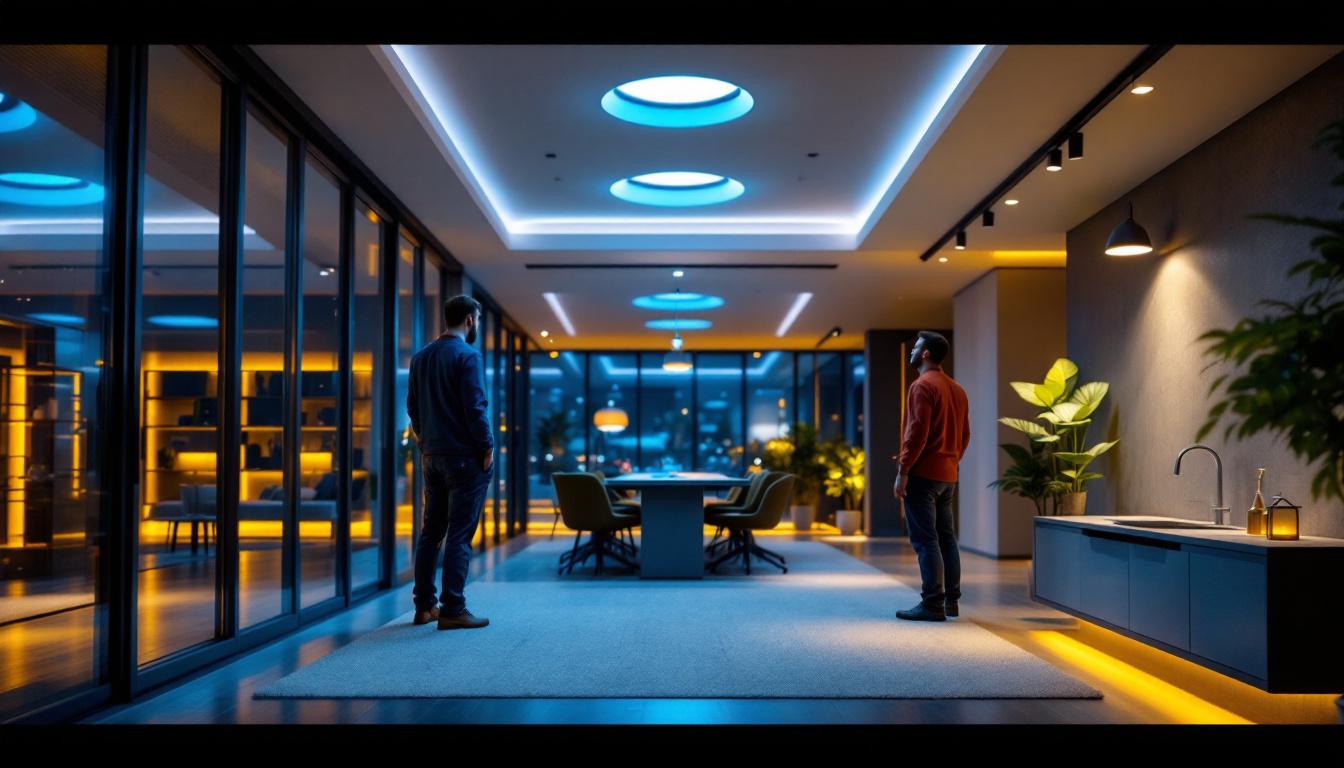
Additionally, the design of 4-inch LED recessed lights allows for innovative lighting schemes. They can be used to create dramatic effects, such as highlighting architectural features or artwork, by strategically placing them in key locations. This capability is particularly beneficial in commercial spaces where ambiance plays a crucial role in customer experience. The ability to adjust brightness levels and color temperatures also means that the same lighting can adapt to different occasions, from bright and functional during the day to soft and inviting in the evening.
Installation Best Practices for Lighting Contractors
Assessing the Space and Electrical Requirements
Before installation, a thorough assessment of the space is crucial. Understanding ceiling depth, insulation type, and existing wiring determines the appropriate housing and fixture selection. For example, in insulated ceilings, IC-rated housings are mandatory to prevent fire hazards. Additionally, evaluating the layout of the space can help in determining the optimal placement of fixtures to achieve uniform light distribution. This consideration is particularly important in areas like kitchens and living rooms, where task lighting and ambient lighting need to be balanced effectively.
Electrical load calculations ensure the circuit can handle the additional fixtures without tripping breakers. Lighting contractors should verify the voltage and amperage compatibility of the LED fixtures with the existing system to avoid performance issues. It is also wise to consider future expansion; planning for additional circuits or outlets can save time and resources down the line, especially in residential projects where homeowners may want to add more lighting or devices later.
Choosing the Right Housing and Trim
4-inch LED recessed lights come with various housing options—new construction, remodel, and shallow housings. New construction housings are designed for open ceilings and offer secure mounting, while remodel housings fit into existing ceilings without major alterations. When selecting housing, contractors should also consider the ceiling height and the desired light output, as this can significantly influence the overall effectiveness of the lighting scheme.
Trim selection affects both aesthetics and light distribution. Reflector trims maximize brightness, while baffle trims reduce glare. Contractors should consider the room’s purpose and client preferences when selecting trims to enhance the overall lighting effect. For instance, in a home theater, a contractor might opt for adjustable trims that allow for directional lighting, creating an immersive viewing experience. Furthermore, the finish of the trim—whether it’s matte, polished, or painted—can also play a significant role in complementing the interior design of the space.
Wiring and Safety Considerations
Proper wiring practices are essential to ensure safety and longevity. Using connectors rated for LED fixtures and adhering to local electrical codes prevents hazards. Additionally, dimmable LED recessed lights require compatible dimmer switches to avoid flickering or reduced lifespan. It’s advisable for contractors to test the dimmers with the fixtures before finalizing the installation to ensure a seamless user experience. This can prevent callbacks and enhance customer satisfaction.
Contractors must also account for heat dissipation. Although LEDs generate less heat than traditional bulbs, inadequate ventilation can still cause premature failure. Ensuring housings have sufficient airflow or incorporating thermal protection features is a smart precaution. Moreover, using thermal insulation pads can help maintain energy efficiency while protecting the fixtures from heat buildup. This attention to detail not only prolongs the life of the lighting but also aligns with energy-saving practices that many clients are increasingly prioritizing in their home renovations.
Optimizing Lighting Design with 4-Inch LEDs
Layering Light for Function and Ambiance
Effective lighting design goes beyond simply illuminating a space. Combining ambient, task, and accent lighting creates depth and functionality. 4-inch LED recessed lights excel at providing ambient light, but when strategically placed, they can also highlight artwork, architectural features, or work areas. For instance, in a living room, a combination of recessed lights and floor lamps can create a cozy atmosphere, while in a workspace, task lighting can ensure that every detail is illuminated for maximum productivity.
Spacing is critical. Overcrowding fixtures can cause uneven light distribution, while too few can leave dark spots. A general rule of thumb is to space 4-inch recessed lights approximately 4 to 6 feet apart, but this varies based on ceiling height and desired brightness. Additionally, considering the beam angle of the LEDs is essential; a narrower beam can focus light on specific areas, while a wider beam can provide a more general wash of light. This thoughtful arrangement not only enhances the visual appeal of the space but also ensures that each area serves its intended purpose effectively.
Color Temperature and CRI Considerations
Choosing the right color temperature impacts mood and productivity. Warm whites (2700K-3000K) are inviting and relaxing, ideal for living spaces. Neutral whites (3500K-4100K) suit kitchens and offices, while cooler whites (5000K-6500K) mimic daylight and enhance focus. The choice of color temperature can also influence how we perceive the size and shape of a room; for example, cooler tones can make a space feel larger and more open, while warmer tones create a sense of intimacy and comfort.
Color Rendering Index (CRI) measures how accurately a light source reveals colors. LEDs with a CRI of 80 or higher are generally acceptable, but spaces like retail stores or galleries benefit from CRIs above 90 to showcase products vividly. Lighting contractors should educate clients on these nuances to tailor lighting solutions effectively. Furthermore, it’s worth noting that the interplay between color temperature and CRI can significantly affect the overall aesthetic of a room. For instance, a warm light with a high CRI can make wood tones appear richer and more vibrant, while a cooler light may wash out those same colors. Understanding these dynamics allows for a more informed selection of lighting that meets both functional and aesthetic needs, enhancing the overall design of the space.
Common Challenges and How to Overcome Them
Dealing with Ceiling Constraints
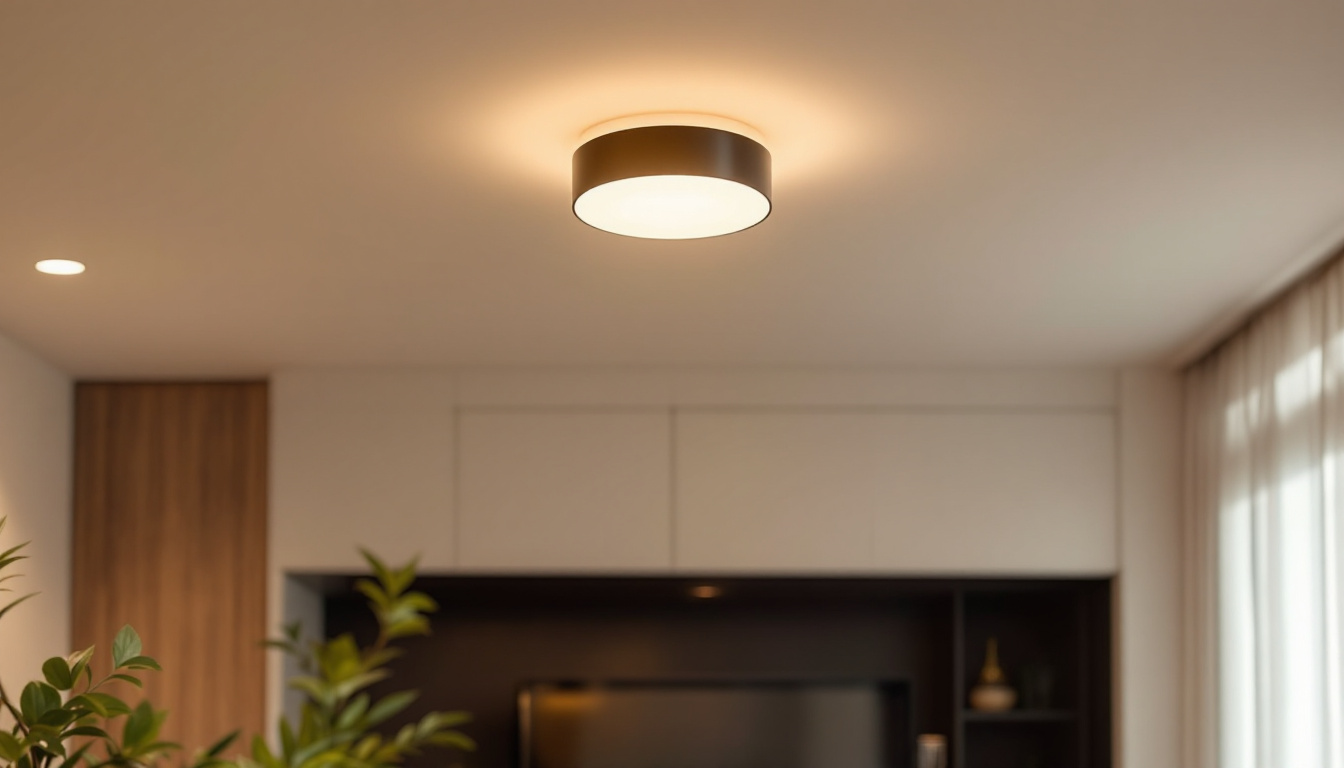
Low ceilings or limited plenum space can restrict housing options. Shallow housings designed for tight spaces help overcome this, but sometimes surface-mounted or wall-mounted alternatives may be necessary. Contractors should assess each site carefully and discuss limitations with clients upfront.
Ensuring Compatibility with Smart Controls
Smart lighting is increasingly popular, but not all 4-inch LED recessed lights are compatible with smart dimmers or control systems. Selecting fixtures labeled as “smart-compatible” or testing with client-preferred systems prevents costly retrofits and client dissatisfaction.
Managing Glare and Light Spill
Glare can cause discomfort and reduce the effectiveness of lighting. Using trims with baffles or adjustable gimbals allows contractors to control light direction and soften harshness. Additionally, selecting appropriate beam angles minimizes unwanted light spill onto walls or adjacent rooms.
Maximizing Client Satisfaction and Project Success
Providing Clear Communication and Education
Clients often underestimate the impact of lighting choices. Lighting contractors who explain the benefits of 4-inch LED recessed lighting-energy savings, design flexibility, and maintenance advantages-build trust and help clients make informed decisions.
Offering mock-ups or lighting simulations can illustrate how different layouts and color temperatures affect the space. This proactive approach reduces change orders and enhances client confidence.
Post-Installation Support and Maintenance
LED fixtures generally require minimal maintenance, but providing clients with guidance on cleaning, dimmer compatibility, and warranty information adds value. Promptly addressing any issues post-installation reinforces professionalism and encourages repeat business.
Staying Updated with Industry Trends
LED technology evolves rapidly. Lighting contractors who stay informed about new products, standards, and best practices maintain a competitive edge. Attending trade shows, participating in training sessions, and subscribing to industry publications ensures expertise remains current.
Conclusion
Mastering 4-inch LED recessed lighting involves more than just installation. It requires a comprehensive understanding of product specifications, electrical requirements, design principles, and client communication. Lighting contractors who invest time in these areas deliver superior results that enhance spaces and satisfy clients.
By embracing the versatility and efficiency of 4-inch LED recessed lights, contractors can confidently tackle a wide range of projects, from cozy residential rooms to bustling commercial environments. The right approach transforms a simple fixture into a powerful design element that elevates any space.
Illuminate Your Projects with LumenWholesale
Ready to elevate your lighting projects with the efficiency and elegance of 4-inch LED recessed lights? At LumenWholesale, we provide lighting contractors with the highest quality, spec-grade lighting solutions at unbeatable wholesale prices. Say goodbye to inflated markups and hello to a vast selection of reliable, high-performance lighting that meets the most rigorous industry standards. Plus, with free shipping on bulk orders, you can stock up on premium lighting without any hidden fees or compromises. Experience the perfect blend of quality, affordability, and convenience today. Visit LumenWholesale for Wholesale Lighting at the Best Value and transform your lighting installations into masterpieces.