Understanding External Light Fixtures: A Comprehensive Overview
External light fixtures are essential components in both residential and commercial lighting projects. For lighting contractors, understanding the variety, functionality, and installation nuances of these fixtures is critical to delivering safe, efficient, and aesthetically pleasing results. Unlike internal fixtures, external lighting must withstand environmental elements, comply with specific safety standards, and often integrate with landscape or architectural designs.
At its core, an external light fixture is any lighting device designed for outdoor use. These fixtures illuminate pathways, enhance security, highlight architectural features, and contribute to the overall ambiance of an outdoor space. Their design and technology have evolved significantly, offering a wide range of options from traditional lantern-style fixtures to advanced LED floodlights with smart controls. The advent of smart technology has further transformed outdoor lighting, allowing homeowners and businesses to control their lighting systems remotely via smartphones or home automation systems, enhancing convenience and energy efficiency.
Types of External Light Fixtures
Lighting contractors encounter various types of external fixtures, each tailored for specific applications and environments. The most common categories include:
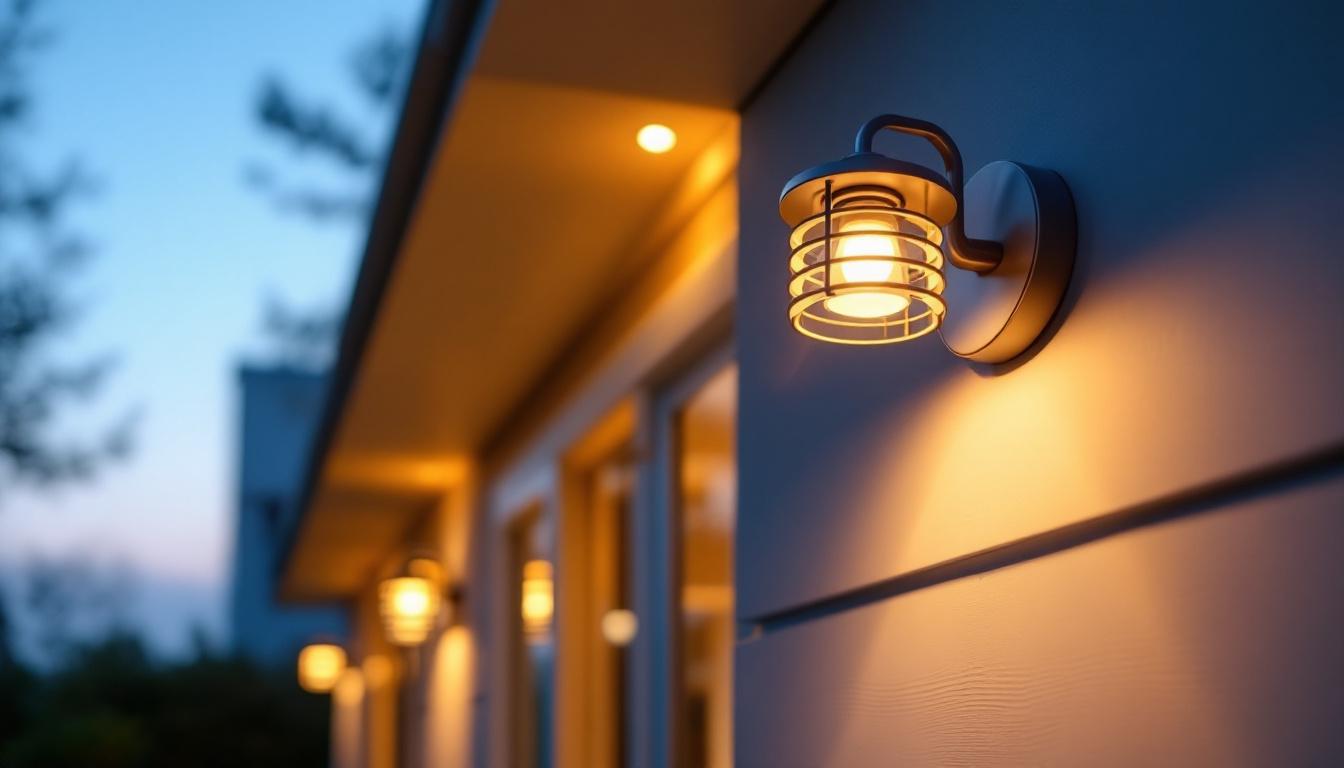
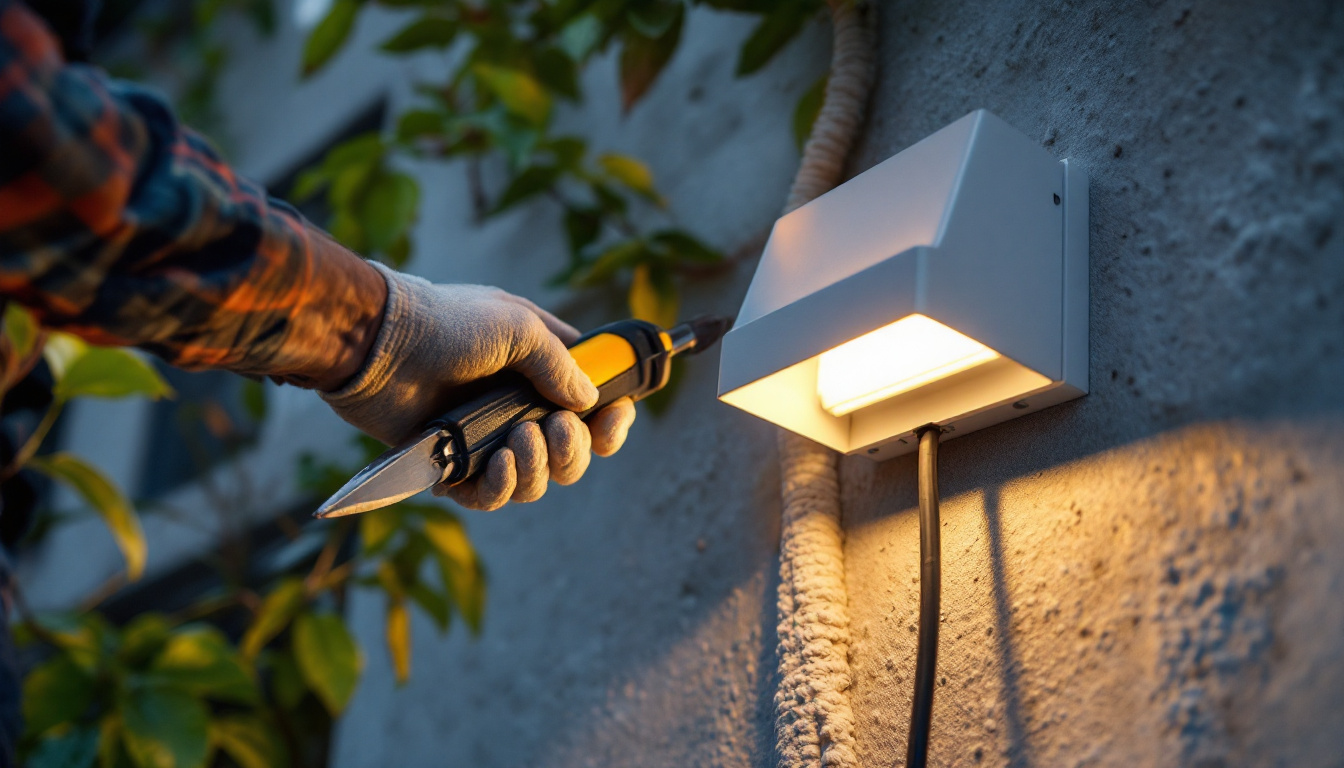
- Wall-Mounted Fixtures: Often used near entrances, garages, or patios, these fixtures provide focused illumination and add decorative appeal.
- Post and Pole Lights: Common in pathways, gardens, and parking areas, these fixtures offer elevated lighting for broader coverage.
- Floodlights and Spotlights: Designed for security and accent lighting, they deliver intense beams to illuminate large areas or highlight specific features.
- Recessed and In-Ground Lights: Installed flush with surfaces such as driveways or walkways, these fixtures provide subtle, low-profile lighting.
- Solar-Powered Lights: Increasingly popular for energy efficiency, these fixtures harness solar energy, ideal for locations without easy access to electrical wiring.
Each type requires specific installation techniques and considerations, especially regarding electrical safety and durability against weather conditions. For instance, wall-mounted fixtures must be securely fastened to withstand wind and rain, while solar-powered lights need to be positioned to maximize sunlight exposure throughout the day. Additionally, the choice of materials plays a crucial role in the longevity of external fixtures; corrosion-resistant finishes and UV-protected plastics can significantly extend the life of a fixture exposed to harsh outdoor elements. Furthermore, the aesthetic integration of these fixtures into the landscape is essential, as they should complement the overall design theme while providing functional lighting. Choosing the right color temperature and brightness can create inviting outdoor spaces, enhancing both safety and enjoyment during evening hours.
Technical Considerations for Lighting Contractors
When selecting and installing external light fixtures, lighting contractors must navigate a range of technical factors to ensure optimal performance and compliance with regulations.
Weather Resistance and Durability
External fixtures are exposed to rain, wind, temperature fluctuations, and sometimes corrosive environments. Therefore, they must have appropriate Ingress Protection (IP) ratings. For example, an IP65 rating indicates the fixture is dust-tight and protected against water jets, making it suitable for most outdoor applications.
Materials such as die-cast aluminum, stainless steel, and UV-resistant plastics are commonly used to enhance durability. Additionally, finishes should resist rust and fading to maintain both function and appearance over time. It is also worth noting that the choice of materials can impact the overall weight and installation process of the fixtures, necessitating careful planning to ensure that mounting structures can support the chosen products effectively. Furthermore, incorporating features such as tempered glass lenses can provide additional protection against impacts and environmental wear, prolonging the lifespan of the fixtures.
Electrical Safety and Compliance
Compliance with electrical codes and standards is paramount. Lighting contractors should ensure fixtures are UL-listed or certified by equivalent bodies for outdoor use. Proper grounding, use of weatherproof junction boxes, and correct wiring methods reduce risks of electrical faults and hazards.
Furthermore, contractors must consider voltage requirements. Low-voltage systems (typically 12V) are popular for landscape lighting due to safety and energy efficiency, while line-voltage fixtures (120V or 240V) are common for security and area lighting. It’s also essential to evaluate the power supply’s capacity to handle the total wattage of all connected fixtures, as overloading can lead to circuit failures or fire hazards. Additionally, implementing smart lighting controls, such as timers and motion sensors, can enhance both safety and energy savings, allowing for more efficient use of lighting in outdoor spaces.
Energy Efficiency and Light Quality
Energy-efficient lighting is not only environmentally responsible but also cost-effective for clients. LED technology dominates the market due to its long lifespan, low power consumption, and versatility. Lighting contractors should be familiar with LED drivers, dimming capabilities, and color temperature options to tailor lighting solutions effectively.
Light quality is equally important. Color rendering index (CRI) values above 80 are generally preferred for outdoor fixtures to ensure colors appear natural. Selecting appropriate beam angles and lumen outputs helps achieve the desired illumination without excessive glare or light pollution. Additionally, understanding the impact of light distribution patterns can significantly enhance the aesthetic appeal and functionality of outdoor spaces. For instance, using fixtures with adjustable optics can allow for customized lighting effects, creating inviting atmospheres for patios or walkways while ensuring safety and visibility. Moreover, integrating smart technology can facilitate dynamic lighting scenarios, enabling clients to adjust settings based on seasonal changes or specific events, further enhancing the versatility of outdoor lighting designs.
Installation Best Practices for External Light Fixtures
Proper installation is critical to the longevity and functionality of external light fixtures. Lighting contractors must adhere to best practices that address both technical and aesthetic factors.
Site Assessment and Planning
Before installation, a thorough site assessment is essential. Contractors should evaluate the terrain, existing electrical infrastructure, and environmental conditions. Understanding client needs—whether for security, ambiance, or architectural highlighting—guides fixture selection and placement.
Planning should also incorporate local regulations regarding light trespass and dark sky compliance, which aim to minimize light pollution and protect nocturnal environments. Furthermore, contractors should consider the surrounding landscape and existing structures that may influence light distribution. For instance, tall trees or buildings can cast shadows that affect the effectiveness of the lighting design. By taking these factors into account, contractors can create a lighting plan that not only meets regulatory standards but also enhances the overall aesthetic appeal of the space.
Mounting and Wiring Techniques
Fixtures must be securely mounted to withstand wind loads and prevent water ingress. Using appropriate anchors, brackets, and sealants is critical. For wall-mounted fixtures, ensuring a level installation enhances both appearance and function.
Wiring should be concealed where possible to protect against damage and vandalism. Using conduit and weatherproof connectors extends system reliability. Additionally, contractors should test circuits thoroughly before finalizing installation to verify correct operation and safety. It is also advisable to implement a clear labeling system for all wiring connections, which can simplify future maintenance and troubleshooting. This attention to detail not only ensures safety but also contributes to the efficiency of any subsequent upgrades or repairs that may be needed down the line.
Integration with Smart Controls
Modern external lighting often incorporates smart controls such as motion sensors, timers, and remote management via mobile apps. These features improve energy efficiency and user convenience. Lighting contractors should be proficient in installing and configuring these systems, ensuring compatibility between fixtures, sensors, and control hubs.
Moreover, educating clients on the benefits of these smart systems can enhance their overall experience. For example, features like programmable schedules can allow homeowners to customize their lighting based on their routines, while motion sensors can provide added security by illuminating pathways when movement is detected. Contractors should also discuss the potential for integrating these systems with other smart home technologies, such as security cameras and alarms, creating a cohesive and efficient home automation experience. This holistic approach not only improves functionality but also fosters a sense of safety and comfort for the occupants.
Common Challenges and Solutions in External Lighting Projects
Lighting contractors frequently encounter challenges unique to external lighting installations. Anticipating and addressing these issues enhances project success and client satisfaction.
Dealing with Harsh Environmental Conditions
In regions with extreme weather, selecting fixtures with higher IP ratings and robust materials is vital. Additionally, contractors may need to implement protective measures such as weatherproof enclosures or surge protectors to safeguard electrical components.
Minimizing Light Pollution
Excessive or poorly directed outdoor lighting can cause glare, skyglow, and disturbance to neighbors and wildlife. Contractors should use fixtures with cut-off shields, select appropriate beam angles, and recommend lighting controls to limit operation during unnecessary hours.
Ensuring Consistent Aesthetic Appeal
Matching fixture styles and finishes across a property contributes to a cohesive look. Contractors should advise clients on design choices and coordinate with architects or landscape designers when necessary. Attention to detail during installation, such as aligning fixtures and managing cable runs discreetly, further enhances the overall presentation.
Emerging Trends and Technologies in External Lighting
The external lighting industry continues to evolve rapidly, influenced by technological advances and growing environmental awareness. Lighting contractors who stay informed about these trends can offer cutting-edge solutions to their clients.
Advancements in LED Technology
LEDs now offer higher efficiencies, improved color rendering, and greater durability. Innovations such as tunable white LEDs allow for dynamic adjustment of color temperature to suit different times of day or activities, enhancing outdoor experiences.
Integration with Smart Home and IoT Systems
External lighting is increasingly integrated into broader smart home ecosystems. Voice control, geofencing, and adaptive lighting based on occupancy or ambient conditions provide convenience and energy savings. Contractors should be prepared to install and troubleshoot these complex systems.
Sustainable and Renewable Energy Solutions
Solar-powered fixtures and energy harvesting technologies reduce reliance on grid power. Advances in battery storage and LED efficiency have expanded the feasibility of solar lighting for a variety of applications, from pathway illumination to security lighting.
Conclusion: Mastering External Light Fixture Installation
For lighting contractors, expertise in external light fixtures encompasses technical knowledge, practical skills, and an understanding of client needs and environmental considerations. By selecting appropriate fixtures, adhering to safety standards, and embracing emerging technologies, contractors can deliver lighting solutions that enhance safety, functionality, and beauty in outdoor spaces.
Continuous education and adaptation to industry trends ensure that lighting professionals remain competitive and capable of meeting the evolving demands of external lighting projects. Ultimately, well-executed external lighting not only illuminates but also transforms outdoor environments, creating inviting and secure spaces for all to enjoy.
Illuminate Your Projects with LumenWholesale
Ready to elevate your outdoor lighting projects with the highest quality fixtures at the best value? Look no further than LumenWholesale. Our extensive selection of spec-grade lighting products is designed to meet the needs of the most discerning lighting contractors. With unbeatable wholesale prices and the convenience of free shipping on bulk orders, you can trust LumenWholesale to provide premium lighting solutions that blend quality, affordability, and convenience seamlessly. Don’t let middleman markups dim your project’s potential. Discover wholesale lighting at the best value today and light up your outdoor spaces with confidence.