Why Recessed Lighting in Drop Ceilings Is a Game-Changer for Contractors
Drop ceilings are common in commercial spaces, offices, and even some residential basements. They offer easy access to plumbing, wiring, and HVAC systems, making maintenance straightforward. However, lighting these ceilings can be a challenge. Traditional surface-mounted fixtures often look bulky or outdated, detracting from the sleek, modern aesthetic many clients want.
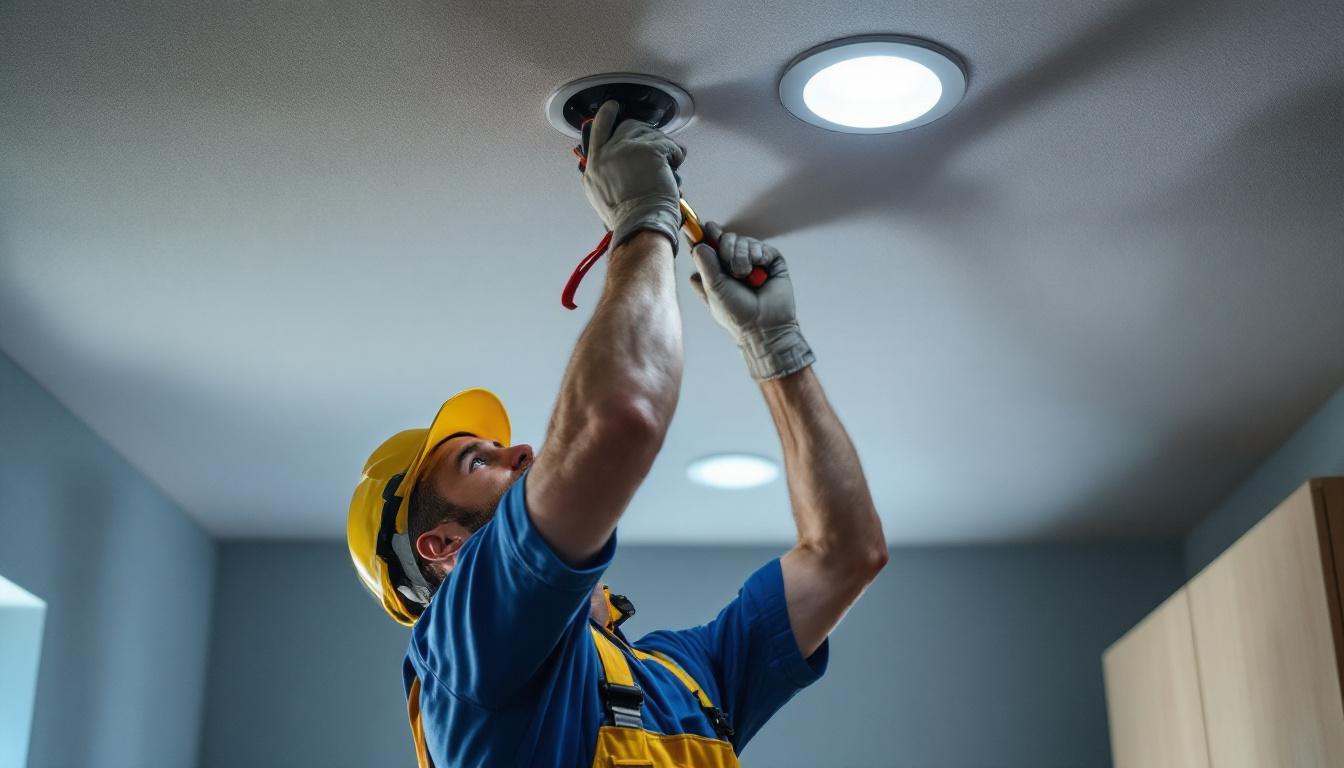
Recessed lighting solves this problem elegantly. By installing recessed lights into a drop ceiling, contractors can provide clean, streamlined illumination that enhances the space’s overall appeal. This kind of lighting is not just about looks—it improves functionality by distributing light evenly and reducing glare, which is crucial in work environments. Additionally, recessed lights can be strategically placed to highlight specific areas, such as artwork or architectural features, adding an extra layer of sophistication to the design.
For lighting contractors, mastering recessed light installation in drop ceilings opens up a lucrative niche. Clients increasingly demand sophisticated lighting solutions that blend aesthetics with efficiency. Offering this service can differentiate your business and attract higher-end projects. Moreover, the versatility of recessed lighting allows for the integration of smart technology, enabling clients to control their lighting with ease through mobile apps or voice commands. This modern touch not only enhances user experience but also positions contractors as forward-thinking professionals in a competitive market.
Furthermore, the energy efficiency of LED recessed lights contributes to long-term cost savings for clients, making it an attractive selling point. With the growing emphasis on sustainability, many businesses are looking to reduce their carbon footprint, and energy-efficient lighting solutions align perfectly with this goal. By educating clients about the benefits of LED options, contractors can foster trust and build lasting relationships, ensuring repeat business and referrals. As the demand for innovative lighting solutions continues to rise, contractors who embrace recessed lighting in drop ceilings will find themselves at the forefront of the industry, ready to meet the evolving needs of their clients.
Understanding the Basics: What Makes Recessed Lighting in Drop Ceilings Unique?
Structural Considerations
Unlike drywall ceilings, drop ceilings consist of a grid system with removable tiles. This means recessed lighting fixtures must be compatible with the grid and tile sizes, typically 2×2 or 2×4 feet. The fixtures need to fit snugly within the grid without damaging the tiles or compromising the ceiling’s integrity. The design of the drop ceiling allows for flexibility in the placement of lights, enabling homeowners and businesses to create a customized lighting scheme that enhances the overall aesthetic of the space. The ability to easily replace tiles also means that maintenance can be performed without significant disruption, a key advantage in commercial settings where downtime can be costly.
Lighting contractors must also consider the plenum space above the ceiling. This area houses ductwork, electrical wiring, and sometimes insulation. Recessed fixtures must be rated for use in this environment, especially if the plenum is used for air circulation. Using IC (Insulation Contact) rated fixtures is often necessary to prevent overheating and meet code requirements. Additionally, the plenum space can affect the overall lighting design; for instance, if the space is limited, it may necessitate the use of low-profile fixtures that still provide adequate illumination without encroaching on the airflow or structural components above.
Electrical and Code Compliance
Installing recessed lights in drop ceilings requires careful planning of electrical circuits. Lighting contractors should ensure that wiring is run safely and complies with local electrical codes. This includes using appropriate junction boxes, securing cables properly, and employing energy-efficient LED fixtures that meet safety standards. The choice of LED fixtures not only contributes to energy savings but also reduces heat output, which is particularly important in a drop ceiling environment where heat buildup can be a concern.
Fire safety codes may also dictate the type of fixtures used. For example, some jurisdictions require fire-rated recessed lights to maintain the ceiling’s fire-resistance rating. Understanding these regulations is essential to avoid costly rework or legal issues. Moreover, contractors should be aware of the importance of proper installation techniques, such as ensuring that fixtures are adequately sealed to prevent smoke from passing through the ceiling in the event of a fire. This attention to detail not only enhances safety but also contributes to the longevity and reliability of the lighting system, ensuring that it meets the needs of the space for years to come.
Step-by-Step Guide: Installing Recessed Lights in a Drop Ceiling
1. Planning and Layout
Start by assessing the space and determining the lighting needs. Consider the room’s function, ceiling height, and existing electrical infrastructure. Use lighting design principles to calculate the number of fixtures required for even illumination. Tools like lighting calculators or design software can help ensure accuracy.
Mark the locations on the ceiling grid where each recessed light will be installed. It’s critical to avoid placing fixtures near obstructions like HVAC vents or structural supports.
2. Selecting the Right Fixtures
Choose recessed light fixtures designed specifically for drop ceilings. These fixtures typically have adjustable brackets or mounting clips that attach securely to the ceiling grid. Opt for LED modules with dimmable options to offer clients energy savings and customizable ambiance.
Consider the color temperature of the bulbs. Warmer tones (2700K-3000K) create a cozy atmosphere, while cooler tones (4000K-5000K) are better suited for workspaces.
3. Preparing the Ceiling Tiles
Remove the ceiling tiles where lights will be installed. Using a template provided by the fixture manufacturer, cut precise holes in the tiles. Accuracy here is vital to maintain a professional finish and ensure the fixture fits perfectly.
Handle tiles carefully to avoid cracking or damaging them, as replacements can be costly and time-consuming.
4. Wiring and Mounting
Run electrical wiring from the power source to each fixture location, following local code requirements. Use conduit or cable supports as needed to secure wiring within the plenum space.
Attach the recessed light housing to the ceiling grid using the provided mounting hardware. Many fixtures have adjustable clips that lock into place, stabilizing the light within the grid system.
5. Installing the Fixtures and Testing
Insert the LED light modules into the housings and secure them according to manufacturer instructions. Replace the modified ceiling tiles around the fixtures, ensuring they sit flush with the grid.
Finally, power on the circuit and test each fixture for proper operation. Check for flickering, uneven light distribution, or any signs of electrical issues.
Common Challenges and How to Overcome Them
Tile Compatibility Issues
Not all drop ceiling tiles are created equal. Some materials are too fragile or thick to accommodate recessed fixtures. Contractors should verify tile specifications before installation and recommend replacements if necessary.
Limited Plenum Space
In older buildings, the space above the drop ceiling may be cramped, making it difficult to fit recessed housings and wiring. Using low-profile fixtures or shallow housings can help in tight spaces. Pre-installation site surveys are essential to identify these constraints early.
Maintaining Fire and Safety Ratings
Modifying drop ceilings with lighting can affect fire ratings. Contractors must select fixtures with appropriate certifications and install them according to fire code guidelines. Collaborating with local inspectors or fire marshals can prevent compliance issues.
How Offering Recessed Lighting Installation Can Boost Your Business
Expanding Service Offerings
Adding recessed lighting installation for drop ceilings to your portfolio allows you to serve a broader client base. Commercial property managers, office designers, and retail owners often seek contractors who can deliver modern lighting solutions without disrupting existing ceiling systems.
By positioning yourself as an expert in this niche, you can command higher rates and secure repeat business.
Energy Efficiency and Sustainability Appeal
LED recessed lighting is synonymous with energy efficiency. Many clients prioritize green building practices and want to reduce utility costs. Offering energy-efficient lighting upgrades aligns your business with these values, enhancing your marketability.
Improved Client Satisfaction and Referrals
Clean, professional recessed lighting installations improve the look and feel of a space dramatically. Satisfied clients are more likely to recommend your services to others, creating a valuable referral network. Positive word-of-mouth is one of the most effective ways to grow your contracting business.
Tips for Marketing Your Recessed Lighting Services
Showcase Before-and-After Projects
Visual proof of your work can be compelling. Document your projects with high-quality photos and videos that highlight the transformation a recessed lighting installation can achieve. Share these on your website, social media, and in client presentations.
Educate Your Clients
Many clients are unaware of the benefits and possibilities of recessed lighting in drop ceilings. Hosting workshops, webinars, or creating informative blog content can position you as a trusted expert. This builds confidence and encourages clients to choose your services.
Partner with Interior Designers and Architects
Collaborating with professionals involved in space planning can lead to more referrals and joint projects. Designers and architects appreciate contractors who understand the nuances of integrating lighting with ceiling systems.
Final Thoughts
Recessed lighting in drop ceilings is more than just a technical skill-it’s a strategic business opportunity. Lighting contractors who master this installation can offer clients enhanced aesthetics, improved functionality, and energy savings. This expertise not only sets you apart from competitors but also positions your business for steady growth in a competitive market.
Investing time in understanding the unique challenges and solutions involved in recessed lighting for drop ceilings will pay dividends. From precise planning and installation to savvy marketing, every step contributes to a stronger, more profitable contracting business.
Illuminate Your Projects with LumenWholesale
Ready to elevate your lighting installations and give your business the competitive edge it deserves? Look no further than LumenWholesale for all your recessed lighting needs. Our spec-grade lighting products are designed to meet the highest industry standards, ensuring that your projects shine with reliability and performance. With unbeatable wholesale prices and the convenience of free shipping on bulk orders, you can provide your clients with the enhanced aesthetics, functionality, and energy savings they demand. Discover the best value in wholesale lighting and make LumenWholesale your go-to source for premium lighting solutions.