Understanding the Fluorescent 4 Bulb Light Fixture
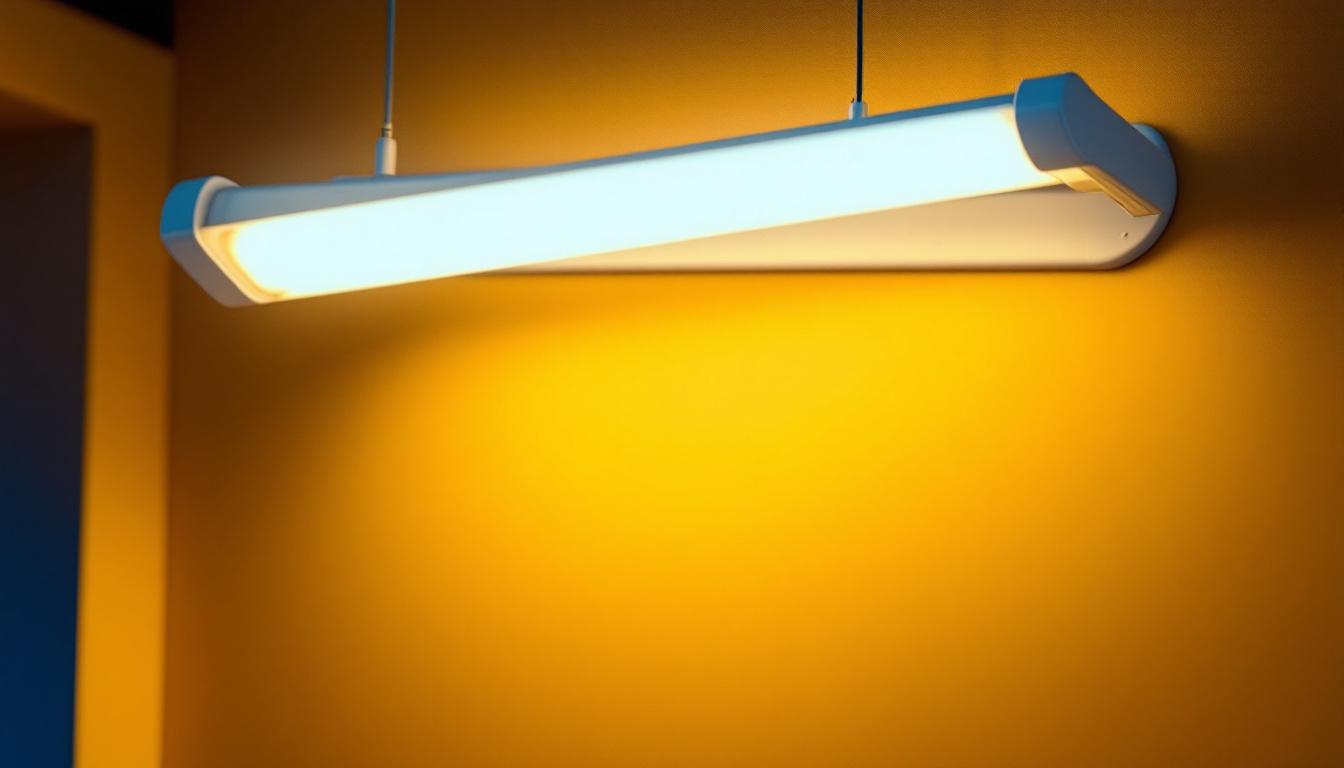
Fluorescent 4 bulb light fixtures are a staple in commercial and industrial lighting projects. Their design, featuring four fluorescent tubes, delivers broad, even illumination ideal for large spaces like offices, warehouses, and retail environments. For lighting contractors, mastering the specifics of these fixtures is essential to ensure efficient installation, maintenance, and client satisfaction.
These fixtures stand out for their ability to balance brightness and energy efficiency. Compared to single or dual bulb setups, the 4 bulb configuration offers a significant increase in lumen output without a proportional rise in energy consumption. This makes them a cost-effective choice where consistent, widespread lighting is required.
Key Components and Design Features
At the heart of the fixture are the fluorescent tubes themselves, typically T8 or T12 types, which differ in diameter and efficiency. The fixture housing is designed to hold these tubes securely while facilitating heat dissipation, which prolongs bulb life. Ballasts, either magnetic or electronic, regulate the current to the bulbs and are crucial for proper operation.
Lighting contractors should note that electronic ballasts are preferred for their energy savings and reduced flicker, enhancing occupant comfort. Additionally, reflectors inside the fixture optimize light distribution, directing lumens where they are most needed and minimizing waste.
In addition to their functional components, the aesthetic design of fluorescent 4 bulb fixtures has evolved to meet modern architectural standards. Many fixtures now come with sleek, low-profile designs that blend seamlessly into ceilings, reducing visual clutter while providing essential lighting. Some models even incorporate advanced features such as dimming capabilities and smart technology integration, allowing for customizable lighting solutions that can adapt to various tasks and moods throughout the day.
Moreover, the choice of color temperature in fluorescent tubes can significantly impact the ambiance of a space. Ranging from warm white to cool daylight, these options allow contractors to tailor the lighting to specific environments, enhancing productivity in workspaces or creating a welcoming atmosphere in retail settings. Understanding the psychological effects of different lighting temperatures can further empower contractors to make informed recommendations that align with their clients’ goals.
Installation Best Practices
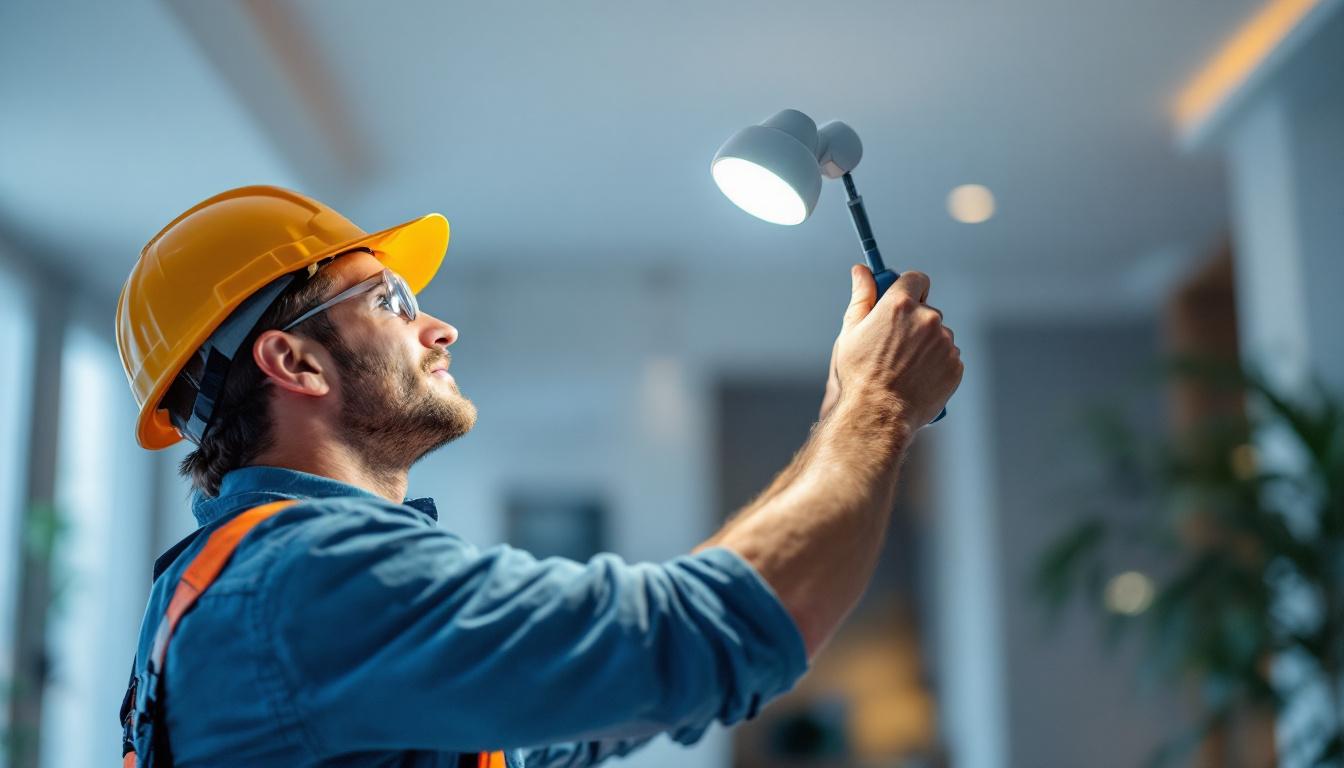
Installing a 4 bulb fluorescent fixture requires attention to both electrical and mechanical details. Proper mounting ensures safety and maximizes the fixture’s lifespan. The weight of the fixture, often heavier than smaller units, demands secure attachment points, typically anchored to ceiling joists or grid systems. It is crucial to use appropriate mounting hardware, such as toggle bolts or heavy-duty screws, to ensure that the fixture remains securely in place over time, especially in environments subject to vibrations or movement.
Electrical connections must comply with local codes and standards. Contractors should verify that the wiring matches the ballast specifications and that circuit breakers are appropriately rated. Using wire nuts and connectors rated for the environment reduces the risk of loose connections and potential failures. Furthermore, incorporating surge protectors can safeguard against voltage spikes, which can significantly reduce the risk of damage to the fixture and its components, thereby enhancing longevity and reliability.
Positioning and Spacing Considerations
Correct fixture placement impacts both lighting quality and energy efficiency. For general ambient lighting, spacing should allow for overlapping light patterns to avoid dark spots. A common rule of thumb is to space fixtures at distances roughly equal to their mounting height, but this varies based on ceiling height, room size, and task requirements. In larger spaces, such as warehouses or auditoriums, careful consideration of the beam angle and lumen output is essential to ensure that light is distributed evenly across the area, preventing any areas from being under- or over-illuminated.
Contractors often use lighting design software to simulate layouts before installation. This helps in achieving uniform illumination and meeting client specifications. Additionally, positioning fixtures away from heat sources and moisture-prone areas extends their operational life. In environments where fixtures may be exposed to dust or contaminants, selecting fixtures with sealed designs can further enhance durability. Regular maintenance checks, including cleaning the fixtures and replacing bulbs as needed, can also significantly improve performance and maintain the desired lighting quality over time.
Maintenance and Troubleshooting
Fluorescent fixtures require periodic maintenance to maintain performance. Bulb replacement is the most common task, but ballast failure and fixture cleaning are also critical. Contractors should advise clients on a maintenance schedule that includes inspecting for flickering, dimming, or color shifts, which often signal underlying issues. Regular maintenance not only prolongs the lifespan of the fixtures but also ensures optimal lighting conditions, which can enhance productivity in workspaces and create a more pleasant atmosphere in homes.
Cleaning the fixture and tubes removes dust and grime that can reduce light output by up to 30%. Using a soft cloth and non-abrasive cleaner prevents damage to the tubes and reflectors. Ballasts typically last longer than bulbs but should be tested if flickering or delayed start-up occurs. Additionally, it’s important to check the wiring and connections during maintenance, as loose or frayed wires can lead to further complications, including safety hazards. Keeping a detailed log of maintenance activities can help track performance issues over time and identify recurring problems.
Common Issues and Solutions
One frequent problem is flickering, often caused by failing ballasts or loose connections. Replacing magnetic ballasts with electronic ones can resolve this and improve energy efficiency. Another issue is uneven lighting, which may stem from incorrect bulb placement or damaged reflectors. Ensuring that bulbs are seated properly and that reflectors are intact can significantly enhance the uniformity of light distribution, which is particularly important in commercial settings where consistent lighting is crucial for tasks requiring precision.
Contractors should also watch for buzzing sounds, which indicate ballast problems or electrical interference. Addressing these promptly prevents fixture failure and ensures safety. Keeping a stock of compatible replacement parts streamlines repairs and reduces downtime on job sites. Furthermore, educating clients about the signs of potential issues can empower them to report problems early, allowing for timely interventions. Regular training sessions for maintenance staff on the latest technologies and troubleshooting techniques can also enhance overall efficiency and effectiveness in managing fluorescent lighting systems.
Energy Efficiency and Upgrades
While fluorescent fixtures are efficient compared to older incandescent options, LED technology is rapidly becoming the preferred choice for new installations and retrofits. However, many clients still rely on fluorescent 4 bulb fixtures due to budget constraints or existing infrastructure. The transition to LEDs, though often more cost-effective in the long run, can seem daunting for those who are accustomed to traditional lighting methods. Educating clients on the long-term savings and environmental benefits of LEDs is crucial in facilitating this shift.
Contractors can enhance efficiency by recommending electronic ballasts and high-performance bulbs. These upgrades reduce energy consumption by up to 25%, lower heat output, and extend lamp life. Additionally, integrating occupancy sensors and daylight harvesting controls can further optimize energy use. By leveraging smart technology, businesses can significantly reduce their carbon footprint while also cutting down on operational costs, making energy efficiency not just an environmental choice, but a financially savvy one as well.
Retrofitting Fluorescent Fixtures
Retrofitting involves replacing fluorescent tubes with LED tubes designed to fit existing fixtures. This approach offers immediate energy savings without the need to replace the entire fixture. It also reduces maintenance frequency due to the longer lifespan of LEDs. Moreover, the quality of light produced by LEDs is often superior, providing better color rendering and improved visibility, which can enhance productivity in work environments.
Contractors must ensure compatibility between LED tubes and existing ballasts or opt for ballast bypass kits when necessary. Proper labeling and client education on the retrofit process prevent confusion and ensure safety. Retrofitting is a cost-effective way to modernize lighting while minimizing disruption. Additionally, it can be a strategic move for businesses looking to improve their sustainability profile, as many organizations are now prioritizing energy-efficient solutions in their operations. By showcasing successful retrofitting projects, contractors can inspire confidence in potential clients and highlight the tangible benefits of making the switch to LED technology.
Compliance and Safety Considerations
Lighting contractors must adhere to electrical codes and safety standards when working with fluorescent 4 bulb fixtures. This includes ensuring proper grounding, using UL-listed components, and following manufacturer installation guidelines. Compliance guarantees not only safety but also insurance coverage and liability protection.
Fluorescent tubes contain small amounts of mercury, requiring careful handling and disposal. Contractors should follow local regulations for recycling and disposal to minimize environmental impact. Providing clients with information on safe disposal practices is part of responsible service.
Working in Different Environments
Fixtures installed in damp or dusty environments require additional considerations. Moisture-resistant housings and sealed lenses protect the bulbs and ballasts. In industrial settings, vibration-resistant fixtures prevent premature failure.
Contractors should assess the installation site thoroughly and select fixtures rated for the specific conditions. Proper environmental adaptation ensures longevity and reduces maintenance costs over time.
Conclusion
Fluorescent 4 bulb light fixtures remain a reliable choice for many commercial and industrial lighting applications. For lighting contractors, understanding their design, installation nuances, maintenance needs, and upgrade options is crucial. This knowledge not only enhances project outcomes but also builds client trust and satisfaction.
Staying informed about advances in ballast technology, retrofit solutions, and energy-saving strategies empowers contractors to deliver value and efficiency. Whether installing new fixtures or maintaining existing ones, attention to detail and adherence to best practices make all the difference.
Upgrade Your Lighting Projects with LumenWholesale
Ready to elevate your lighting installations with the best in the business? Look no further than LumenWholesale for all your fluorescent 4 bulb light fixture needs. Our commitment to providing contractors with superior, spec-grade lighting products at unbeatable wholesale prices sets us apart. By choosing LumenWholesale, you’re guaranteed reliable, high-performance lighting that meets the highest industry standards, ensuring every project shines. Plus, with free shipping on bulk orders, you’ll enjoy premium lighting solutions at the best value — without any hidden fees. Don’t compromise on quality or cost. Visit LumenWholesale today and experience the ultimate in quality, affordability, and convenience for your lighting projects.