Understanding the Warehouse Environment and Its Challenges
Warehouses are unique spaces. They are vast, often with high ceilings, and filled with a mix of shelving, machinery, and open floor areas. This complexity creates a distinct set of challenges for lighting contractors. Unlike typical commercial or residential spaces, warehouses demand lighting solutions that not only illuminate but also enhance safety, efficiency, and energy management.
One of the primary challenges is the sheer volume of space. High ceilings mean that lighting fixtures must be powerful enough to cast light over long distances without creating dark spots or excessive glare. Additionally, warehouses often have varying zones-loading docks, storage aisles, packing stations-each with different lighting needs. A one-size-fits-all approach rarely works here.
Temperature fluctuations and dust accumulation are other factors that can affect lighting performance. Fixtures must be durable and easy to maintain, especially in environments where downtime can be costly. Understanding these conditions is the first step toward designing an effective lighting installation.
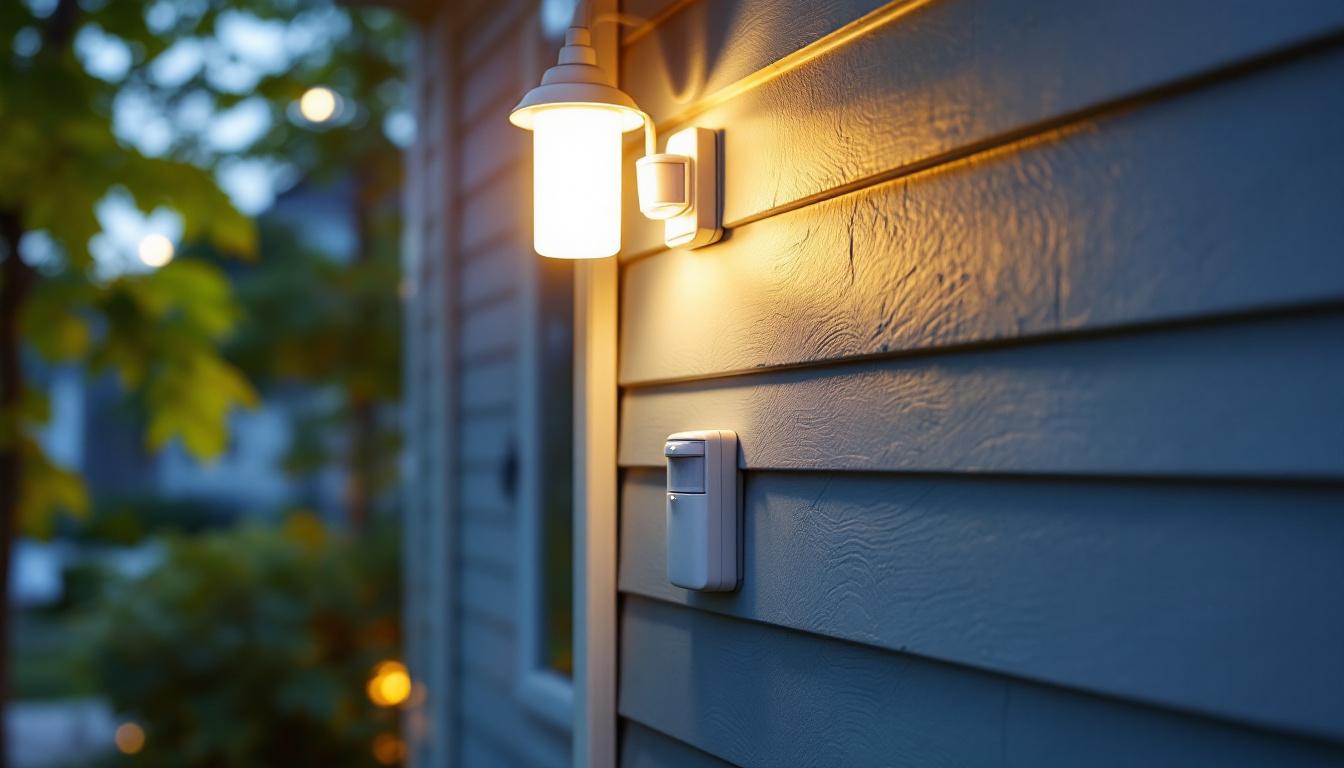
Moreover, the integration of technology into warehouse operations has introduced new lighting challenges. With the rise of automation and robotics, areas of the warehouse may require dynamic lighting solutions that can adjust based on activity levels. For instance, motion sensors can be employed to ensure that lights are only activated in zones that are currently in use, significantly reducing energy consumption. This not only saves costs but also contributes to a more sustainable operational model.
Another critical aspect to consider is the impact of lighting on worker productivity and safety. Proper illumination is essential for minimizing accidents and ensuring that employees can perform their tasks efficiently. Studies have shown that well-lit environments can lead to improved morale and productivity among warehouse staff, as they can navigate the space more easily and identify potential hazards. Therefore, investing in high-quality, adaptive lighting solutions is not just a matter of compliance but a strategic decision that can enhance overall operational effectiveness.
The Role of Airflow and Temperature Control in Lighting Performance
How Heat Affects Lighting Fixtures
Heat is a silent enemy of lighting systems, particularly LED fixtures commonly used in warehouses. LEDs are sensitive to temperature, and excessive heat can shorten their lifespan, reduce light output, and increase maintenance costs. In a warehouse, where high-powered lights operate for long hours, managing heat becomes critical.
Without proper airflow, heat accumulates around fixtures, leading to premature failure. This not only affects the lighting quality but also impacts operational efficiency. Replacing or repairing lighting fixtures frequently can disrupt warehouse activities and inflate budgets. Additionally, the impact of heat extends beyond just the fixtures; it can also affect the overall working environment. High temperatures can lead to discomfort for employees, potentially resulting in decreased productivity and increased fatigue. Thus, understanding the interplay between heat and lighting is essential for creating a safe and efficient workspace.
Big Fans: The Unsung Heroes of Warehouse Lighting
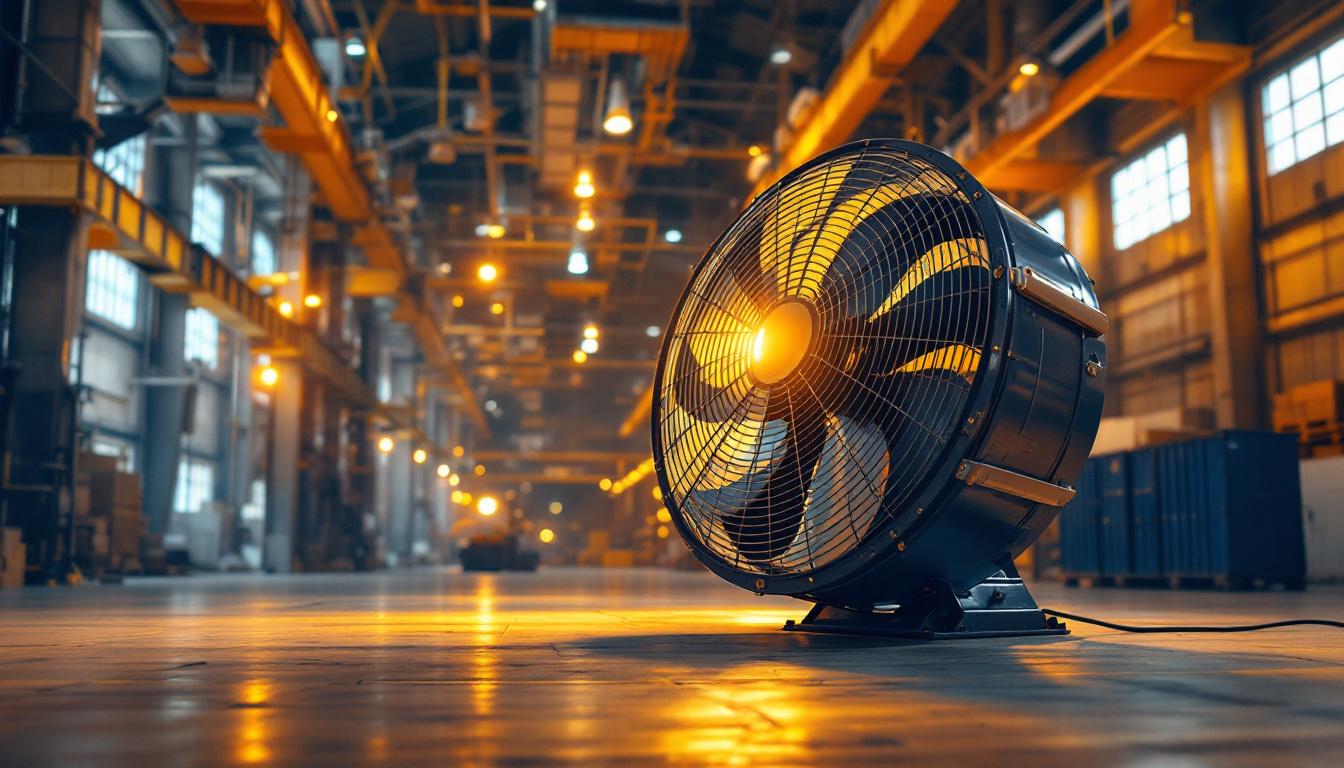
Installing large industrial fans in warehouses isn’t just about cooling workers or circulating air; it directly influences lighting performance. Big fans help dissipate heat generated by lighting fixtures, maintaining an optimal operating temperature. This airflow prevents hotspots and ensures that LEDs and other lighting technologies function at their best.
Moreover, fans promote consistent air circulation, which can reduce dust buildup on lighting fixtures. Dust accumulation diminishes light output and necessitates more frequent cleaning. By keeping the air moving, big fans extend the intervals between maintenance tasks, saving time and money. Furthermore, the strategic placement of these fans can create a more uniform distribution of light throughout the warehouse. This uniformity not only enhances visibility but also minimizes shadows and dark spots, which can be hazardous in busy environments. Ultimately, the integration of airflow systems with lighting design is a crucial factor in optimizing both safety and efficiency in warehouse operations.
Energy Efficiency and Cost Savings Through Integrated Solutions
Synergizing Fans and Lighting for Energy Management
Energy efficiency is a top priority for warehouse operators. Lighting and HVAC systems are among the largest energy consumers in these facilities. Integrating big fans with lighting installations creates a synergy that can significantly reduce energy usage.
For example, fans can allow for higher thermostat settings by improving air circulation, reducing the need for constant cooling. This means lighting systems operate in a more stable temperature environment, enhancing their efficiency and lifespan. The combined effect is lower utility bills and a smaller carbon footprint. Additionally, the use of energy-efficient LED lighting can further amplify these savings, as LEDs consume significantly less power than traditional lighting options, while also offering longer lifespans and reduced maintenance costs.
Smart Controls and Automation
Modern warehouses benefit from smart controls that coordinate lighting and fan operation. Sensors can detect occupancy, temperature, and daylight levels, adjusting both lighting intensity and fan speed accordingly. This dynamic approach ensures that energy is used only when and where it’s needed. By implementing these smart systems, warehouses can achieve a level of operational efficiency that not only reduces energy consumption but also enhances the overall working environment for employees, contributing to increased productivity and comfort.
For lighting contractors, recommending and installing these integrated systems positions them as valuable partners in their clients’ energy management strategies. It’s not just about installing lights and fans; it’s about delivering a comprehensive solution that maximizes performance and savings. Furthermore, as energy regulations become more stringent, contractors who specialize in these integrated solutions will be at the forefront of compliance, helping clients navigate the complexities of energy efficiency standards while also securing potential rebates and incentives for energy-saving upgrades. This proactive approach not only solidifies long-term relationships with clients but also establishes contractors as trusted experts in the evolving landscape of energy management.
Safety and Compliance Considerations
Improving Worker Safety with Proper Lighting and Airflow
Safety is non-negotiable in warehouse environments. Proper lighting reduces the risk of accidents by improving visibility around machinery, aisles, and loading docks. However, lighting alone isn’t enough. Adequate airflow from big fans helps maintain a comfortable environment, reducing worker fatigue and heat stress.
Heat stress can impair concentration and reaction times, increasing the likelihood of errors and injuries. By combining effective lighting with airflow management, warehouses create safer, more productive workplaces.
Meeting Regulatory Standards
Lighting contractors must ensure installations comply with industry standards and regulations. This includes illumination levels specified by OSHA or other relevant bodies. Fans also play a role in meeting ventilation and air quality requirements.
Understanding these standards is crucial. A lighting installation that neglects airflow considerations might meet illumination criteria but fail on worker comfort and safety fronts. Integrating big fans into the design helps achieve a balanced, compliant environment.
Practical Tips for Lighting Contractors: Implementing Big Fans in Warehouse Projects
Assessing the Warehouse Layout
Before specifying fans and lighting, conduct a thorough assessment of the warehouse layout. Identify areas with high heat generation, poor air circulation, or specific lighting needs. This assessment guides the placement and sizing of both lighting fixtures and fans.
Consider ceiling height, aisle widths, and the presence of machinery or storage racks that might obstruct airflow. Strategic placement ensures maximum effectiveness and avoids creating uncomfortable drafts or shadows.
Selecting the Right Fans
Not all big fans are created equal. Choose industrial-grade fans designed for large spaces, with adjustable speeds and durable construction. Fans with variable speed controls allow fine-tuning of airflow to match changing conditions throughout the day or season.
Additionally, consider fans with low noise levels to avoid disrupting warehouse operations. Energy-efficient models help keep operational costs down while maintaining performance.
Coordinating Installation and Maintenance
Coordinate the installation of fans and lighting fixtures to minimize downtime. Plan for easy access to both for routine maintenance. Regular cleaning of lighting fixtures and fan blades is essential to maintain optimal performance.
Establish maintenance schedules that consider the synergy between lighting and airflow. For instance, cleaning fans can improve airflow, which in turn helps keep lighting fixtures cooler and cleaner.
Case Studies: Success Stories of Integrated Lighting and Fan Systems
Warehouse Distribution Center
A large distribution center implemented a lighting upgrade combined with the installation of big ceiling fans. The result was a 20% reduction in energy consumption and a noticeable improvement in worker comfort. The fans helped maintain consistent temperatures, allowing the lighting system to operate efficiently without overheating.
Maintenance costs dropped as well, with fewer lighting replacements and less frequent cleaning required. The client reported improved employee satisfaction and productivity, attributing it in part to the improved environment.
Cold Storage Facility
In a cold storage warehouse, big fans were installed alongside LED lighting to circulate air and prevent cold spots. This not only enhanced visibility but also helped maintain temperature uniformity, critical for product preservation.
The integrated system reduced energy costs by optimizing both lighting and HVAC operations. The lighting contractor’s recommendation to include big fans proved essential in meeting the facility’s stringent operational requirements.
Conclusion: Why Big Fans Are a Must-Have in Warehouse Lighting Installations
Lighting contractors who understand the critical role of big fans in warehouse environments deliver more than just illumination-they provide comprehensive solutions that enhance performance, safety, and efficiency. Big fans manage heat, improve air quality, and extend the life of lighting systems, all while contributing to energy savings and worker comfort.
For warehouses, where operational costs and safety are paramount, integrating big fans with lighting installations is not optional; it’s essential. Contractors who embrace this approach position themselves as trusted experts, capable of meeting the complex demands of modern warehouse facilities.
Get Your Warehouse Lighting and Big Fans at LumenWholesale
Ready to elevate your warehouse lighting installations with the added efficiency of big fans? Look no further than LumenWholesale for all your lighting needs. Our spec-grade products are designed to meet the rigorous demands of modern warehouse environments, ensuring you deliver not just illumination, but a comprehensive solution for performance, safety, and efficiency. With unbeatable wholesale prices and the convenience of free shipping on bulk orders, LumenWholesale is your go-to source for premium lighting without the premium price tag. Discover the best value in wholesale lighting and make your next project a shining success.