Understanding the Basics: Why Outlet Types Matter to Lighting Contractors
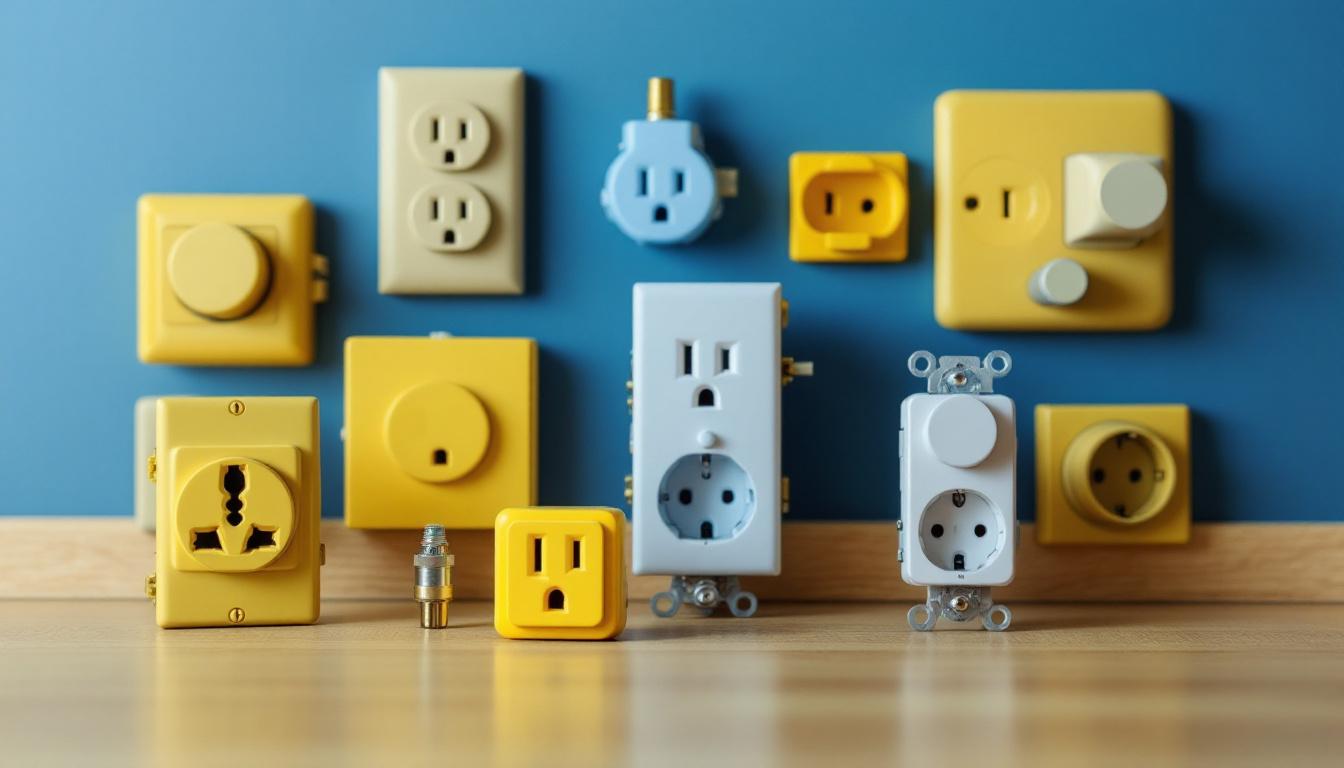
Electrical outlets are more than just wall fixtures; they are critical components that influence the safety, functionality, and efficiency of lighting installations. For lighting contractors, knowing the various types of electrical outlets used across the United States is essential. Different outlets serve different purposes, accommodate varying power requirements, and comply with specific electrical codes. This knowledge ensures that lighting systems perform optimally and meet safety standards.
When selecting outlets for lighting projects, contractors must consider factors such as voltage, amperage, grounding, and compatibility with lighting fixtures. The wrong outlet choice can lead to equipment damage, electrical hazards, or code violations. Understanding the distinctions between outlet types helps contractors tailor their installations to client needs and local regulations.
Moreover, the evolution of technology has introduced new outlet types that cater to modern lighting solutions, such as smart home systems and energy-efficient lighting. For instance, GFCI (Ground Fault Circuit Interrupter) outlets are crucial in areas prone to moisture, like kitchens and bathrooms, as they prevent electrical shocks. Additionally, with the rise of LED lighting, which often requires specific types of dimmer switches and outlets, contractors must stay updated on the latest products and installation practices to ensure compatibility and performance. This adaptability not only enhances the safety of the installations but also improves energy efficiency, aligning with the growing demand for sustainable practices in the electrical industry.
Furthermore, understanding the local building codes and regulations surrounding electrical installations is paramount for contractors. Each state or municipality may have specific requirements regarding outlet types, placement, and safety measures, which can significantly impact project timelines and budgets. By familiarizing themselves with these regulations, contractors can avoid costly fines and rework, ensuring that their projects are completed smoothly and efficiently. This proactive approach not only builds trust with clients but also enhances the contractor’s reputation in the competitive lighting industry.
Standard Residential Outlets: The Foundation of Lighting Installations
120-Volt Duplex Receptacles
The most common electrical outlet found in residential settings is the 120-volt duplex receptacle. These outlets typically support 15- or 20-amp circuits and are designed to power everyday lighting fixtures and appliances. For lighting contractors, these outlets are the go-to choice for general-purpose lighting, including lamps, sconces, and plug-in fixtures. Their versatility makes them suitable for various applications, from illuminating cozy living rooms to brightening up home offices.
Duplex receptacles feature two plug-in slots and a grounding hole, ensuring safe and reliable connections. The National Electrical Code (NEC) mandates that these outlets be grounded to prevent electrical shock, a critical safety consideration for lighting installations. Contractors often install tamper-resistant versions of these outlets, which include built-in shutters to prevent accidental insertion of foreign objects, enhancing safety in homes with children. Additionally, the aesthetic design of these outlets can blend seamlessly with home decor, often available in a variety of colors and finishes to match different interior styles.
Moreover, the installation of duplex receptacles can be strategically planned to optimize lighting control. For example, placing outlets near seating areas allows for easy access to power for table lamps, while positioning them along hallways can facilitate the use of decorative wall sconces. This thoughtful placement not only enhances the functionality of lighting but also contributes to the overall ambiance of the space.
20-Amp Outlets for Heavy-Duty Lighting
While 15-amp outlets suffice for most lighting needs, some installations require 20-amp outlets. These are typically identified by a horizontal slot alongside the vertical slot and are designed to handle higher electrical loads. Lighting contractors might encounter these outlets in workshops, garages, or areas where high-intensity lighting or equipment is used. The robust nature of these outlets makes them ideal for environments that demand more power, such as home studios or hobby spaces where multiple high-wattage fixtures might be in use simultaneously.
Choosing a 20-amp outlet ensures that circuits are not overloaded, reducing the risk of tripped breakers or electrical fires. For lighting projects involving heavy-duty fixtures or multiple devices on the same circuit, specifying the correct amperage is crucial. Additionally, the installation of 20-amp outlets can also support specialized lighting systems, such as those used in theatrical setups or outdoor lighting displays, where the demand for power can fluctuate dramatically. This adaptability allows homeowners to expand their lighting options without the concern of exceeding electrical limits.
Furthermore, when planning for 20-amp outlets, contractors often consider the layout and design of the space to maximize efficiency. For example, in a garage, placing outlets near workbenches or tool storage areas enables easy access to power for task lighting or power tools. This strategic placement not only enhances the usability of the space but also ensures that the lighting is both functional and aesthetically pleasing, contributing to a well-organized and inviting environment.
Specialized Outlets: Meeting Unique Lighting Requirements
GFCI Outlets: Essential for Wet or Outdoor Locations
Ground Fault Circuit Interrupter (GFCI) outlets are designed to protect users from electrical shock by quickly cutting power when a ground fault is detected. Lighting contractors frequently install GFCI outlets in bathrooms, kitchens, outdoor areas, and other damp locations where lighting fixtures might be exposed to moisture.
GFCI outlets have a distinctive “Test” and “Reset” button on their face and provide an extra layer of safety for lighting installations in potentially hazardous environments. Using GFCI outlets in these locations is not just recommended-it’s required by electrical codes, making them indispensable for compliant and safe lighting work.
AFCI Outlets: Protecting Against Electrical Fires
Arc Fault Circuit Interrupter (AFCI) outlets are designed to detect dangerous electrical arcs that can lead to fires. Lighting contractors often encounter AFCI requirements in bedrooms, living rooms, and other living spaces. These outlets help prevent fires caused by damaged wiring or loose connections commonly found in lighting circuits.
AFCI outlets look similar to standard outlets but include built-in arc detection technology. Installing AFCI outlets or breakers in lighting circuits is becoming increasingly common as codes evolve to enhance residential fire safety. Contractors should be familiar with AFCI technology and its application in lighting projects.
Commercial and Industrial Outlets: Handling Higher Power Demands
240-Volt Outlets for High-Intensity Lighting
Commercial and industrial lighting often requires outlets that can handle higher voltages and amperages. The 240-volt outlets, commonly used for heavy machinery and large lighting systems, are essential in warehouses, factories, and large retail spaces. These outlets come in various configurations, including NEMA 6 and NEMA 14 series, which specify different plug shapes and grounding methods.
Lighting contractors working in commercial environments must understand the specific outlet types and their corresponding circuit requirements. Proper installation ensures that high-intensity lighting systems operate safely and efficiently without overloading electrical infrastructure.
Twist-Lock Outlets: Secure Connections for Critical Lighting
Twist-lock outlets are designed to maintain a secure connection even in environments subject to vibration or movement. These outlets are common in stage lighting, film production, and other applications where lighting equipment must remain securely connected during operation.
Featuring a locking mechanism that twists the plug into place, these outlets prevent accidental disconnections that could disrupt lighting setups. Lighting contractors specializing in entertainment or event lighting often rely on twist-lock outlets to guarantee reliable power delivery in demanding conditions.
Emerging Trends and Technologies in Electrical Outlets
Smart Outlets: Integrating Lighting with Home Automation
Smart electrical outlets are transforming how lighting contractors approach installations. These outlets allow remote control, scheduling, and energy monitoring through smartphone apps or voice assistants. For residential and commercial lighting projects, smart outlets offer enhanced convenience and energy efficiency.
Lighting contractors are increasingly incorporating smart outlets into their designs to meet client demands for automation and connectivity. These outlets often include features like dimming control and integration with lighting control systems, providing a seamless user experience.
USB-Integrated Outlets: Charging and Lighting in One
USB-integrated outlets combine traditional power sockets with USB ports, allowing users to charge devices without adapters. This feature is particularly useful in residential bedrooms, offices, and commercial spaces where both lighting and device charging are needed.
For lighting contractors, specifying USB outlets can add value to a project by reducing clutter and enhancing functionality. These outlets support modern lifestyles and align with client expectations for versatile electrical solutions.
Compliance and Safety: Navigating Codes and Standards
Electrical codes in the United States, primarily governed by the National Electrical Code (NEC), dictate the types of outlets required in different settings. Lighting contractors must stay current with these codes to ensure their installations are safe, legal, and insurable.
Key considerations include outlet placement, grounding requirements, and the use of GFCI and AFCI outlets where mandated. Failure to comply can result in costly rework, safety hazards, and liability issues. Contractors should regularly consult local amendments and updates to the NEC to maintain compliance.
Additionally, proper outlet installation involves correct wiring techniques, secure mounting, and testing for functionality and safety. Lighting contractors often use specialized tools such as circuit testers and voltage meters to verify outlet performance before project completion.
Choosing the Right Outlet: Practical Tips for Lighting Contractors
Selecting the appropriate electrical outlet involves evaluating the lighting load, environmental conditions, and client preferences. Here are some practical tips for contractors:
- Assess the Load: Calculate the total wattage and amperage of lighting fixtures to determine the correct outlet rating.
- Consider Location: Use GFCI outlets in wet areas and AFCI outlets in living spaces to comply with safety codes.
- Plan for Future Needs: Incorporate outlets with extra capacity or smart features to accommodate potential upgrades.
- Use Quality Products: Choose outlets from reputable manufacturers that meet UL certification standards.
- Follow Local Codes: Always verify local electrical codes and regulations before installation.
By applying these guidelines, lighting contractors can ensure that their outlet installations support safe, efficient, and user-friendly lighting systems.
Conclusion: Mastering Outlet Knowledge to Elevate Lighting Projects
Electrical outlets are fundamental to any lighting installation, yet their variety and technical nuances can be challenging. Lighting contractors who deepen their understanding of outlet types, safety features, and code requirements position themselves as trusted experts in their field.
From standard residential duplex receptacles to specialized commercial and smart outlets, each type serves a distinct purpose. Recognizing these differences and applying them thoughtfully enhances the quality, safety, and functionality of lighting projects. Staying informed about emerging technologies and evolving codes ensures contractors deliver modern, compliant solutions that meet client expectations.
Ultimately, mastering the selection and installation of electrical outlets empowers lighting contractors to create lighting environments that are not only visually appealing but also safe and reliable for years to come.
Illuminate Your Projects with LumenWholesale
Ready to enhance your lighting installations with the highest quality outlets and lighting accessories? Look no further than LumenWholesale, where we provide contractors with the best spec-grade lighting products at unbeatable wholesale prices. Our extensive selection is designed to meet the highest industry standards, ensuring that every project shines with reliability and performance. Plus, with free shipping on bulk orders, you can stock up on premium lighting solutions without the worry of hidden fees. Elevate your lighting projects today by visiting Wholesale Lighting at the Best Value and discover the perfect blend of quality, affordability, and convenience at LumenWholesale.