Why Choose a 15 Ft Light Pole?
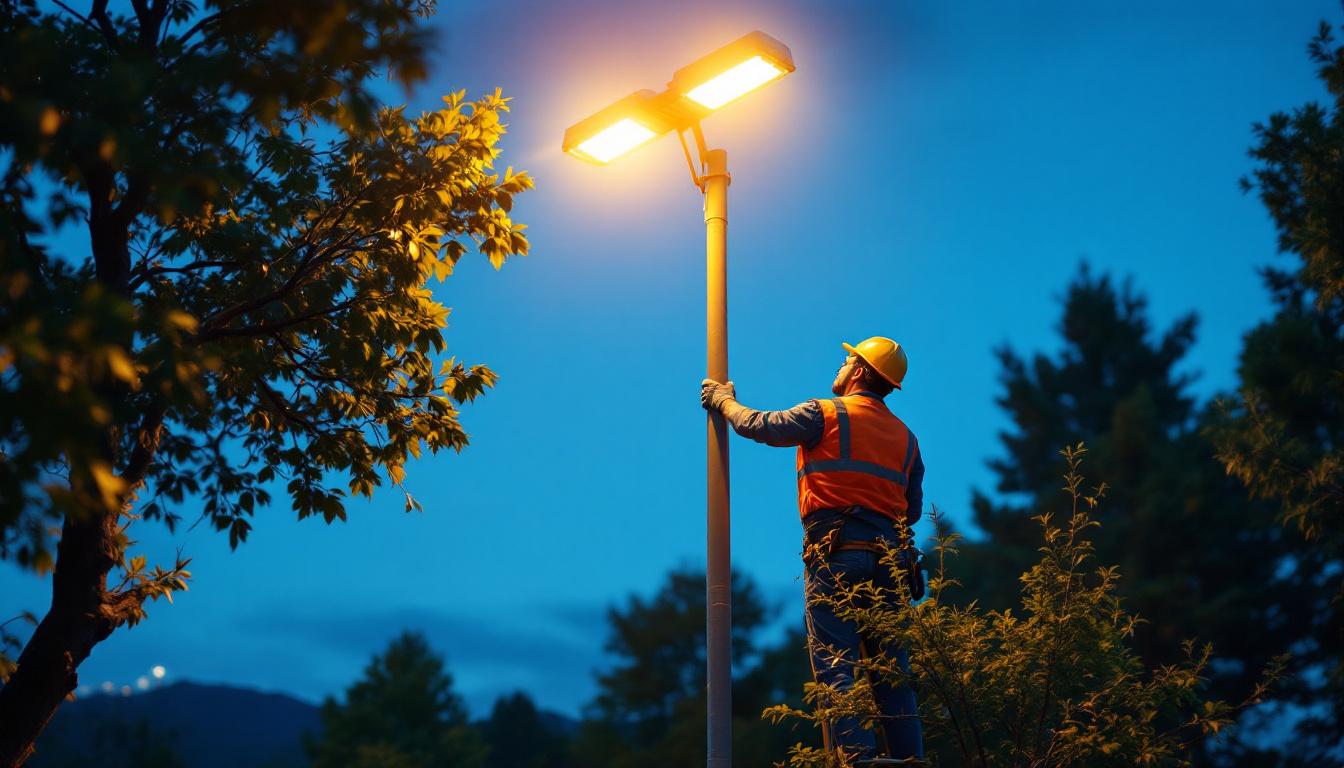
When selecting a light pole, height is one of the first factors to consider. A 15-foot light pole hits a sweet spot for many outdoor lighting applications. It’s tall enough to provide broad illumination while staying low-profile enough to blend into various environments.
For lighting contractors, understanding the benefits of this height can help tailor solutions for clients who need functional yet unobtrusive lighting. Whether it’s for parking lots, pedestrian pathways, or small commercial areas, 15-foot poles offer a balance between coverage and cost.
Compared to taller poles, 15-foot poles require less material and are easier to install, which can reduce labor costs and installation time. They also allow for better control over light distribution, minimizing light pollution and glare—an important consideration in residential or mixed-use areas.
Moreover, the versatility of a 15-foot light pole makes it suitable for a variety of lighting fixtures, from LED to traditional high-intensity discharge lamps. This adaptability means that municipalities and businesses can select energy-efficient options that not only save on electricity bills but also contribute to sustainability goals. The ability to integrate smart lighting technology into these poles further enhances their appeal, allowing for features such as motion sensors and dimming capabilities that adjust based on real-time conditions.
In addition to their practical benefits, 15-foot light poles can also be aesthetically pleasing. Many manufacturers offer a range of designs and finishes, allowing for customization that can complement the surrounding architecture or landscape. This attention to design can elevate the overall look of an area, making it more inviting and enhancing the user experience. As urban areas continue to evolve, the importance of thoughtful lighting solutions becomes increasingly evident, and the 15-foot light pole stands out as a prime candidate for modern outdoor lighting needs.
Common Applications of 15 Ft Light Poles
Parking Lots and Commercial Spaces
Parking lots are one of the most frequent applications for 15-foot poles. This height provides adequate illumination to enhance safety and security without overwhelming the space with excessive brightness. For commercial properties, this means meeting lighting standards while maintaining an inviting atmosphere.
Contractors often recommend 15-foot poles for small to medium-sized lots where taller poles might cast shadows or create uneven lighting. The height also allows for mounting fixtures that can be angled precisely to cover aisles and walkways. Additionally, these poles can be equipped with energy-efficient LED fixtures, which not only reduce energy consumption but also lower maintenance costs due to their longer lifespan. This combination of safety, efficiency, and cost-effectiveness makes 15-foot light poles a popular choice among property managers and developers.
Pedestrian Pathways and Parks
Pedestrian pathways benefit from 15-foot poles because they provide enough light to ensure visibility and safety without creating harsh glare. Parks and recreational areas often use this height to maintain a welcoming ambiance while respecting the natural surroundings.
For lighting contractors, this means selecting fixtures that complement the pole height and meet local regulations regarding light trespass and brightness levels. Moreover, the strategic placement of these poles can enhance the overall user experience, encouraging evening strolls and community gatherings. Some parks even integrate smart lighting technology, allowing for adaptive lighting that adjusts based on foot traffic, ensuring energy is used efficiently while enhancing safety during peak hours.
Residential and Mixed-Use Developments
In residential neighborhoods or mixed-use developments, 15-foot light poles strike a balance between security and aesthetics. They are tall enough to deter unwanted activity but short enough to avoid dominating the streetscape.
Contractors should consider the style and finish of the poles to ensure they blend seamlessly with the environment, enhancing curb appeal while delivering reliable lighting. Furthermore, incorporating decorative elements or unique designs on these poles can add character to the neighborhood, making them not just functional but also a part of the community’s visual identity. In mixed-use developments, where residential and commercial spaces coexist, the lighting can be designed to create a cohesive atmosphere that encourages interaction and fosters a sense of community, further enhancing the appeal of the area.
Materials and Construction of 15 Ft Light Poles
Steel Poles
Steel is the most common material for 15-foot light poles due to its strength and durability. It withstands harsh weather conditions and can support heavier fixtures. Steel poles are typically galvanized to resist corrosion, extending their lifespan.
For contractors, steel poles offer versatility in design and ease of customization. They can be painted or powder-coated to match client preferences or municipal requirements.
Aluminum Poles
Aluminum poles are lighter and easier to handle during installation. They resist rust naturally, making them ideal for coastal or humid environments. However, aluminum may not support as heavy fixtures as steel can, which limits some applications.
Choosing aluminum requires assessing fixture weight and environmental factors. For lighting contractors, this means balancing performance with installation logistics.
Fiberglass and Composite Poles
Fiberglass poles are less common but offer excellent resistance to corrosion and electrical conductivity. They are often used in specialized applications where non-metallic materials are preferred.
While more expensive, these poles can be a strategic choice for projects near sensitive equipment or in areas prone to vandalism.
Installation Considerations for Lighting Contractors
Foundation Requirements
Proper foundation design is critical for the stability of a 15-foot light pole. Soil conditions, wind load, and pole weight all influence foundation depth and type. Most installations require a concrete footing with anchor bolts embedded to secure the pole base.
Contractors must coordinate with structural engineers or use manufacturer guidelines to ensure the foundation meets local building codes and safety standards.
Electrical Wiring and Safety
Running electrical wiring through or alongside the pole requires attention to detail. Many 15-foot poles feature a handhole or base plate access for wiring connections. Ensuring waterproof seals and proper grounding protects the system and extends its service life.
Safety protocols during installation are paramount. Contractors should verify power is disconnected before working on electrical components and use appropriate personal protective equipment.
Fixture Compatibility and Mounting
Not all light fixtures are suited for 15-foot poles. The fixture’s weight, size, and mounting style must be compatible with the pole’s design. Slipfitter mounts, tenon mounts, or direct mounts are common methods, each with specific installation steps.
Contractors should confirm fixture specifications and pole compatibility before procurement to avoid costly adjustments or replacements.
Maintenance and Longevity
Routine Inspection
Regular inspections help identify issues like corrosion, loose fittings, or electrical faults early. For 15-foot poles, inspections can often be conducted safely with ladders or lifts, reducing the need for specialized equipment.
Contractors can offer maintenance packages to clients, ensuring poles remain in optimal condition and comply with safety standards.
Cleaning and Surface Treatment
Dirt, bird droppings, and environmental pollutants can degrade pole finishes over time. Cleaning with mild detergents and water helps maintain appearance and protective coatings.
Repainting or powder-coating may be necessary every few years to prevent rust and extend the pole’s lifespan. Contractors should advise clients on appropriate maintenance intervals based on local conditions.
Electrical Component Upkeep
Light fixtures and wiring should be checked periodically for wear or damage. Replacing bulbs with energy-efficient LEDs can reduce maintenance frequency and energy costs.
Contractors can guide clients on upgrading lighting technology while using existing 15-foot poles, maximizing return on investment.
Cost Factors and Budgeting
Material and Manufacturing Costs
The price of 15-foot light poles varies depending on material choice, finish, and customization. Steel poles generally cost less than aluminum or fiberglass but may incur higher shipping expenses due to weight.
Manufacturing complexity, such as decorative designs or integrated features, also impacts cost. Contractors should provide clients with detailed quotes that break down these factors clearly.
Installation Expenses
Labor costs depend on site conditions, foundation requirements, and electrical work complexity. Urban areas with restricted access or underground utilities may increase installation time and expense.
Efficient project planning and coordination can help control costs and avoid delays.
Long-Term Value
Investing in quality poles and fixtures may have higher upfront costs but reduces maintenance and replacement expenses. Energy-efficient lighting paired with durable poles contributes to lower operational costs over time.
Contractors should emphasize total cost of ownership when advising clients, highlighting benefits beyond initial price tags.
Regulatory and Safety Standards
Compliance with Local Codes
Lighting contractors must ensure 15-foot poles meet local zoning and electrical codes. This includes height restrictions, light trespass limits, and grounding requirements.
Failure to comply can result in fines or costly rework, so staying informed about jurisdictional regulations is essential.
ANSI and IES Standards
Adhering to standards from organizations like ANSI (American National Standards Institute) and IES (Illuminating Engineering Society) ensures poles and fixtures perform safely and effectively.
These standards cover structural integrity, photometric performance, and electrical safety, providing a benchmark for quality installations.
Worker Safety During Installation
Proper training and equipment reduce risks during pole installation. Contractors should follow OSHA guidelines and industry best practices to protect workers from falls, electrical hazards, and equipment accidents.
Documenting safety procedures and maintaining clear communication on site contribute to successful, incident-free projects.
Final Thoughts for Lighting Contractors
Mastering the nuances of 15-foot light poles enables lighting contractors to deliver solutions that balance functionality, aesthetics, and cost. From material selection to installation and maintenance, every step influences the final outcome.
Understanding client needs and site conditions is crucial. A well-chosen 15-foot pole can transform an outdoor space, enhancing safety and ambiance while respecting budget constraints.
Staying current with industry standards and emerging technologies ensures contractors remain competitive and provide lasting value to their clients.
Illuminate Your Projects with LumenWholesale
Ready to elevate your lighting projects with the perfect 15-foot light poles? At LumenWholesale, we offer the exceptional quality and value you need to bring your outdoor spaces to life. Our spec-grade lighting products are designed to meet the highest industry standards, ensuring you deliver safety, beauty, and reliability to every client. With unbeatable wholesale prices and the convenience of free shipping on bulk orders, your search for cost-effective, high-performance lighting solutions ends here. Don’t let middleman markups dim your project’s potential. Choose LumenWholesale for the best in quality and affordability. Wholesale Lighting at the Best Value is just a click away.