Why Electrical Box Hole Covers Matter More Than You Think
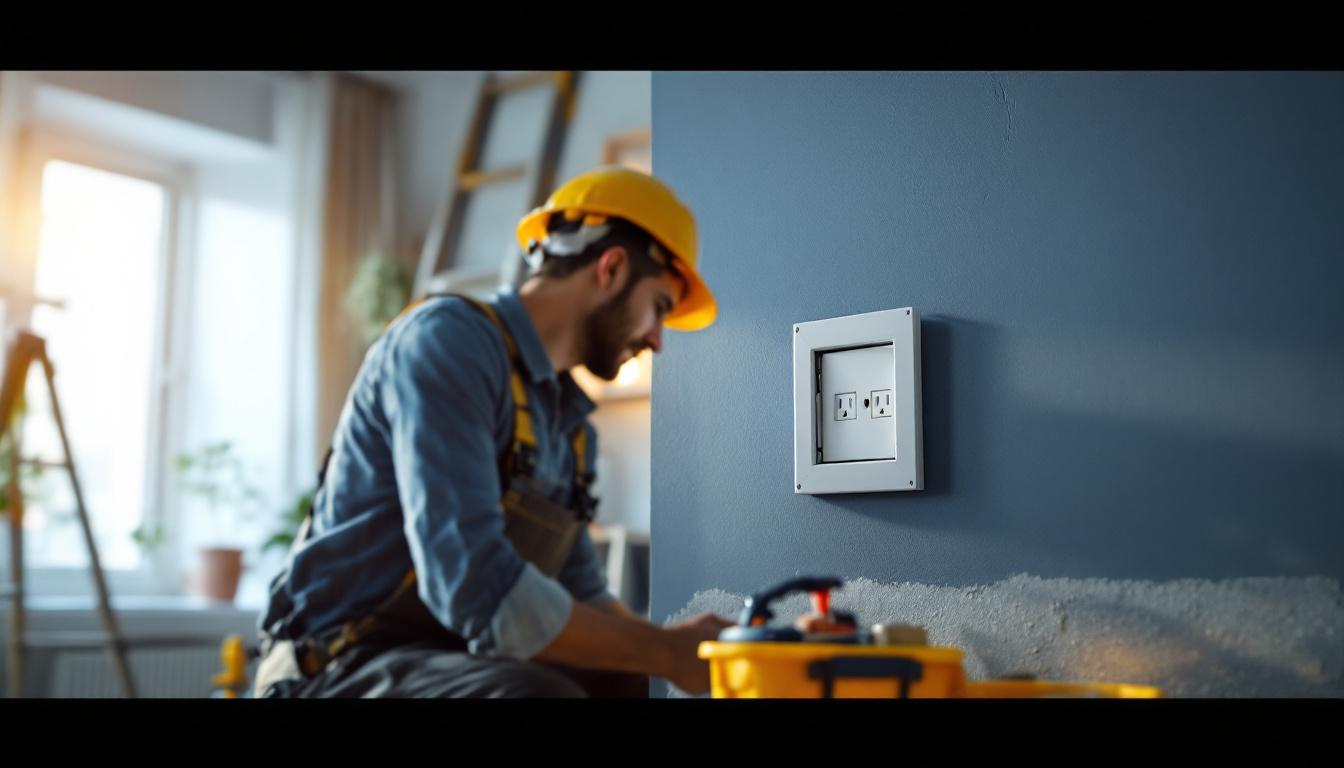
Lighting contractors often face tight deadlines and complex installations, making every detail count. One detail that can easily be overlooked is the electrical box hole cover. These small components play a crucial role in ensuring safety, compliance, and aesthetics on any job site.
Electrical box hole covers are designed to seal off unused or leftover openings in electrical boxes. Without them, these holes can expose wiring, create fire hazards, or allow dust and moisture to enter the box. For lighting contractors, this means potential rework, failed inspections, and dissatisfied clients.
Beyond safety, hole covers contribute to the professional finish of an installation. A clean, sealed electrical box signals attention to detail and quality workmanship. This can be the difference between repeat business and lost opportunities.
Moreover, the choice of electrical box hole covers can also affect the overall energy efficiency of a lighting installation. By preventing air leaks, these covers help maintain the integrity of the building’s envelope, which can lead to lower energy costs over time. In an era where energy efficiency is paramount, demonstrating a commitment to sustainable practices can be a significant selling point for contractors looking to differentiate themselves in a competitive market.
Additionally, the variety of hole covers available allows contractors to choose options that best fit the specific needs of their projects. From snap-on covers to those designed for specific box sizes, having the right cover can streamline the installation process and enhance the overall durability of the electrical system. This versatility not only aids in compliance with local codes but also empowers contractors to tackle a wider range of projects with confidence and expertise.
Choosing the Right Electrical Box Hole Cover
Material Matters
Electrical box hole covers come in various materials, including plastic, steel, and aluminum. Each has its advantages depending on the application. Plastic covers are lightweight and cost-effective but may not hold up well in high-heat environments. Steel covers offer durability and are often required in commercial or industrial settings. Aluminum covers provide a balance of strength and corrosion resistance, ideal for damp locations.
Lighting contractors should evaluate the environment where the cover will be installed. For example, outdoor or wet locations demand covers with appropriate ratings to prevent moisture intrusion. Using the right material ensures longevity and compliance with electrical codes. Additionally, the choice of material can also impact the aesthetic appeal of the installation. For instance, while plastic covers are functional, they may not blend seamlessly with high-end fixtures, whereas aluminum or steel options can provide a more polished look, enhancing the overall design of the lighting setup.
Size and Fit Are Critical
Hole covers come in different sizes to fit various box openings. Using a cover that’s too small or too large can compromise the seal, defeating its purpose. Contractors should measure the box opening accurately before selecting a cover. Many manufacturers provide detailed sizing charts and templates to assist in choosing the right fit.
Properly sized covers not only improve safety but also simplify installation. A snug fit reduces the risk of the cover loosening over time, which can be a safety hazard and a code violation. Furthermore, ensuring the correct size can also facilitate better thermal management within the electrical box. An ill-fitting cover may allow heat buildup, which can lead to premature failure of electrical components or even fire hazards. Therefore, taking the time to ensure a precise fit is crucial for both safety and performance.
Compatibility with Lighting Fixtures
Some lighting installations require electrical boxes to accommodate specific fixtures or wiring configurations. Hole covers must be compatible with these setups. For example, if a box has knockouts for conduit or cable entry, the cover should allow for these without compromising the seal.
Contractors should verify that the hole cover doesn’t interfere with fixture mounting or wiring access. This foresight prevents delays and costly adjustments during installation. Additionally, considering the compatibility of the cover with various lighting technologies, such as LED or fluorescent fixtures, can enhance energy efficiency. Some covers are designed to facilitate better airflow or heat dissipation, which can be particularly beneficial for high-wattage fixtures. By choosing the right cover, contractors can optimize the performance of the entire lighting system, ensuring that it operates safely and efficiently over its lifespan.
Installation Best Practices for Hole Covers
Preparation Is Key
Before installing a hole cover, ensure the electrical box is clean and free of debris. Dust, paint, or plaster can prevent the cover from sealing properly. Use a brush or compressed air to clean the box opening thoroughly.
Inspect the box for any damage or irregularities that might affect the cover’s fit. Addressing these issues upfront avoids problems later. Additionally, check for any exposed wires or connections that may need to be secured or insulated before the cover is placed. This not only enhances safety but also ensures compliance with local electrical codes, which can vary widely depending on your location.
Secure Attachment Techniques
Depending on the cover type, installation methods vary. Some covers snap into place, while others require screws or adhesive. Follow manufacturer instructions carefully to guarantee a secure fit.
For screw-mounted covers, use the correct screw size and avoid overtightening, which can crack plastic covers or strip threads. If adhesive-backed covers are used, ensure the surface is dry and clean for maximum bonding strength. It’s also wise to allow the adhesive to cure for the recommended time before subjecting the cover to any stress or load. This precaution helps to ensure that the cover remains securely attached over time, especially in areas prone to vibration or movement.
Testing and Verification
Once installed, test the cover’s stability by gently pressing or tapping it. It should remain firmly in place without movement. For covers in critical locations, consider using a flashlight or inspection mirror to verify a proper seal inside the box.
Documenting the installation with photos can be helpful for quality control and client reporting. Furthermore, it may be beneficial to conduct a follow-up inspection after a few weeks of use to ensure that the cover has maintained its integrity and that no issues have arisen. This proactive approach not only enhances the longevity of the installation but also builds trust with clients, demonstrating a commitment to quality and safety in your work.
Common Challenges and How to Overcome Them
Dealing with Irregular Box Shapes
Not all electrical boxes are standard shapes or sizes. In older buildings or custom installations, boxes may have irregular openings. Standard hole covers might not fit properly, leading to gaps or poor sealing.
In these cases, contractors can use customizable covers or combine multiple covers to achieve a secure seal. Some manufacturers offer flexible or adjustable covers designed for non-standard boxes. Taking the time to source the right product prevents headaches down the line. Additionally, utilizing foam sealants or caulking can provide extra insulation and protection against dust and moisture, ensuring that the electrical components remain safe and functional. It’s also beneficial to consult with manufacturers or suppliers who specialize in custom solutions, as they may have innovative products that cater specifically to unique installation challenges.
Managing Environmental Factors
Dust, moisture, and temperature fluctuations can affect hole cover performance. For outdoor lighting projects or damp locations, use covers rated for wet environments. Consider covers with gasket seals or weatherproof coatings to enhance protection.
In areas with extreme temperatures, metal covers may expand or contract, potentially loosening over time. Selecting materials with compatible thermal properties and checking covers periodically helps maintain safety and integrity. Furthermore, it is wise to consider the installation location’s exposure to elements such as UV rays, which can degrade certain materials over time. Using UV-resistant coatings or covers can prolong the lifespan of the installation, ensuring that the electrical systems remain protected. Regular maintenance checks can also help identify potential issues before they escalate, allowing for timely interventions and repairs.
Addressing Code Compliance Issues
Electrical codes vary by region but generally require all electrical boxes to be properly covered. Failure to comply can result in failed inspections, fines, or liability issues.
Contractors should stay updated on local electrical codes and ensure all hole covers meet or exceed these standards. Using UL-listed or CSA-certified covers adds a layer of assurance and professionalism. Moreover, engaging with local electrical boards or associations can provide valuable insights into upcoming changes in regulations and best practices. Attending workshops or training sessions can also enhance a contractor’s knowledge and skills, ensuring they remain compliant while delivering high-quality work. Keeping thorough documentation of all installations and compliance checks can serve as a safeguard against potential disputes or inspections, reinforcing the contractor’s commitment to safety and quality standards.
Enhancing Client Satisfaction Through Attention to Detail
Clients often judge the quality of lighting installations by visible details. Electrical box hole covers may seem minor, but their presence-or absence-speaks volumes about the contractor’s thoroughness.
Properly installed covers prevent unsightly gaps and exposed wiring, contributing to a clean, polished look. This attention to detail builds trust and confidence, encouraging referrals and repeat business.
Additionally, educating clients on the importance of hole covers can differentiate contractors as knowledgeable professionals who prioritize safety and quality.
Cost Considerations and ROI
Electrical box hole covers are relatively inexpensive components, but their impact on a project’s success is significant. Investing in quality covers reduces the risk of costly rework, inspection failures, and liability claims.
Contractors who prioritize proper hole cover installation often save time and money in the long run. The minimal upfront cost delivers a strong return on investment by enhancing safety, compliance, and client satisfaction.
Conclusion: Small Component, Big Impact
For lighting contractors, electrical box hole covers are more than just accessories-they are essential elements that maximize project success. Choosing the right material, size, and installation method ensures safety and compliance while enhancing the overall finish.
Addressing common challenges proactively and maintaining a focus on detail elevates the quality of work and client perception. Ultimately, mastering the use of electrical box hole covers is a simple yet powerful way to stand out in a competitive market.
Get Your Premium Lighting Supplies at LumenWholesale
Ready to enhance your lighting projects with the finest materials and ensure every detail is perfect? Look no further than LumenWholesale for all your lighting needs. Our extensive selection of spec-grade lighting products, including durable and compliant electrical box hole covers, is available at unbeatable wholesale prices. Say goodbye to local distributor markups and hello to high-performance lighting that meets the highest industry standards. Plus, with free shipping on bulk orders, you can stock up on quality lighting essentials without the worry of hidden fees. Elevate your lighting installations today and experience the best value in wholesale lighting. Visit LumenWholesale now and make your next project a shining success.